READ MORE: Patients needing mental health treatment surges to highest level See more Daily Mail on Google - save us as a Preferred SourceBy MARTI STELLING, HEALTH REPORTER Published: 14:55 BST, 11 June 2026 | Updated: 15:00 BST, 11 June 2026
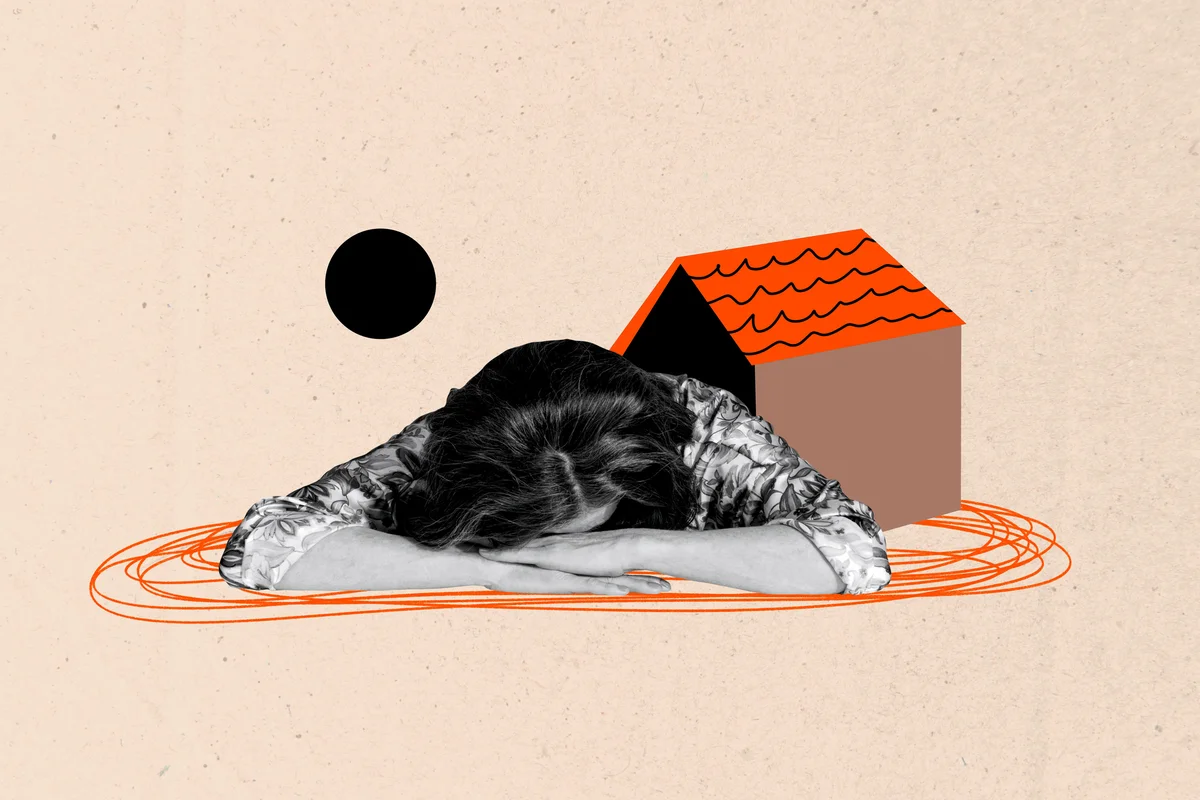
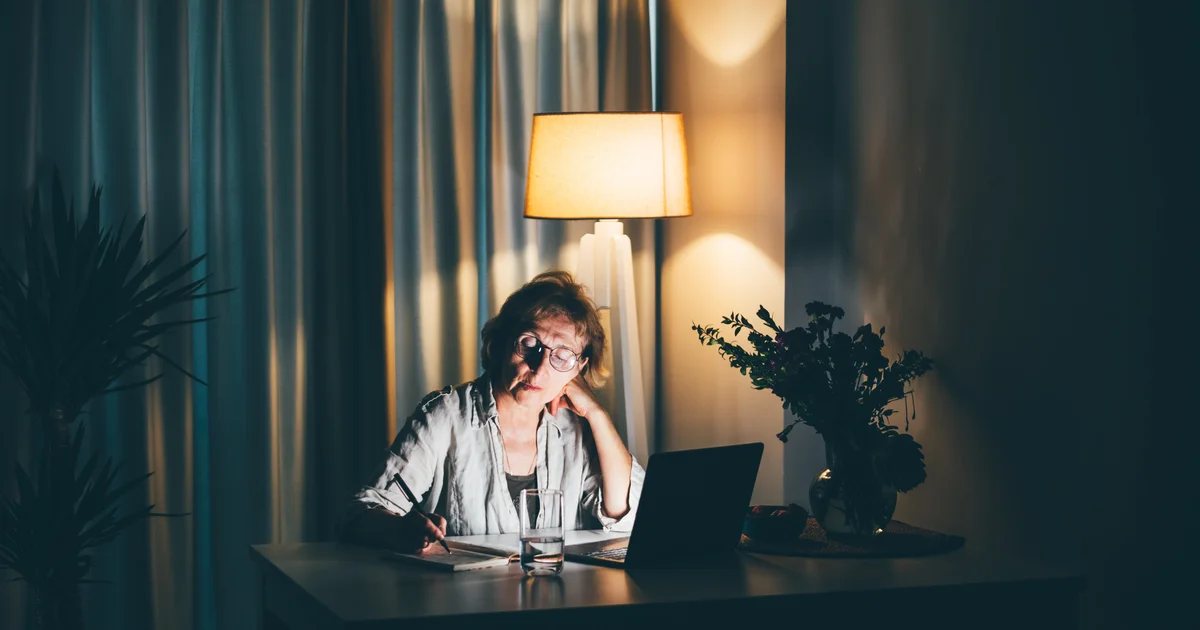
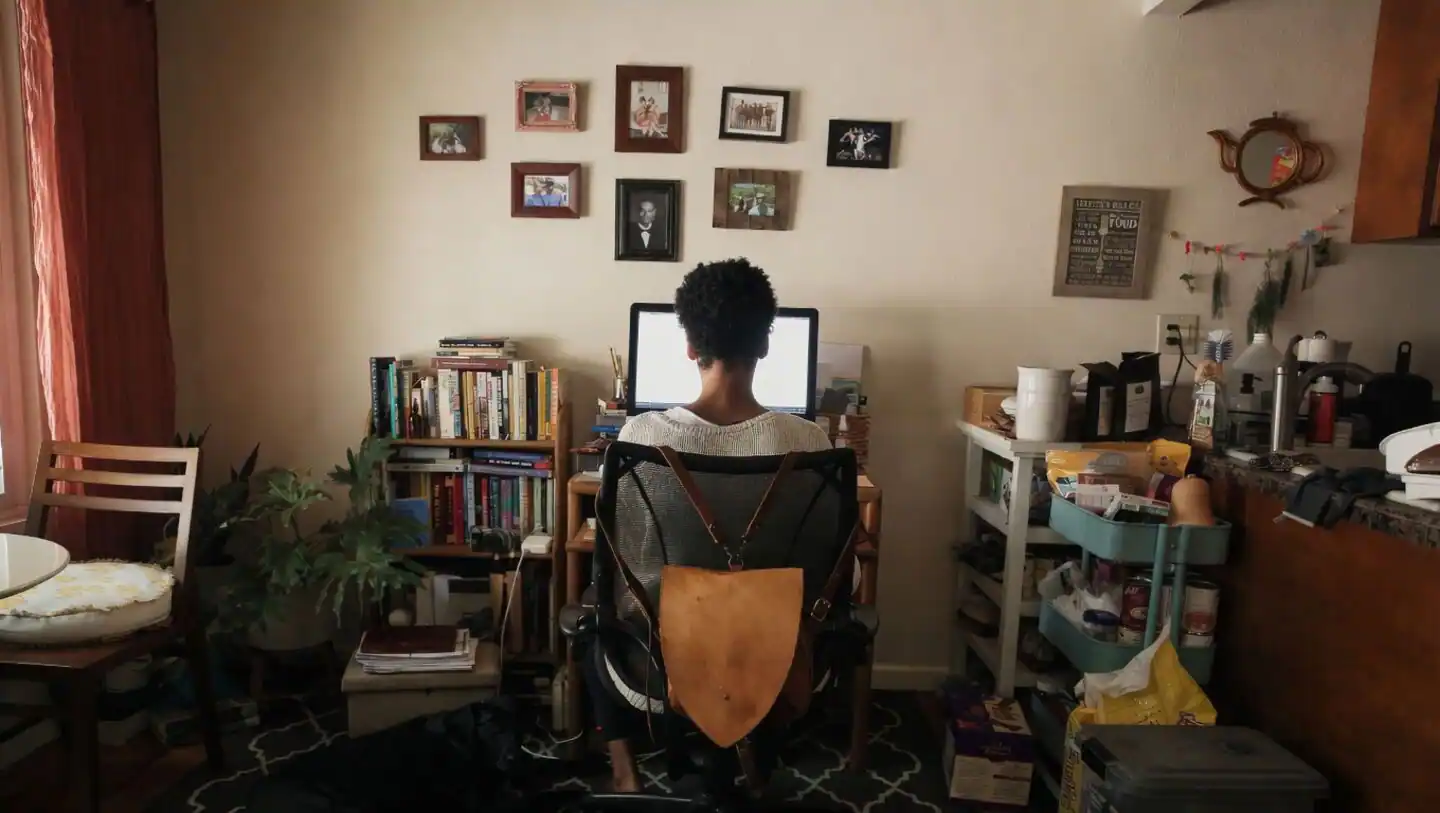
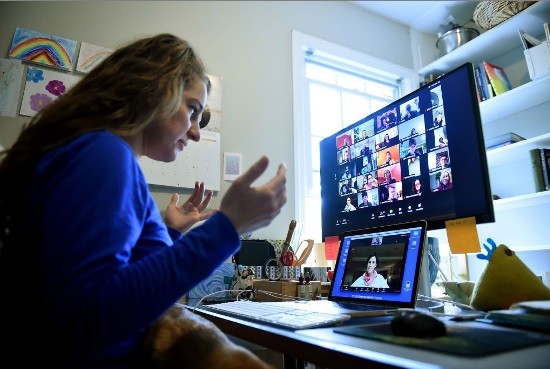
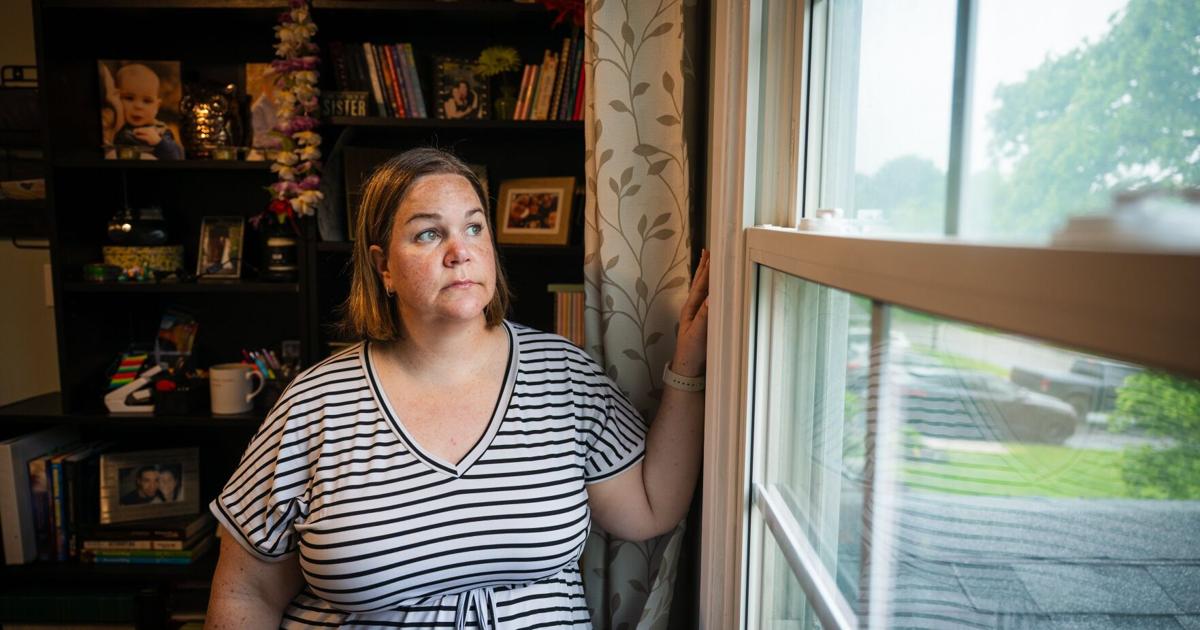
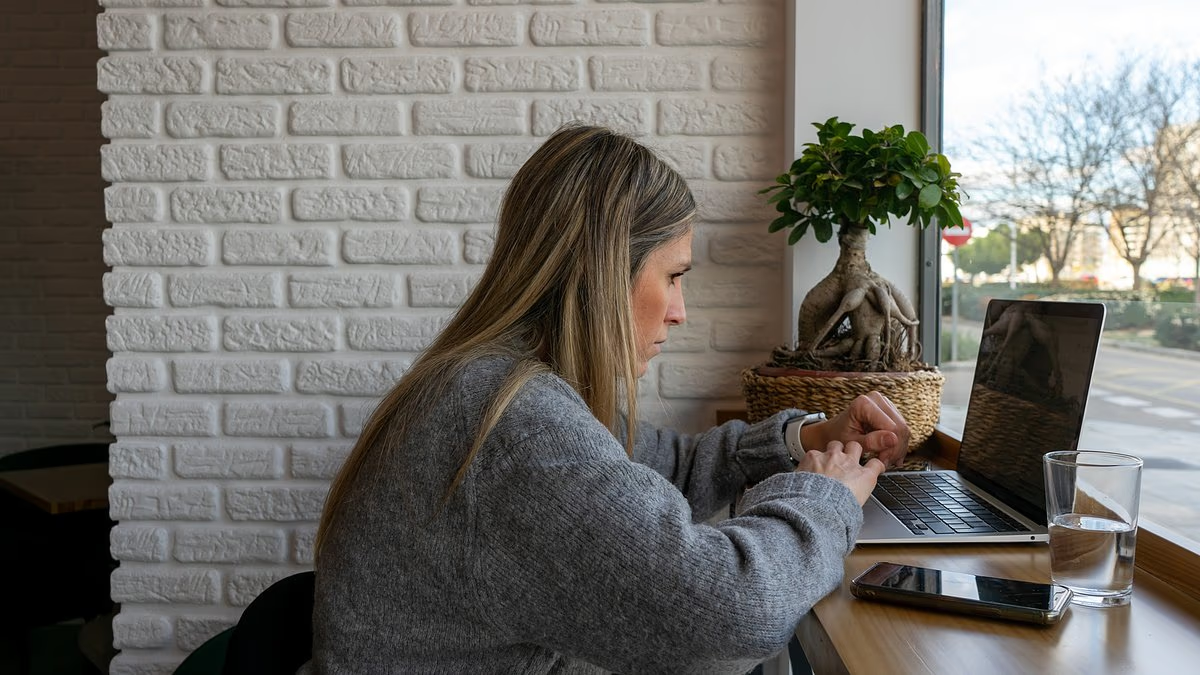
Never made it back to the office after Covid? It could be taking a hidden toll on your wellbeing.A new study suggests the shift from office working to working from home is linked to rising levels of psychological distress - with those living alone hit hardest.Researchers found that employees in jobs that became more remote after the pandemic experienced a rise in mental health problems, compared with those who continued working on-site.The study, published in the journal Science, analysed data from 588,322 people across five large US surveys conducted between 2011 and 2024 - excluding peak Covid years to avoid skewed results.Experts compared healthcare use, including mental health treatment and antidepressant prescriptions, between workers in remote-friendly roles and those whose jobs required in-person attendance.They found that people generally reported greater meaning in their work when it involved social interaction - something often missing in home-based roles.Workers in remote jobs showed a small but notable rise in psychological distress in the years following the pandemic.And the impact was significantly worse for those living alone, who experienced nearly double the increase in distress compared with people living with others. A new study suggests the shift to working from home is linked to rising levels of psychological distress - with those living alone hit hardestImportantly, there was no corresponding rise in non-mental healthcare use - suggesting the trend was not simply due to people seeking more medical help overall.The researchers estimated that the rise in remote work accounts for around one-third of the overall increase in psychological distress seen over the study period.‘Remote work may therefore be considered a significant, but not the sole, contributor,’ the authors said.They warned that while working from home can eliminate commuting and offer flexibility, it may also remove the everyday social interactions that help support emotional wellbeing.‘Small daily interactions with coworkers - and even brief moments such as greeting a barista - may play an important role in maintaining mental health,’ they added.Those living alone may be particularly vulnerable, as remote working can heighten feelings of isolation and reduce opportunities for social contact.However, the researchers noted some limitations, including that the data focused solely on US workers and could not fully distinguish between fully remote and hybrid work patterns. The new study comes as record numbers of people in England are now experiencing mental health problems.