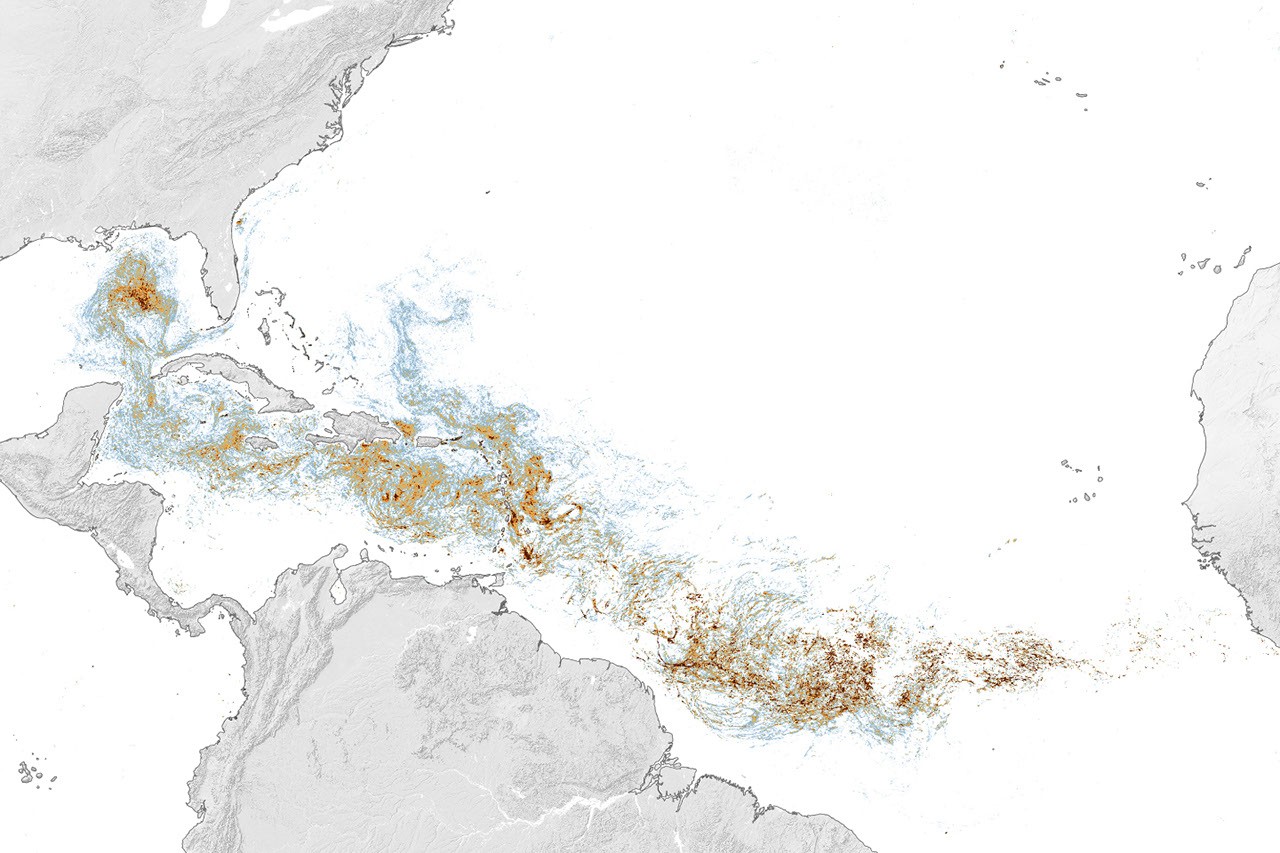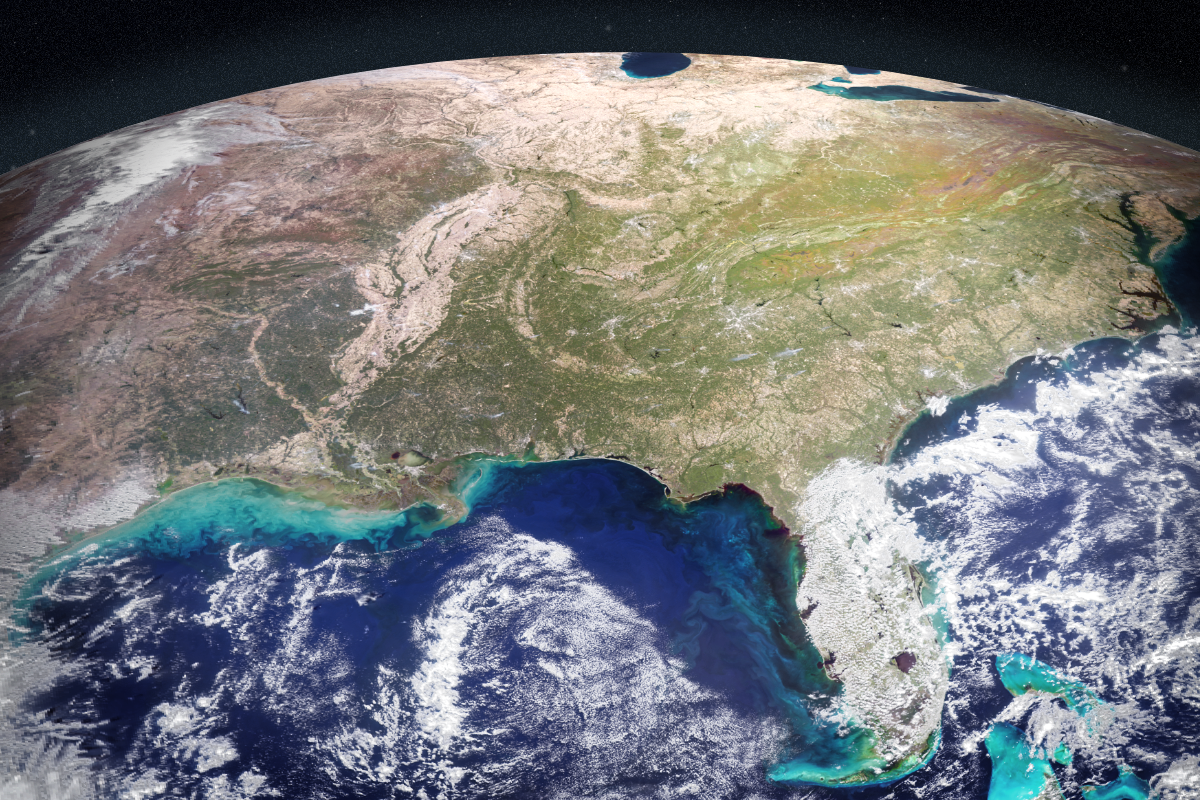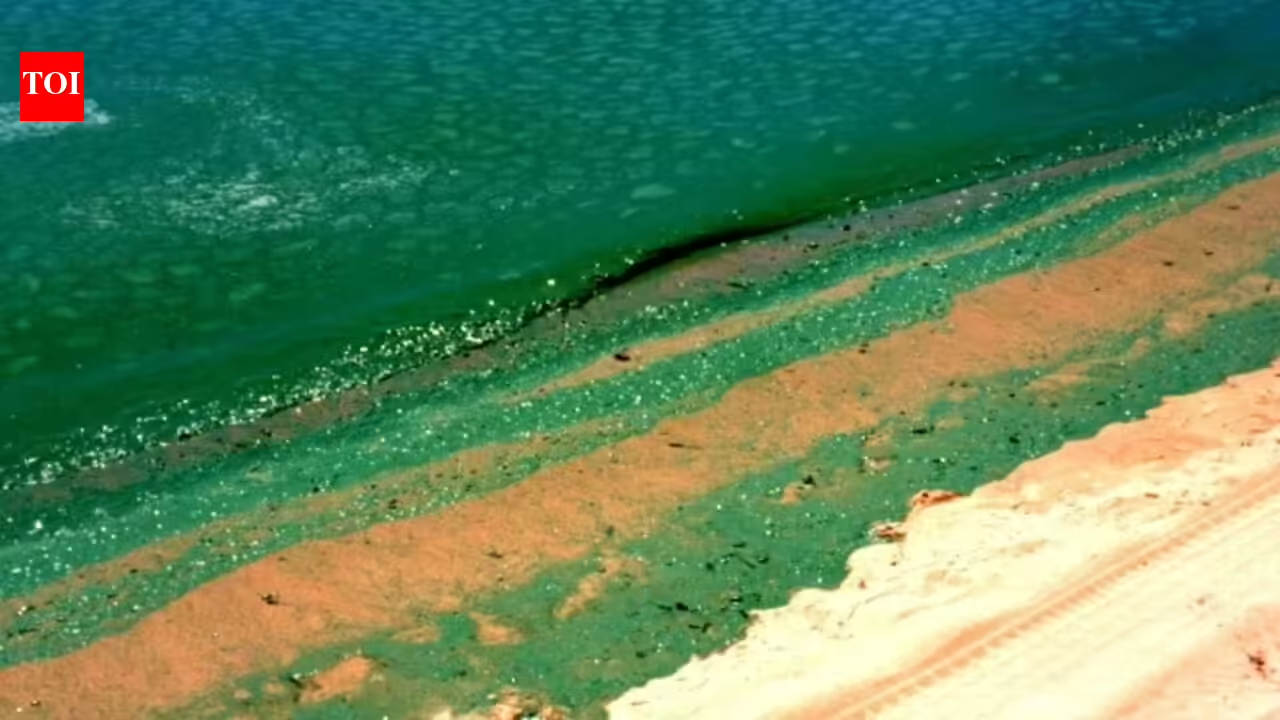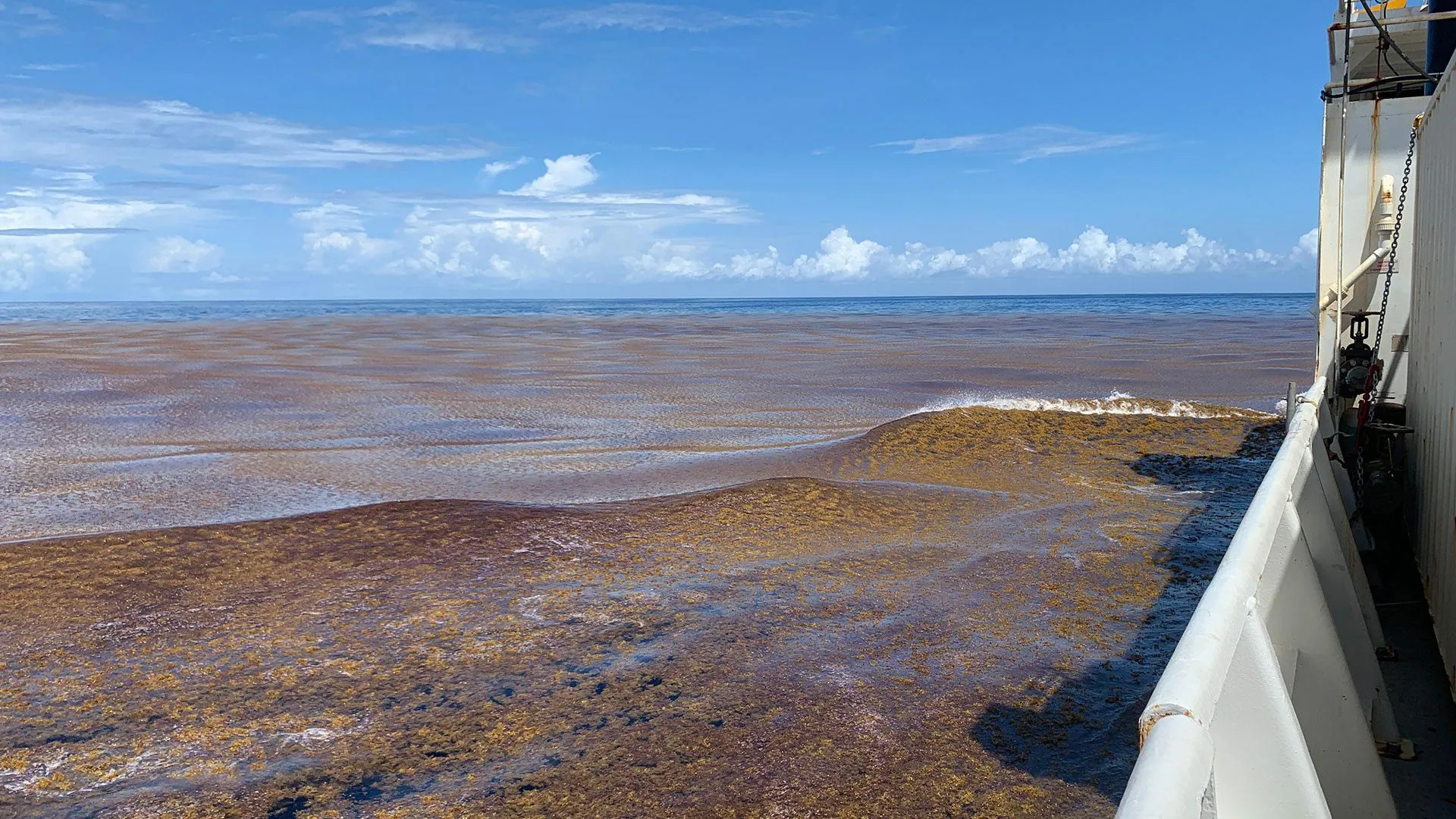
Artificial intelligence has helped scientists produce the first comprehensive global assessment of floating algae, revealing that blooms are spreading across much of the world's ocean.
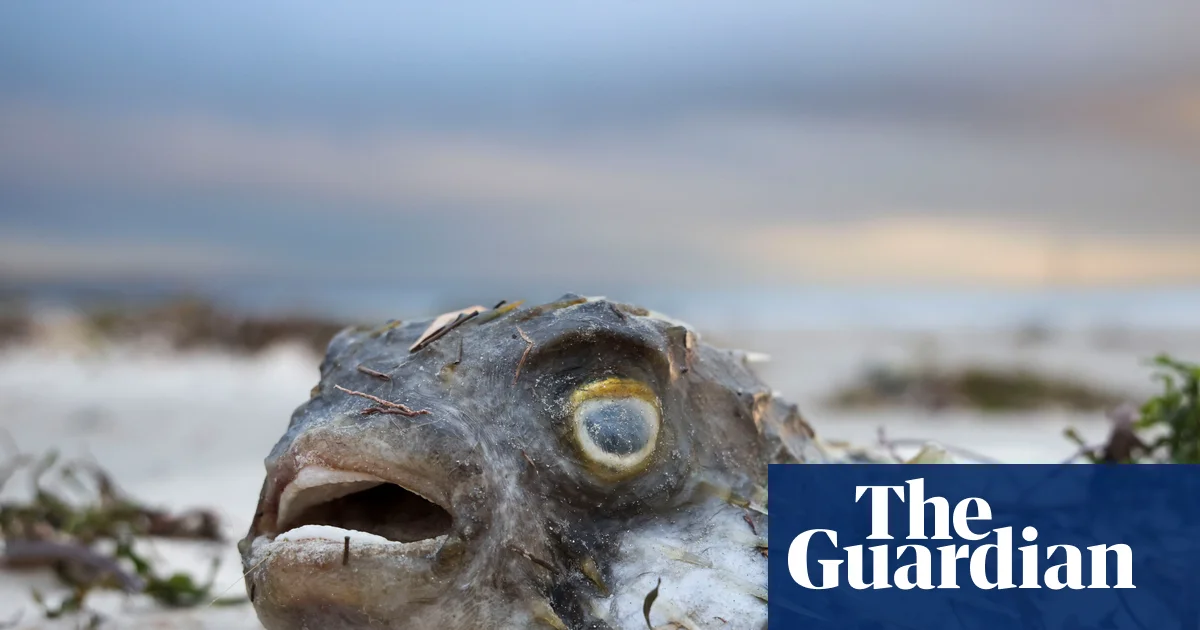
Researchers say the expansion is likely being influenced by changes in ocean temperatures, currents, and nutrient levels. The shift could bring major consequences for marine ecosystems, tourism, public health, and coastal economies.
The study was led by scientists at the University of South Florida and the National Oceanic and Atmospheric Administration. It also highlights how artificial intelligence can be used to process enormous volumes of satellite data that would be difficult to examine manually.
AI Reveals a Global Algae Shift
"While regional studies have been published, our paper gives the first global picture of floating algae, including macroalgal mats and microalgal scum," said Chuanmin Hu, professor of oceanography at the USF College of Marine Science and senior author of the paper published in Nature Communications. "Our results show that the global ocean now favors the growth of floating macroalgae."