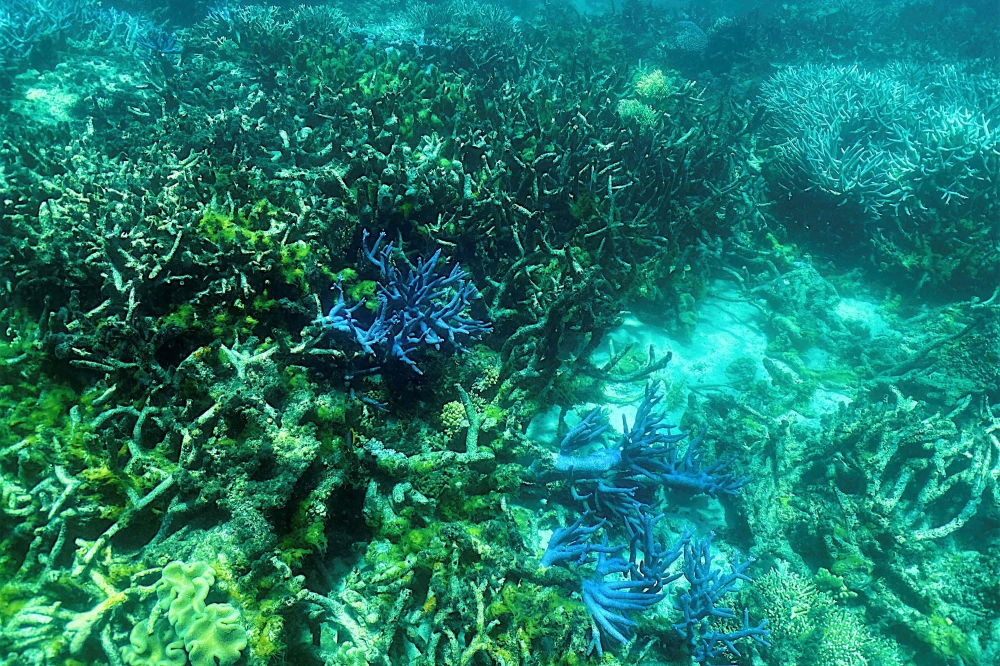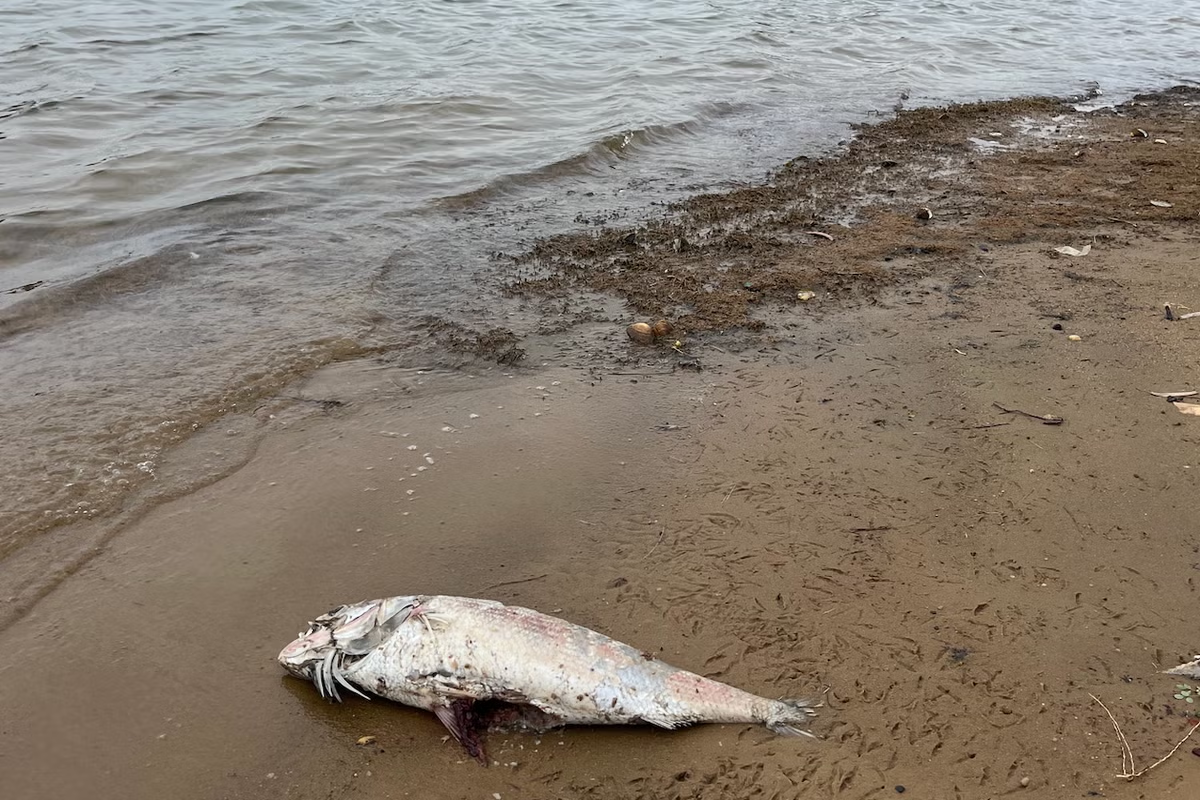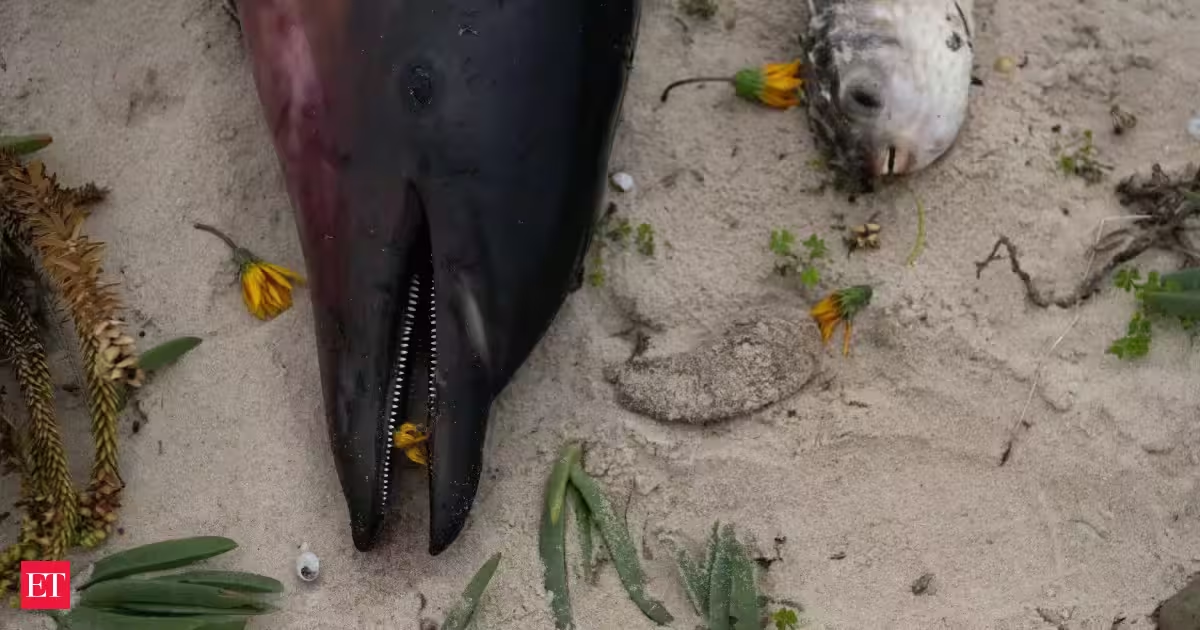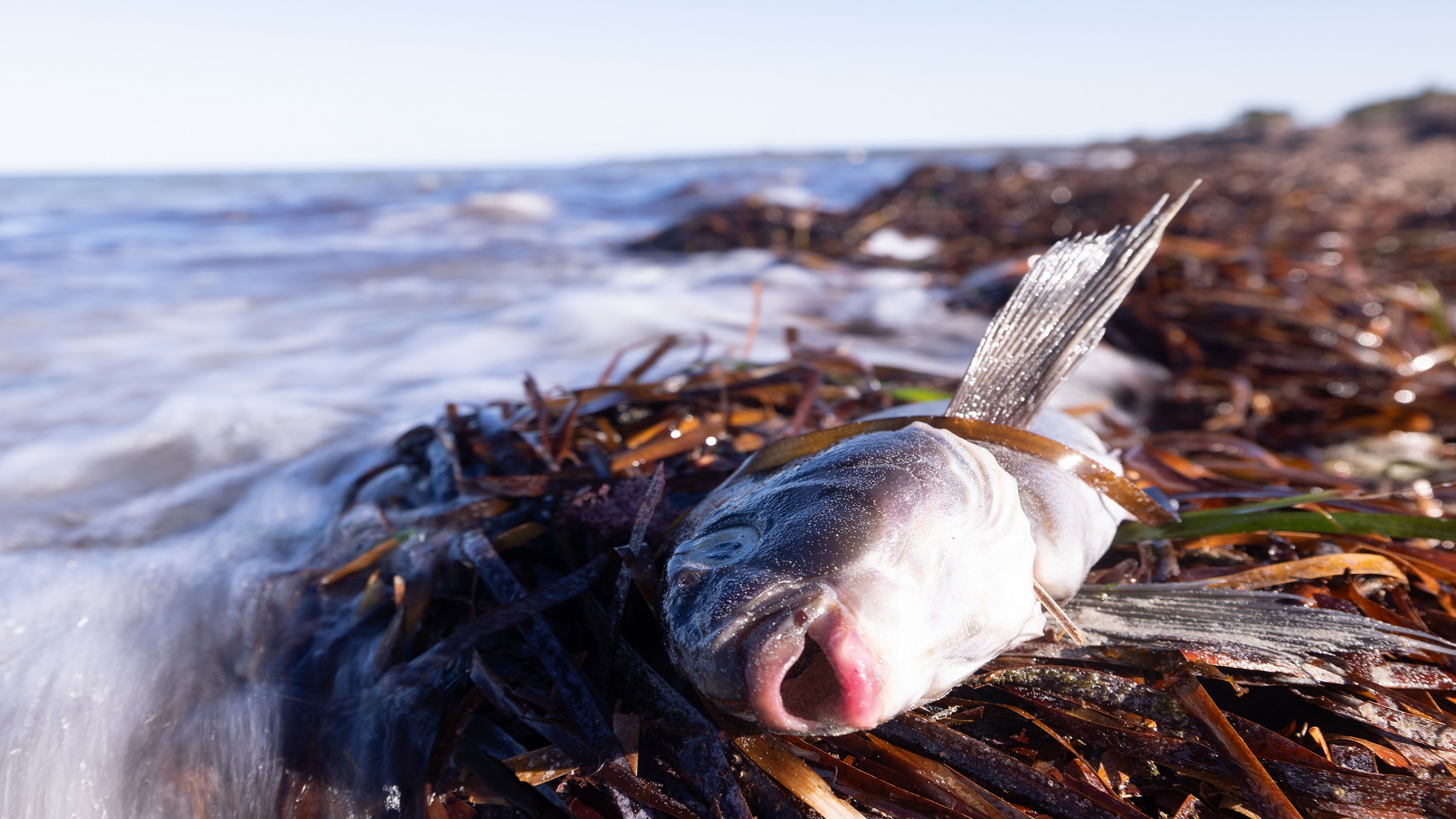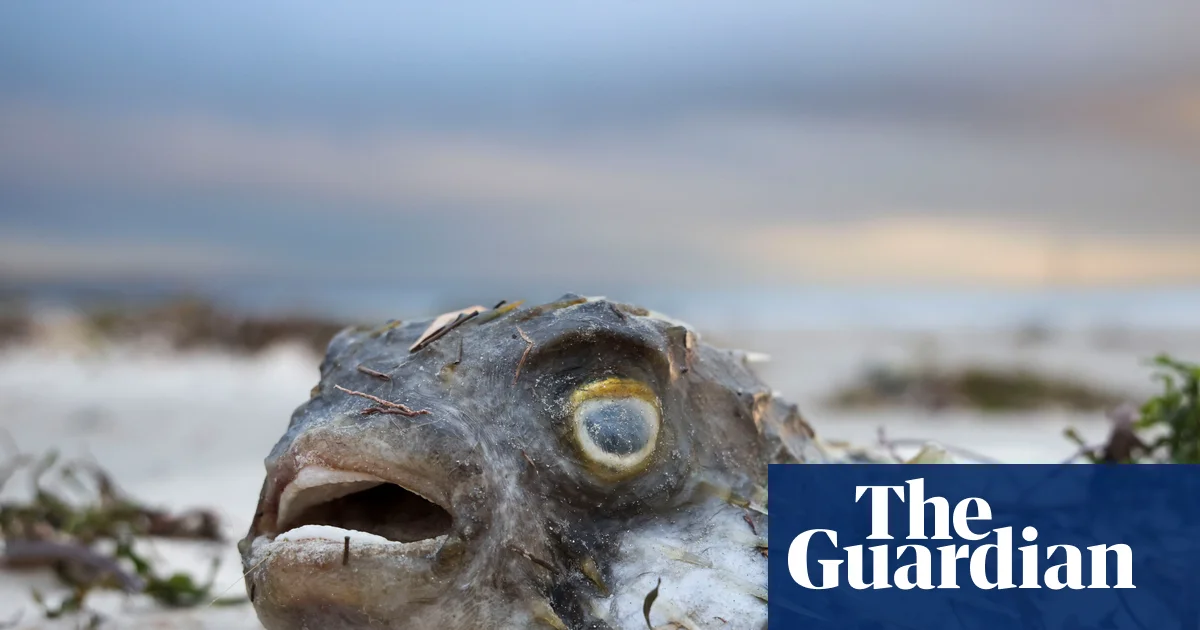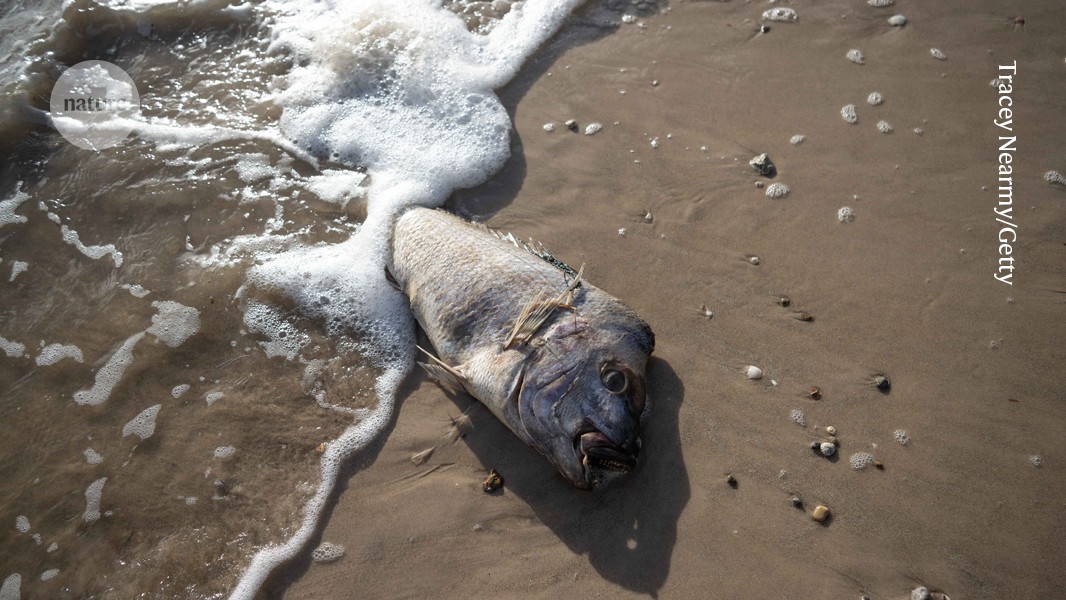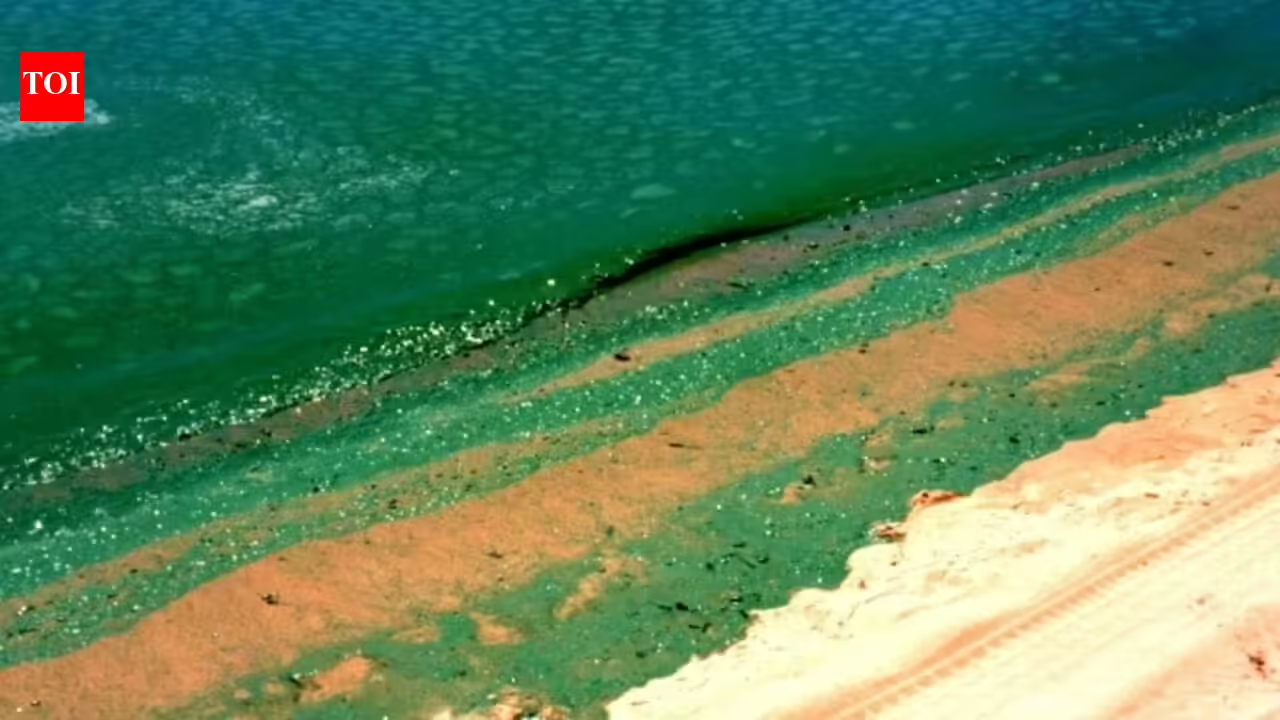
Algal blooms. Image Credit: Western Australian GovernmentScientists have spent more than a year studying a major environmental disaster in Australian waters. However, a new study says the bloom was driven by several environmental changes that created ideal conditions for the algae to grow.A peer-reviewed SARDI study identified three primary contributing factors to the bloom: nutrient-rich floodwaters from the 2023 River Murray Flood, record coastal upwelling during 2023–24, and a marine heatwave. A harmful algal bloom was first detected along parts of the South Australian coastline in March 2025.How natural algae turned into a marine menaceA type of microscopic algae in the genus Karenia was identified as the cause of the problem. These algae are a natural part of marine life, but under certain environmental conditions they can multiply and form toxic blooms.Karenia cristata has been detected as one of the species identified in the blooms. The research conducted by the University of Technology Sydney (UTS) and other collaborating organisations showed that this species contains brevetoxins - potent substances dangerous to marine life.Moreover, scientists say the bloom was not caused by a newly arrived species. The Karenia species had been present in the area long before the 2025 outbreak began.Experts outline human drivers of harmful SA algal bloom, and how we can better prepare for future. Image Credit: Biodiversity Council AustraliaFloods, nutrients, and the warming ocean had created favourable conditionsOne of the main identified factors was the effect of the 2023 River Murray floods on coastal waters. The floodwaters carry nutrients such as nitrogen and phosphorus from land into coastal waters. Although nutrients are necessary for marine productivity, their abundance in water could also stimulate fast-growing algae.SARDI said nutrient enrichment played a crucial role in the bloom near Waitpinga, which was identified in early 2025. The scientists say these nutrient-rich conditions helped Karenia develop.Another factor was related to the unusually intense coastal upwelling events. Upwelling is the rise of deep, nutrient-rich water toward the surface, where sunlight supports microscopic organisms. Together with nutrient enrichment from flooding, the upwelling created nutrient-rich conditions that favoured algal growth.According to South Australia’s Department of Primary Industries and Regions, the marine heatwave in southern Australia helped create conditions for the bloom. Higher temperatures can affect the behaviour and development of marine organisms such as algae. Research indicates that the combination of the three elements mentioned above helped create conditions where the algae could spread quickly.Impact on millions of marine animals of several hundred speciesThe environmental impact was widespread. As per the South Australian Government, the bloom impacted over 400 species including fish, sharks, rays, molluscs, seahorses and various other marine creatures. Additional studies found Karenia cristata to be toxic.Researchers from UTS and the University of Queensland described the species as among the most toxic microalgae studied, with laboratory bioassays suggesting it can exhibit toxic effects even at low cell concentrations. Fish, birds and mammals were reported washed ashore after the bloom. Ocean-related industries, especially fishing, aquaculture and tourism, were also affected.Why scientists argue that future monitoring is very importantDespite progress in the investigation, scientists still have concerns about how different environmental drivers interact to cause such events. According to SARDI, more research is needed to understand how warming oceans, nutrients and currents interact to create conditions for harmful algae.Researchers hope the insights could inform early warning systems and help strengthen Australia's response to future marine events In addition, the South Australian government created the Office for Algal Bloom Research as part of a broader effort to address the problem.An indicator of an altered oceanScientists say the South Australian algae outbreak shows that marine habitats are vulnerable to combined stresses. Climate change can increase marine heatwaves, while changing rainfall patterns may alter nutrient transport from land to the ocean. Researchers suggest that floods, unusual ocean currents and extreme temperatures can turn a natural organism into an ecological disaster.
Australia’s harmful algal bloom affected hundreds of marine species, as scientists point to floodwater, upwelling and record ocean heat
Scientists have spent more than a year studying a major environmental disaster in Australian waters. However, a new study says the bloom was driven by several environmental changes that created ideal conditions for the algae to grow.
641 words~3 min read