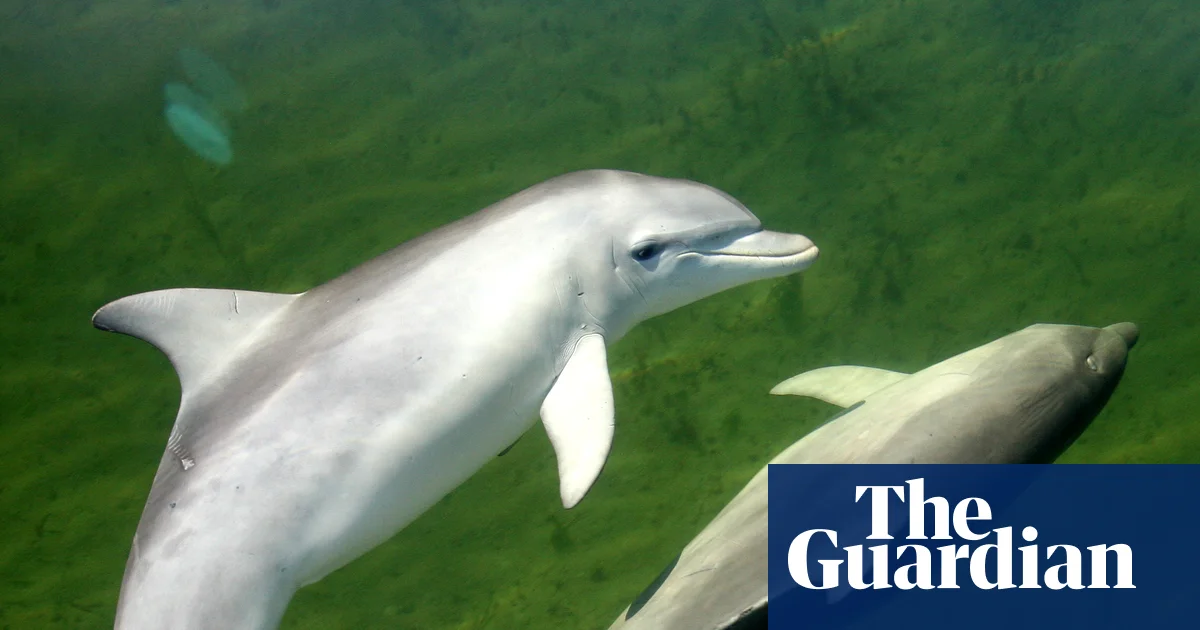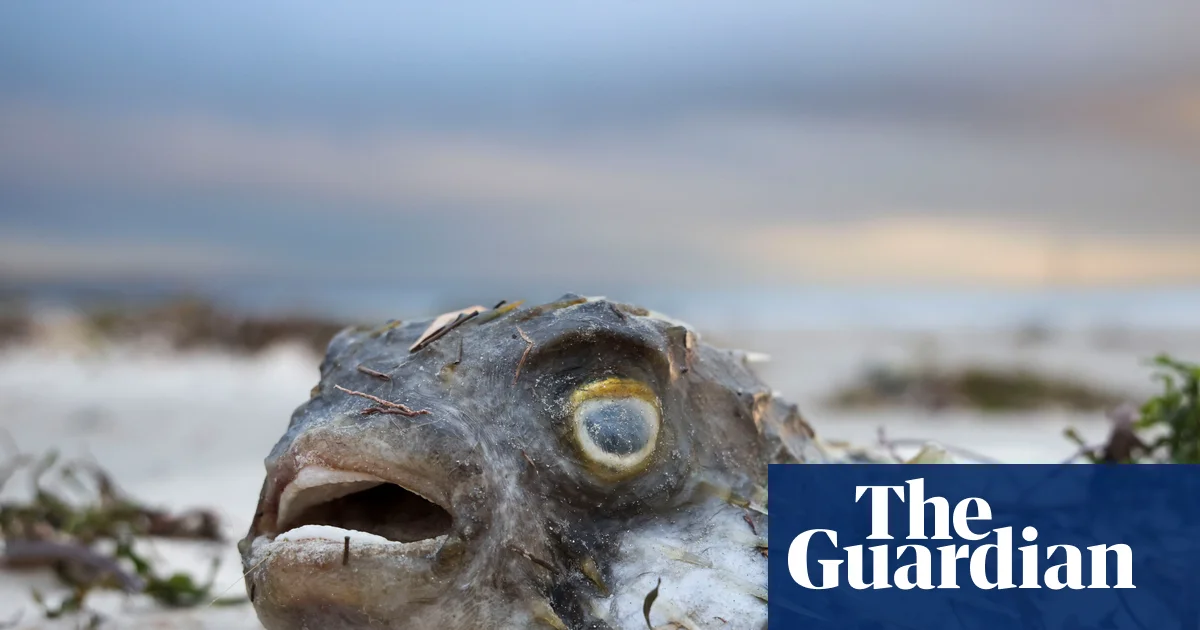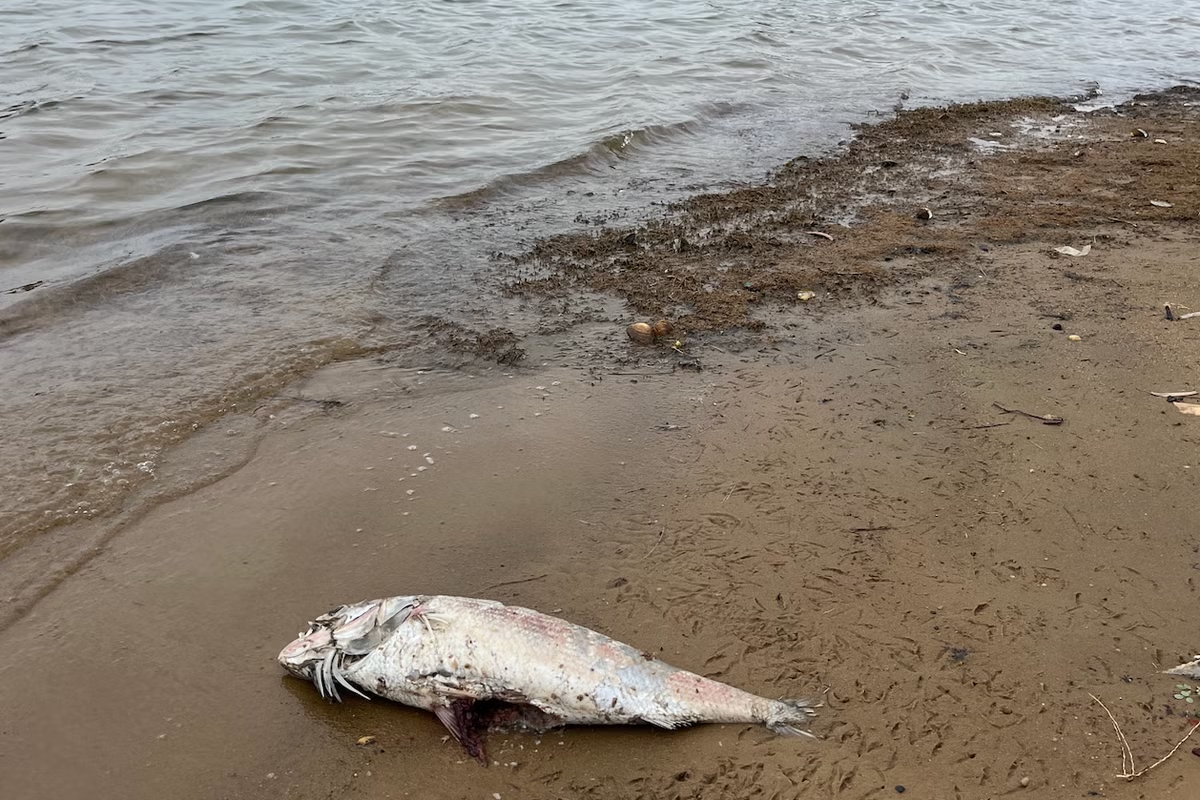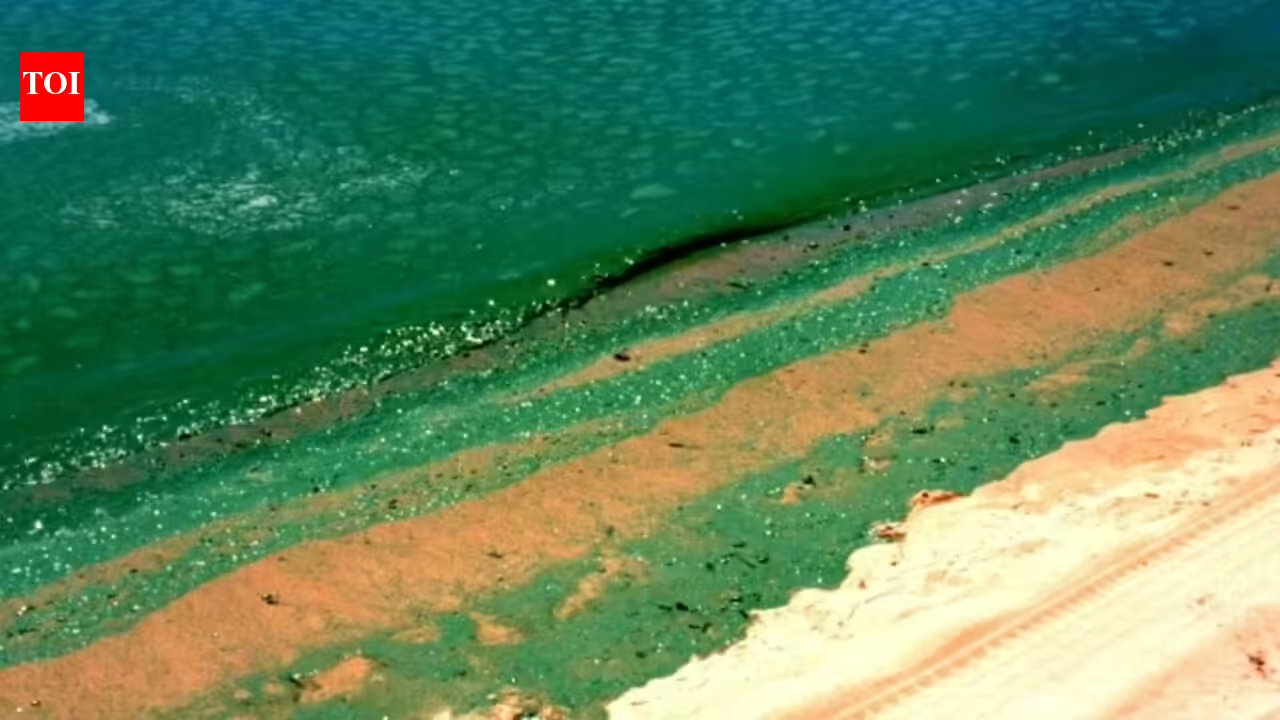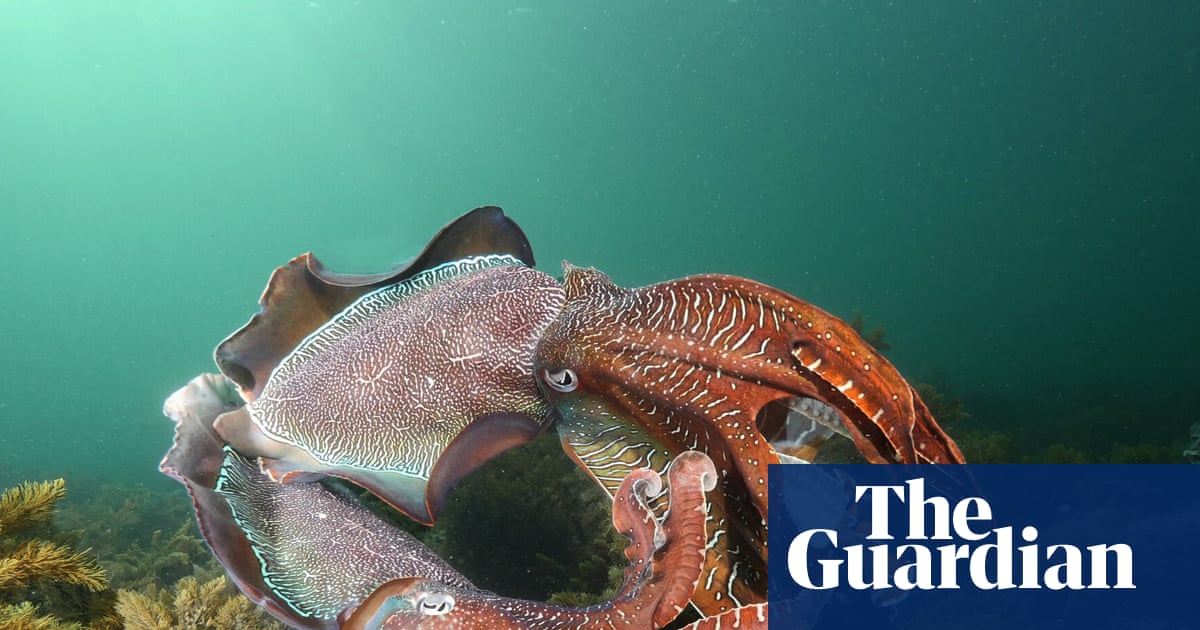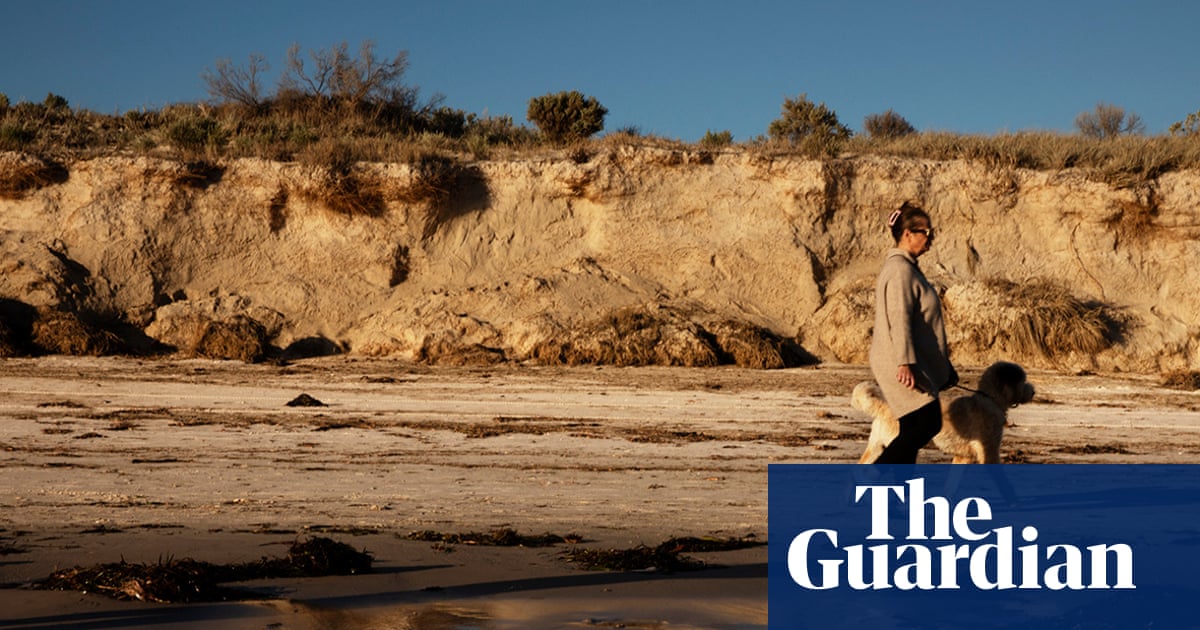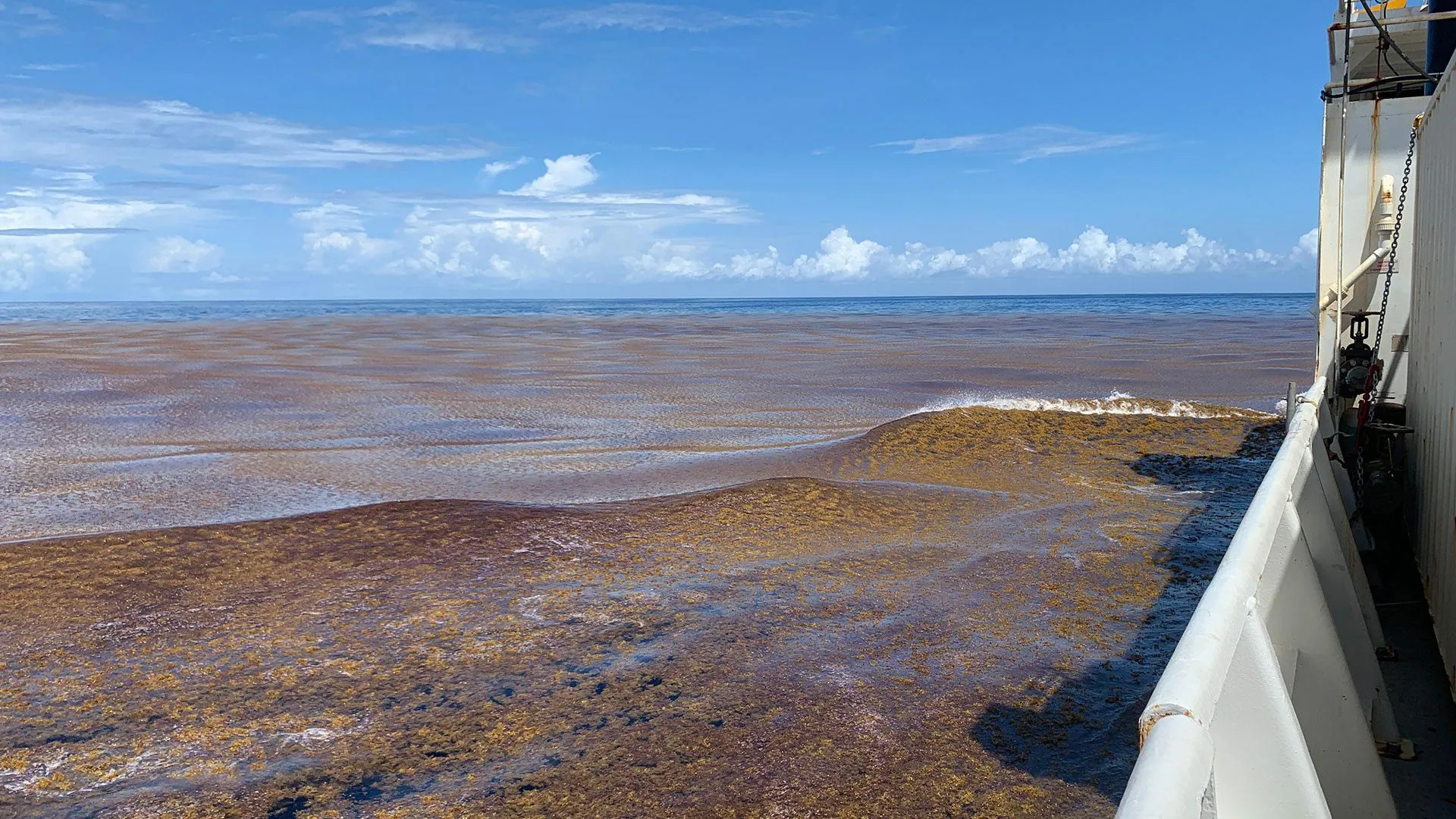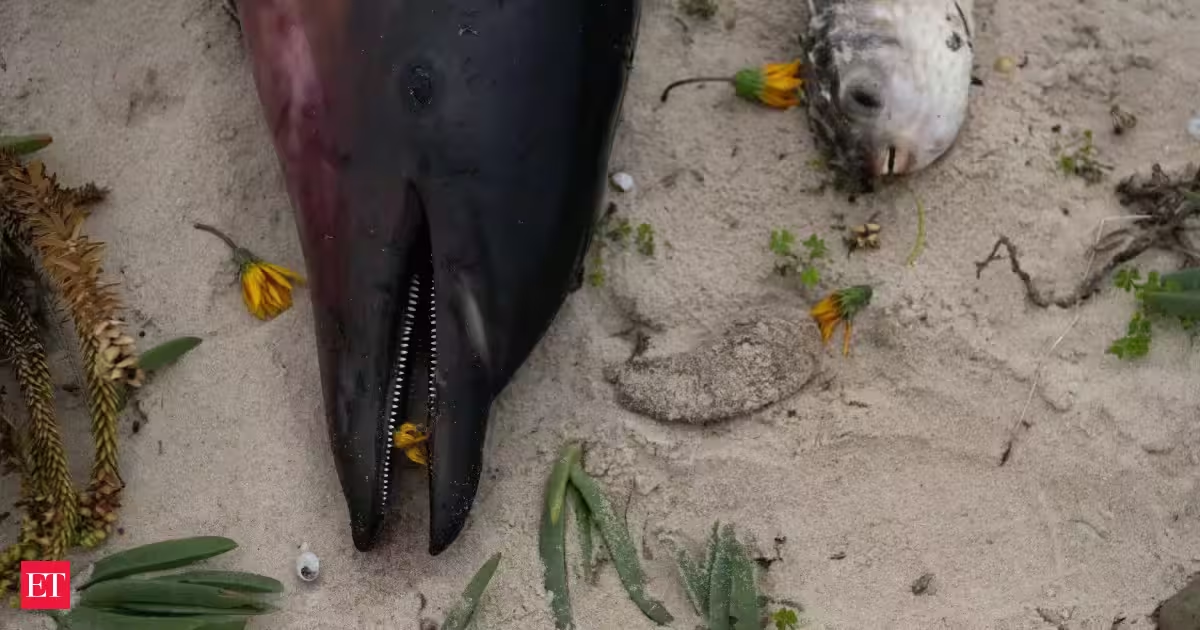
SynopsisIn 2025 and 2026, South Australia faced a troubling harmful algal bloom, resulting in unprecedented dolphin fatalities— the highest in more than 10 years. Citizen scientists played a pivotal role by documenting over 123,000 observations of marine life. Moreover, those visiting beaches experienced respiratory issues and eye irritation due to the sea spray during this alarming ecological event.Global DeskSouth Australia's prolonged harmful algal bloom has coincided with the highest number of dolphin deaths recorded in more than a decade, according to long-term monitoring data.At least 70 common and bottlenose dolphin carcasses were found along South Australia's coastline in 2025, while another 20 deaths have been reported in 2026, including the recent loss of Zoom, a well-known Port River dolphin.Marine deaths climb as bloom spreadsCitizen scientists have been recording the unfolding event through an iNaturalist project tracking marine mortality across the state. According to the database, more than 123,115 observations involving 828 species have been logged since January 2025, highlighting the scale of the ecological impact. Among the affected animals were common and bottlenose dolphins, with several carcasses washing ashore during the bloom.The bloom itself expanded across more than 4,400 square kilometers, according to the Australian Museum, making it one of the largest harmful algal outbreaks documented in the region.Beachgoers also reported health symptomsThe environmental crisis has not only affected marine life. During the bloom, surfers and other beachgoers reported experiencing coughs, sore throats, and burning eyes after breathing sea spray along affected coastlines.The Australian Museum identified the organism responsible as an alga belonging to the scientific genus Karenia, a group previously linked to major fish kills in New Zealand and respiratory irritation in humans. A study published in the New Zealand Journal of Marine and Freshwater Research also documented fish mortality and respiratory effects associated with Karenia species.Speaking to the Australian Museum in 2025, South Australian Environment Minister Susan Close described the widespread damage caused beneath the surface."Although not toxic to humans, it is toxic to anything with gills and anything that seeks to breathe underwater, and we have seen just the beginnings of the extent of the devastation that's occurred under the sea," she said.Why harmful algal blooms become dangerousMarine algae are a natural part of ocean ecosystems. As microscopic phytoplankton, they form the foundation of marine food webs by supporting tiny zooplankton, which in turn sustain larger animals.One study published in Continental Shelf Research found that plankton along Australia's coastline supports zooplankton populations that ultimately nourish large numbers of blue whales.Marine algae also play a vital role in Earth's atmosphere. According to the National Oceanic and Atmospheric Administration (NOAA), marine algae convert carbon dioxide into oxygen and are responsible for producing roughly half of the oxygen in the atmosphere. Problems arise, however, when algae multiply rapidly and form harmful algal blooms (HABs).These blooms can block sunlight from reaching underwater plants while consuming oxygen as they grow and decompose, creating conditions that threaten marine life.Read More News on
Why are so many dolphins washing up on South Australian beaches? Long-term data point to a devastating algal bloom
In 2025 and 2026, South Australia faced a troubling harmful algal bloom, resulting in unprecedented dolphin fatalities— the highest in more than 10 years. Citizen scientists played a pivotal role by documenting over 123,000 observations of marine life. Moreover, those visiting beaches experienced respiratory issues and eye irritation due to the sea spray during this alarming ecological event.
489 words~2 min read