The world's oceans may appear calm from space, but beneath the surface, an intricate web of fast-moving currents drives Earth's climate. Now, a new study led by Tel Aviv University has unveiled a breakthrough that allows scientists to observe these hidden motions with unprecedented clarity.
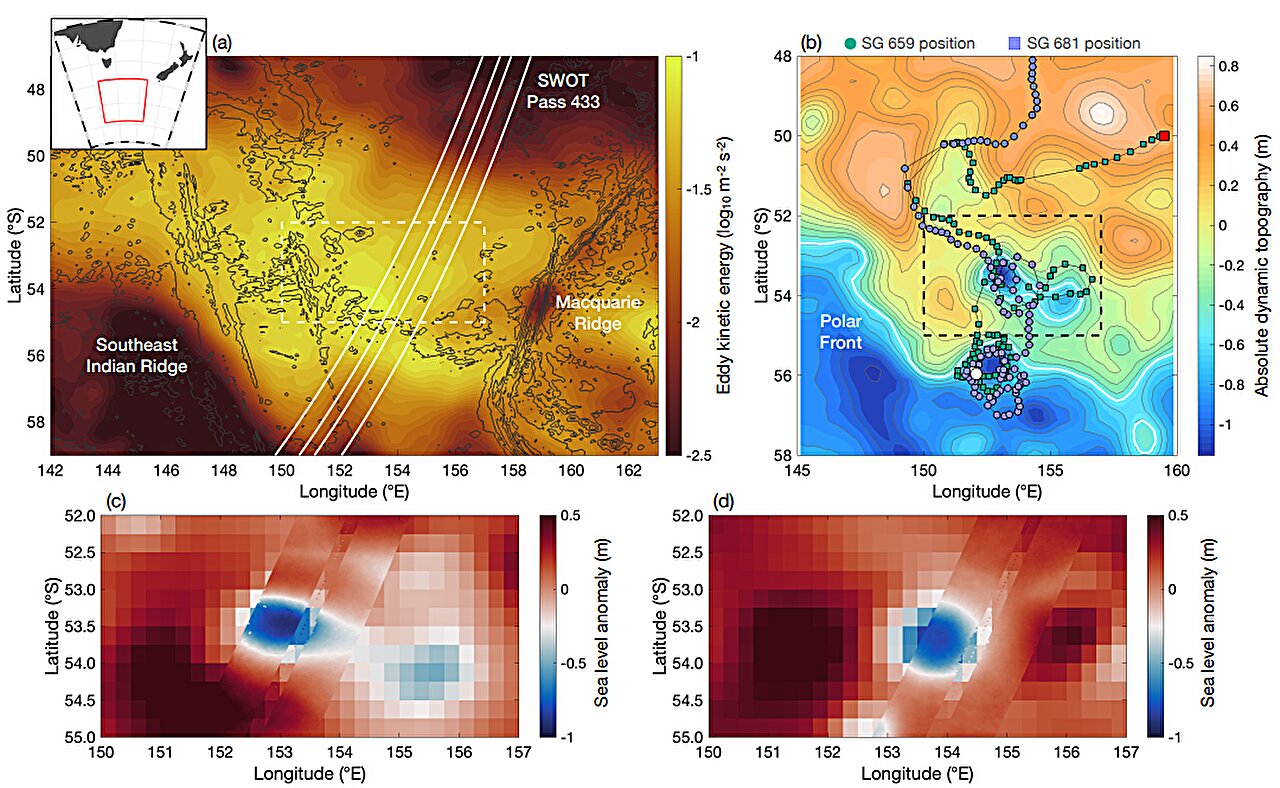
The researchers developed GOFLOW, an artificial intelligence-powered system that can reconstruct high-resolution ocean current patterns directly from satellite images. The technology provides scientists with an entirely new way to study the small-scale ocean dynamics that influence weather, climate change and the exchange of heat and gases between the ocean and atmosphere.
The study was led by Roy Barkan, a professor, physical oceanographer and fluid dynamics expert in Tel Aviv University's Department of Geophysics at the Faculty of Exact Sciences. The research was conducted in collaboration with scientists from the Scripps Institution of Oceanography, UCLA and the University of Rhode Island, and published in Nature Geoscience.
A new window into the ocean
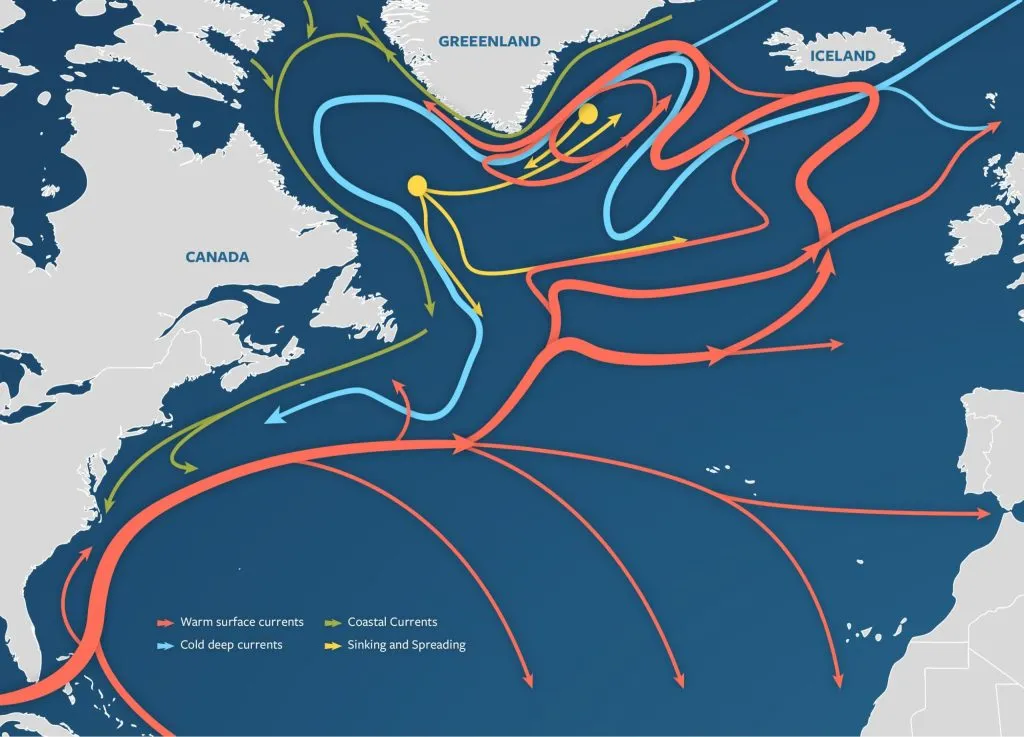
Covering more than 70% of Earth's surface, the oceans are the planet's largest climate regulator. Powerful currents such as the Gulf Stream transport enormous amounts of heat, carbon and energy across the globe. Yet many of the most important processes occur at scales of just a few dozen kilometers or less, making them virtually invisible to existing satellite observation techniques.