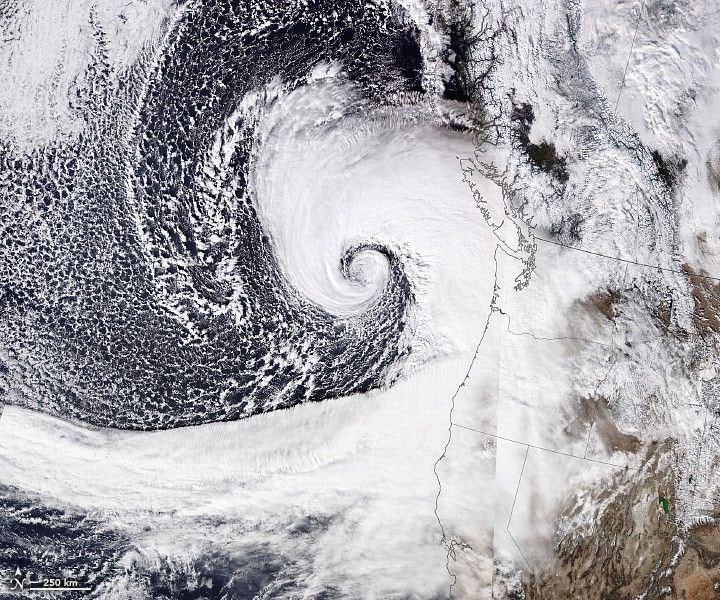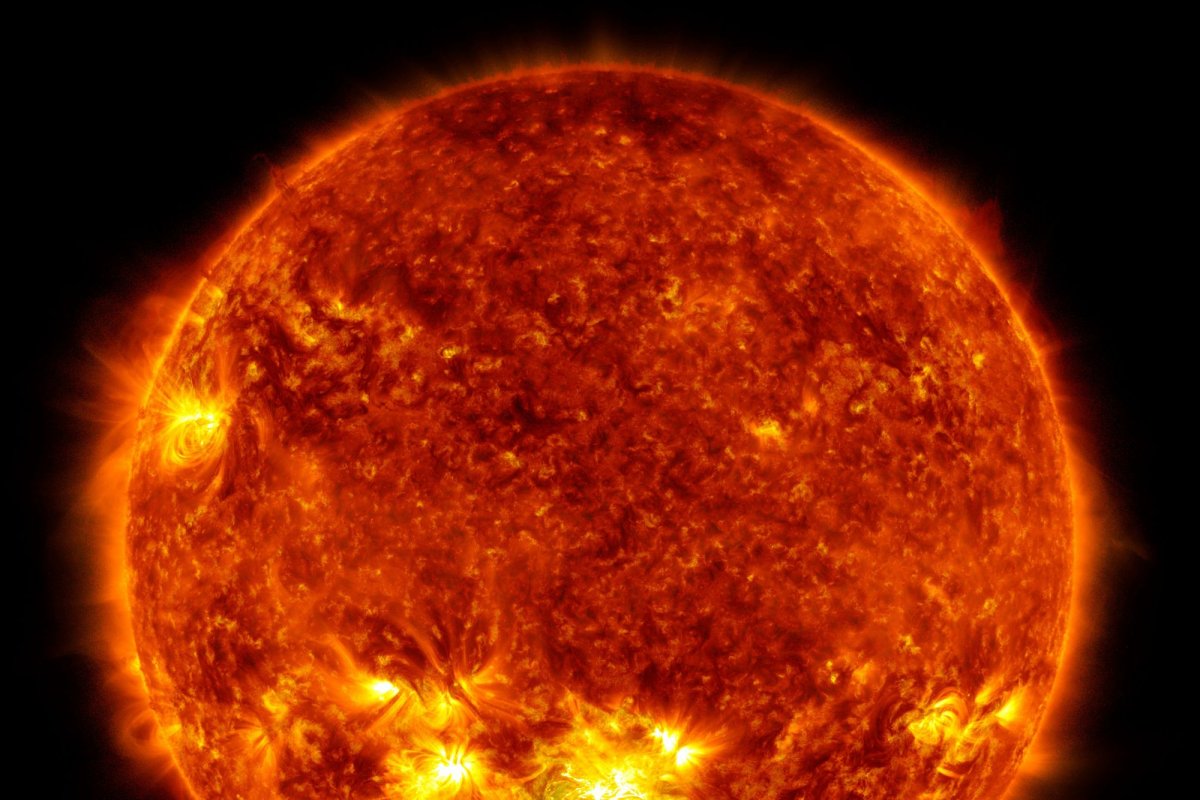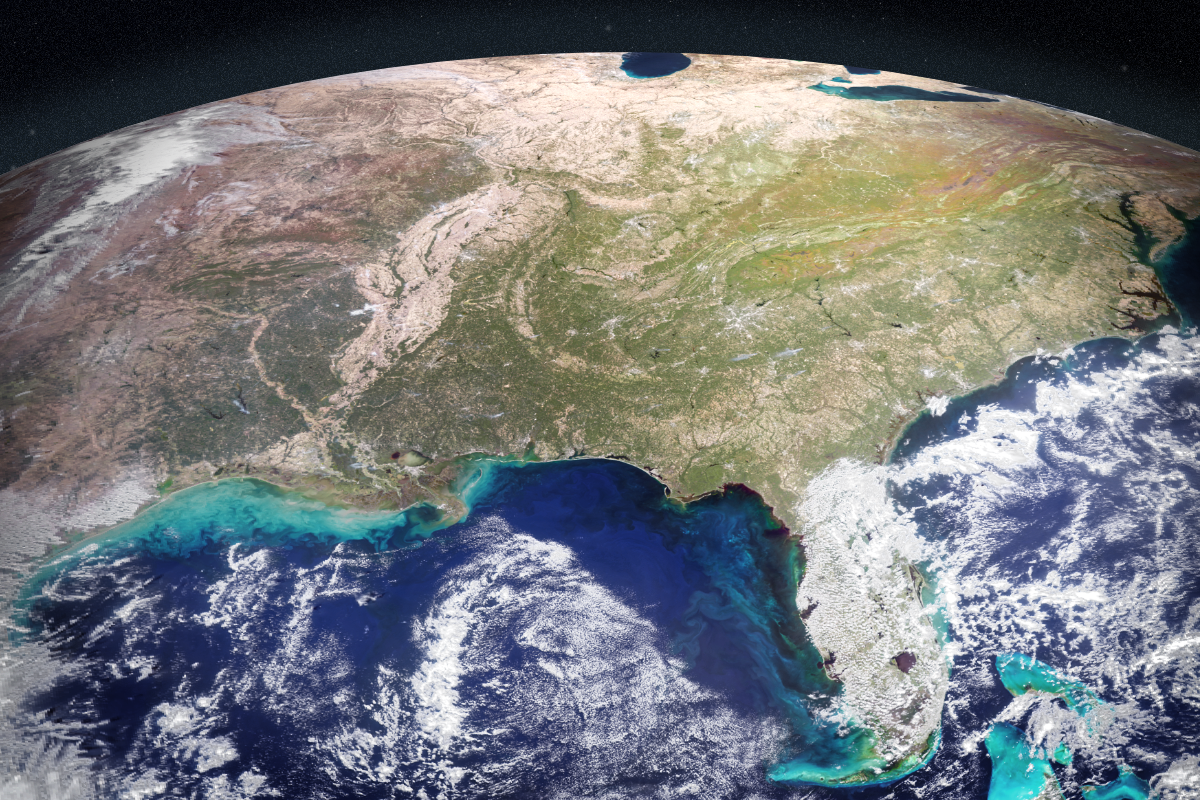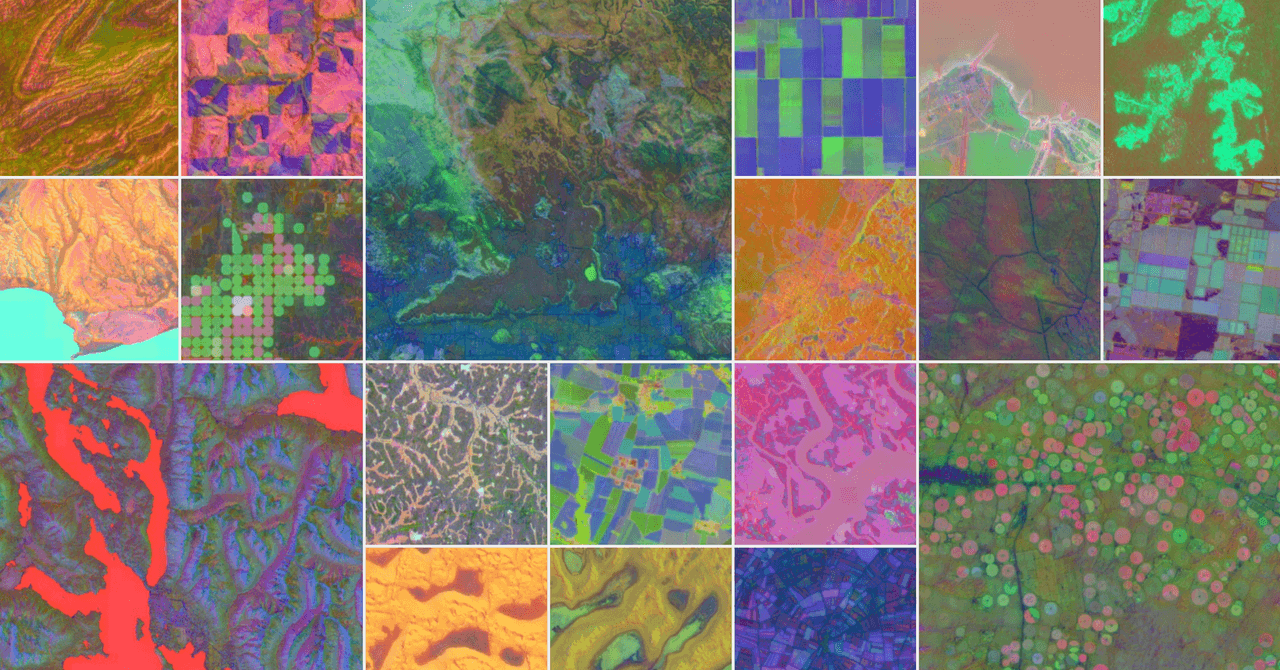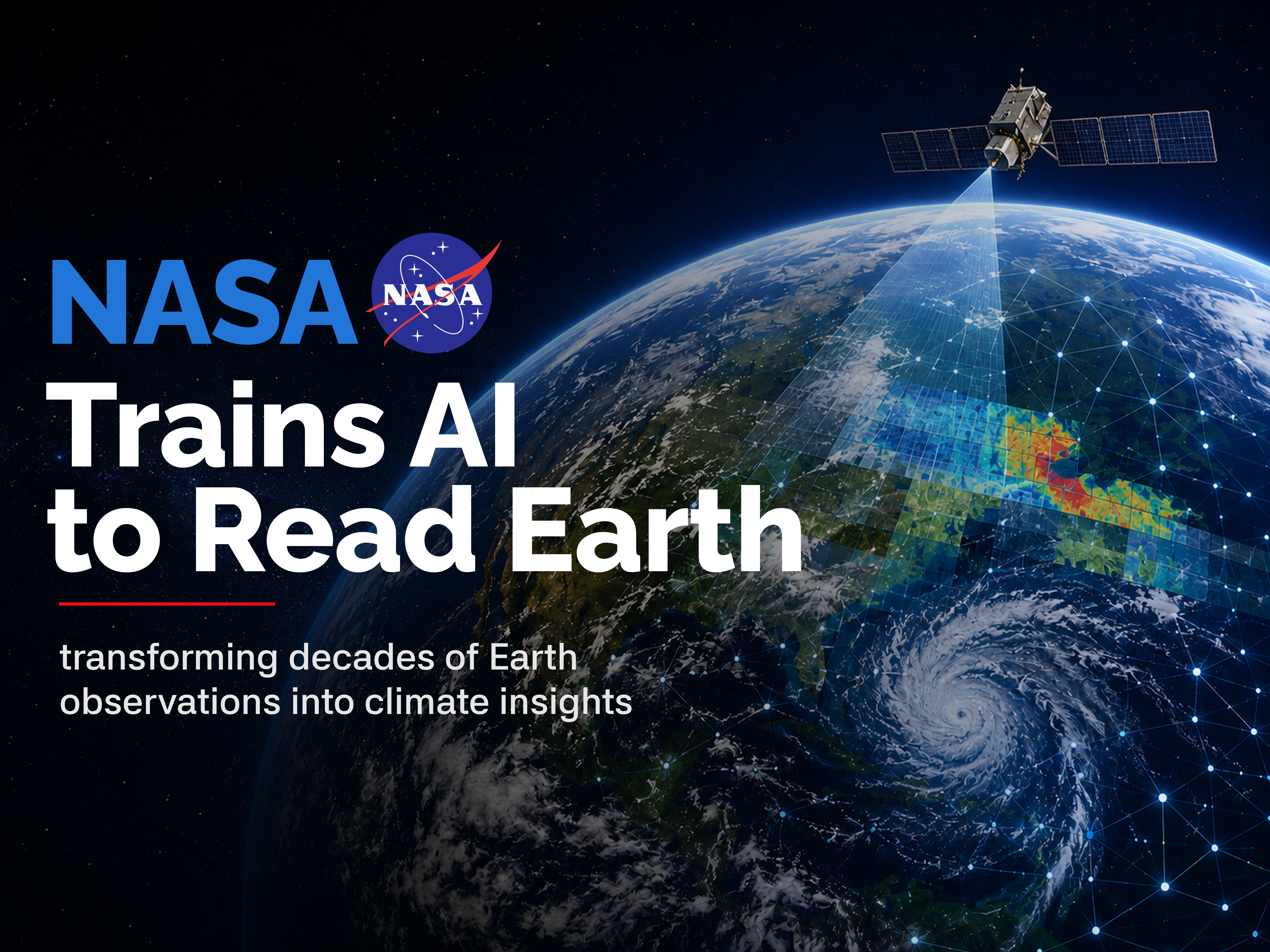
As climate data grows faster than humans can analyse it, NASA aims to use artificial intelligence to help transform decades worth of Earth observations into insights that could help shape the future of our planet. Everyday, satellites orbiting Earth collect an extraordinary amount of data, which includes images of forests, oceans, glaciers, cities, farmlands, and the list goes on. Over the years, NASA has collected enough observation data, becoming one of the largest collections of Earth science information in the world, with billions of records that can help scientists understand how the planet is changing as days progress. Now, the US space agency believes that the integration of artificial intelligence could be what helps unleash the full potential of that data. Through its evolving AI strategy, its objective is to explore how artificial intelligence, machine learning and predictive analytics work together with climate monitoring and earth observation data to enhance scientific discovery, strengthen research and broaden our understanding of the obstacles faced by the planet. NASA is not just integrating artificial intelligence in its workflow, rather is working to build an intelligent scientific layer which processes vast volumes of Earth data, so that they can identify meaningful patterns to help researchers uncover insights that would have usually taken years to find.The space agency’s AI strategy is far beyond automations, and is more so about understanding the world with greater clarity and time efficiency. For years, gathering information and extracting valuable data from it remained the greatest challenge put in front of scientific research. With AI’s increasing prominence in workflows this obstacle remains tackled. Automation offers the ability to examine large datasets, interpreting it, identifying patterns and connecting related information, allowing scientists to concentrate on discoveries that matter most. Their AI strategy involves training AI systems using years of satellite imagery and Earth observation records. Rather than developing a stack of various AI tools for every scientific challenge, the agency is creating AI models that are capable of learning broad patterns about how Earth functions. Once trained, these systems can assist the scientists and equip them with more powerful tools that shall enable them to work at a much faster pace and in a much more efficient manner. Climate change remains one of the most complex scientific challenges in this era and understanding that requires monitoring countless variables across the oceans, forests, ice sheets, weather systems and human activity. These changes occur over vast geographies and over many years, making it particularly well-suited for AI to analyse. AI can analyse years of environmental information far more quickly than traditional methods, being able to identify unusual trends, reveal relationships between different factors and help researchers test ideas with greater speed and accuracy. These capabilities do not directly translate to AI possessing all the answers, instead, it allows the scientists to spend less time searching for information and more on interpreting what that information means. This change alone accelerates research at a moment when understanding environmental change has become urgent. In this model, human expertise maintains its place at the centre. Scientists still ask the questions, interpret the findings and make the final decisions, while AI and Machine Learning only help navigate information that has become too vast and complex for individuals or teams to manage alone. By combining AI with decades of Earth observations, NASA hopes to speed up discoveries, strengthen climate research and deepen our understanding of the planet. As more organisations look for meaningful ways to adopt AI, this may prove to be one of technology's most valuable roles, which is, to help people understand more, rather than do less.Also read: ISRO-NASA launch NISAR to scan earth's surface twice every 12 daysDisclaimer Statement: This content is authored by a 3rd party. The views expressed here are that of the respective authors/ entities and do not represent the views of Economic Times (ET). ET does not guarantee, vouch for or endorse any of its contents nor is responsible for them in any manner whatsoever. Please take all steps necessary to ascertain that any information and content provided is correct, updated, and verified. ET hereby disclaims any and all warranties, express or implied, relating to the report and any content therein.
NASA Trains AI on Billions of Earth Observations to Accelerate Climate Research
NASA is using artificial intelligence and machine learning to analyse billions of Earth observation records, helping scientists accelerate climate research, improve environmental monitoring, uncover hidden patterns, and transform satellite data into actionable scientific insights.
699 words~3 min read