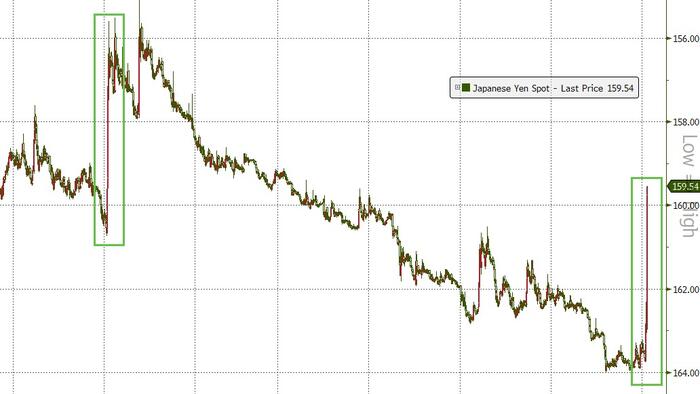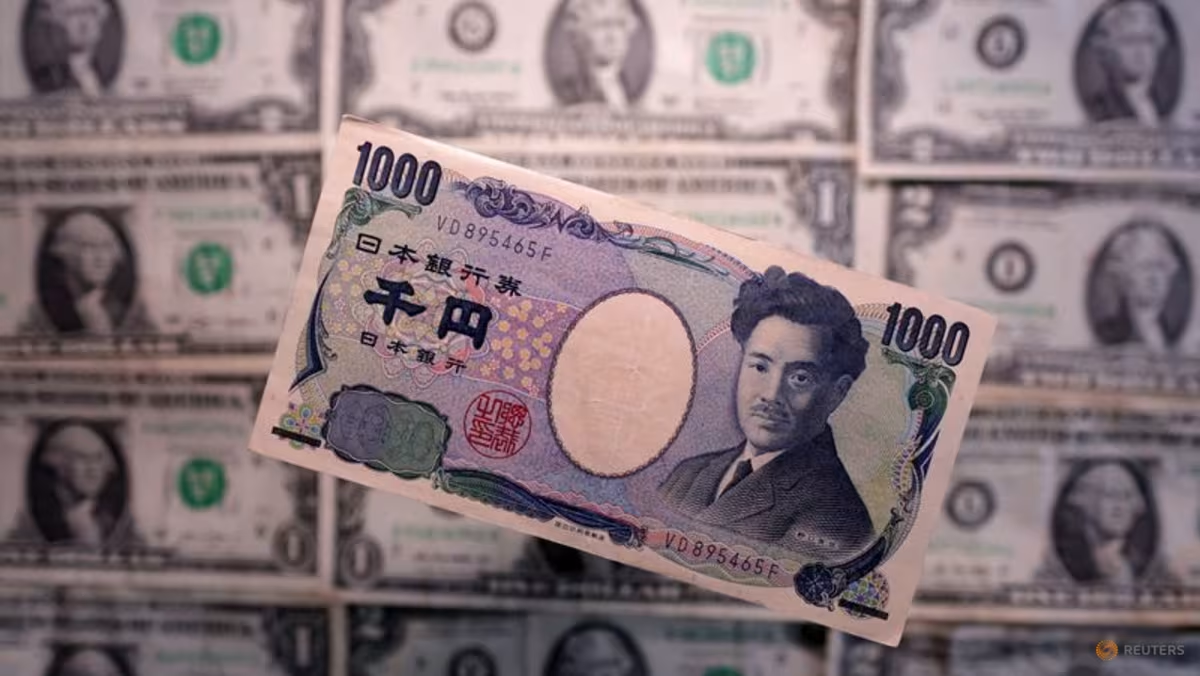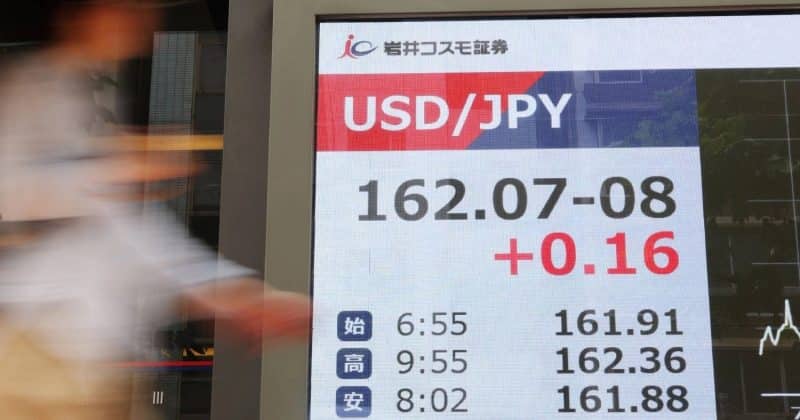
Japan just reminded currency traders that it’s still willing to throw punches. On July 30, the Ministry of Finance and the Bank of Japan stepped into New York trading sessions and bought yen aggressively enough to send the currency surging 3.3% against the dollar in a single session.
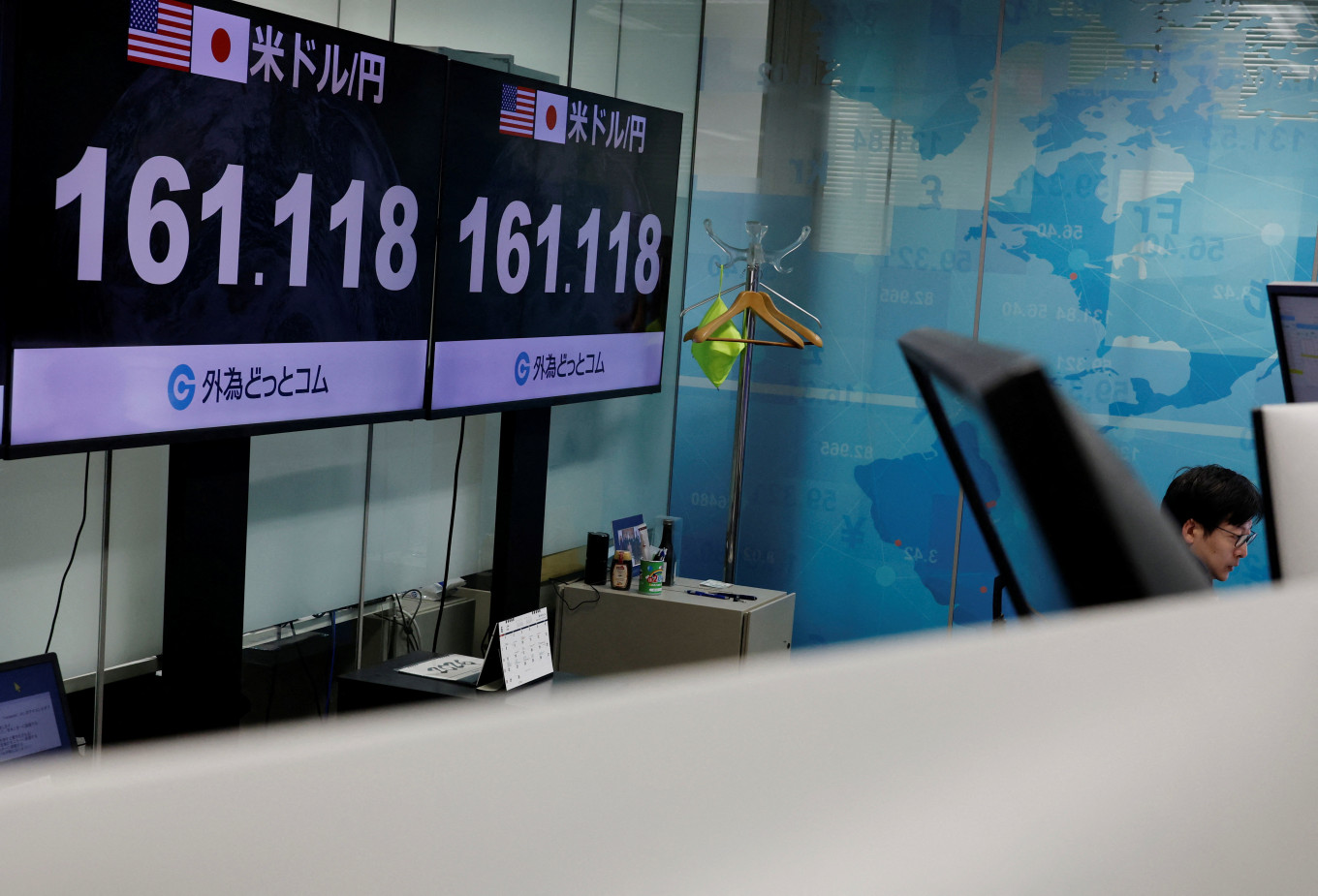
The move briefly dragged USD/JPY from the 160-164 range down to roughly 157-158. Sharp, dramatic, and, if history is any guide, potentially temporary.
The carry trade problem
Here’s the thing about the yen right now. It had been sitting at 40-year lows before the intervention, and the reason is straightforward: money flows toward higher yields. Japan’s policy rate sits at 1%. The Fed’s rate is around 3.75%. That gap makes borrowing in yen and parking the proceeds in dollar-denominated assets one of the most popular trades on the planet.
This is the carry trade, and it’s been running hot. CFTC data showed speculative net short positions on the yen had climbed to near all-time highs before Japan decided to step in. In plain English: an enormous number of traders were betting the yen would keep falling, and they were borrowing yen to fund those bets.