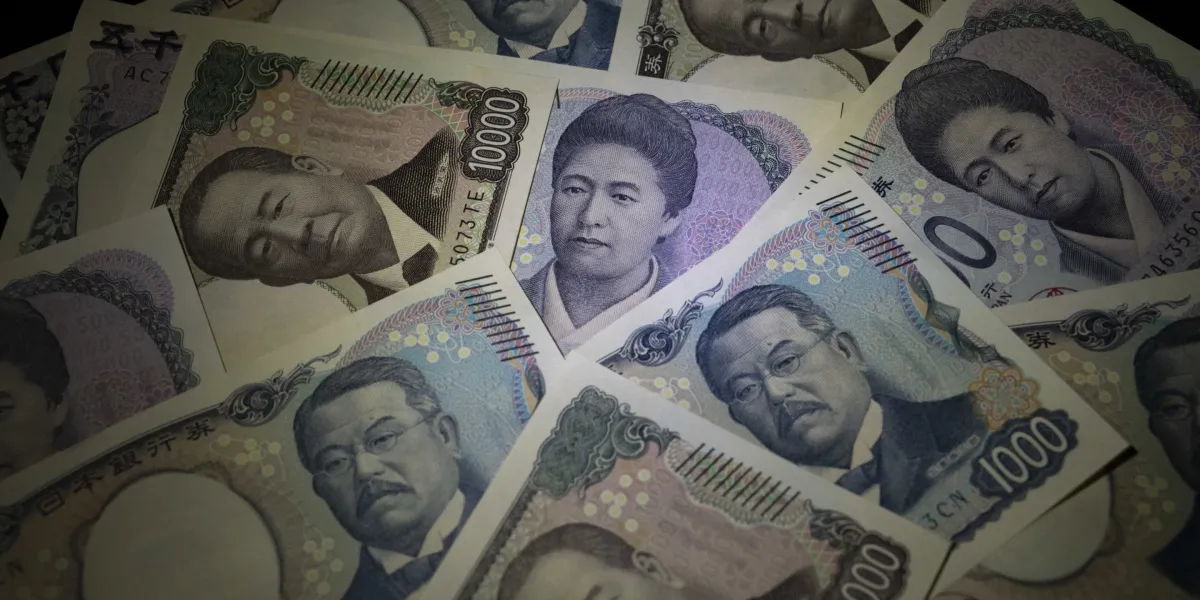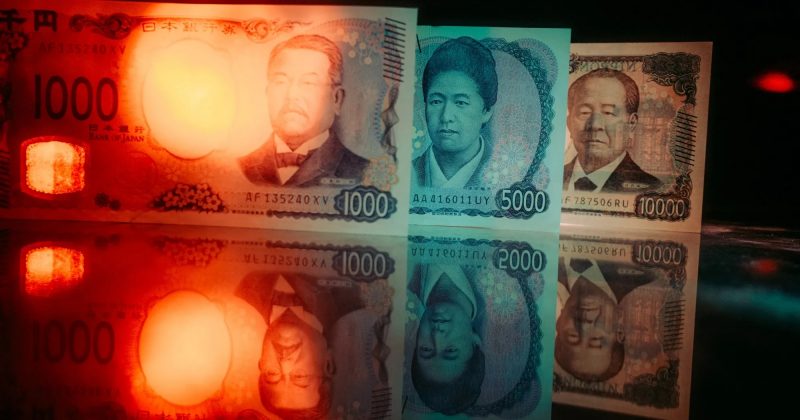
Japan just spent a record $73 billion trying to prop up the yen. The yen’s response? A polite shrug and continued free-fall toward 40-year lows.
Rocky Swift, Reuters’ chief correspondent for Japan markets, laid out the grim math on the July 8 episode of the Reuters Econ World podcast. Despite an 11.7 trillion yen intervention blitz in late April and early May 2026, the currency is still trading around 161-162 per dollar. That’s barely a stone’s throw from the 161.8 level it hit in mid-June, its weakest since July 2024 and approaching territory not seen since 1986.
Treating symptoms, not the disease
Swift pointed out that Japan’s repeated attempts to stabilize the yen have simply not worked. Analysts argue the interventions fail to address root causes, namely Japan’s enormous national debt burden and the yawning interest-rate differential between Japan and the US.
The $73 billion spent in April and May represents the largest single intervention round Japan has ever deployed. The fact that it produced essentially no lasting effect tells you everything about the scale of the underlying problem.