By Ayodele Akinola
Nigeria’s food challenge is often discussed mainly in terms of quantity: how many tonnes of grain are harvested, how much food reaches the market and whether farmers can produce enough for a growing population. But food security is more than filling markets or stomachs. It also concerns the nutritional value, quality, affordability and reliability of the food people eat. That wider understanding of food security sits at the centre of the work of Prince Peter Umeh, a Nigerian plant breeder and Ph.D. researcher in Horticultural Science at North Carolina State University’s Plants for Human Health Institute and Blueberry Genetics and Genomics Laboratory in the United States.
Umeh’s career has moved from maize research under poor-soil conditions to commercial seed development in Nigeria and, more recently, to the genetics and nutritional quality of blueberry fruit. Although maize and blueberry appear to belong to different agricultural worlds, his research connects them through one question: how can the genetic diversity within crops be used to develop plants that perform better for farmers and deliver greater value to consumers?
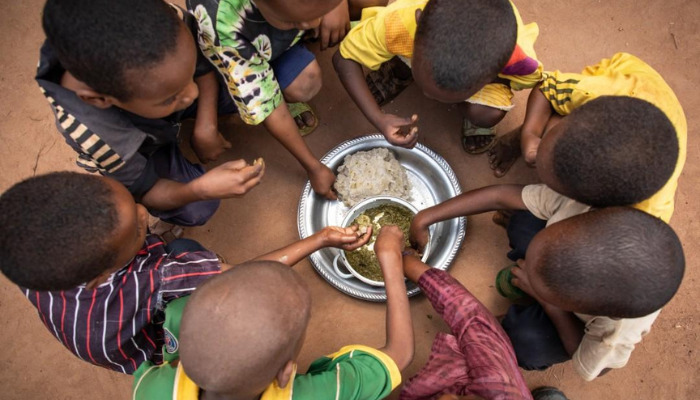
That question has become increasingly important for Nigeria. The World Food Programme reports that 5.8 million people are facing severe food insecurity in the country in 2026. The nutrition problem is equally serious. A recent Integrated Food Security Phase Classification analysis projects that nearly 6.4 million children aged six to 59 months in parts of Northern Nigeria will experience acute malnutrition through September 2026, including about two million cases of severe acute malnutrition.