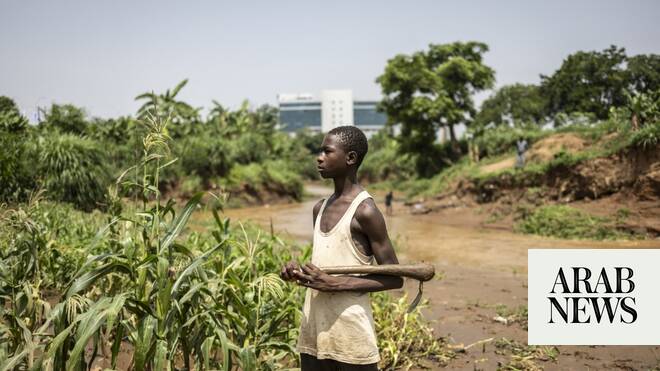
For years, insecurity has cast a long shadow over governance in Nigeria, particularly across the northern states. Banditry, insurgency and communal conflicts have not only claimed lives and displaced communities, they have also crippled farming, disrupted rural economies and threatened the nation’s food supply. Vast stretches of fertile farmland have been abandoned, farming communities have lived in fear, and food inflation has become an inevitable consequence of shrinking agricultural output.
These realities are undeniable. Yet, even amid insecurity, governance cannot be suspended. The primary responsibility of government remains the welfare and prosperity of the people. Security may be indispensable for now, but so too should be the ability of citizens to cultivate their land, earn a livelihood and feed their families. In truth, food security is itself a pillar of national security. A hungry society is more vulnerable to instability than one whose people have opportunities to work and prosper.
Against this backdrop, Kaduna State is attempting to chart a different course. While the state has endured years of violent conflict that diminished its reputation and weakened its agricultural strength, Governor Uba Sani appears determined to shift the narrative. Even while actively participating in national politics, his administration has consistently projected agriculture as a strategic priority rather than a ceremonial slogan. That deserves acknowledgement.