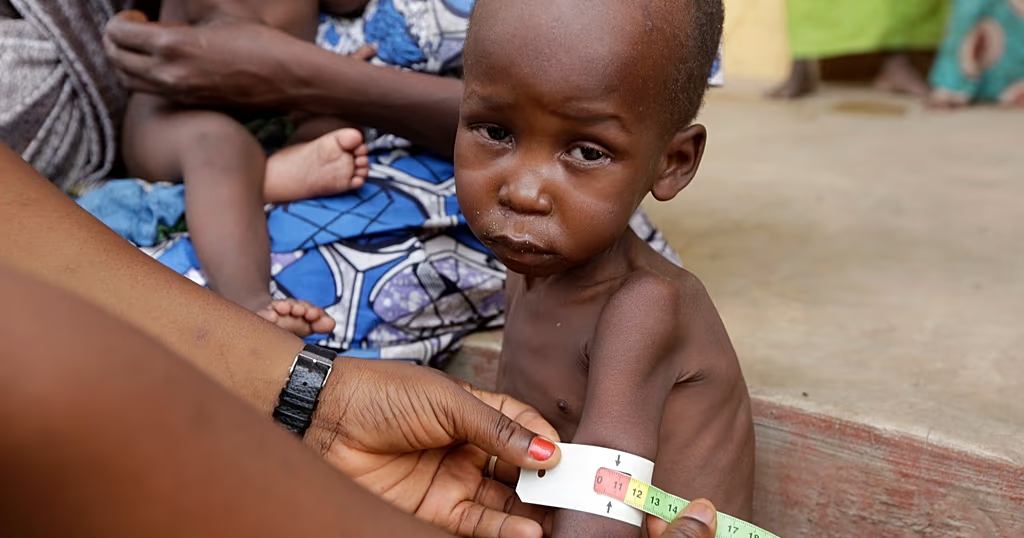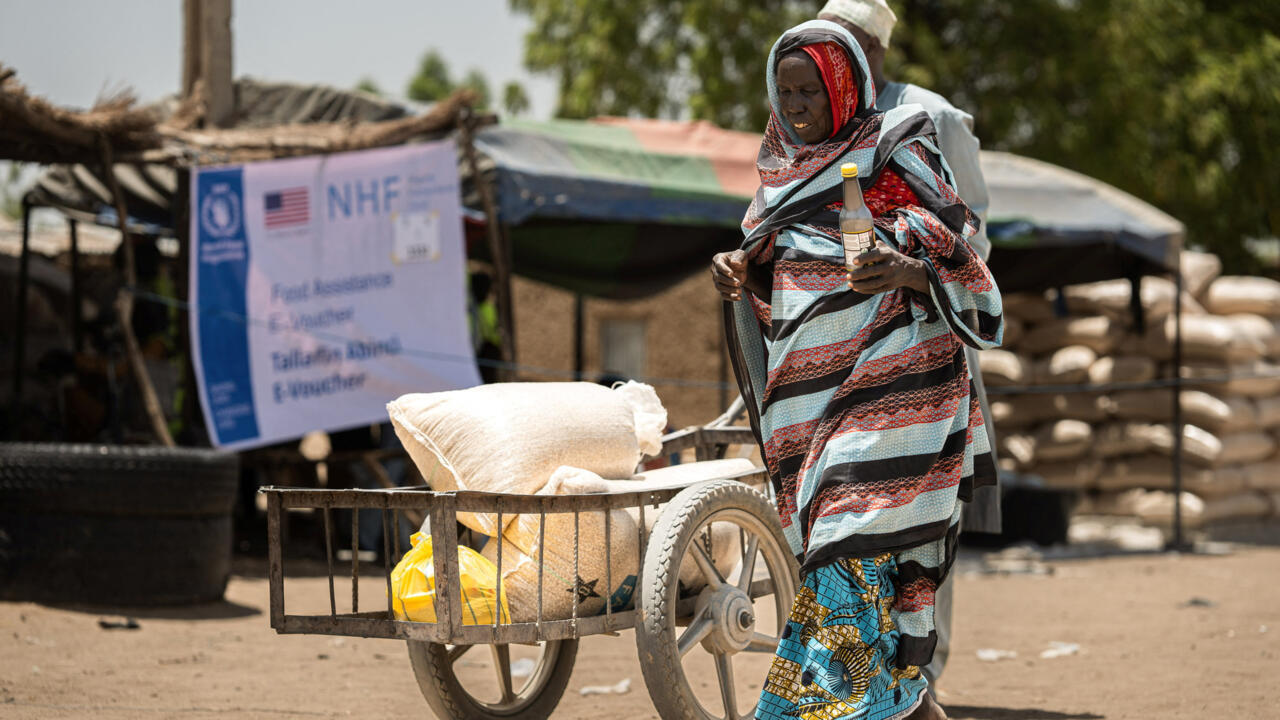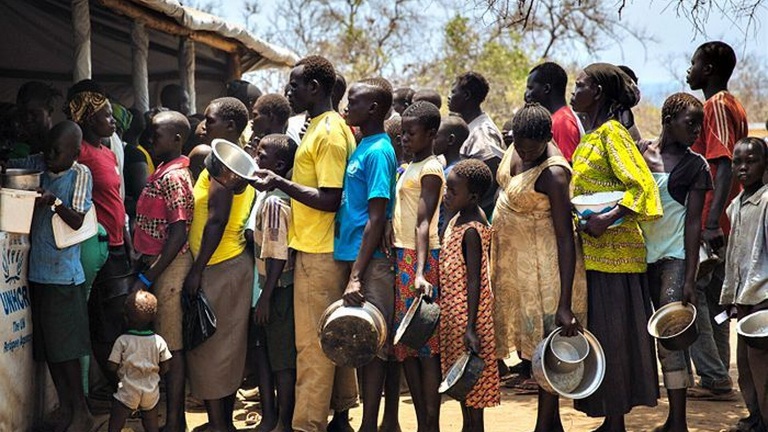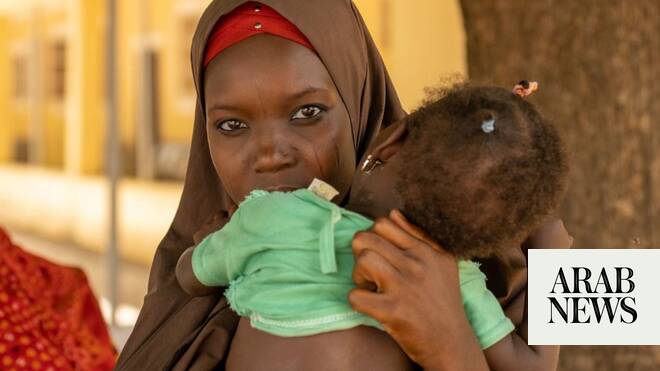
Northern Nigeria is facing a food security crisis that is worsening faster than previously anticipated, as conflict and shrinking aid drive hunger to levels not seen in almost a decade, the United Nations World Food Programme warned on Thursday.
The agency stated that a recently completed Cadre Harmonisé analysis showed that more than 17 million people across nine conflict-affected states, especially in the northeast, are experiencing crisis, emergency, or catastrophic levels of hunger, an increase of almost two million since the last projections.
According to the UN agency, in Borno state, where insurgent attacks have become increasingly frequent and food assistance has been cut, more than three million people are acutely food insecure. Of these, more than 750,000 people are in severe hunger conditions, and over 10,000 people are facing catastrophic hunger.
While those in catastrophic hunger represent a small share of Borno’s overall food-insecure population, the UN agency noted that it provides a stark warning that conflict, displacement and shrinking humanitarian assistance are pushing the crisis into more dangerous territory.
“What concerns us most is how this crisis is expanding. For years, insurgent attacks and violence were largely concentrated in parts of northeast Nigeria. Today, they are spreading across a much wider area and forcing people from farmland, driving displacement and restricting humanitarian access, meaning hunger is quick to follow”, Kinday Samba, WFP Regional Director for West and Central Africa, said.