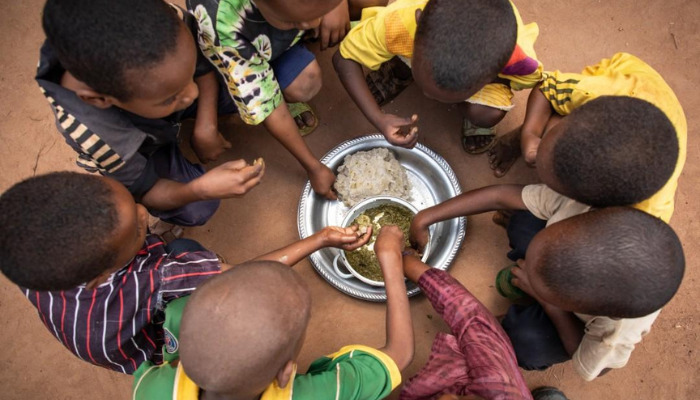
For many households across Nigeria, the current socioeconomic realities bite harder than ever imagined. Many Nigerians are grappling with a quiet crisis of nutritional strain with millions facing stunting, micronutrient deficiencies, and rising obesity.
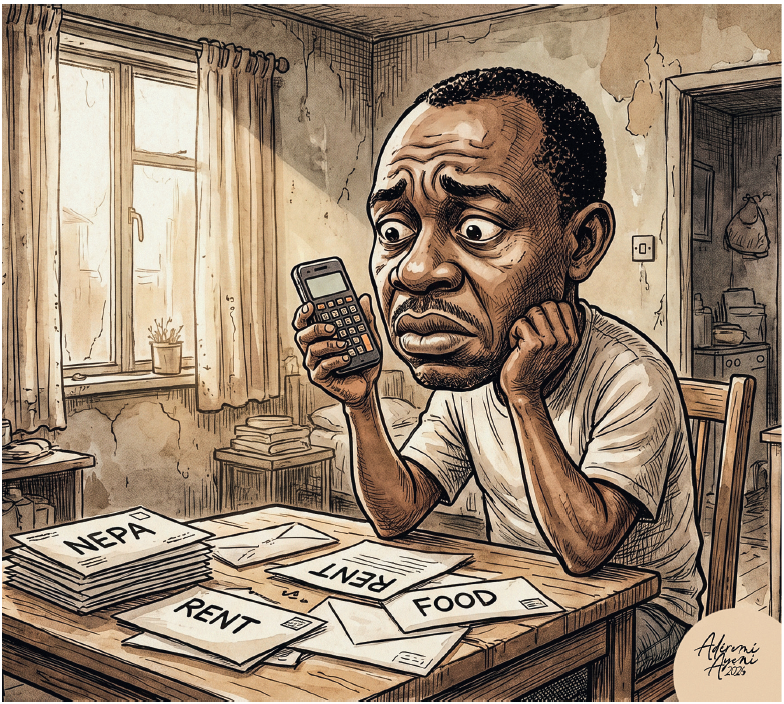
This is so because the government’s economic reforms have cut if not eliminated their sources of livelihood to a level now referred to as multi-dimensional poverty by the World Bank and other development agencies.
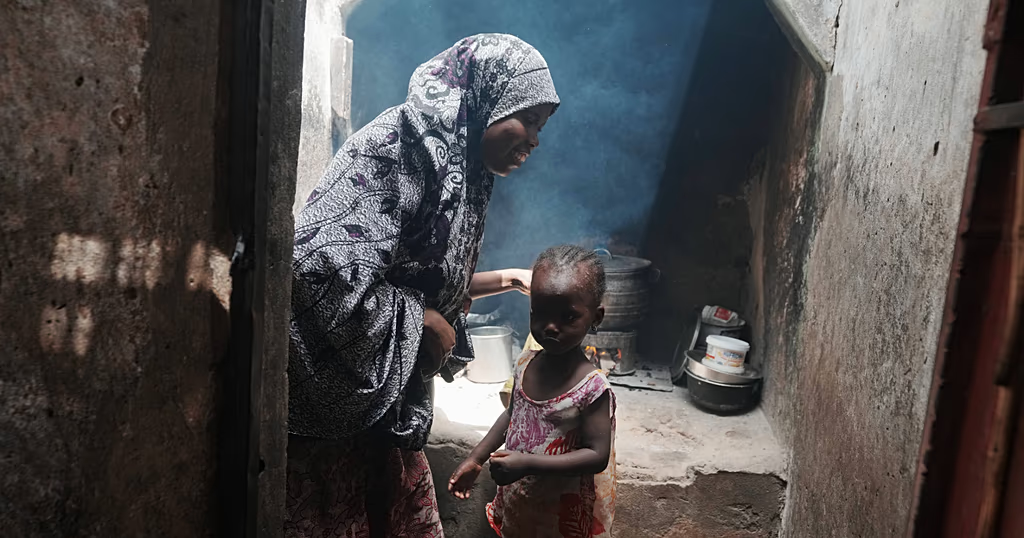
On the back of this, many go to bed with empty stomachs, while some struggle to get nutritious food – where available because it is expensive and inaccessible, thereby threatening the health, learning, and productivity of the country’s youthful population.
Children underperform in class, adults miss work, and healthcare costs climb out of reach for the average working-class Nigerians. Fixing the country’s nutritional strain means looking beyond food aid to stronger food systems, affordable nutrition, and better education on healthy living.
According to the Global nutrition report tagged, ‘The burden of malnutrition at a glance,’ Nigeria is ‘on course’ to meet one of the global nutrition targets for which there was sufficient data to assess progress.