By Vivian Obi
For millions of Nigerian women, prevention may be the missing conversation.
This article is adapted from the author’s Master of Public Health capstone research completed at Monroe University, New York.
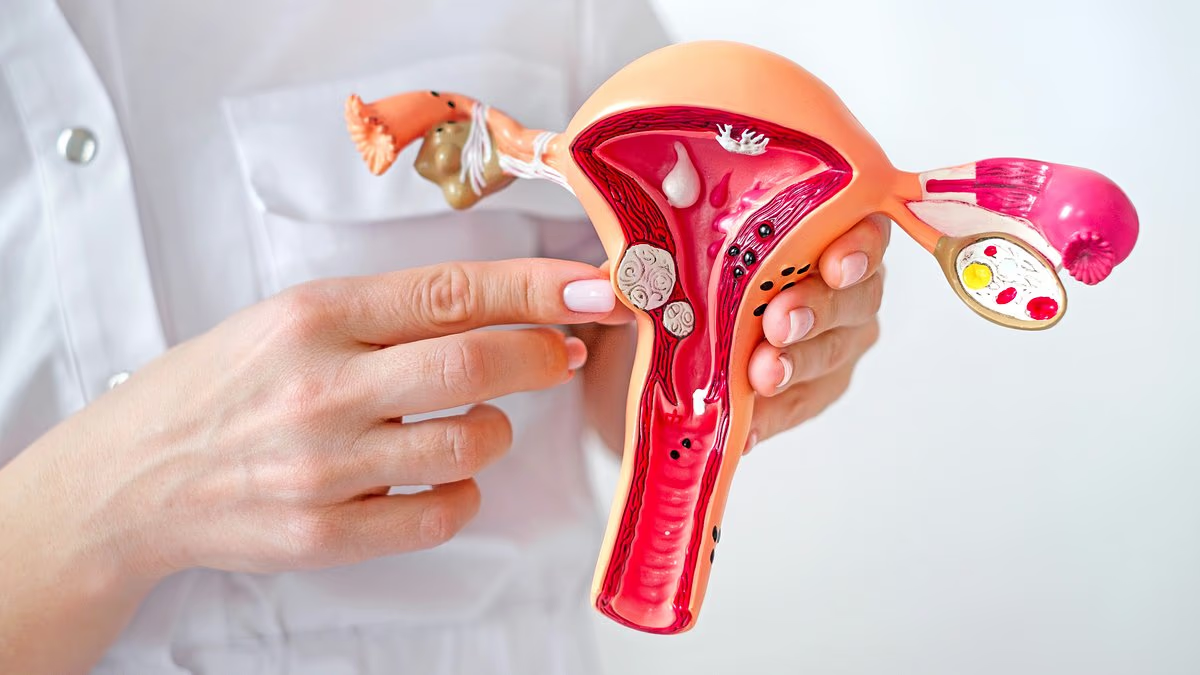
For many Nigerian women, the word fibroid carries more fear than hope. It is a diagnosis often whispered among friends, discussed quietly within families, or discovered unexpectedly after years of enduring painful menstrual periods, heavy bleeding, persistent pelvic pain, or difficulty conceiving. By the time many women seek medical attention, surgery has become the only option presented to them.
Across Nigeria, stories of women postponing weddings, delaying pregnancy, struggling with infertility, or travelling long distances in search of treatment have become increasingly common. Families organise fundraisers for surgery. Religious gatherings hold special prayers for women hoping to conceive after a myomectomy. Some women live with symptoms for years because they believe the pain is “normal,” while others avoid hospitals out of fear that they would be told their womb must be removed.