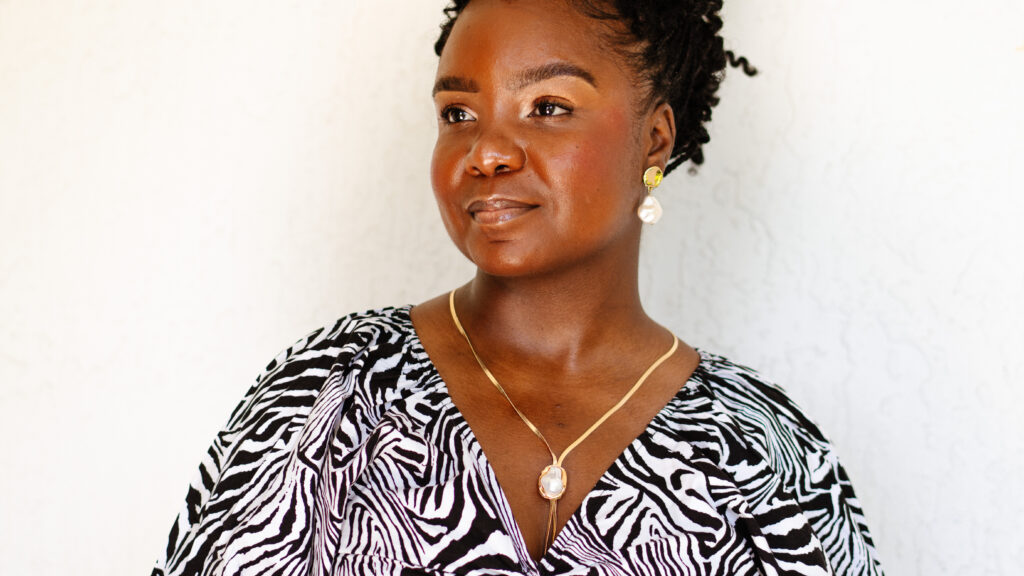
Bontle Moka-Moliki starts and ends every day in pain.
The 32-year-old Atlanta resident was diagnosed with endometriosis in 2019. A year later came fibroids. Then in 2024 she was diagnosed with a condition now called polyendocrine metabolic ovarian syndrome. “If someone is at a zero, my pain is at a three every day, and then it’s only up from there,” she said.
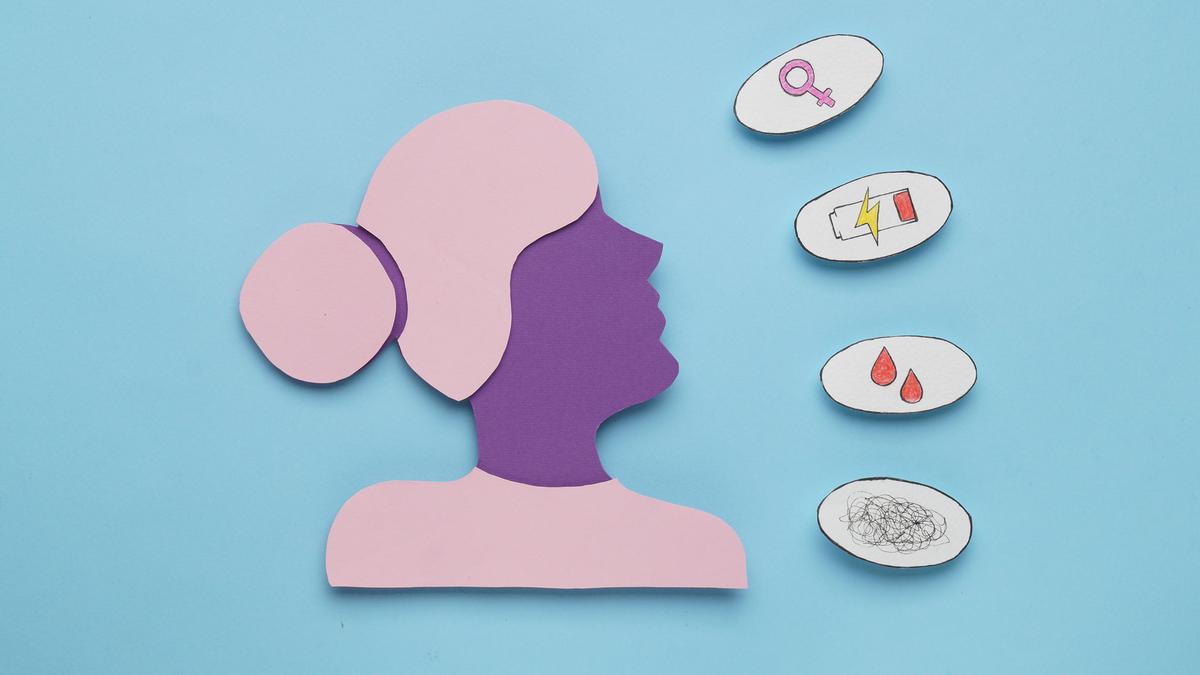
PMOS was known as polycystic ovarian syndrome until about two months ago, when it was renamed to better capture its symptoms and to allow for a possible male form of the syndrome. The hormone health issue typically starts around the time of the first menstrual cycle. Women with the condition commonly experience irregular periods, facial hair, pain, weight gain, and what were assumed to be ovarian cysts. Moka-Moliki said the syndrome also sent her into bouts of depression.
Experts hope the new name will increase recognition and lead to faster diagnosis of the syndrome. Women of color, in particular, experience double the prevalence of PMOS compared to white women, and often go undiagnosed.
Black women are more likely to experience more severe symptoms like hirsutism and hypertension. Hispanic and Latina women experience more severe metabolic complications compared to other populations. Both groups of women experience delayed diagnosis, barriers to access health care, and low rates of health insurance coverage. They also have an increased risk of mood disorders.