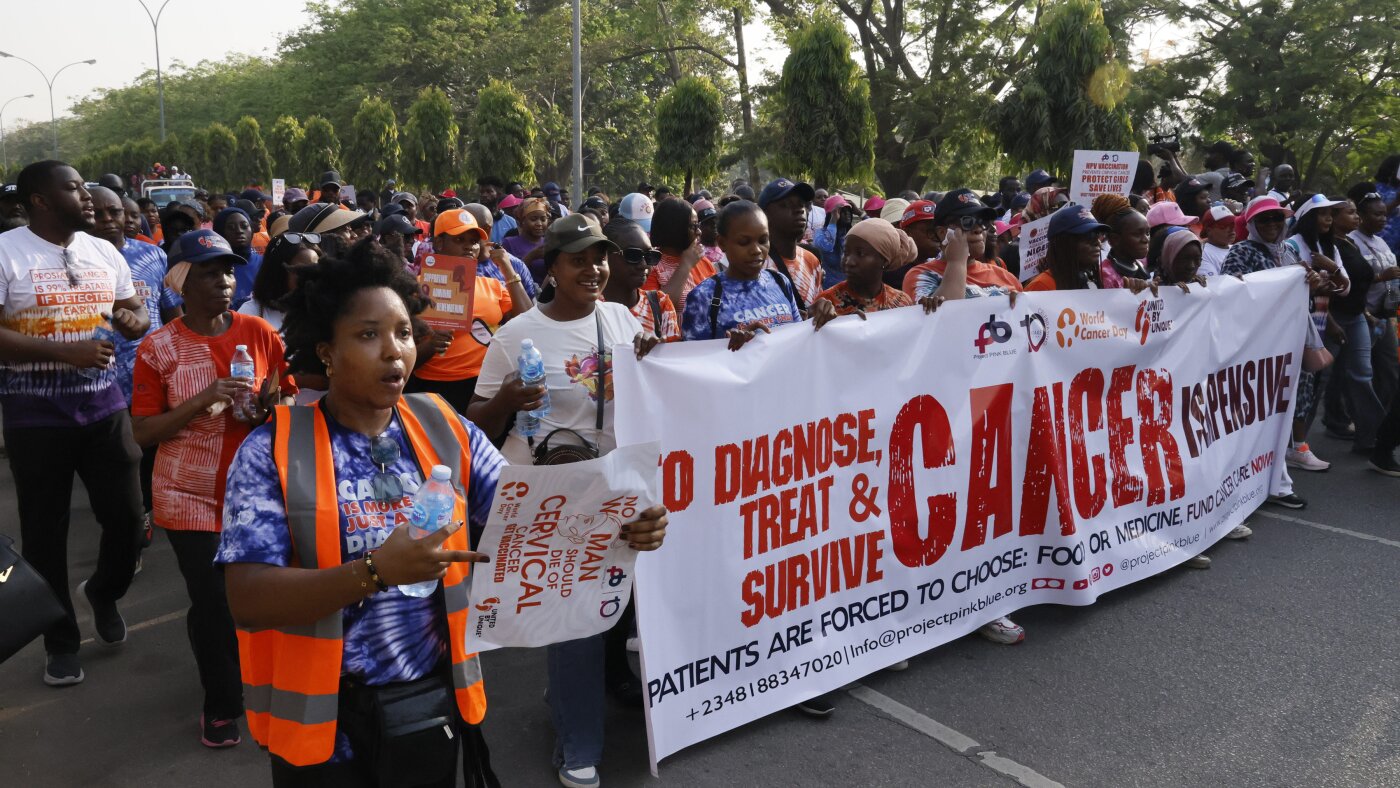
Notable experts working in the sub-specialty that deals with the diagnosis, treatment and further care of patients diagnosed with cancer in Nigeria have recently voiced their concerns about the inadequacy of care that these fellow citizens receive. As a medical student back in the day, the treatment of cancer, tuberculosis and leprosy were free in public hospitals.
However, between the period of my entry into clinical rotations and graduation, free treatment for cancer had stopped and the medications were hard to find. It is accepted that free cancer treatment for all affected citizens is unsustainable, and not even the wealthiest nations on earth are able to promise that to their citizens or provide such care.
There has been no change in the availability of anti-neoplastic drugs, as they are called, in Nigeria. They are expensive, to begin with, way beyond the level of affordable financial commitment by the majority of patients. As a result of the prohibitive cost, many frontline chemotherapy treatments are beyond the purchasing power of most people.
In the end, many patients are condemned to rely on medications discarded by the Europeans, North Americans and the wealthy nations of southeast Asia and Oceania. Sadly, those parts of the world where cutting edge treatments are available are also the nations most able to diagnose cancer early.