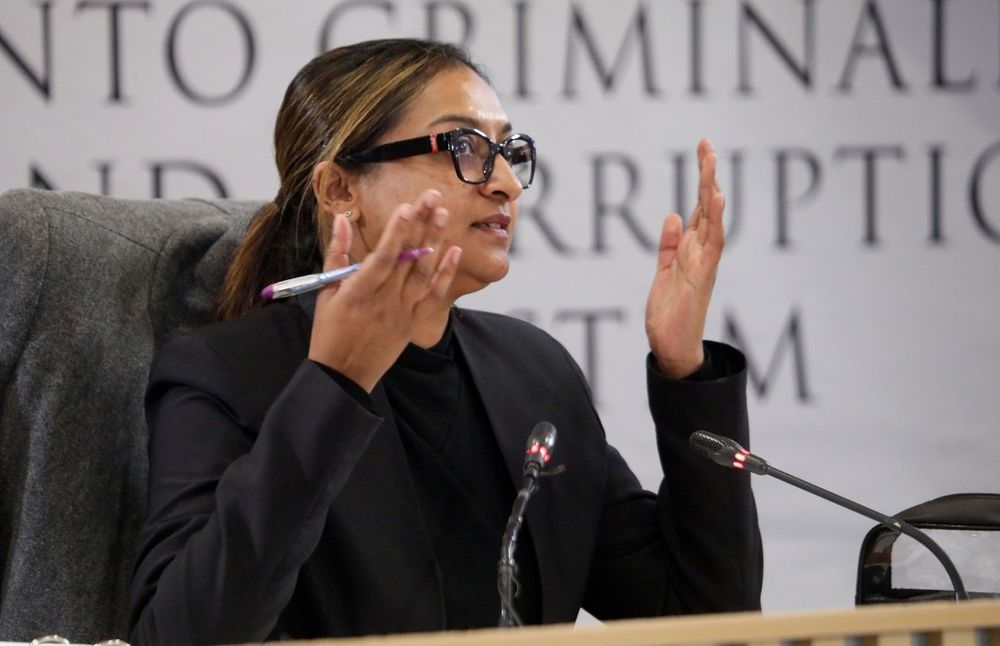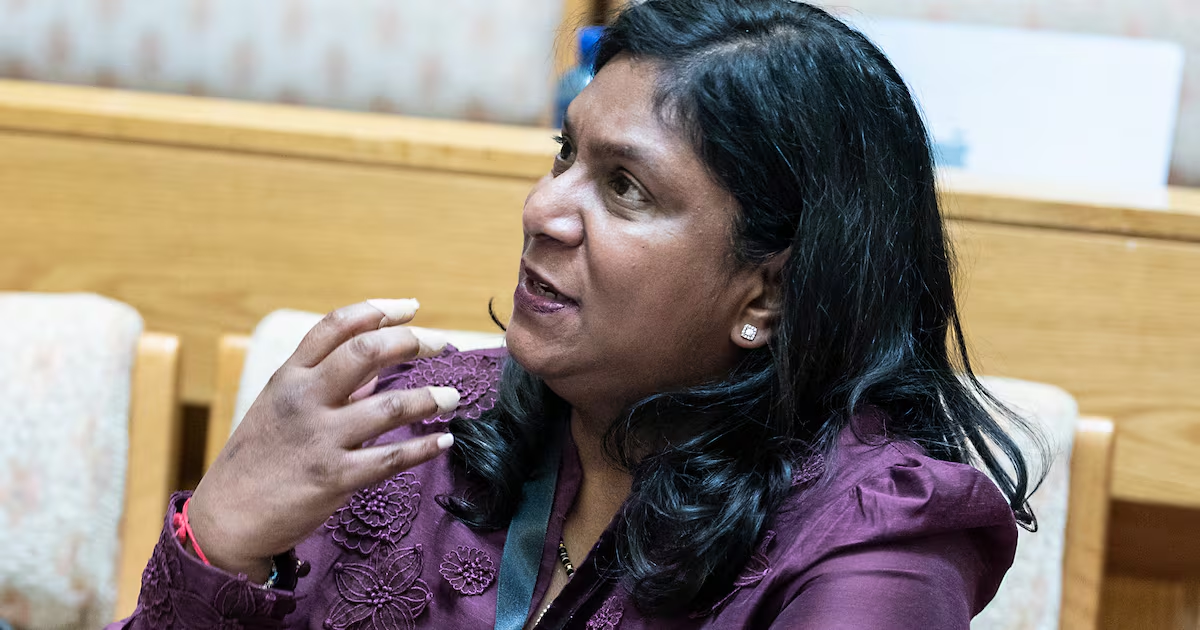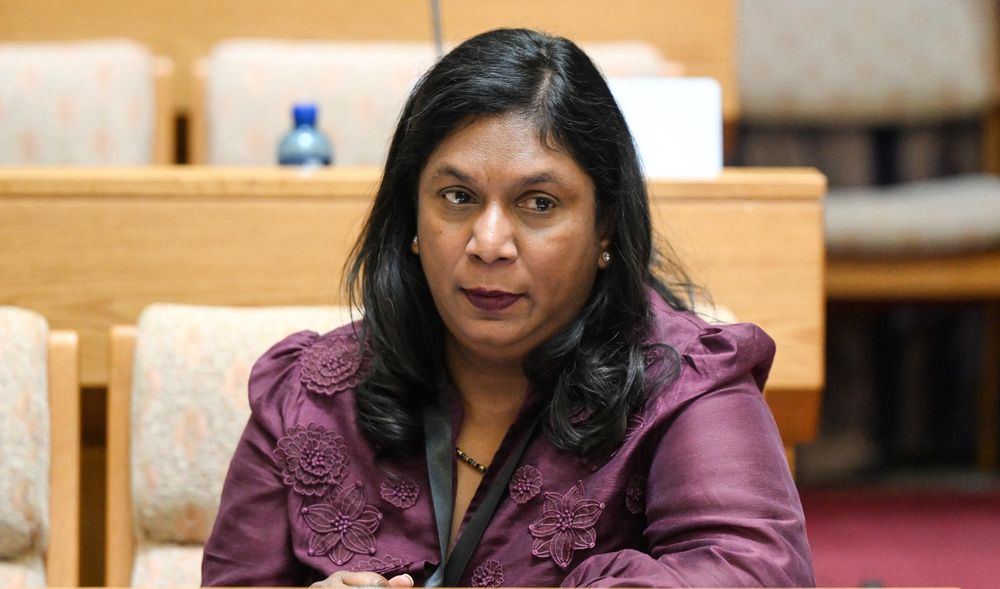
Erstwhile IDAC head Advocate Andrea Johnson. Institutions such as IDAC exist because South Africans demanded stronger accountability from public office. Their authority, therefore, rests not merely on legislation but on credibility.
HOW does a constitutional institution entrusted with protecting integrity justify denying opportunity based on a future that has not yet happened?
Somewhere in South Africa today, there is a young Black professional who has done everything this democracy has asked of her. She studied when education was presented as the pathway to opportunity. She acquired the qualifications that employers demanded. She competed in good faith, believing that merit, competence and constitutional fairness would ultimately determine her future.
Yet, according to reports surrounding a recruitment process at the Independent Directorate Against Corruption (IDAC), her journey appears to have collided with something no qualification can overcome: An assessment of what decision makers believed might happen in the future.
Whether those reports fully reflect IDAC’s reasoning is ultimately a matter for the institution to explain. Nevertheless, the governance question they raise deserves urgent national attention.