Academia
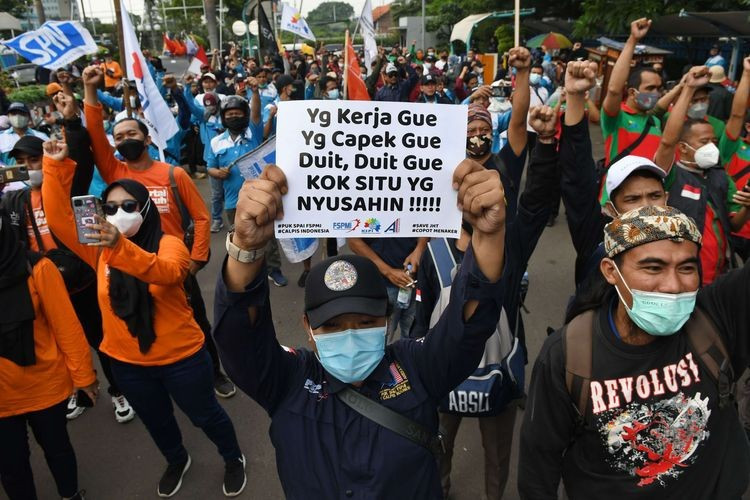
Dozens of workers rally on Feb. 18, 2022, outside the Manpower Ministry on Jl. Gatot Subroto in South Jakarta to demand it cancel a ministerial regulation stipulating a minimum age of 56 for people to start withdrawing from their pension funds. (Antara/Aditya Pradana Putra)
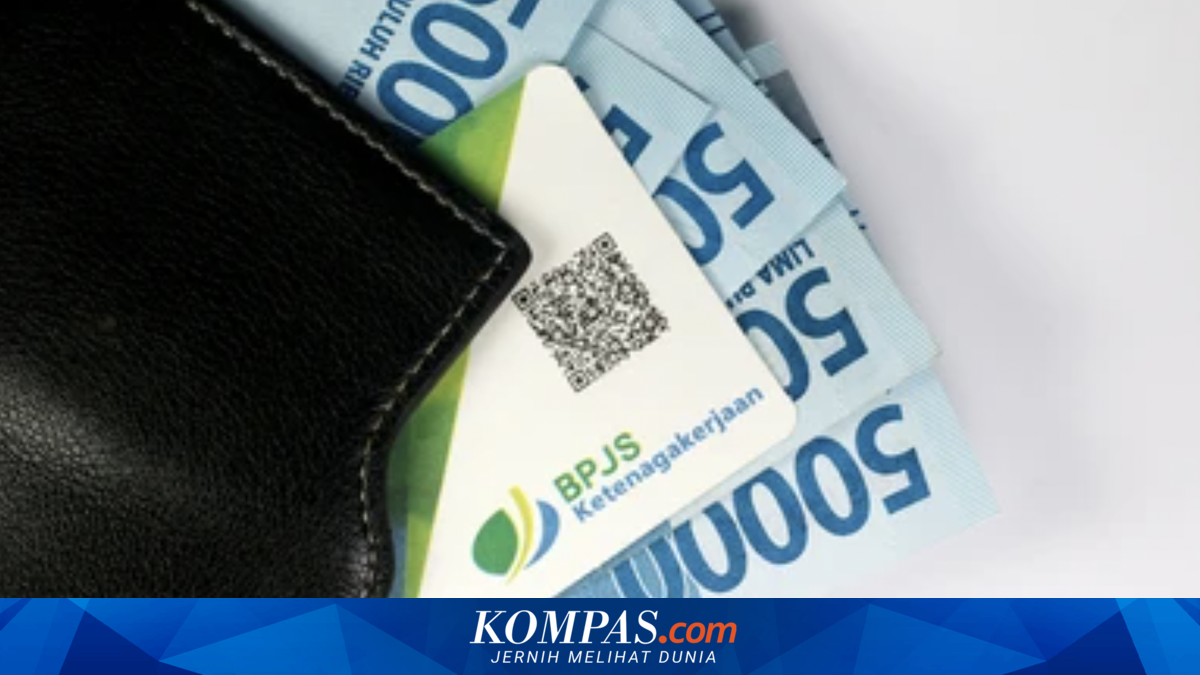
Retirement savings are meant to provide financial security in old age. Yet Indonesia's renewed debate over the Old-Age Savings (JHT) program has focused largely on tax rates and thresholds, overlooking a more fundamental question: Should the state tax retirement savings at all? In a country where fewer than half of workers participate in the formal social security system, the issue goes beyond taxation to retirement security itself.Under the current framework, JHT taxation is governed by Government Regulation No. 68/2009 and Finance Ministry Regulation (PMK) No. 16/2010. Workers who withdraw their JHT within two calendar years of retirement pay no tax on the first Rp 50 million (US$2,850) of benefits, while any amount above that is subject to a final income tax of 5 percent. Those who withdraw their savings after the two-year period no longer qualify for this preferential treatment and instead face Indonesia's progressive personal income tax rates.