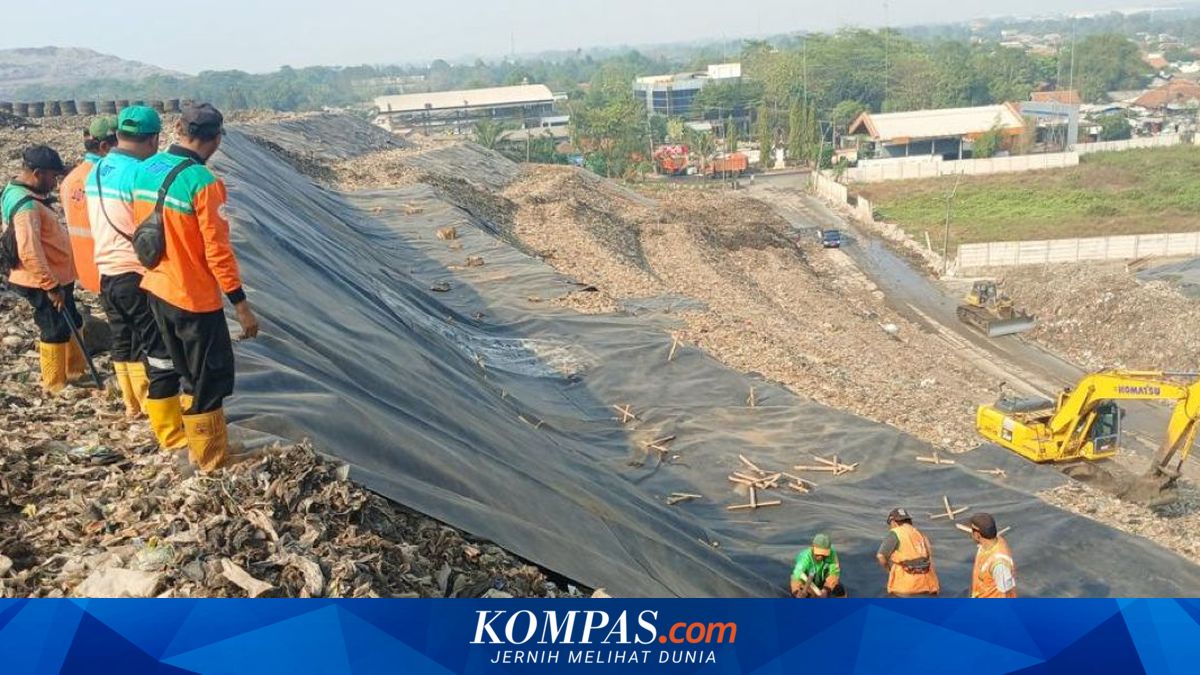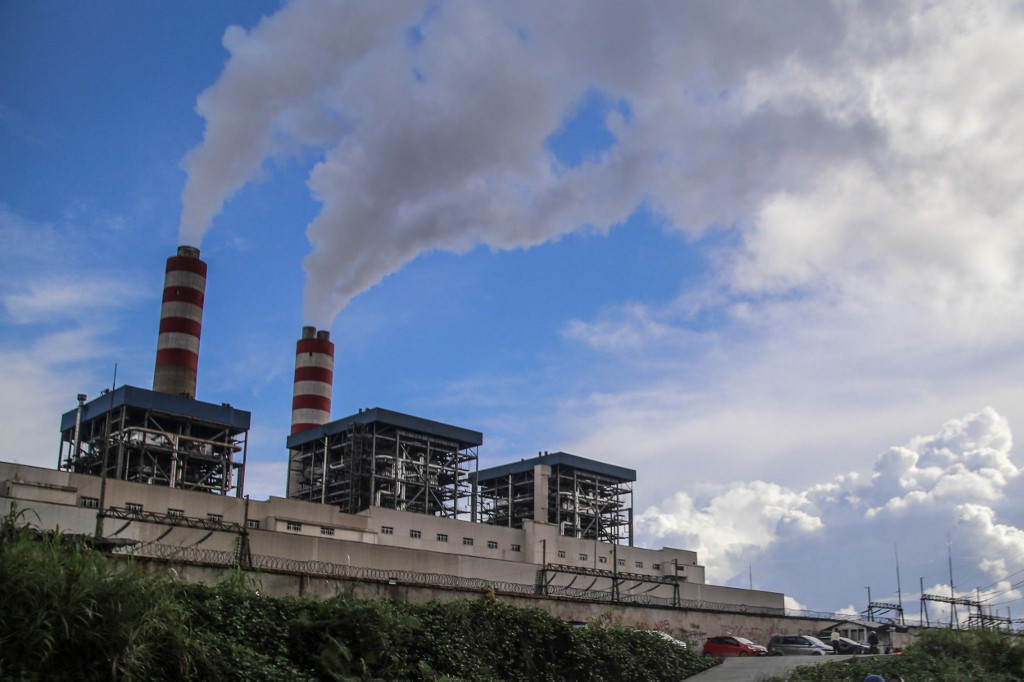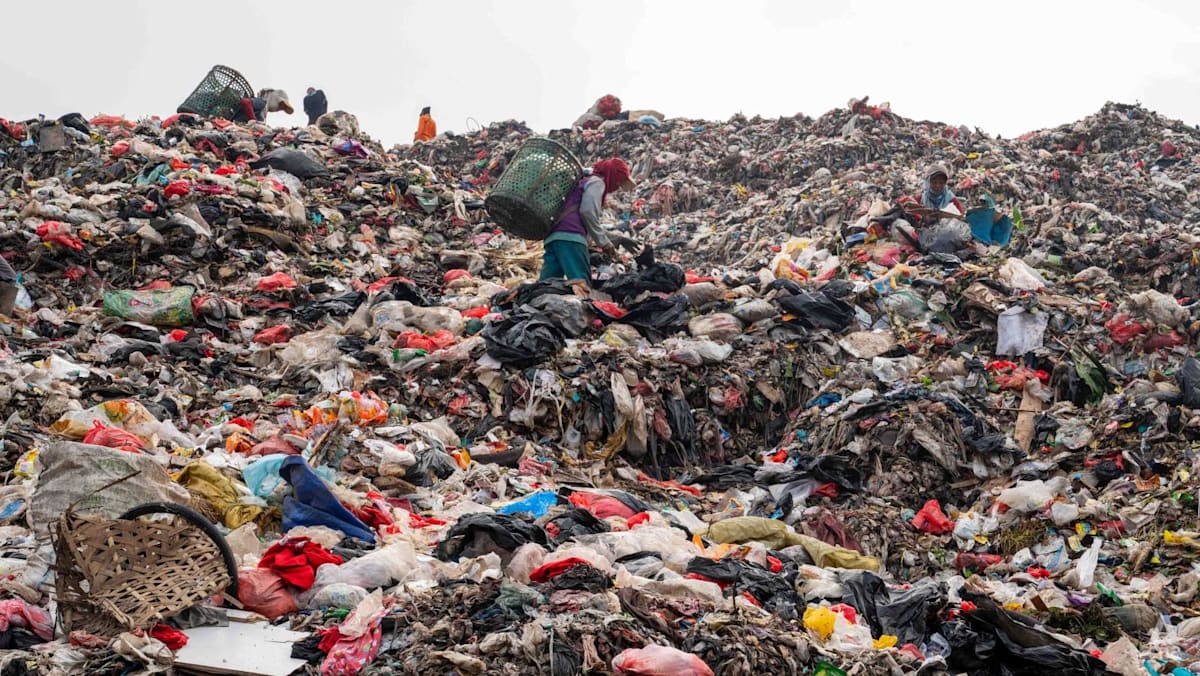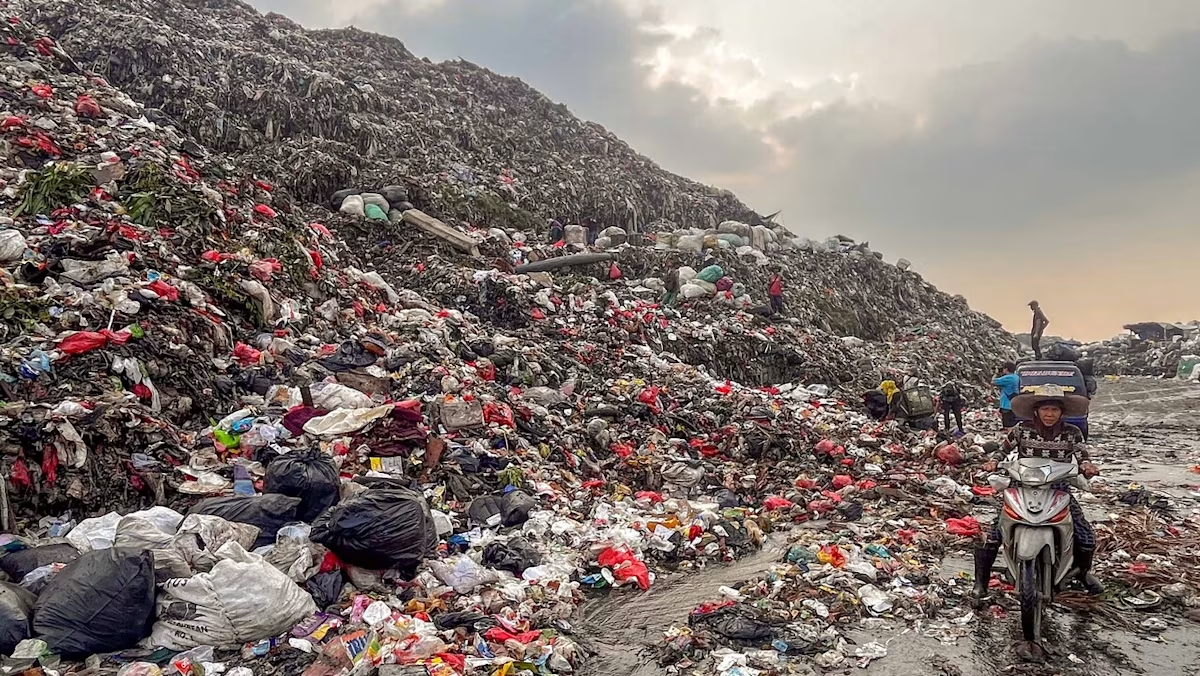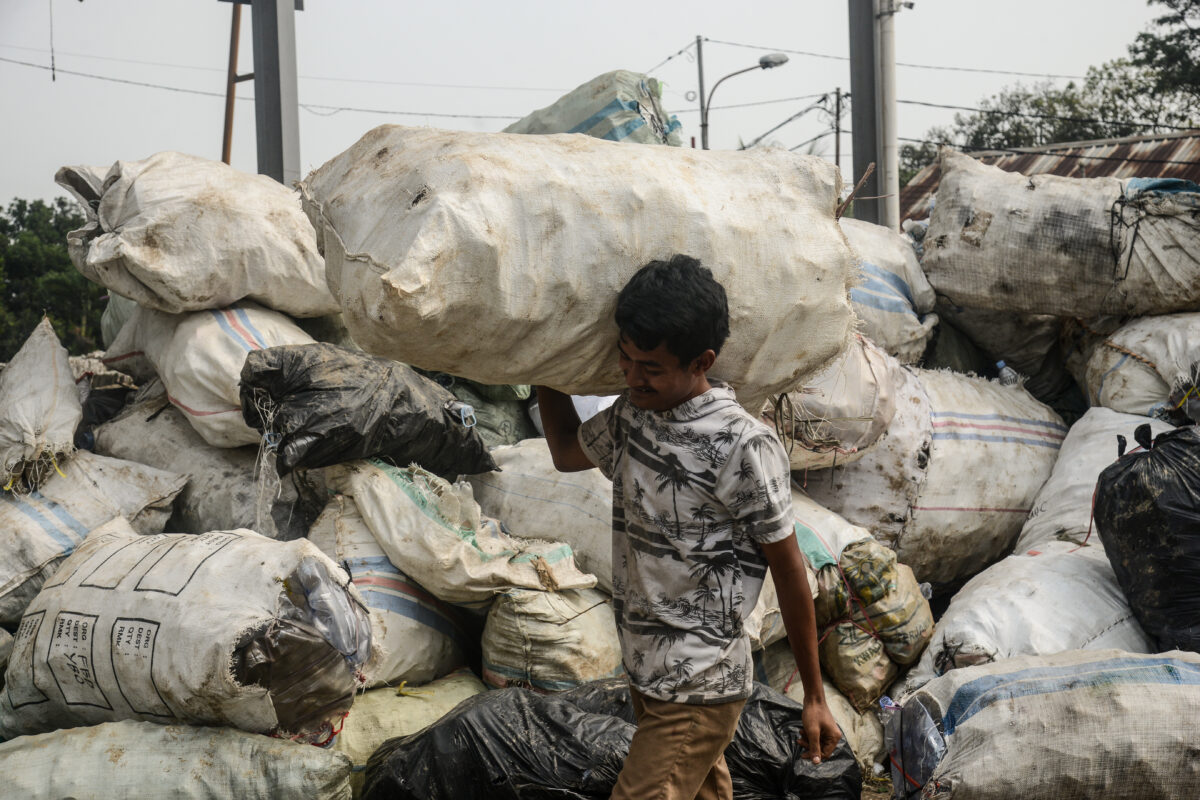
Indonesian President Prabowo Subianto’s 2026 clean-up campaign, which calls for a coordinated national clean-up movement, has drawn attention to Indonesia’s waste crisis and placed waste management firmly on the government’s policy agenda. While clean-up efforts can reduce visible litter, lasting progress will require systemic reform across the waste-management chain.
Waste management is legally defined in Indonesia as a combination of waste reduction, including recycling and reuse, and waste handling, including segregation, collection and processing. Within this framework, clean-up drives contribute primarily to immediate waste collection, addressing only one part of the overall system.
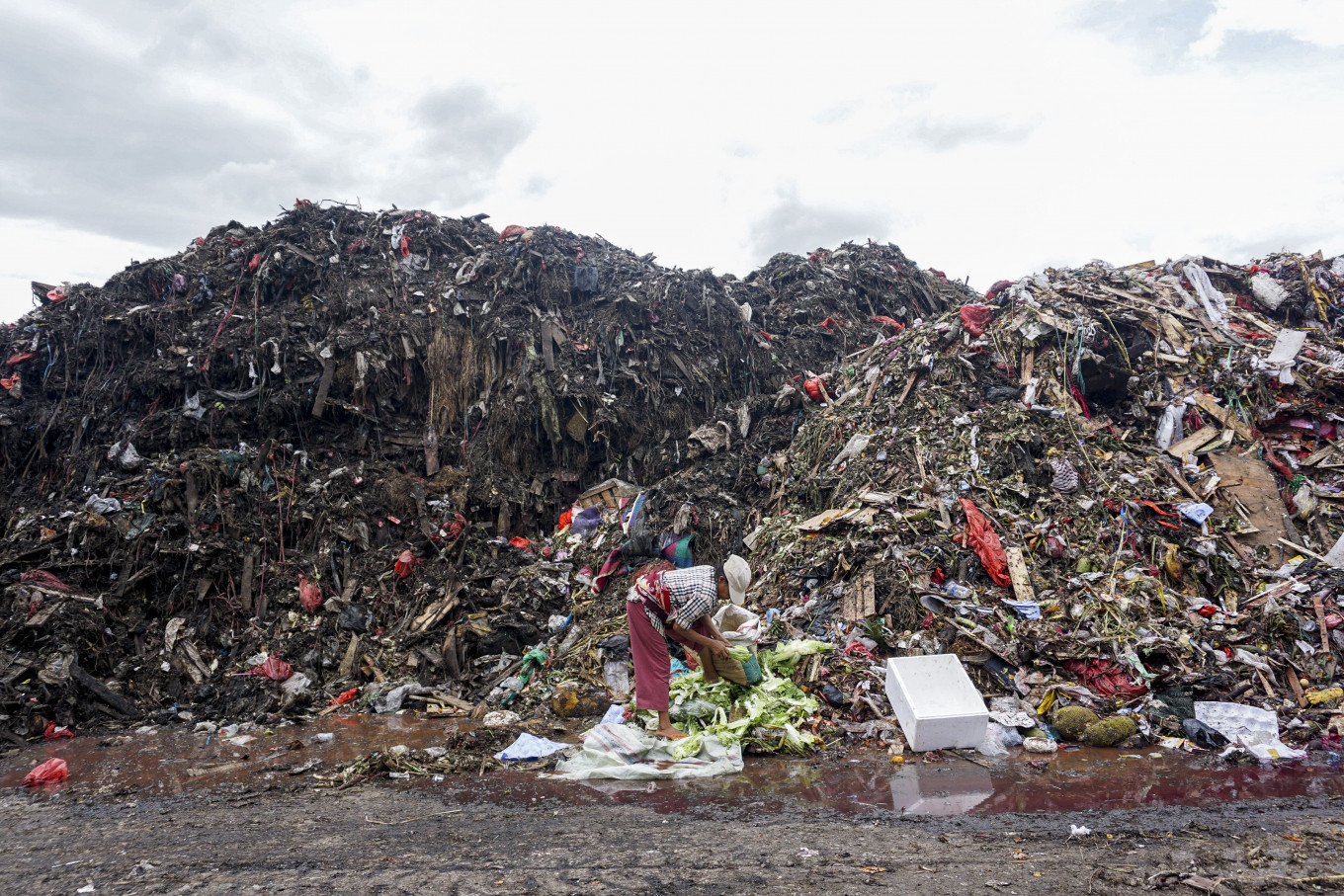
Official figures illustrate the scale and complexity of the challenge. Indonesia’s Ministry of Environment reported in February 2026 that the country generated more than 140,000 tons of waste per day, yet only around a quarter of it was properly managed. Food waste is central to the problem, accounting for an estimated 40.5 per cent of the waste stream.
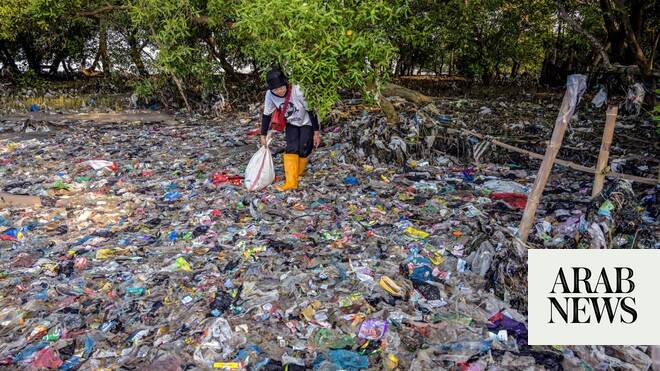
Plastic waste presents a distinct problem as it flows through drains, rivers and coastal areas into the marine environment. Social and cultural factors further complicate waste management, with urban lifestyles, convenience-oriented consumption and public participation all influencing the volume and composition of waste. Narrow policy instruments like plastic bag bans cannot address the wider waste crisis on their own due to issues with uneven implementation. Broader progress depends on reshaping behaviour and fostering collaboration between government and society.