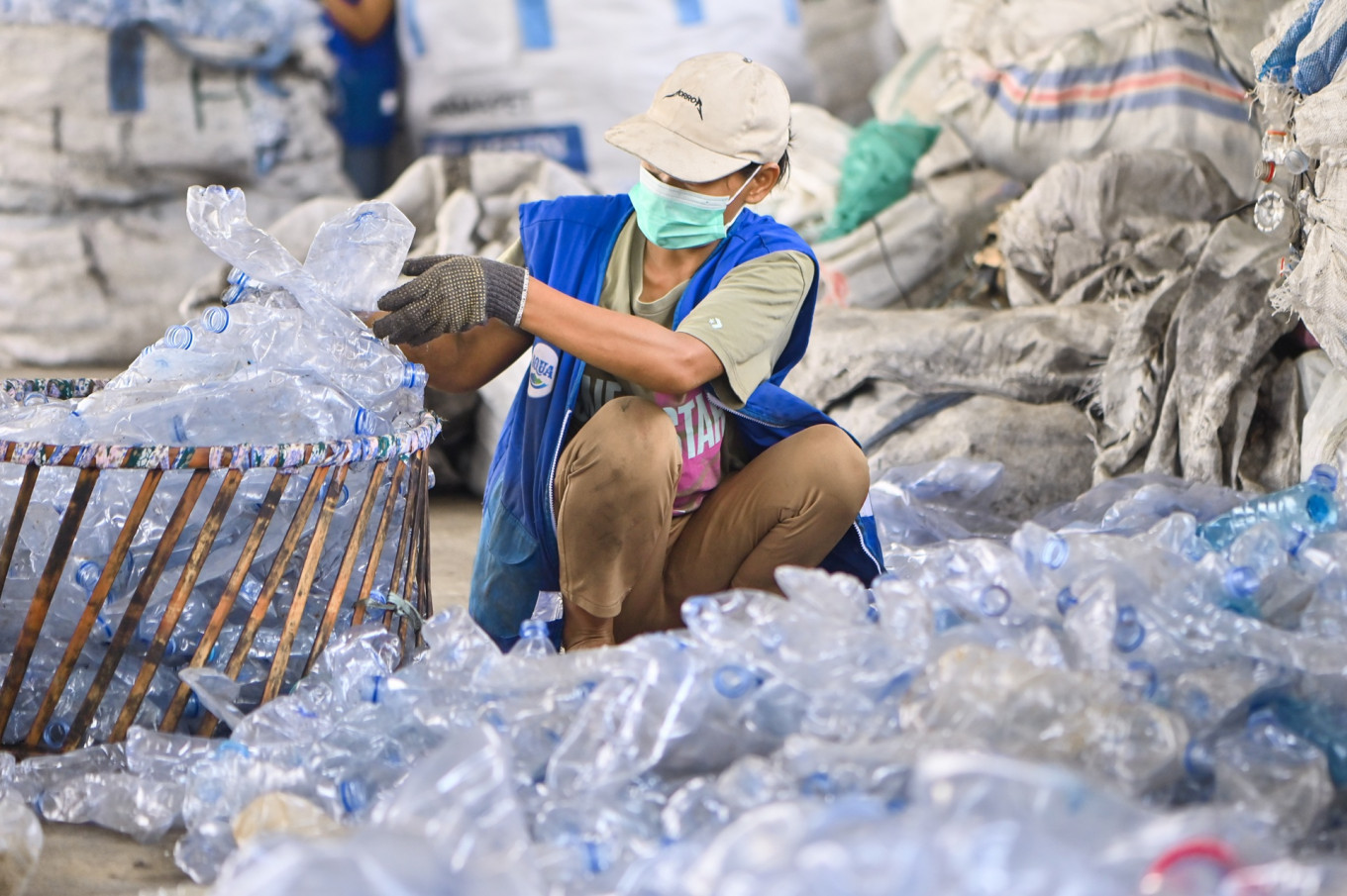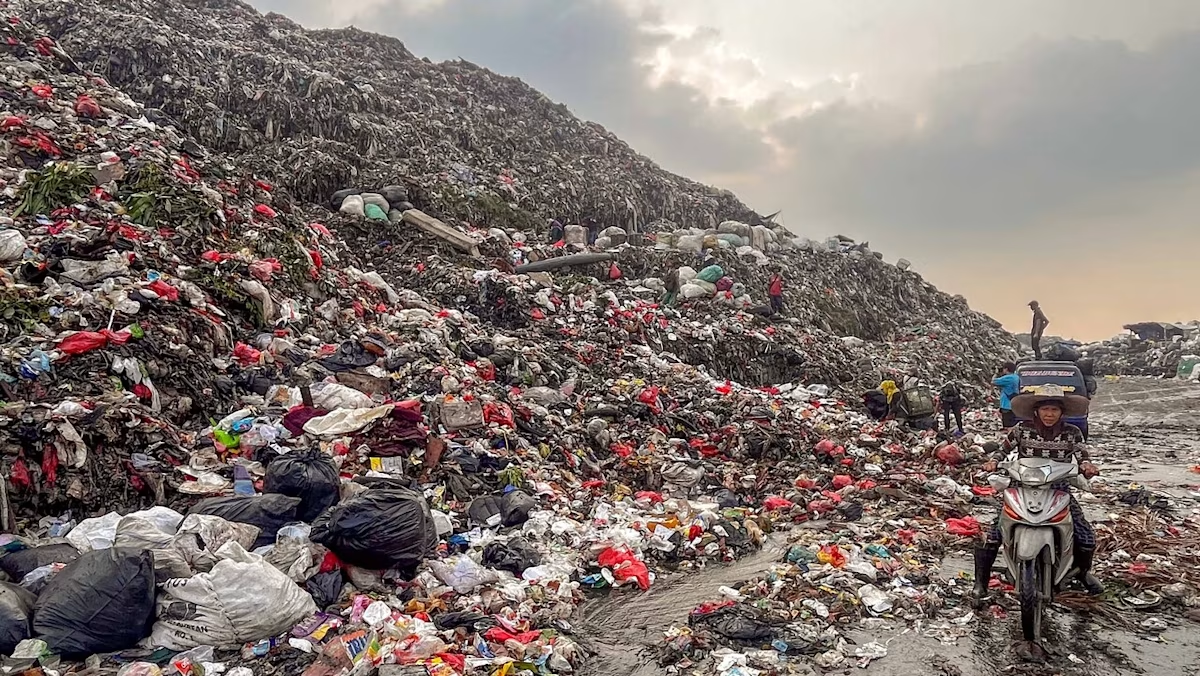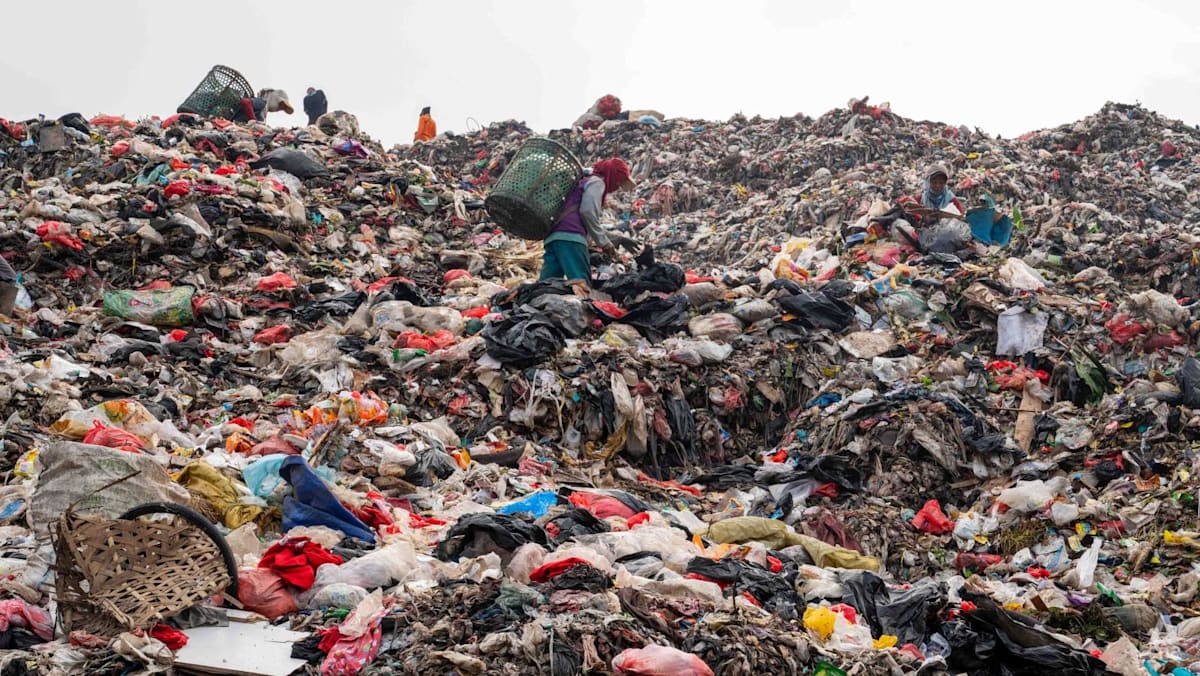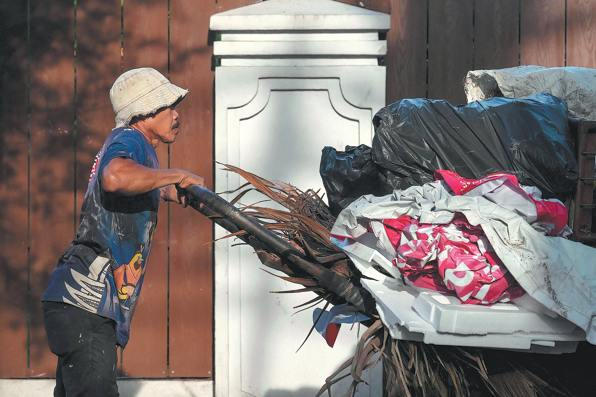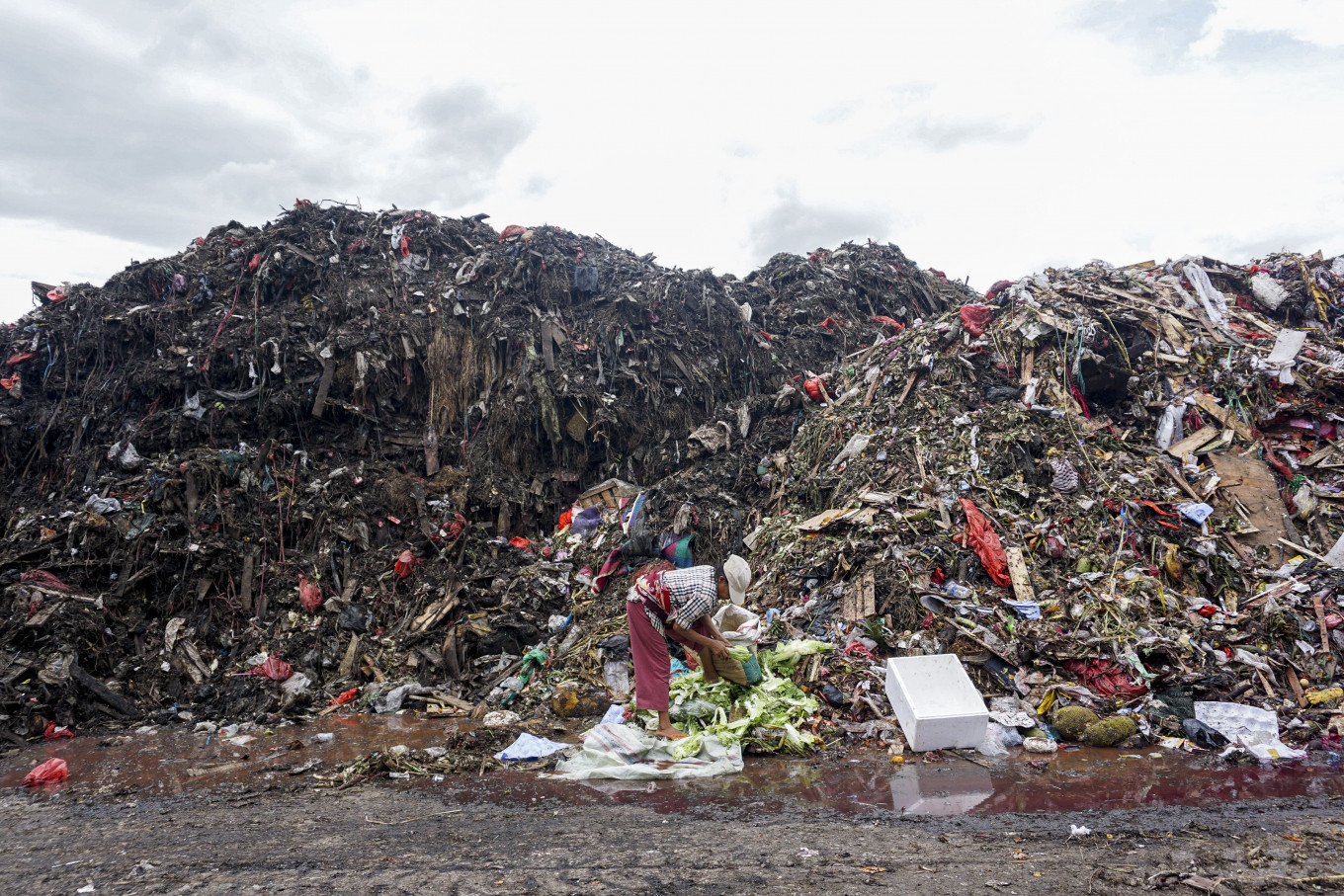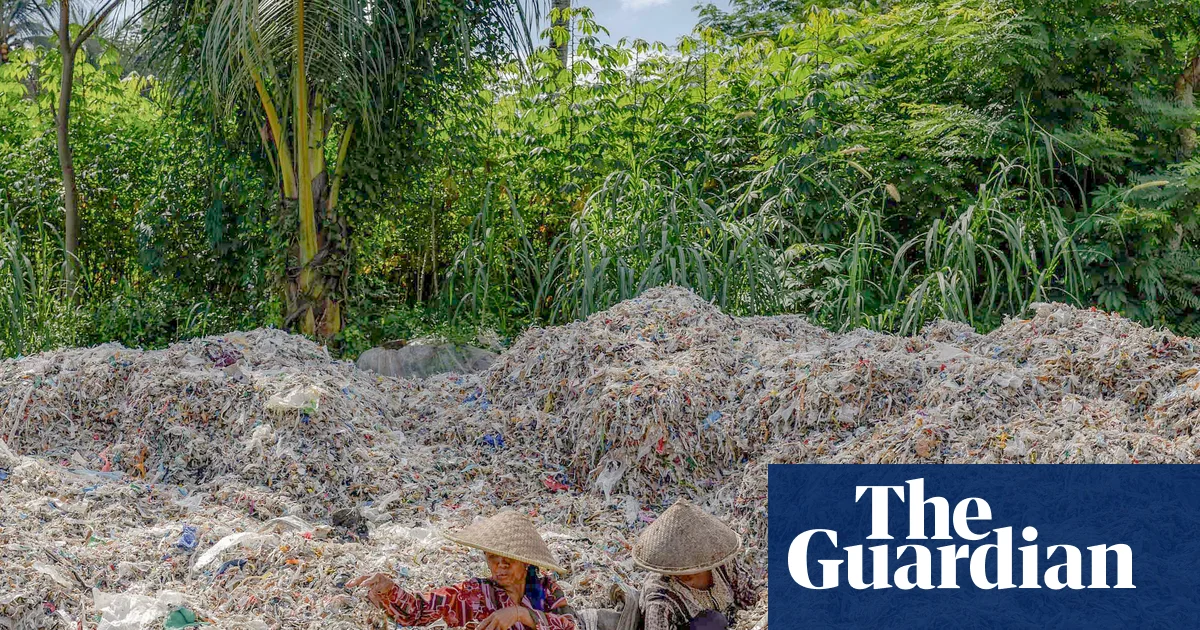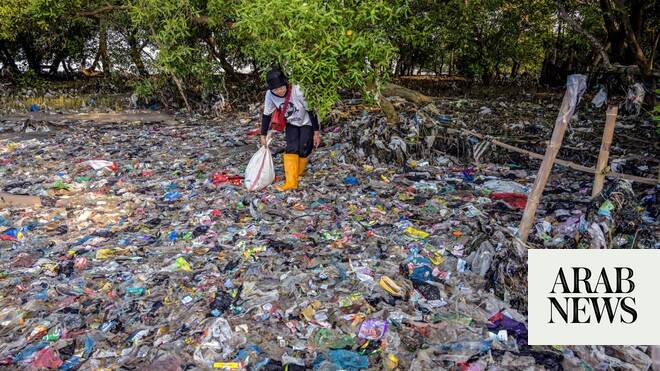
JAKARTA: Indonesia, one of the world’s nations most affected by plastic pollution, will make recycling mandatory for producers, the government has announced in a new move to tackle the crisis, following a ban on shipments of plastic waste from developed countries.
Indonesia produces around 60 million tonnes of waste annually, government data shows, around 12 percent of which is plastic. Less than 10 percent of waste is recycled in the country, while more than half ends up in landfills.
Indonesians are also the top global consumers of microplastics, according to a 2024 study by Cornell University, which estimated that they ingest about 15 grams of plastic particles per month.
“Plastic is problematic for the environment, especially the single-use ones. It creates various problems, and contains hazardous toxic materials,” Environment Minister Hanif Faisol Nurofiq told reporters earlier this week. Nurofiq was speaking after a UN summit in Geneva failed to produce the world’s first legally binding treaty to tackle plastic pollution.
“We are making an intervention through the Extended Producer Responsibility, or EPR, which is still voluntary at the moment, but we are working to make it mandatory.”