By Editorial Dept - Jul 31, 2026, 7:00 AM CDT
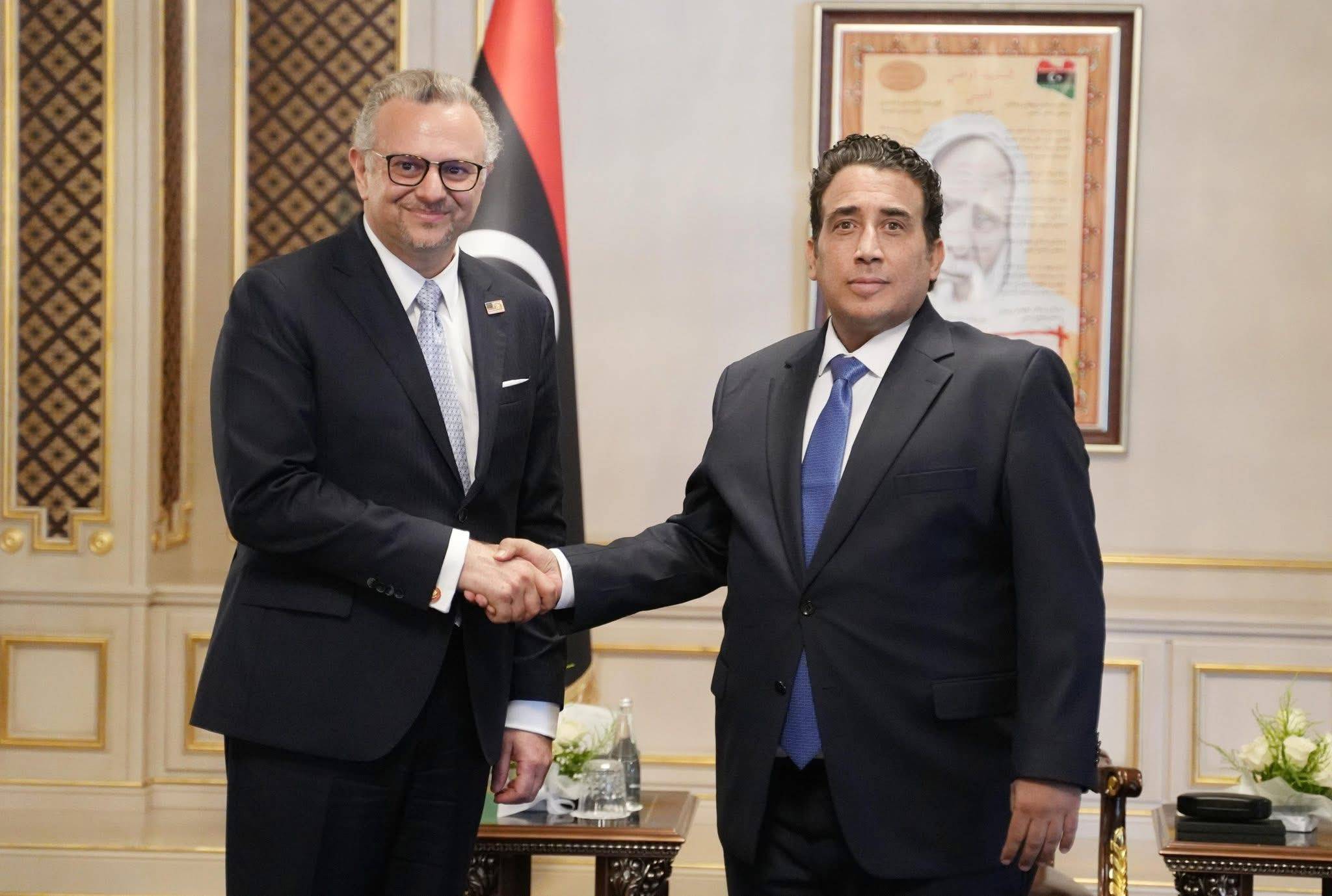
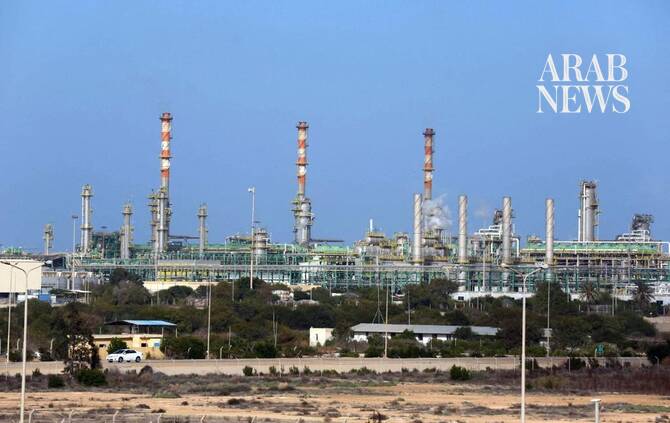
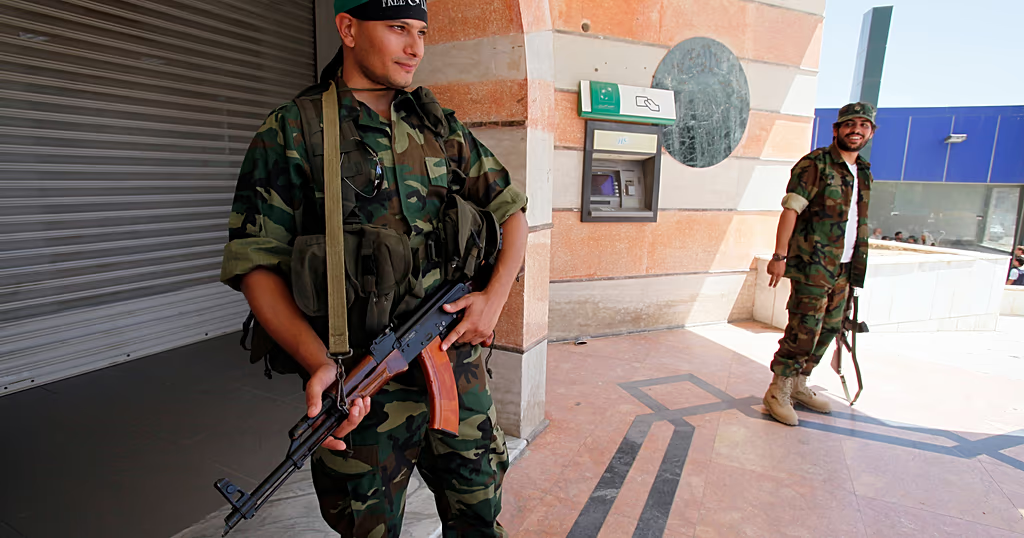
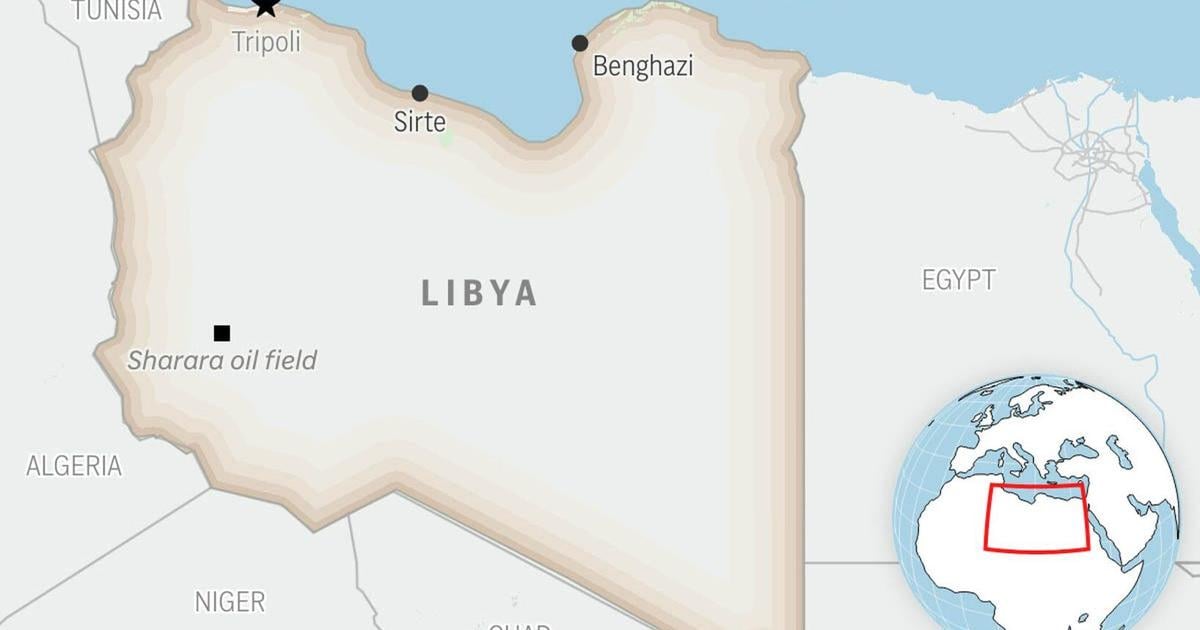
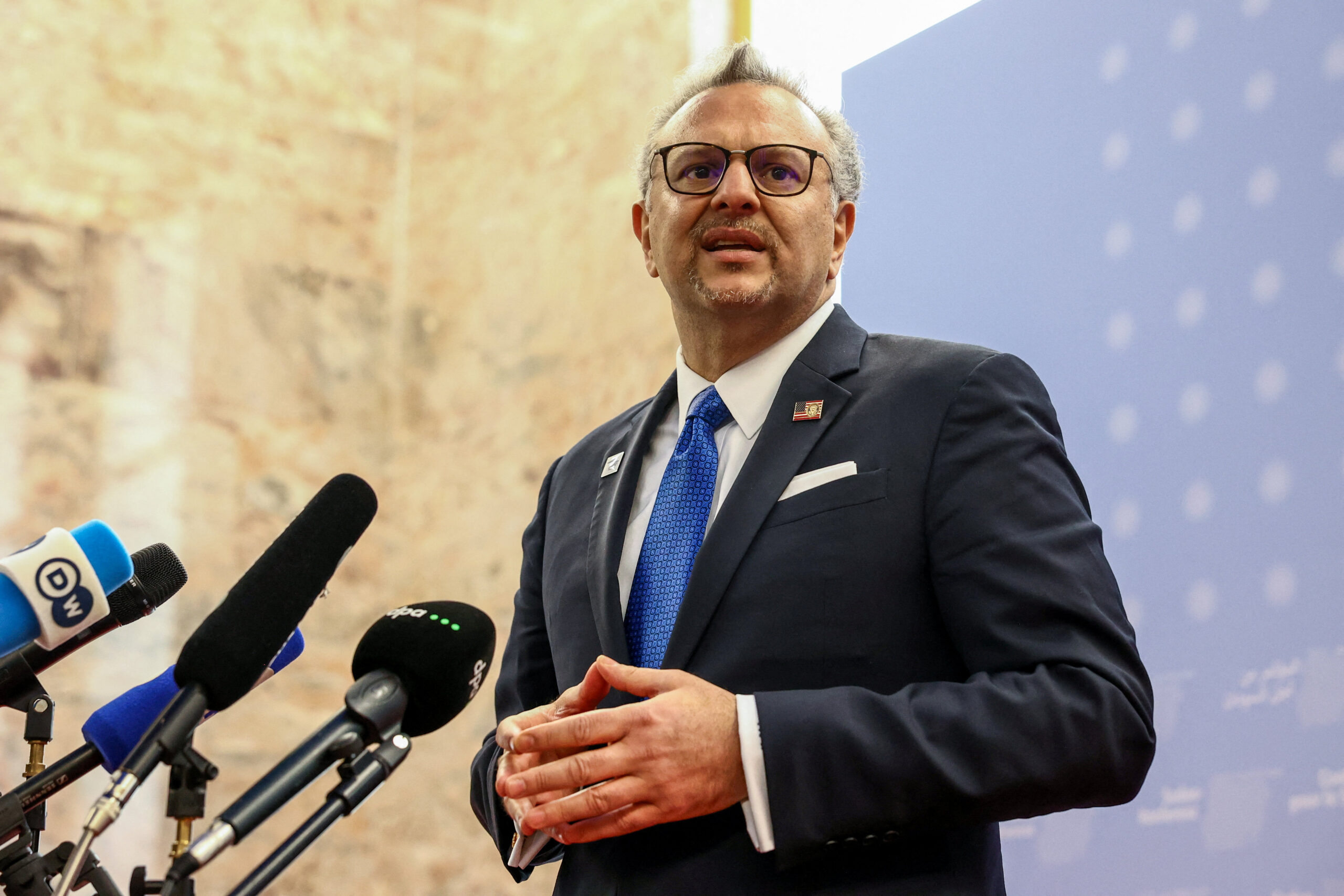
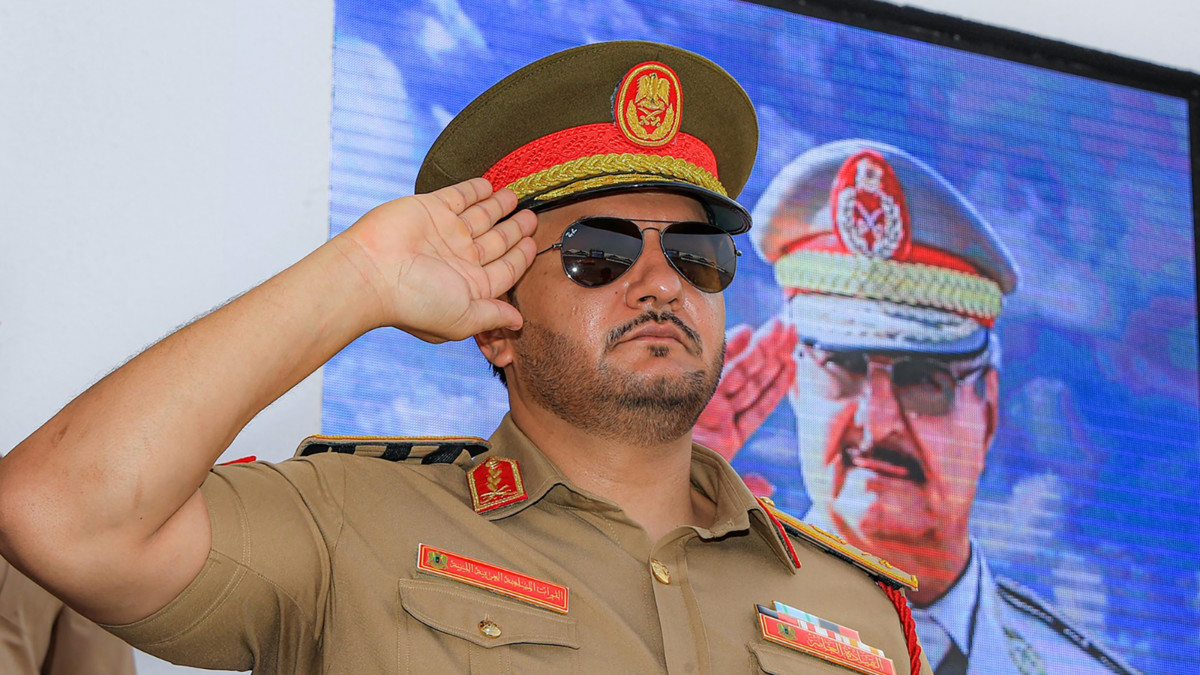
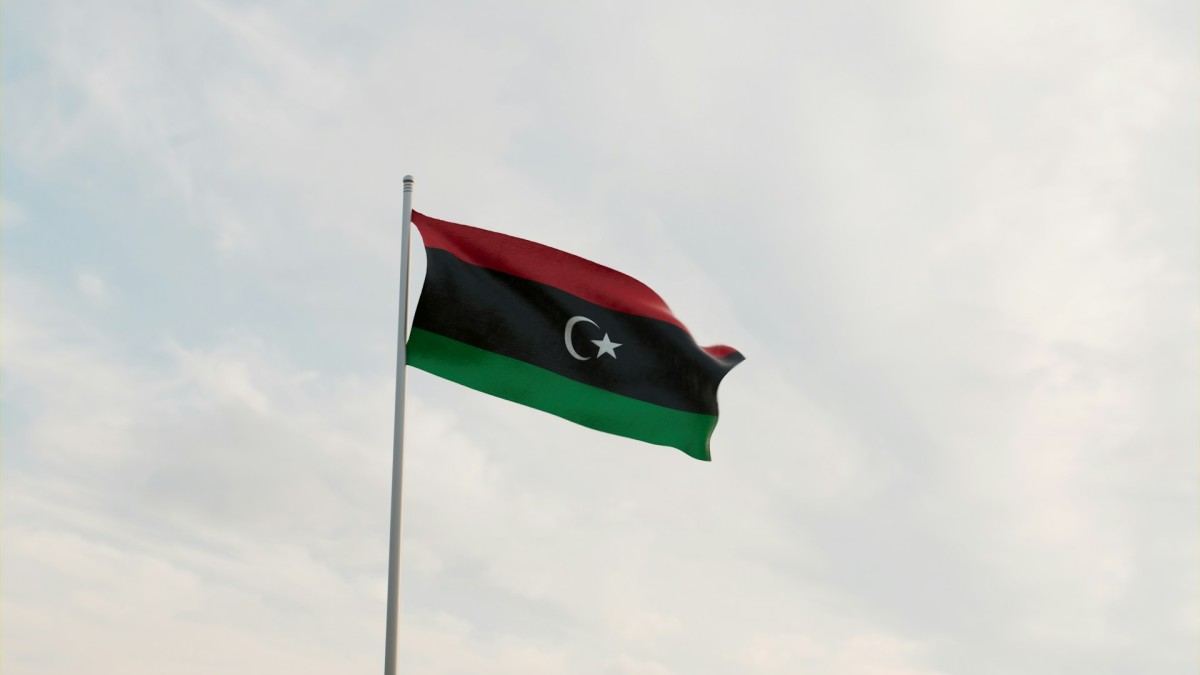
The mutually beneficial corruption arrangement between the rival Haftar and Dbeibah camps that has kept Libya from returning to civil war could be undone by a third force usually left out of political calculations: the citizens of Libya.For nearly six years, Libya’s eastern and western power centers have preserved an uneasy equilibrium. Haftar’s family controls the east, much of the south, and the military forces surrounding much of the key oil infrastructure. Prime Minister Abdul Hamid Dbeibah and the armed groups aligned with his GNU control Tripoli and the western state apparatus. Neither side has been able to eliminate the other, but both have profited from a division that allows them to distribute government positions, contracts and oil revenues without submitting to a national election. The Trump administration is now trying to convert that informal accommodation into a formal power-sharing structure. The deal would preserve Dbeibah’s control of the government but give Saddam Haftar (General Khalifa Haftar’s son) control over a new presidential body. Washington has also pushed the rival administrations toward a unified budget and closer military coordination while encouraging U.S. oil companies to expand their presence around Africa’s largest proven crude reserves. In theory, this would give ruling families what they want most: continued access to the state without an election that could remove either of them.But it all assumes that Libyans are passively…