Libya remains politically divided despite years of international mediation. A reported US-backed power-sharing proposal and a UN roadmap centred on national elections offer competing visions for reunifying the country. Analysts say both face significant political, security and institutional obstacles, leaving Libya's long-term stability and democratic transition uncertain.
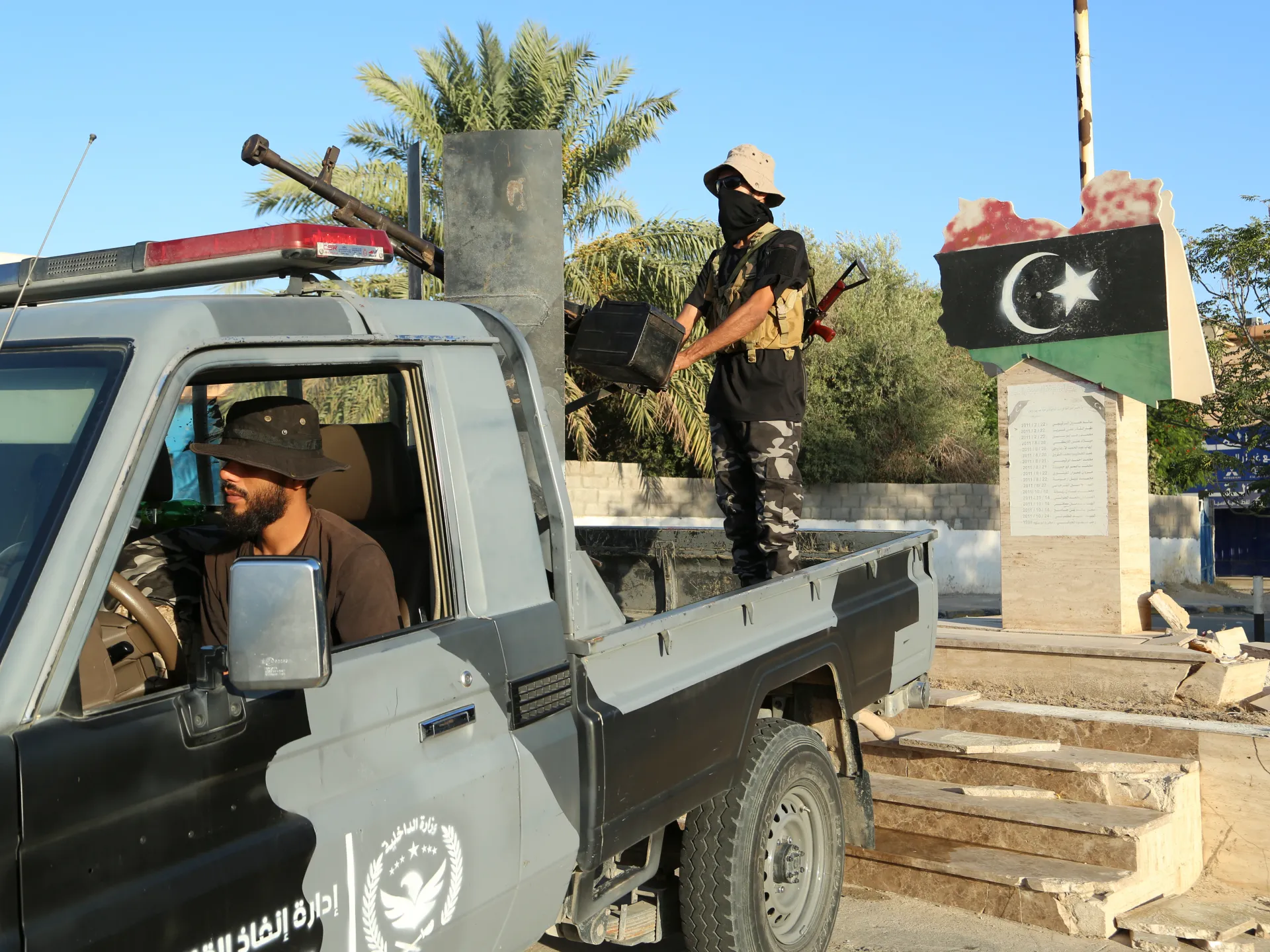
Libya remains divided more than a decade after the disputed 2014 House of Representatives elections, with rival administrations in Tripoli and Benghazi continuing to compete for power despite repeated international efforts to reunify the country.
Following the 2020 ceasefire that ended Libya's second civil war, two competing initiatives have emerged to break the political deadlock. One is backed by the United States, while the other is being led by the United Nations Support Mission in Libya (UNSMIL).
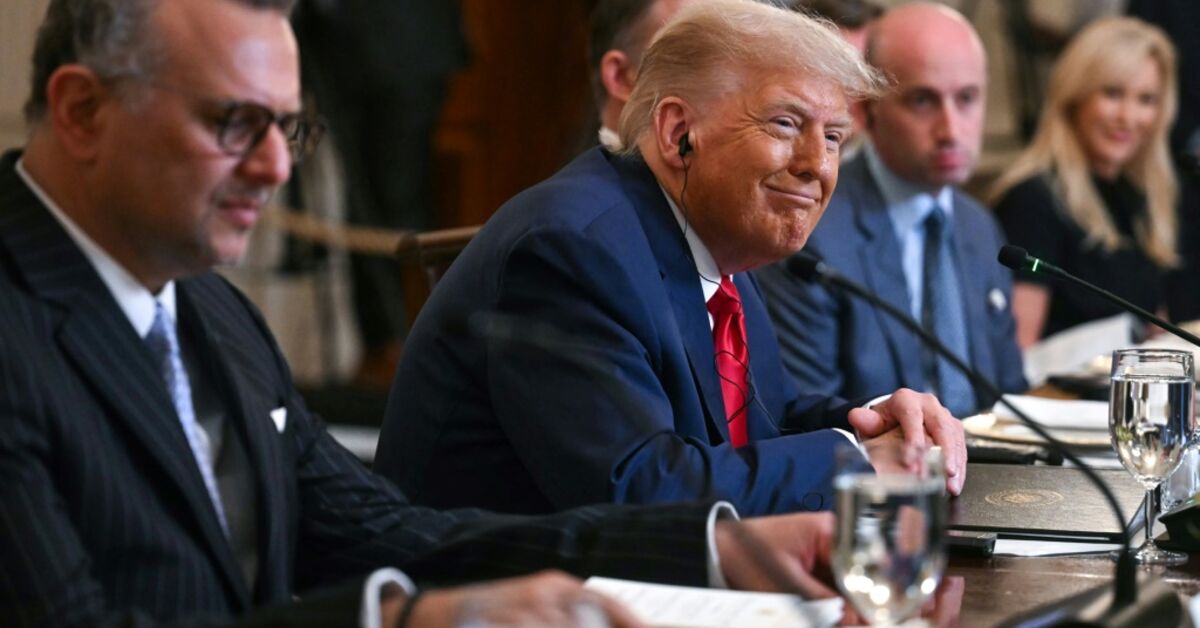
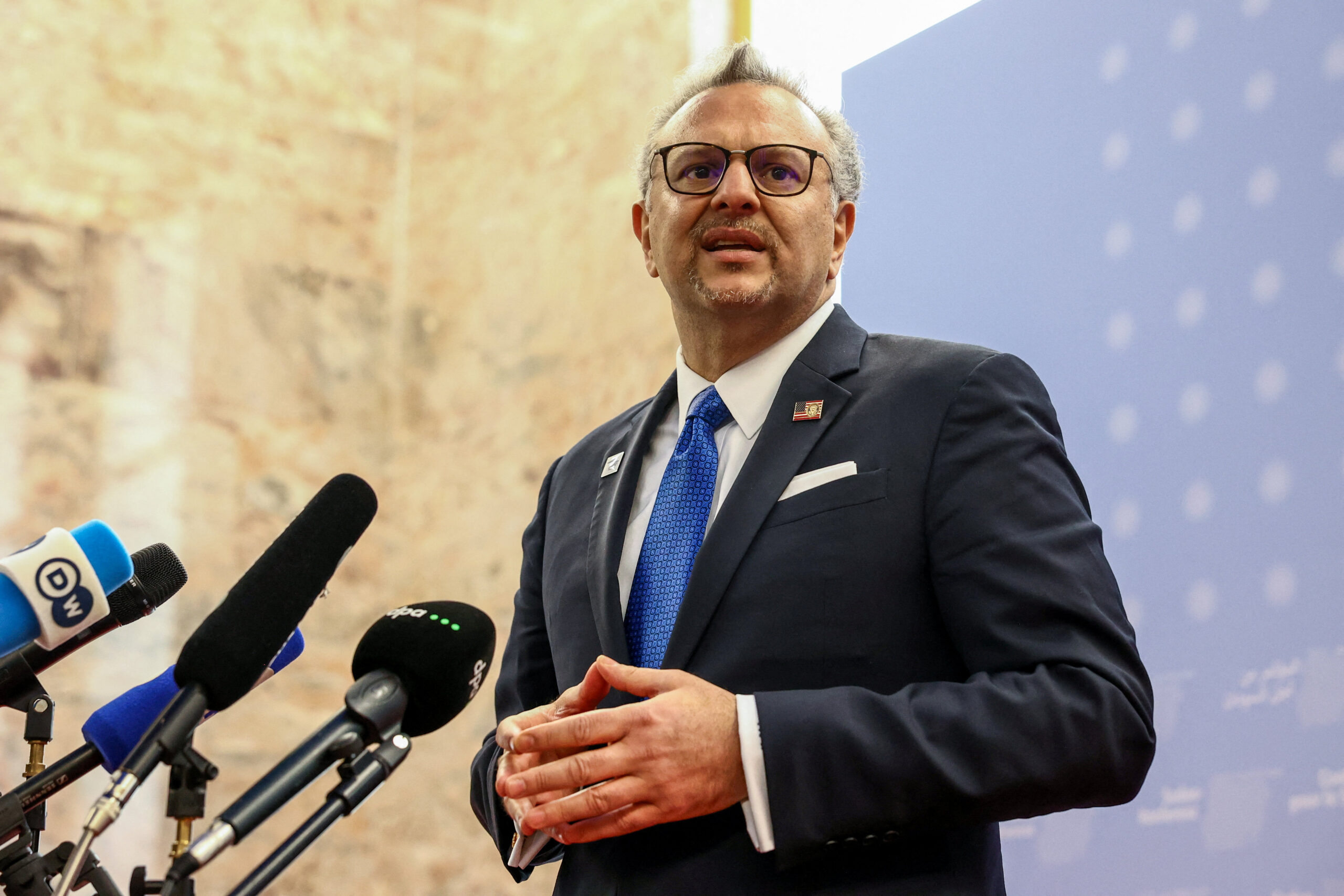
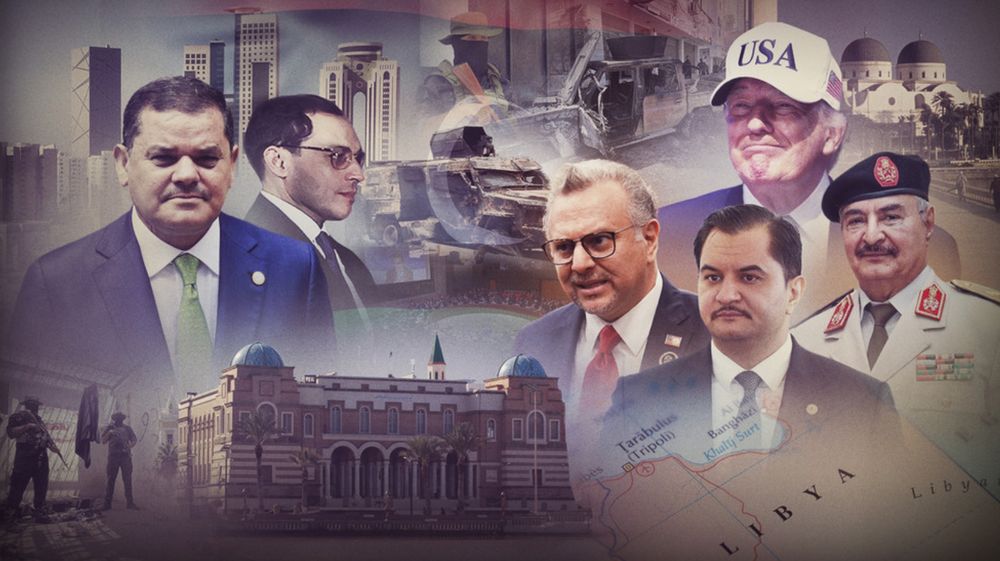
Washington's initiative has been spearheaded by Massad Boulos, US President Donald Trump's senior adviser for Arab and Middle Eastern affairs.
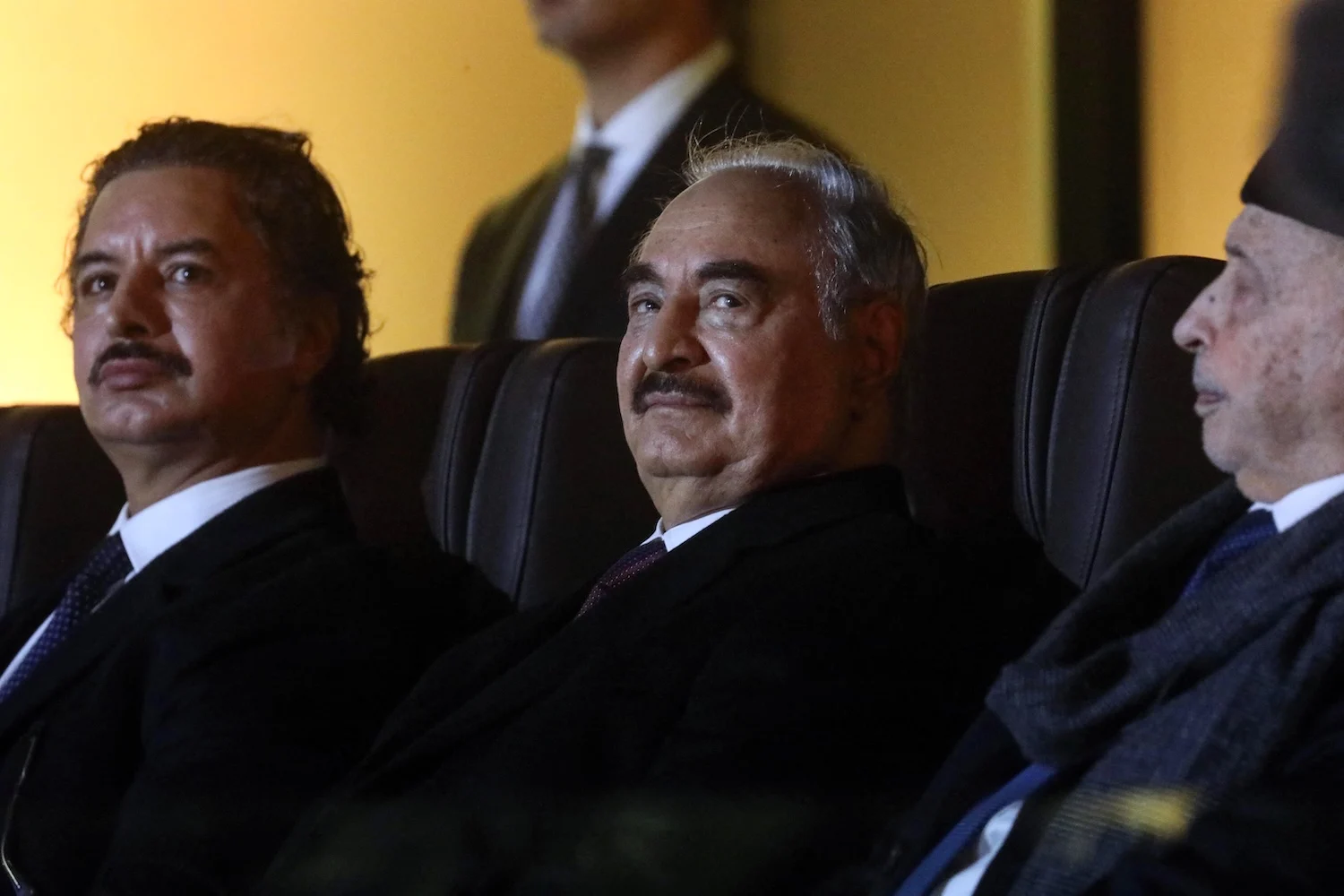
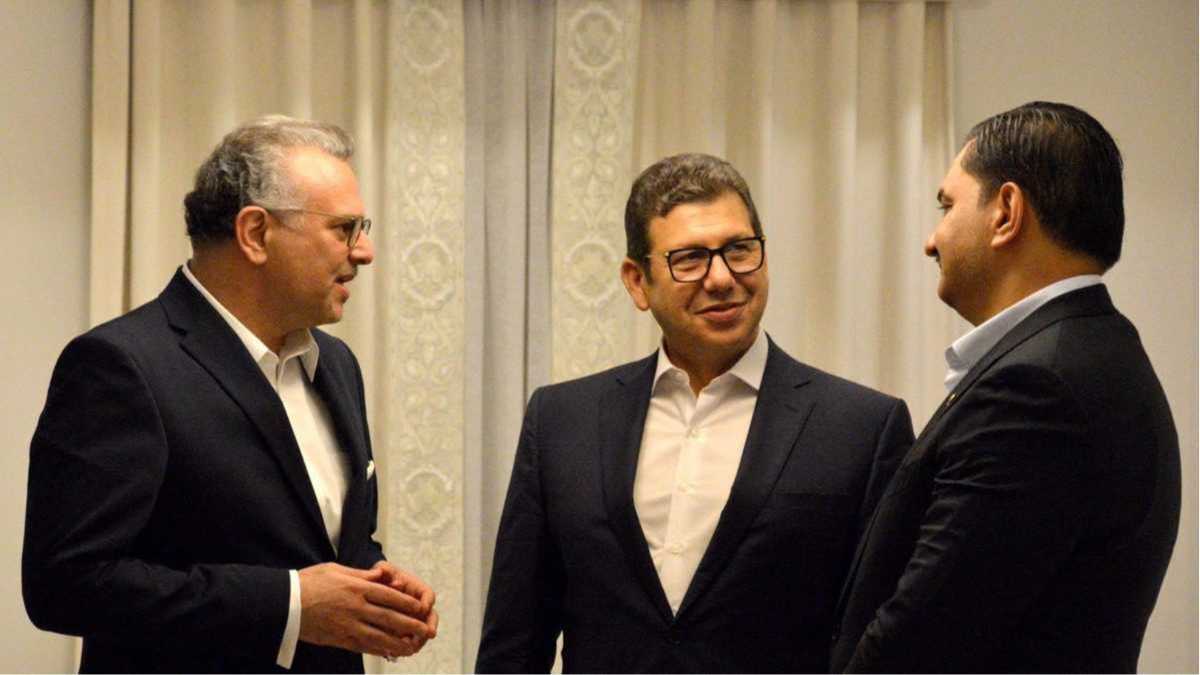
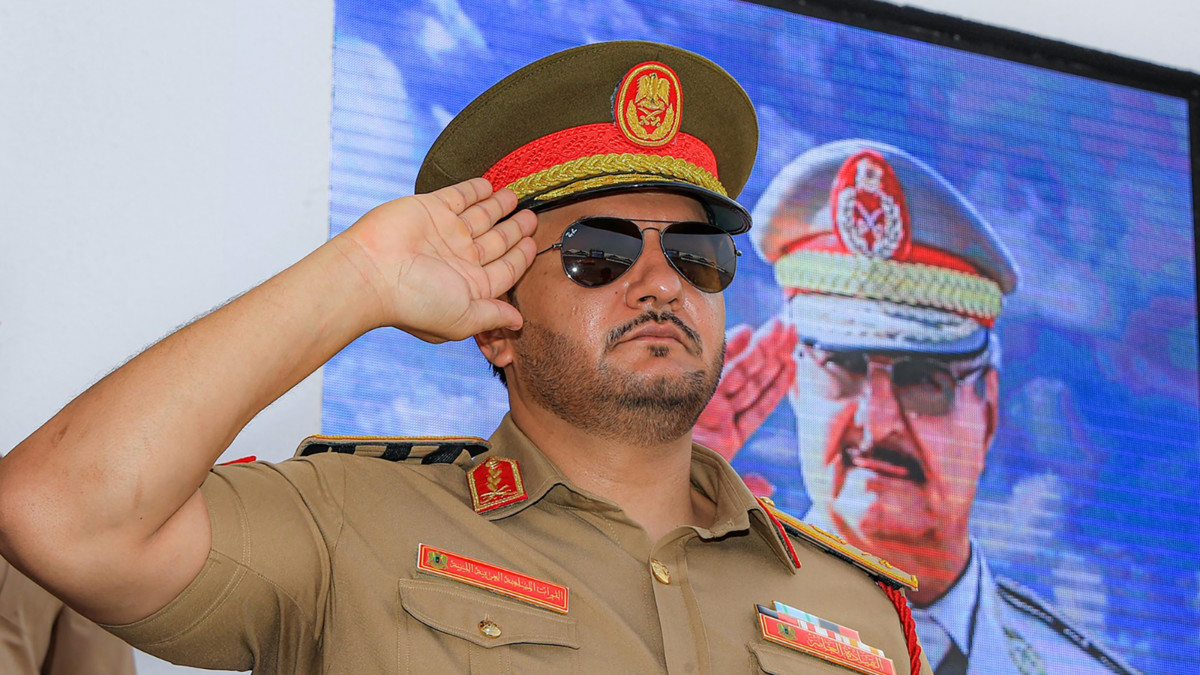
According to reports, Boulos has held a series of meetings with senior figures from both eastern and western Libya, including Saddam Haftar, deputy commander of the Libyan National Army (LNA), and Ibrahim Dbeibah, adviser to and nephew of Prime Minister Abdul Hamid Dbeibah.