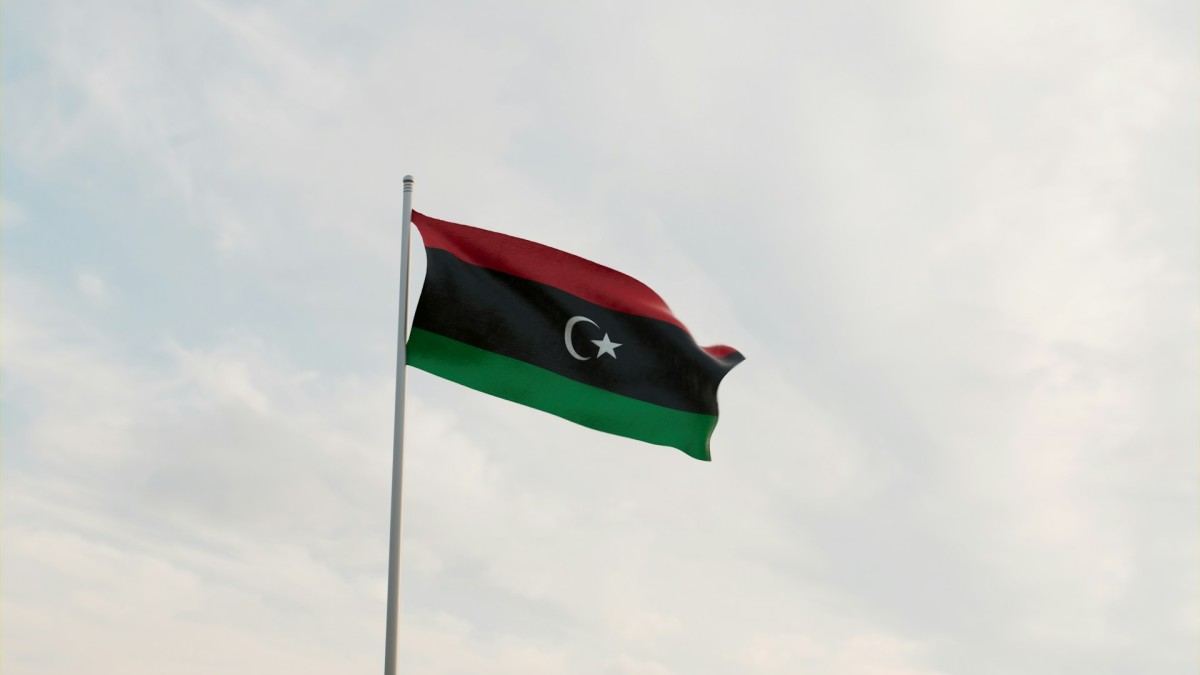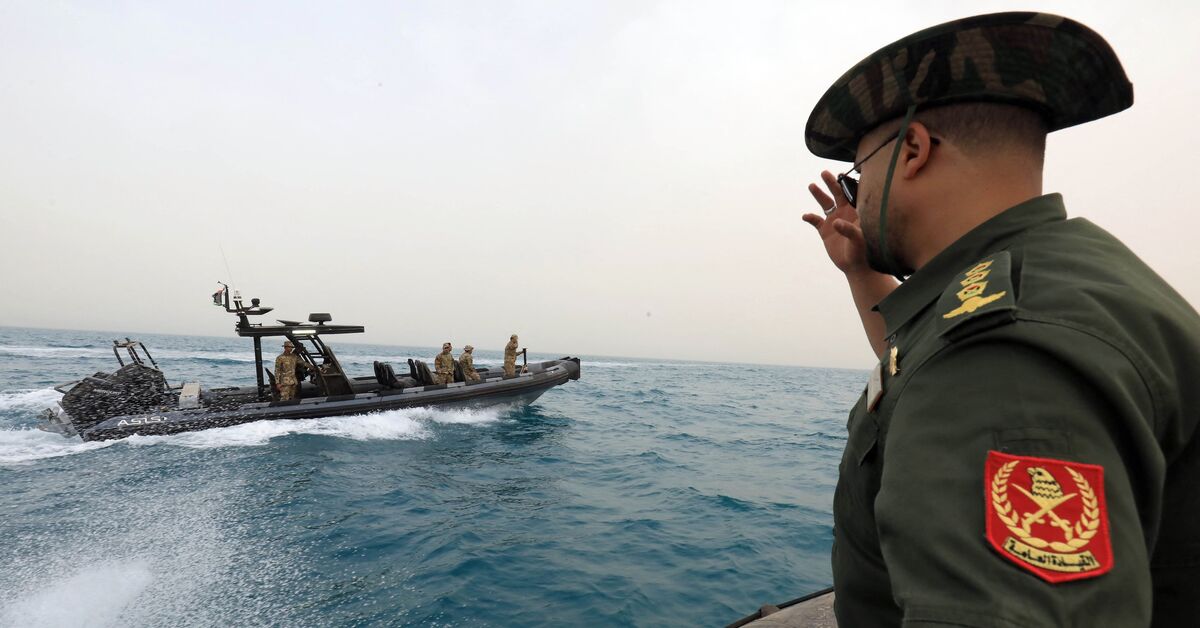
When the wave of Arab uprisings that swept through Tunisia, Egypt and Syria finally reached Libya, Muammar Gaddafi's four-decade rule ended. The 2011 NATO-backed intervention delivered on that promise, toppling the regime, but it left nothing resembling a functioning state in its place. What followed was a vacuum that has defined Libya ever since. For 15 years, the country has been split between the U.N.-recognised Government of National Unity (GNU) in Tripoli, led by Abdul Hamid Dbeibah, and the Haftar family's Libyan National Army (LNA) in the east.
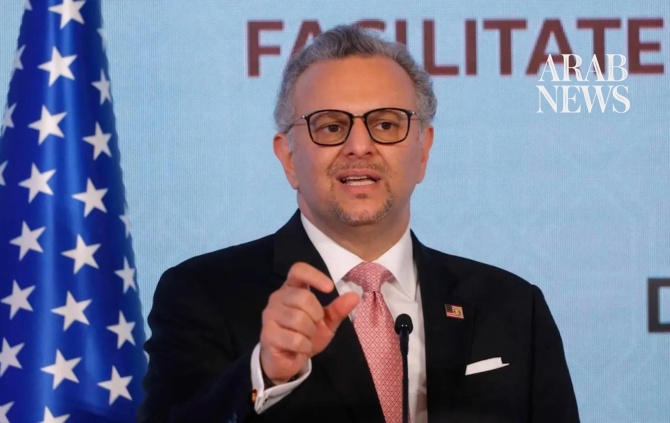
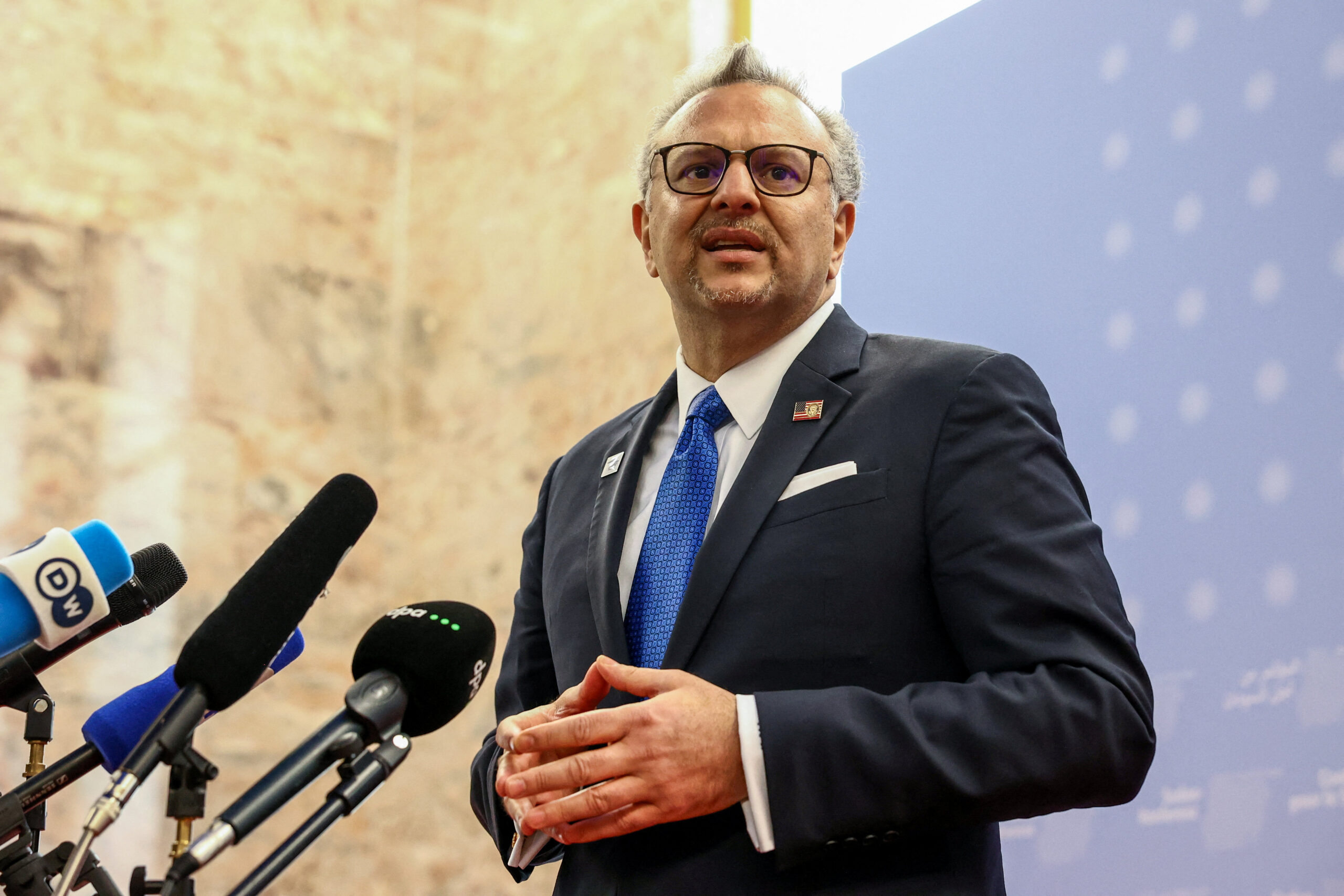
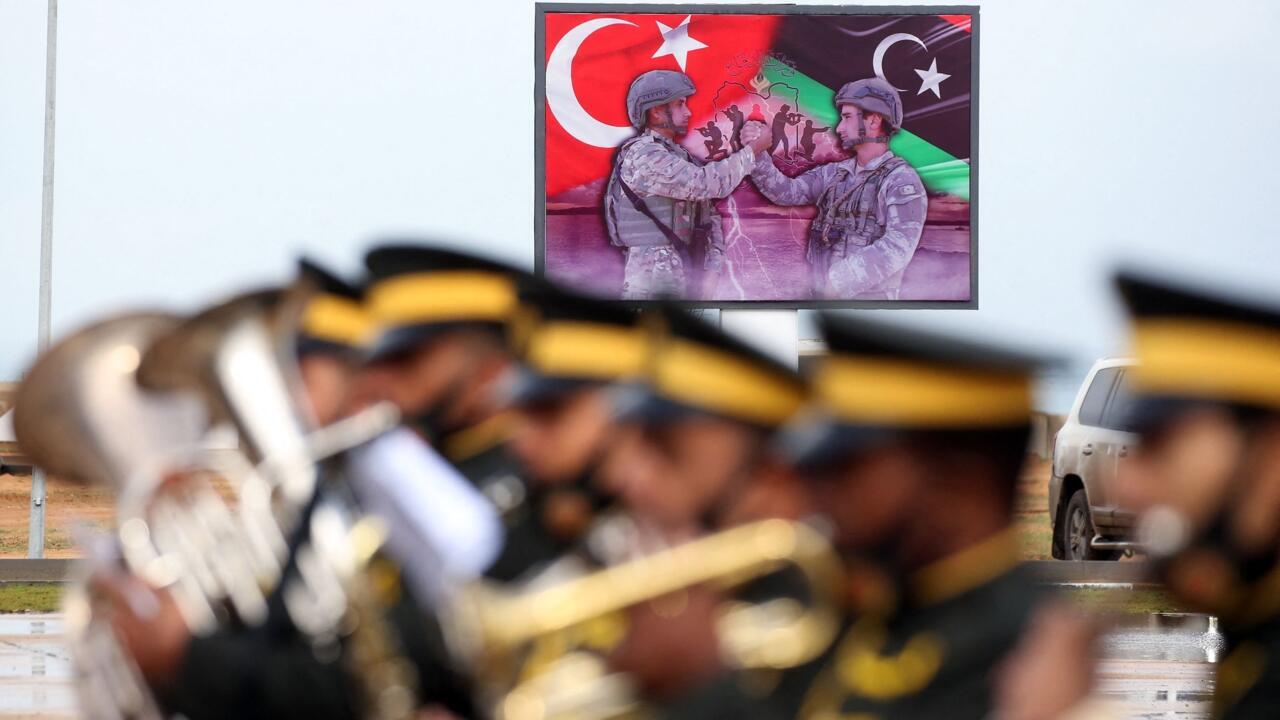
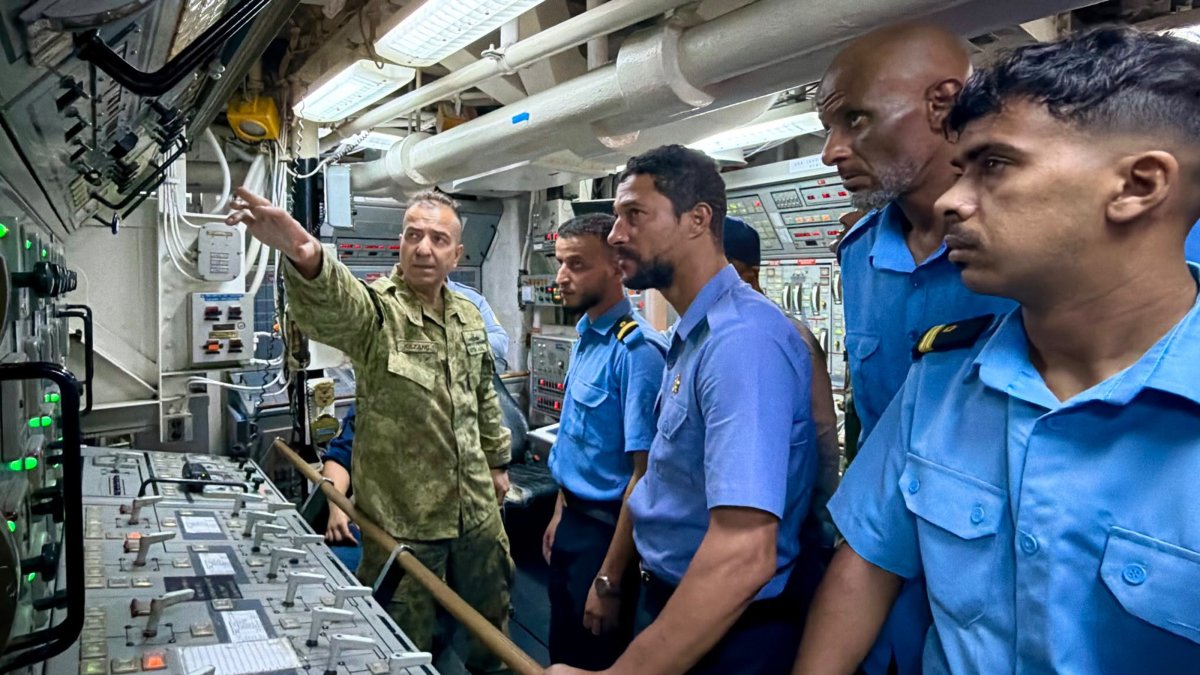
When Türkiye became militarily involved in the Libya crisis, Khalifa Haftar's assault on Tripoli halted, and the involvement has underpinned a fragile military equilibrium ever since. This year, however, the picture changed notably. In April, the conflicting parties jointly signed Libya's first unified budget in 13 years. Then, on June 18, a trilateral power-sharing agreement emerged, brokered not through the U.N. process but directly by Washington. Those developments raise three interlocking questions: what is driving the transformation in U.S. policy toward Libya, how much of it owes to the fallout from the war with Iran, and where does Türkiye actually stand in this evolving picture?