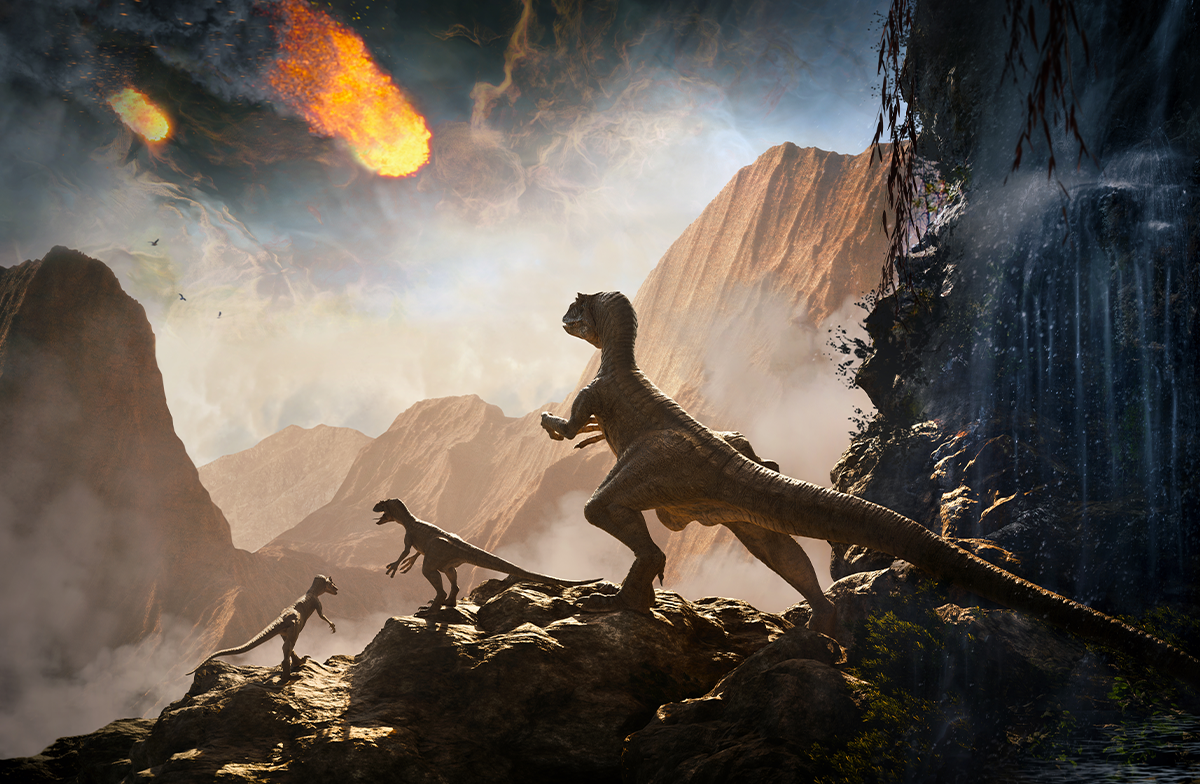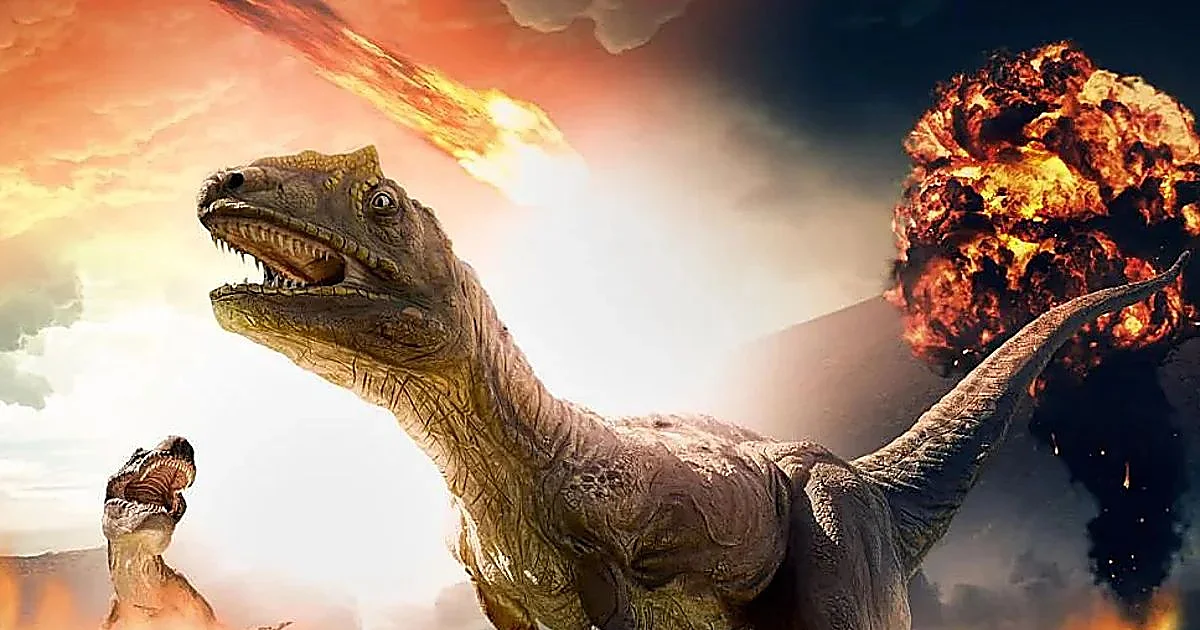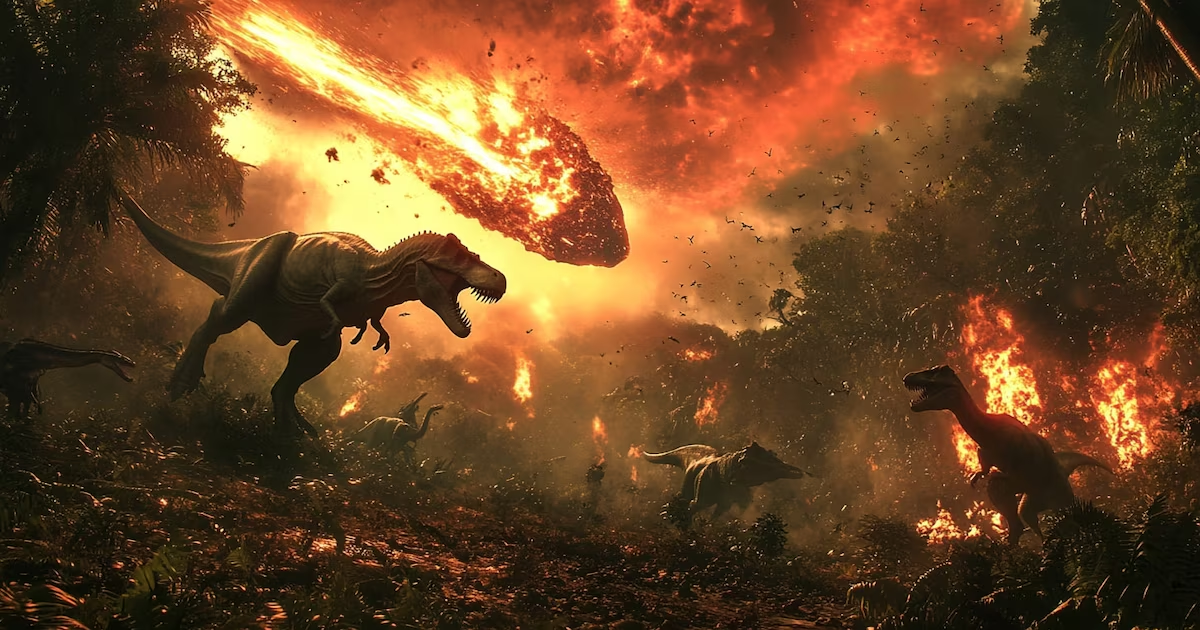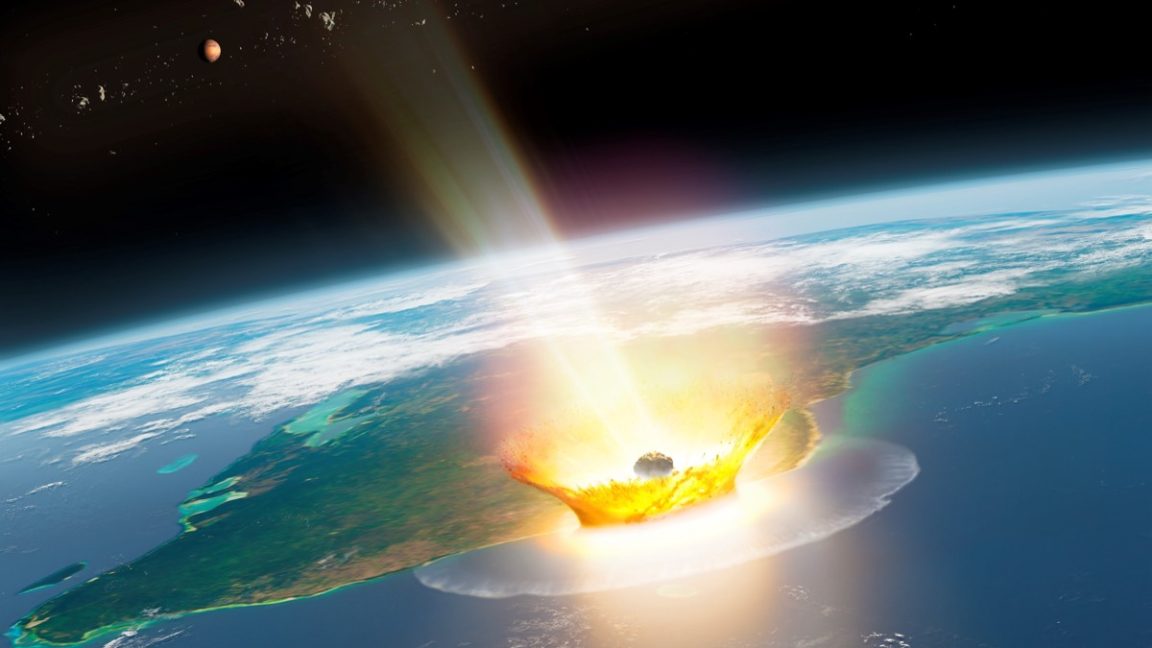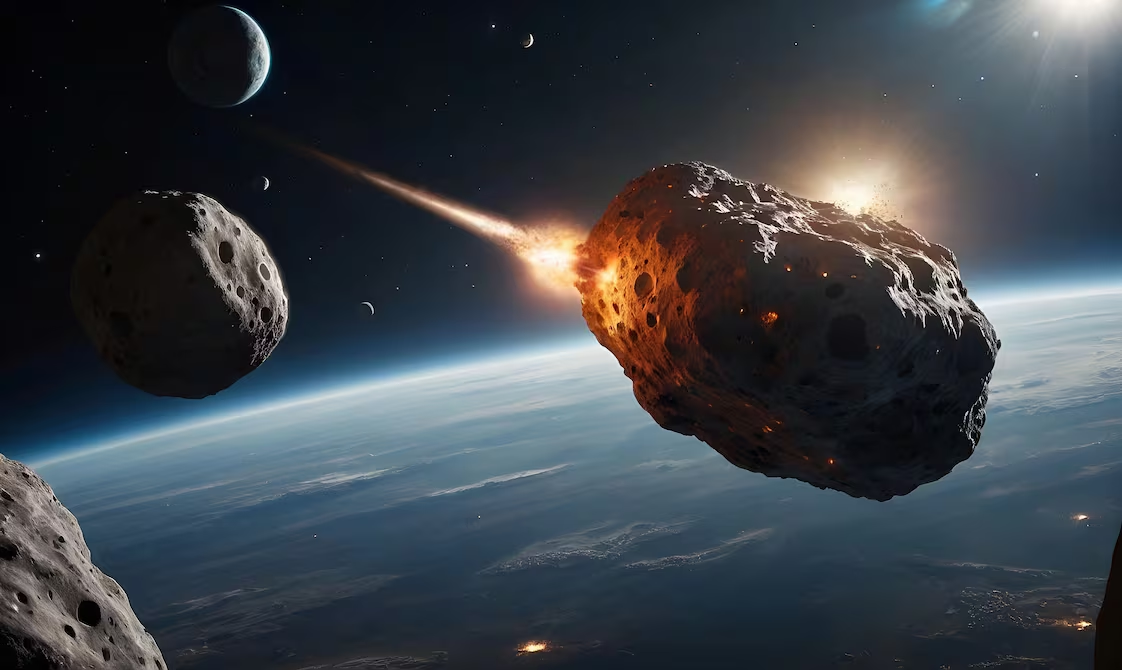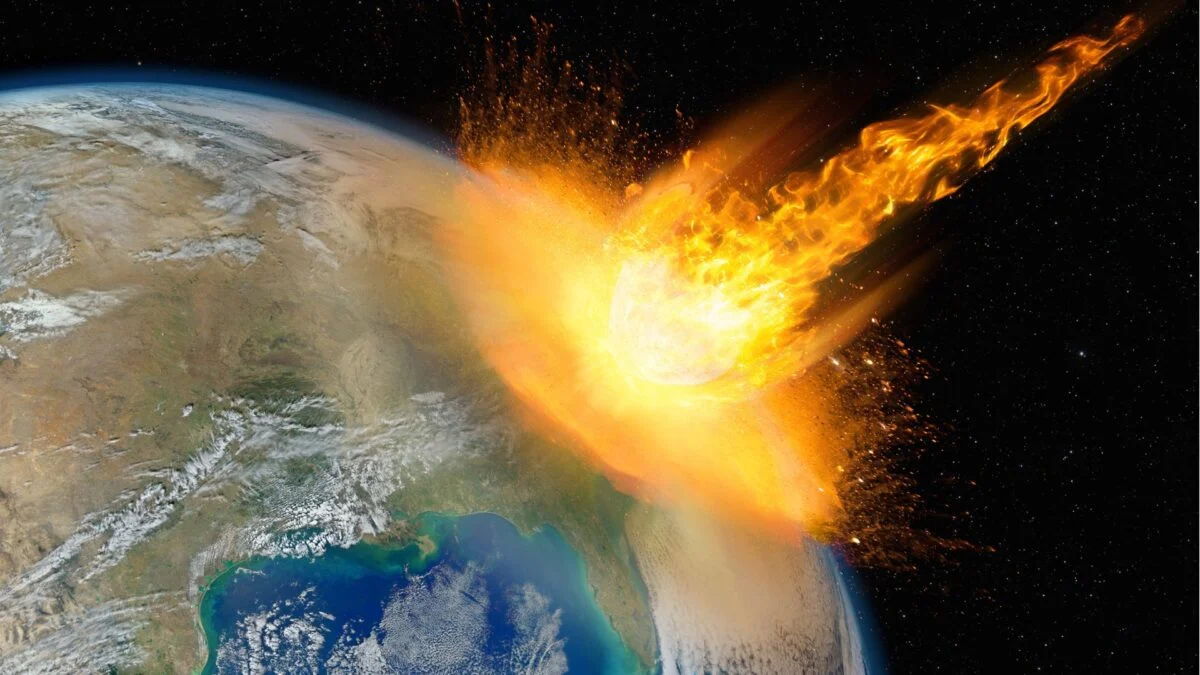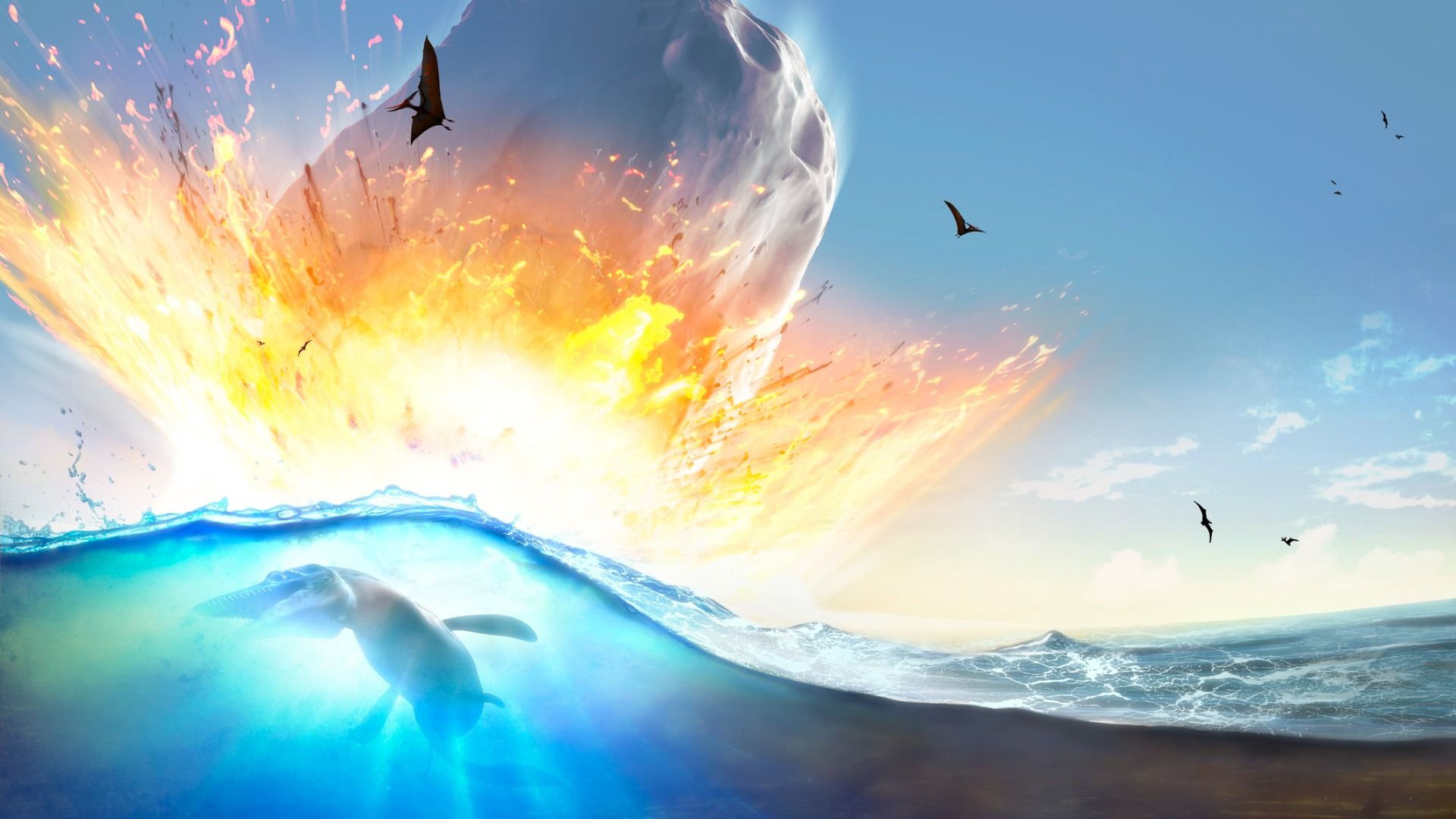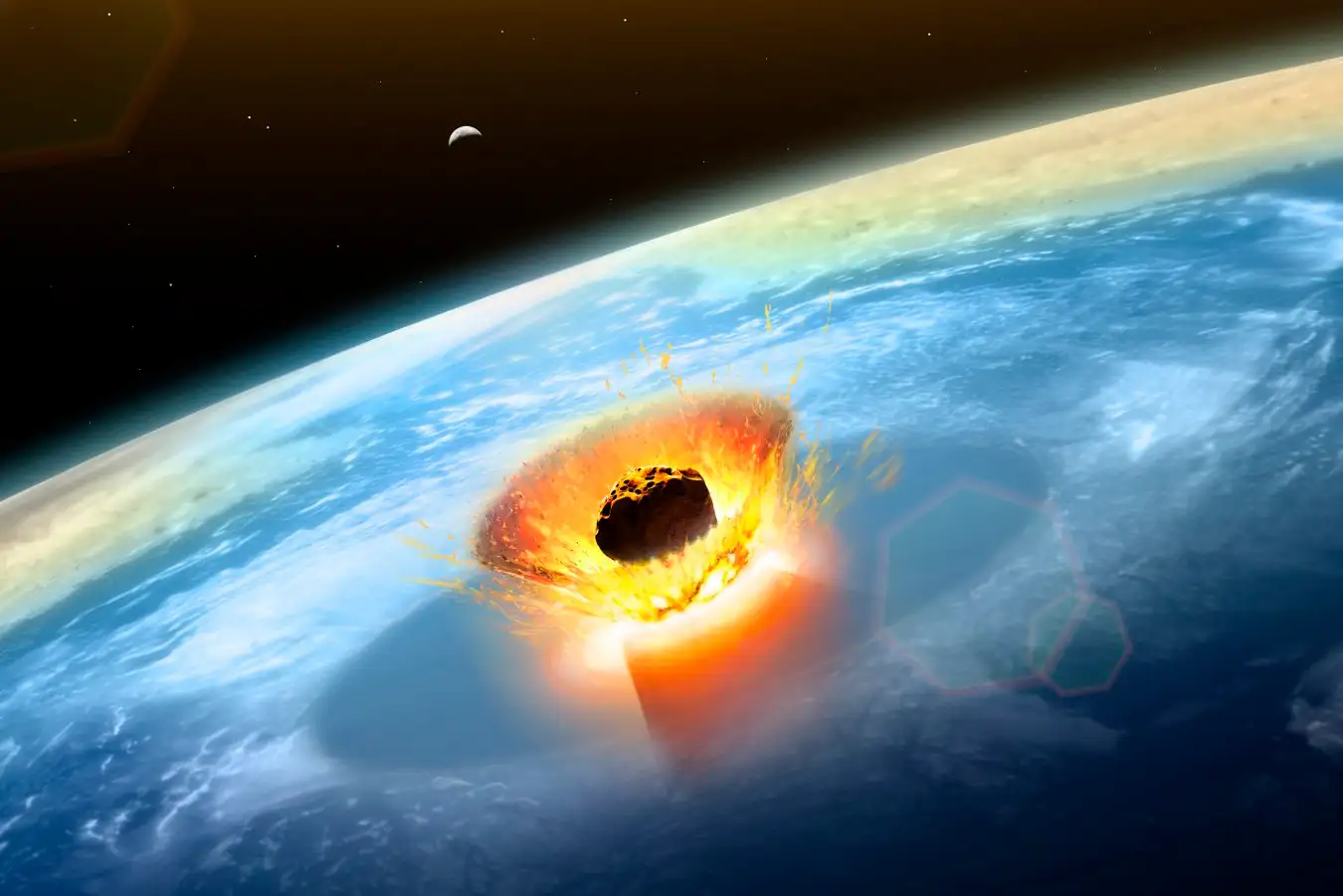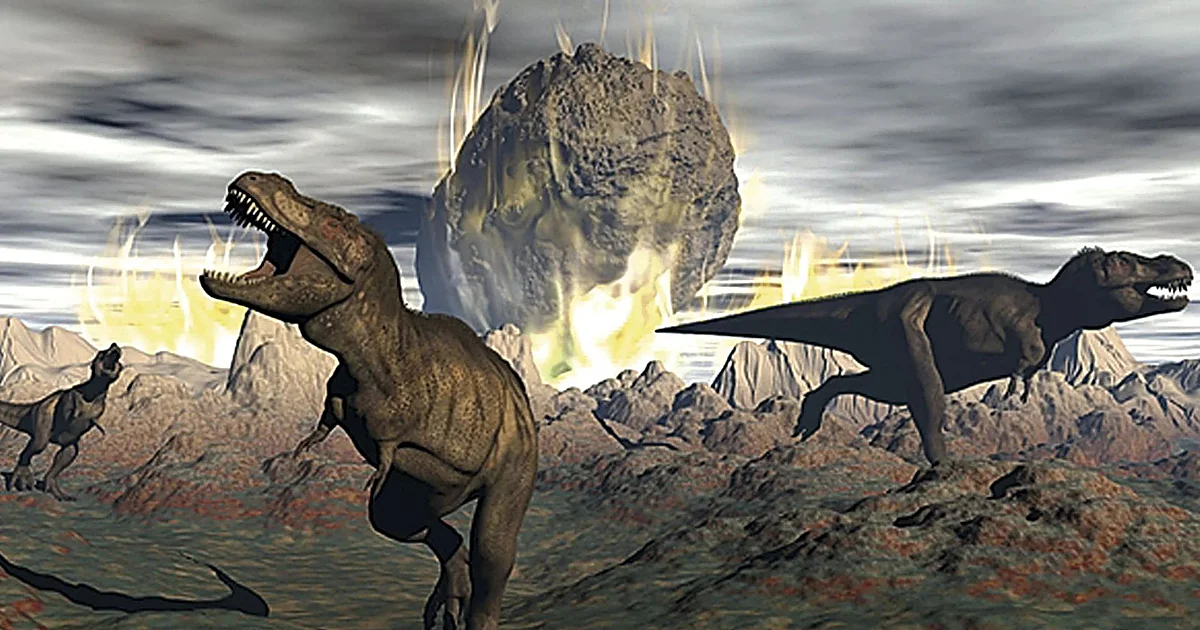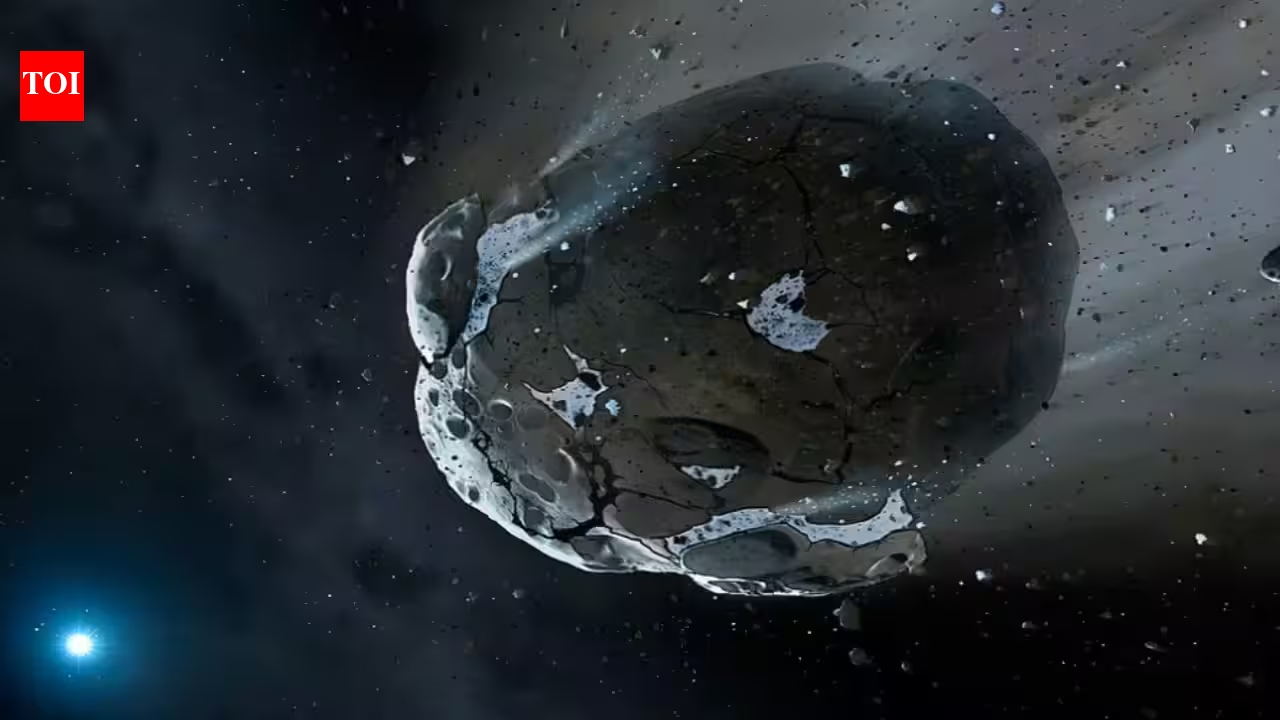
Representative image of an asteroid. Credits - Wikimedia CommonsWhen an asteroid roughly six miles wide slammed into what is now Mexico's Yucatán Peninsula 66 million years ago, the impact itself was only the beginning. The American Geophysical Union suggests the debris that the impact threw into the sky came raining back down with enough force to cook the planet's surface, delivering a second, deadlier punch on top of the collision itself.A plume of vaporized rock circles the entire planetAccording to a press release from Purdue University, planetary scientists Brandon Johnson and Alexandria Johnson built on earlier research showing the Chicxulub impact vaporised more than 1,000 cubic kilometres of rock and soil, material that expanded into an enormous plume high above the atmosphere. As that vapour rose and cooled, much of it condensed the way water vapour forms raindrops, except here it formed tiny glassy droplets called spherules, each only around 250 micrometres across. These spherules travelled thousands of kilometres through the upper atmosphere before gravity pulled them back toward the surface.Falling debris turns the sky into a broilerAccording to reporting from the American Geophysical Union, friction between the falling spherules and the atmosphere generated an intense pulse of heat as they plunged back to Earth. Scientists have understood this basic mechanism for years, but earlier models suggested the heat pulse alone may not have been strong enough to ignite fires across the entire globe. The new study identifies a second factor that appears to have made the effect far more severe than previously calculated. Alongside the visible spherules, a much larger volume of vaporised rock never condensed into droplets at all. Instead, it formed an extremely fine dust, with individual particles roughly 2.5 micrometres across, about 30 times smaller than a human hair, according to Purdue's account of the research. That fine dust spread out to form a thick, global layer in the atmosphere.Representative illustration of an asteroid. Credits - Wikimedia CommonsWhy a dust blanket made the heat pulse so much worseThe dust cloud may have helped trap heat already generated by the falling spherules. According to Purdue University, the layer of fine dust acted like an insulating lid over the entire planet, allowing almost no infrared radiation from the falling spherules to escape back into space. Instead, that heat radiated back down toward the surface, effectively cooking it. Brandon Johnson said the energy involved may have created broiler-like conditions at Earth’s surface, hot enough to kill animals caught without shelter, within the first hour or two after impact. Alexandria Johnson compared the fine dust to modern air pollution, noting that particles of this size are the same ones scientists worry about in wildfire smoke, though on a vastly larger and more destructive scale.Why some animals survived a planetary broiler and others did notThe new findings, published in the Journal of Geophysical Research: Biogeosciences, fit closely with a long-observed pattern in the fossil record from this exact period. Animals that could shelter underground, underwater, or in some other protected space were consistently more likely to survive the extinction event that followed the impact, while creatures caught out in the open faced the full force of the heat pulse. Plants may have survived largely through buried seeds and roots. Birds were the only dinosaur lineage known to survive the extinction, a pattern many scientists have linked to their relatively small body size and ability to shelter in burrows, water, or dense vegetation. This research adds evidence to the debate over whether the extinction was driven more by the immediate heat pulse or by the years of global cooling and darkness that followed the impact. The two explanations are not necessarily in conflict. A brief but devastating heat pulse immediately after impact, followed by years of cold and darkness as dust and soot blocked out the sun, may have combined to contribute to one of the largest mass extinctions known.
Scientists say the dinosaur-killing asteroid may have broiled Earth’s surface when hot debris and fine dust rained back through the atmosphere
When an asteroid roughly six miles wide slammed into what is now Mexico's Yucatán Peninsula 66 million years ago, the impact itself was only the beginning. The American Geophysical Union suggests the debris that the impact threw into the sky came raining back down with enough force to cook the planet's surface, delivering a second, deadlier punch on top of the collision itself.
648 words~3 min read