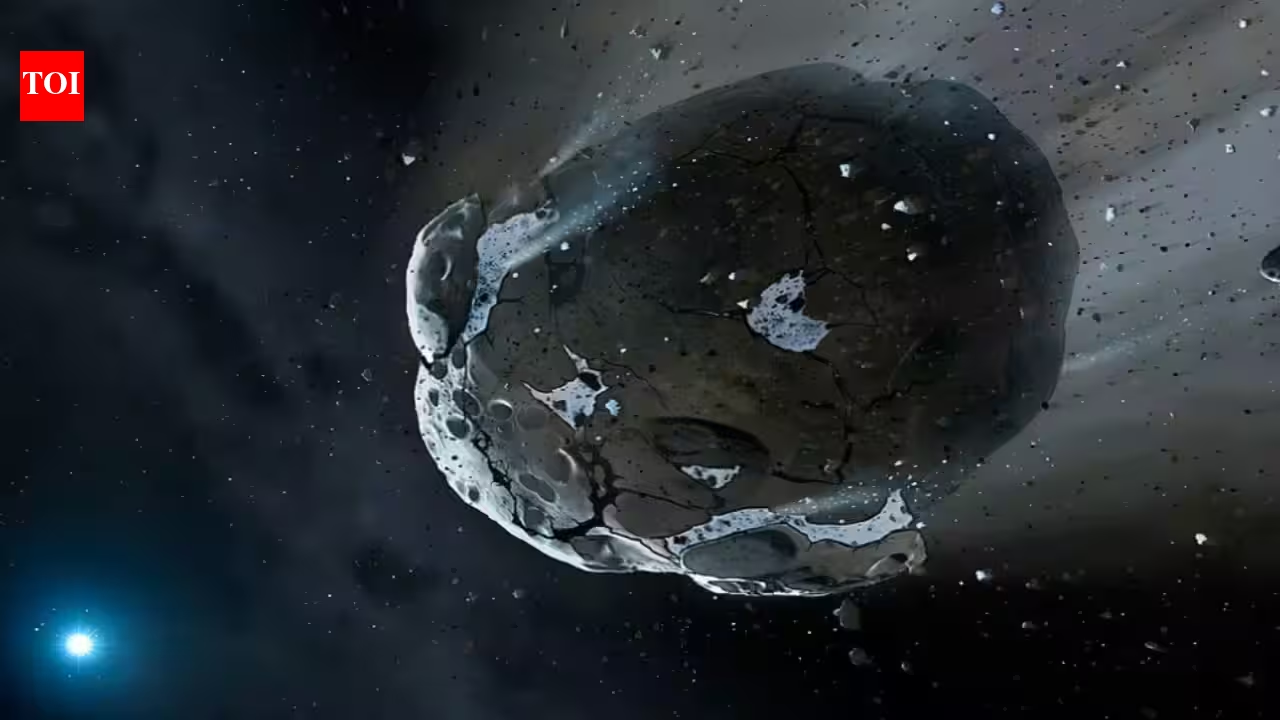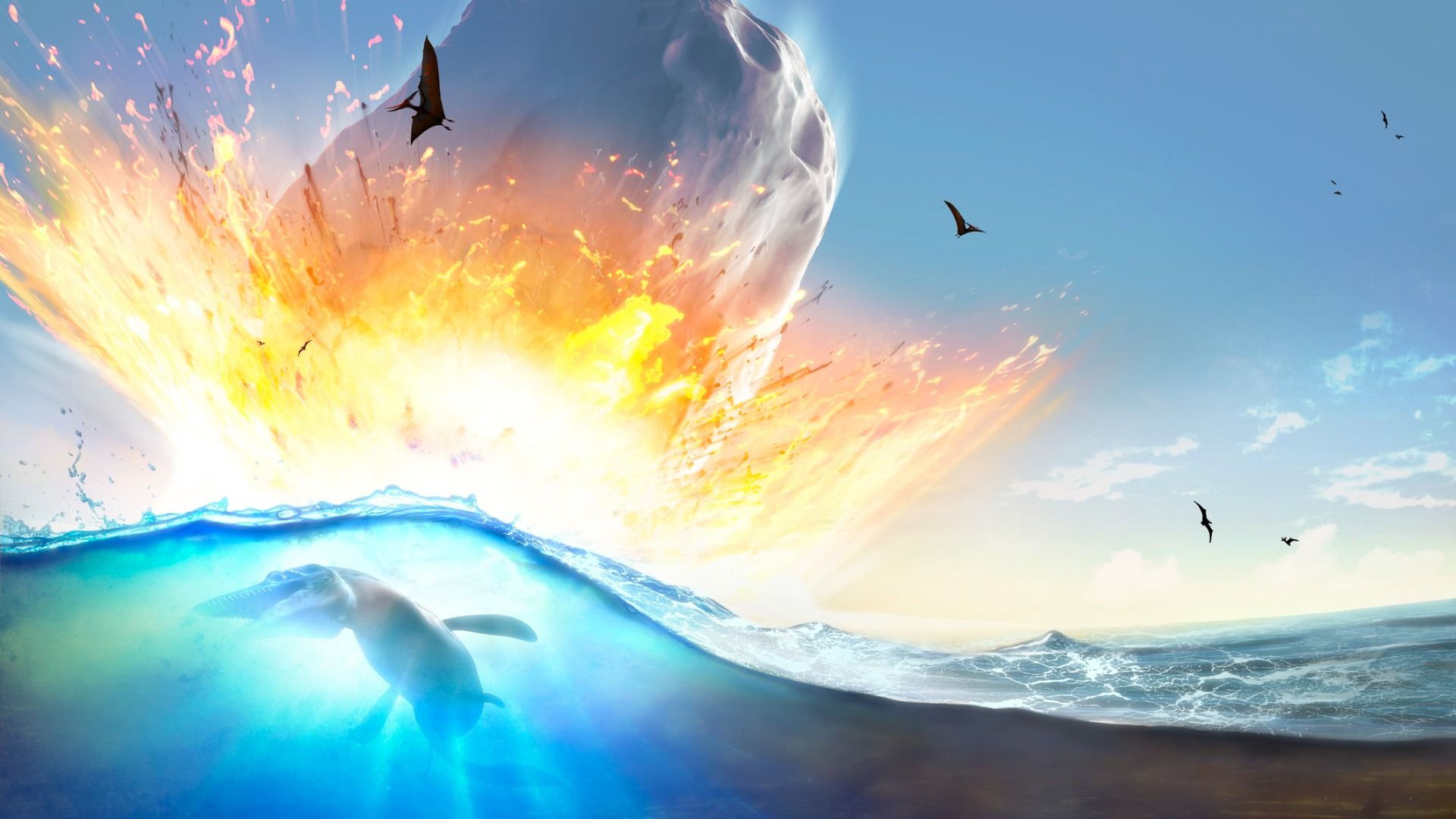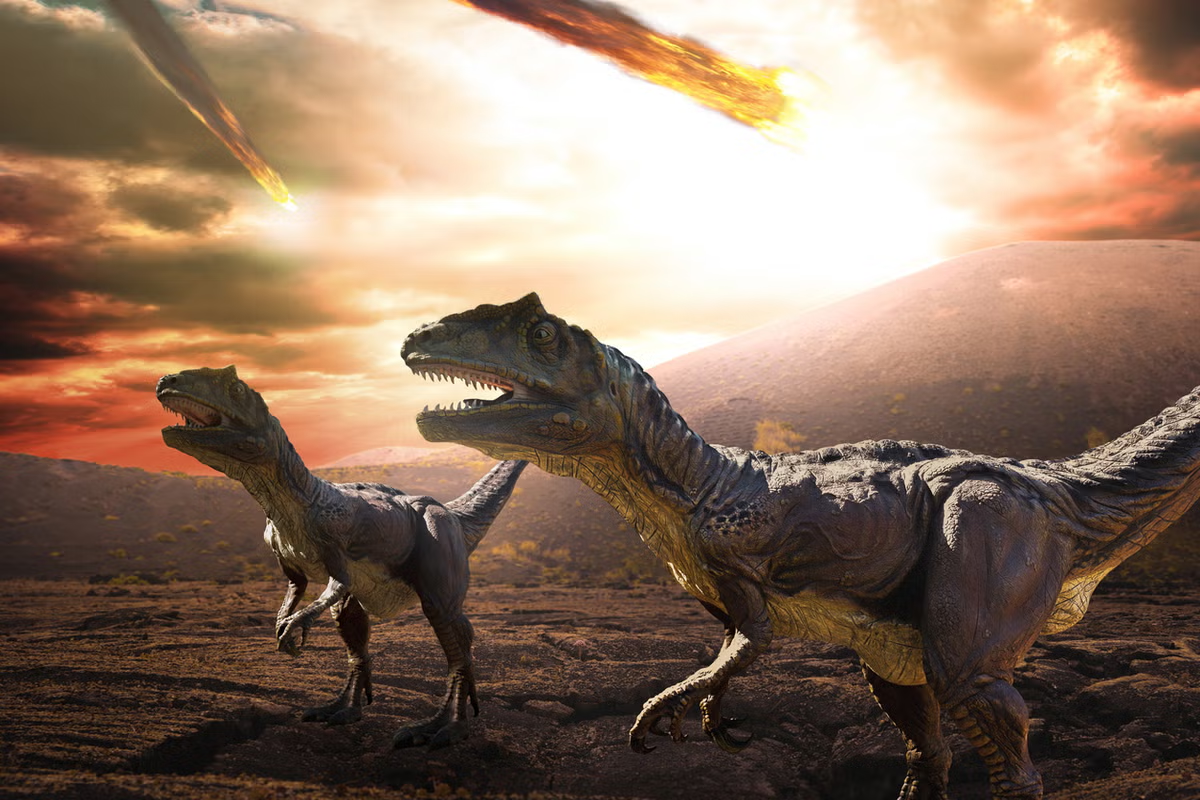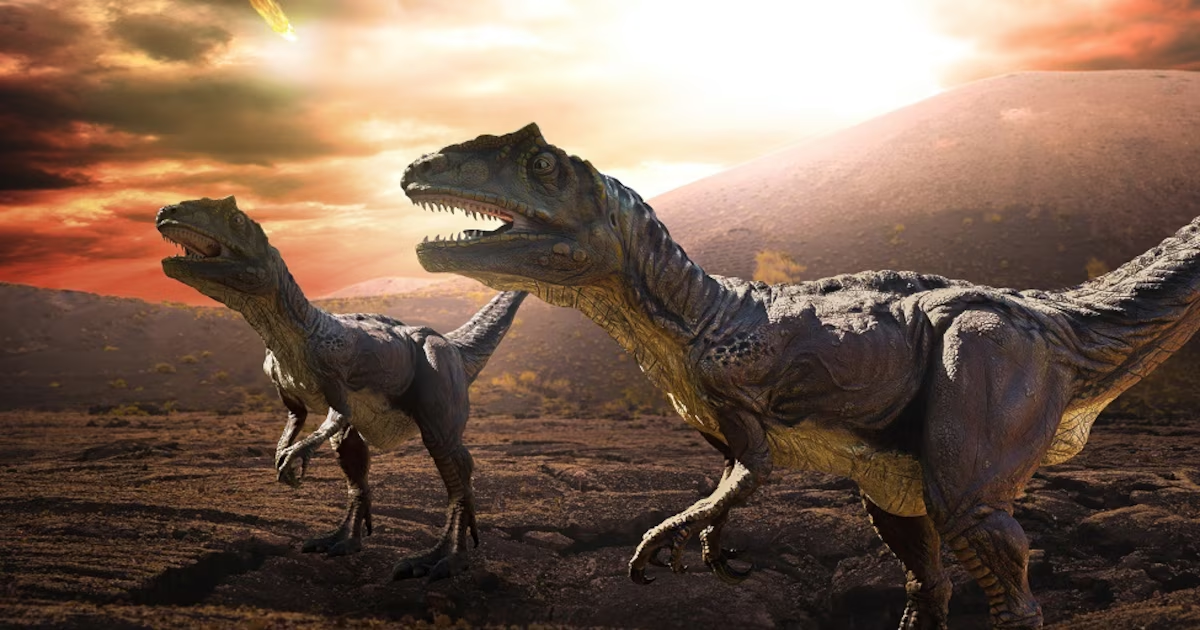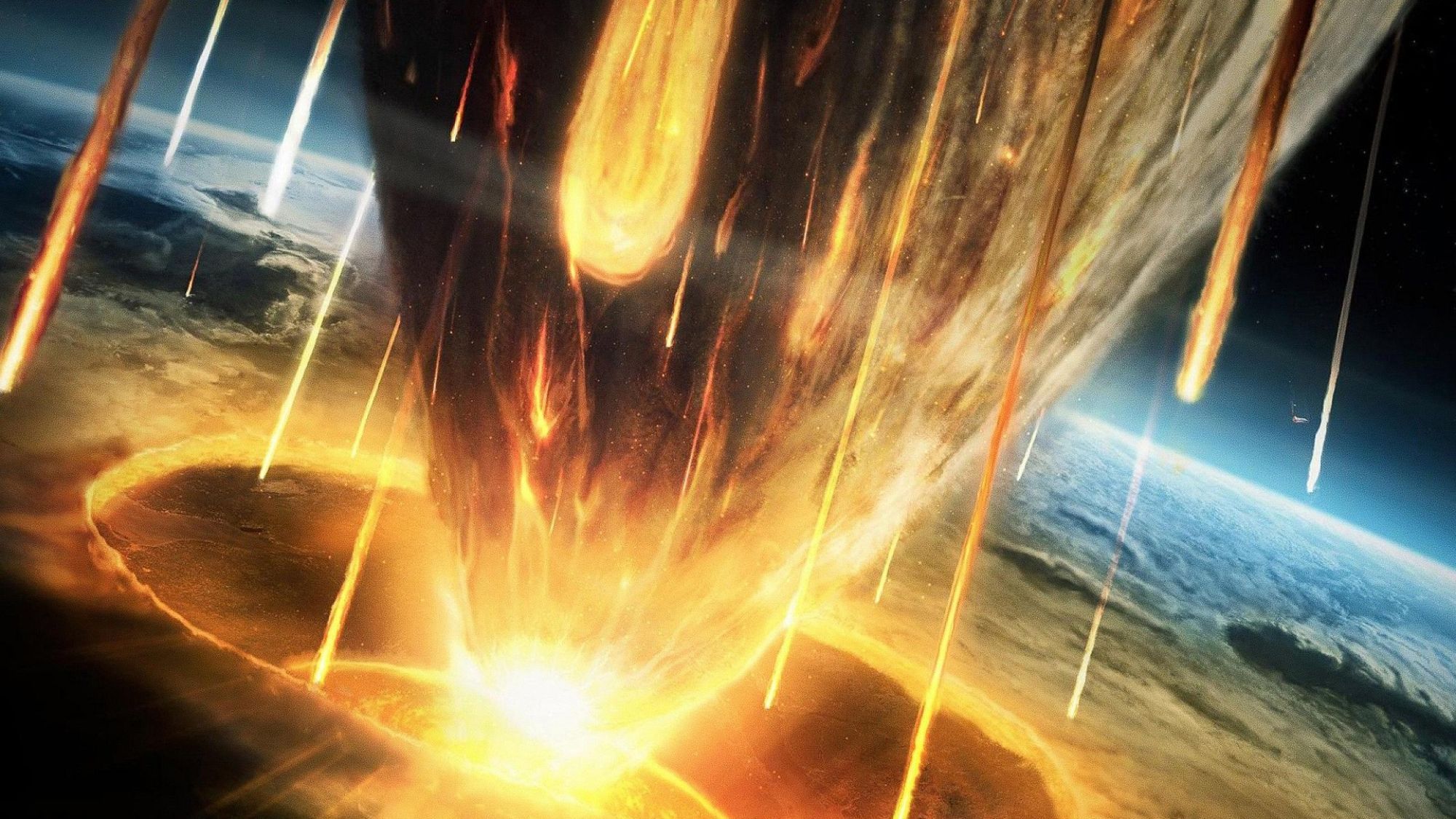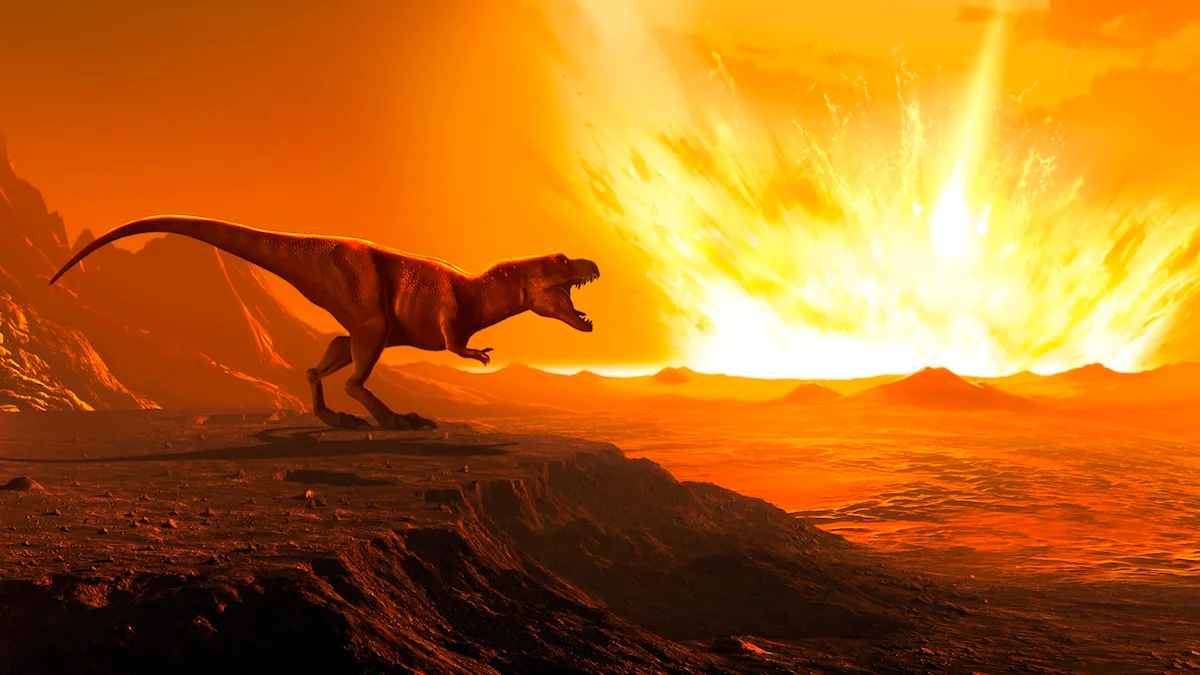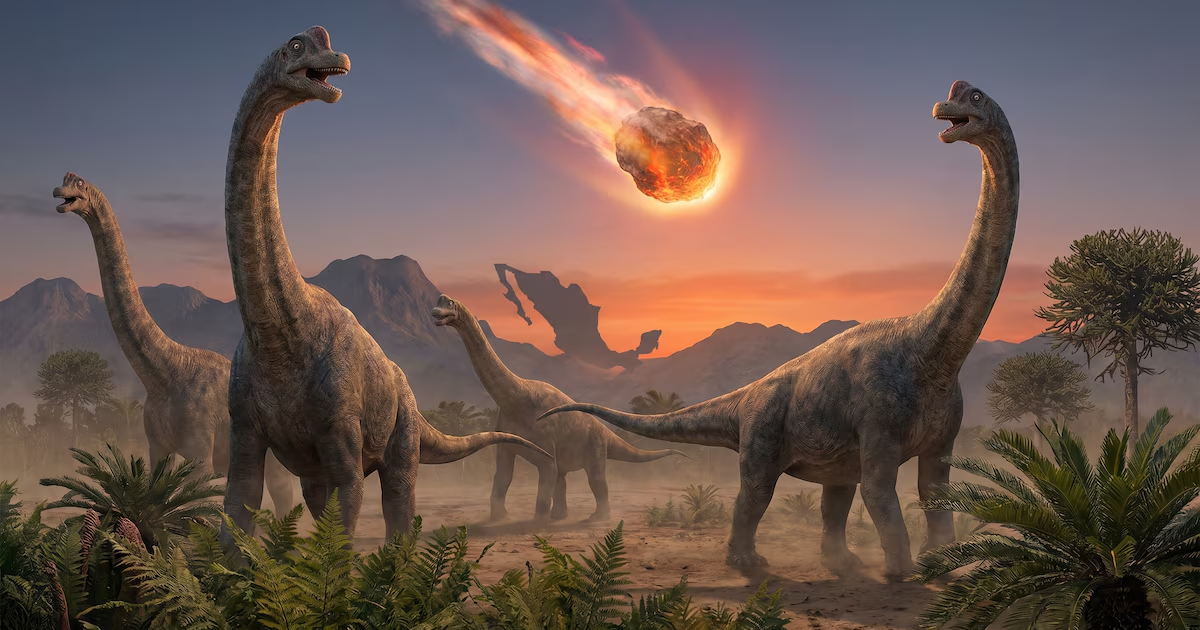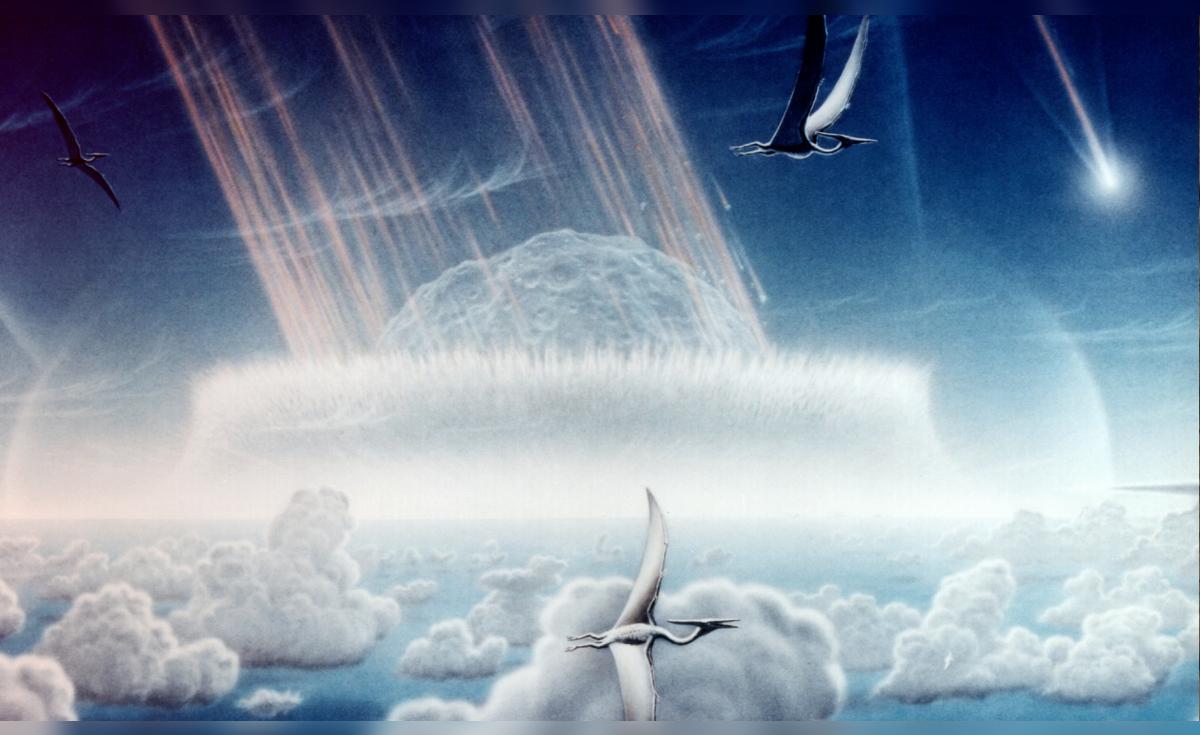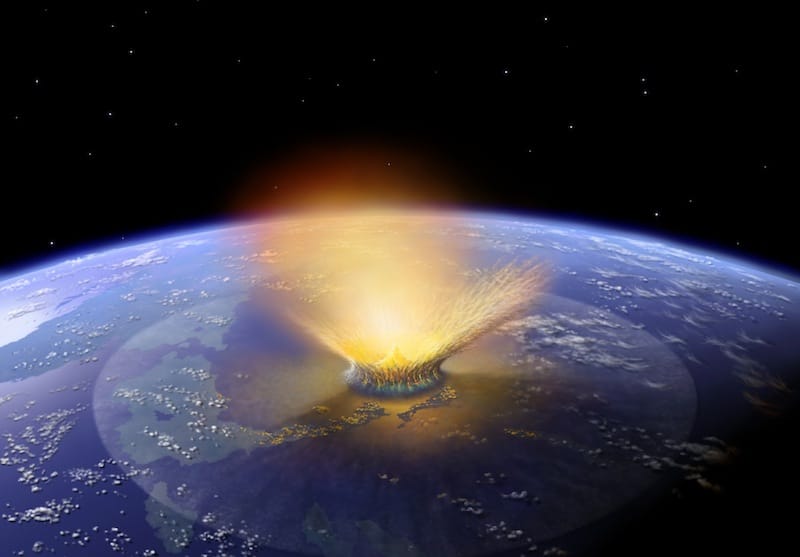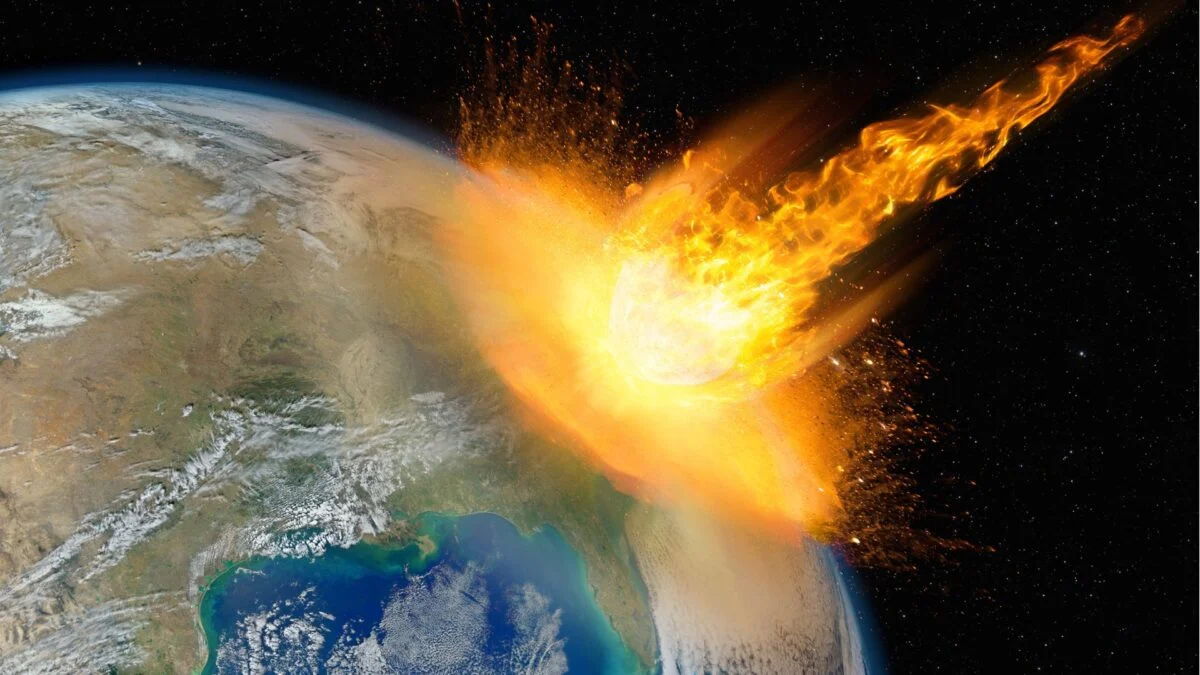
Roughly 66 million years ago, a giant asteroid slammed into what is known today as Mexico’s Yucatán Peninsula, triggering the extinction of all non-bird dinosaurs and many other species. Scientists know this thanks to a wealth of geological evidence, but a new study has them rethinking how the impact contributed to that mass extinction. The findings, published Friday in the journal Science Advances, suggest that the asteroid was an exceptionally rare visitor from the edge of our solar system. After analyzing samples from a thin layer of clay that the impact deposited across the globe, the researchers concluded that the impactor was a CO chondrite. This type of space rock has relatively low concentrations of volatile elements such as water, carbon, zinc, and particularly sulfur, which throws the widely accepted extinction mechanism into question. “It doesn’t alter our theory of what caused the extinction event—but it makes it less likely that sulphur contained in the impactor was the smoking gun,” co-author Philippe Claeys, a planetary scientist and professor at the Free University of Brussels in Belgium, said in a statement. “The fine debris thrown into the atmosphere would have [been] the primary factor.” Claeys contributed to this research as a visiting professor at the University of British Columbia.
The Asteroid That Killed the Dinosaurs May Not Have Done It Exactly How We Thought
Researchers identified the Chicxulub impactor as an exceptionally rare type of asteroid that wouldn't have triggered a mass extinction in the way scientists previously thought.
550 words~3 min read