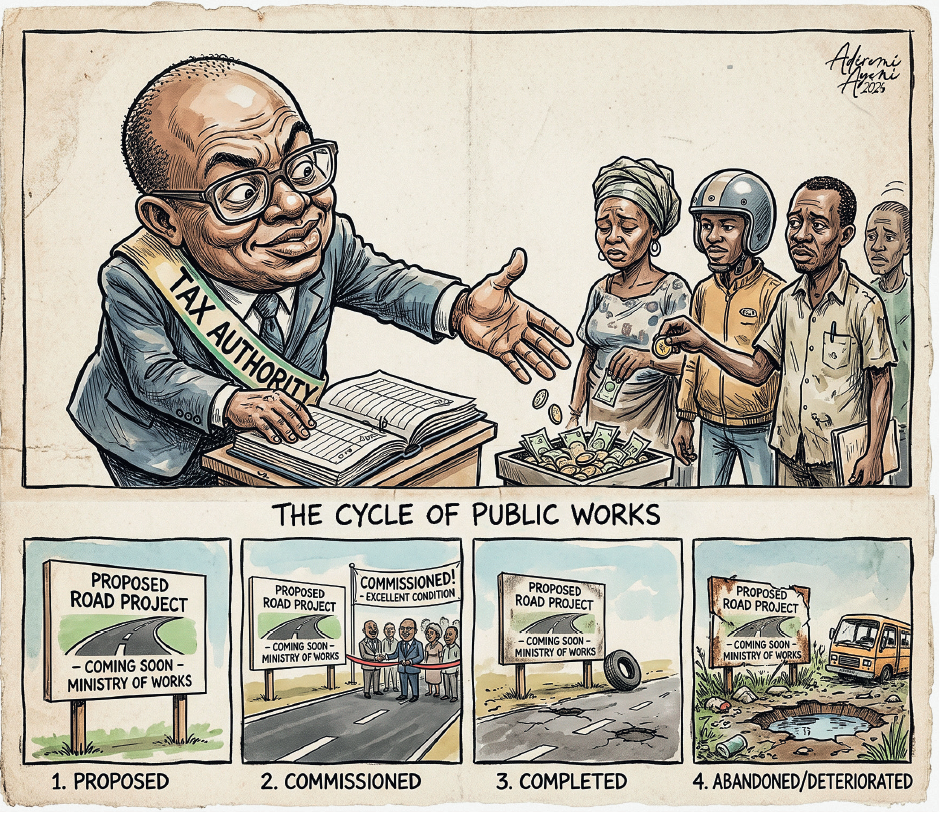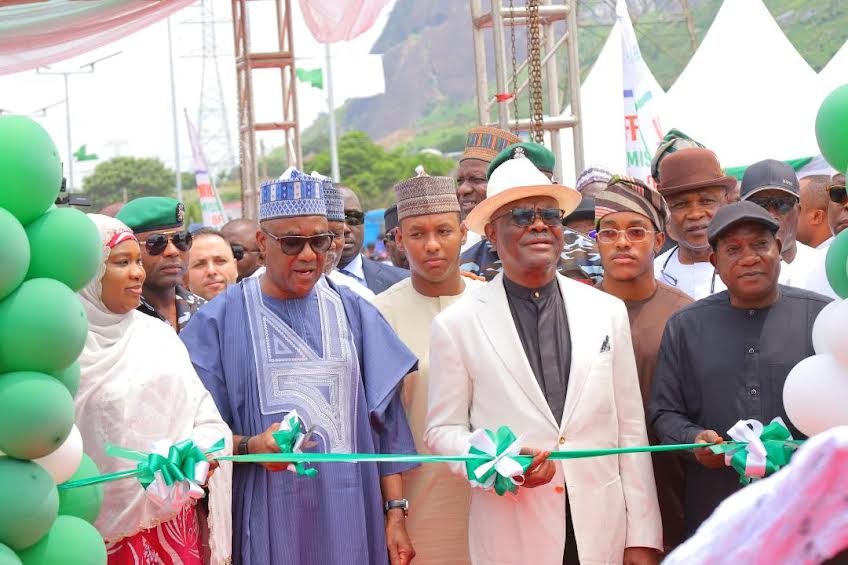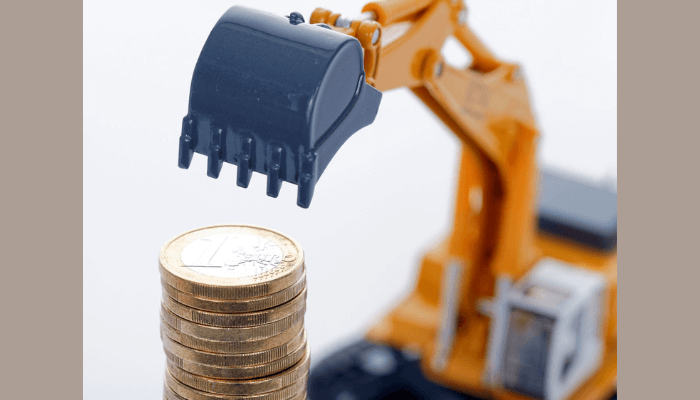
Every government likes to build something that can be photographed: roads, bridges, schools, hospitals, boreholes and many others. Of course, a new project offers a ribbon to cut, a plaque to unveil and an achievement to present before the next election. However, maintaining existing infrastructure offers none of those political rewards. Indeed, history remembers societies not for how much they built but for what they managed to preserve.
Nigeria has embraced the opposite logic. Across the country, public assets deteriorate long before their expected lifespan. Roads develop potholes within a few rainy seasons. Water schemes fail because broken pumps are never repaired. School buildings crumble. Environmental projects disappear once contractors leave the site. The familiar explanation quickly follows: Nigerians lack a maintenance culture.
That diagnosis is too convenient. It blames citizens while overlooking the institutions that shape public behaviour. Nigeria’s maintenance problem is largely the product of its development model. The country has become better at constructing projects than building the institutions needed to sustain them.
Development is often reduced to visible infrastructure. Governments budget for roads, classrooms, boreholes and housing estates because they are tangible and politically rewarding. Procurement systems finance construction, while commissioning ceremonies demonstrate that something has been delivered.