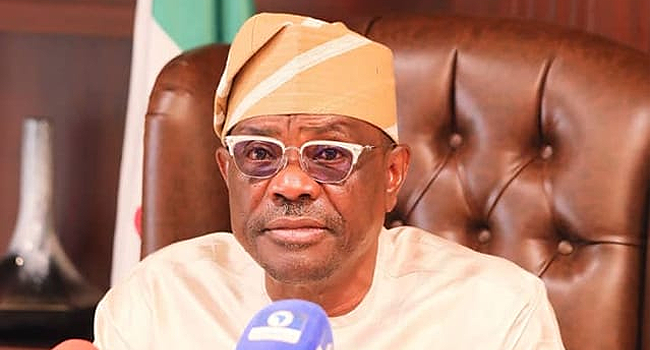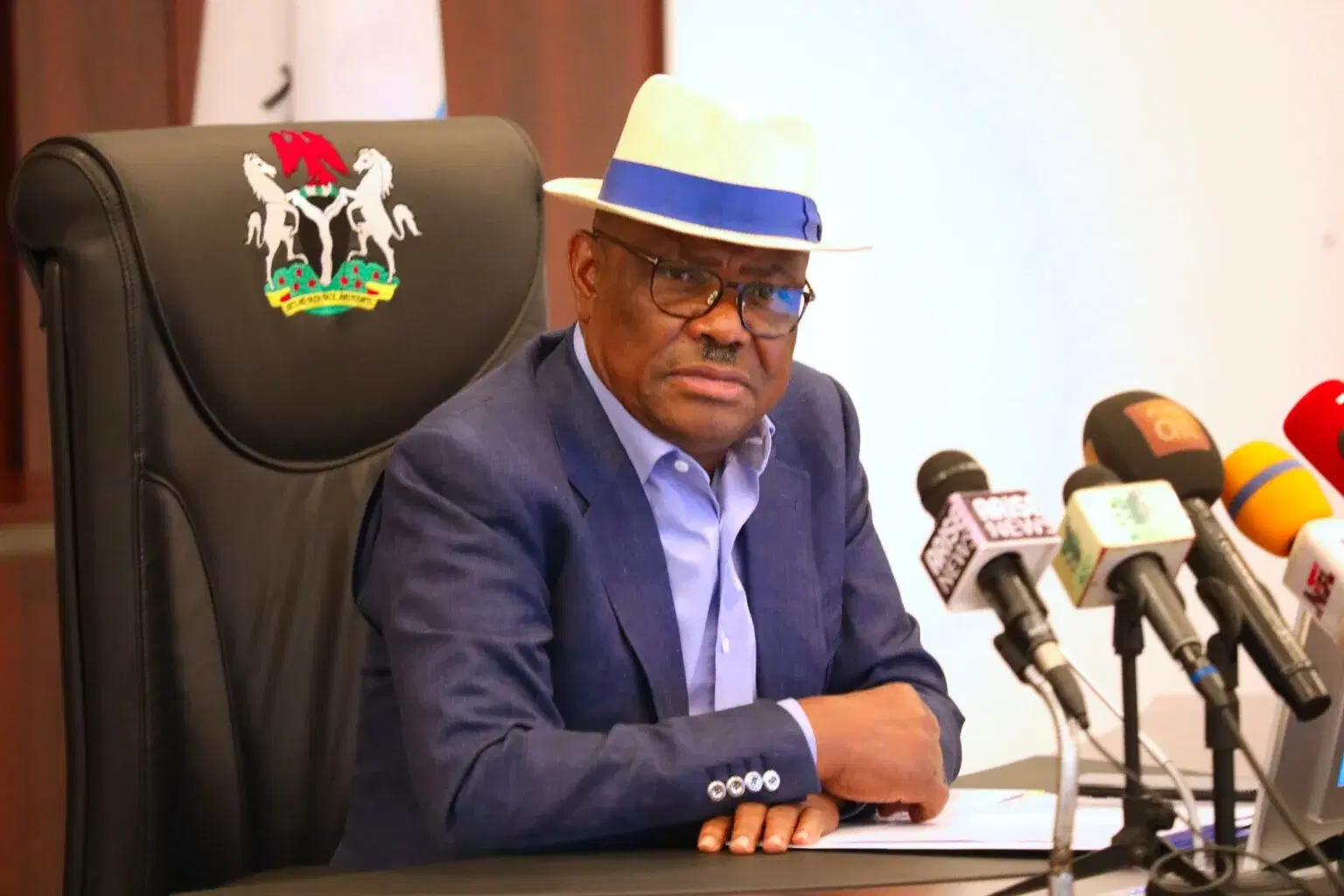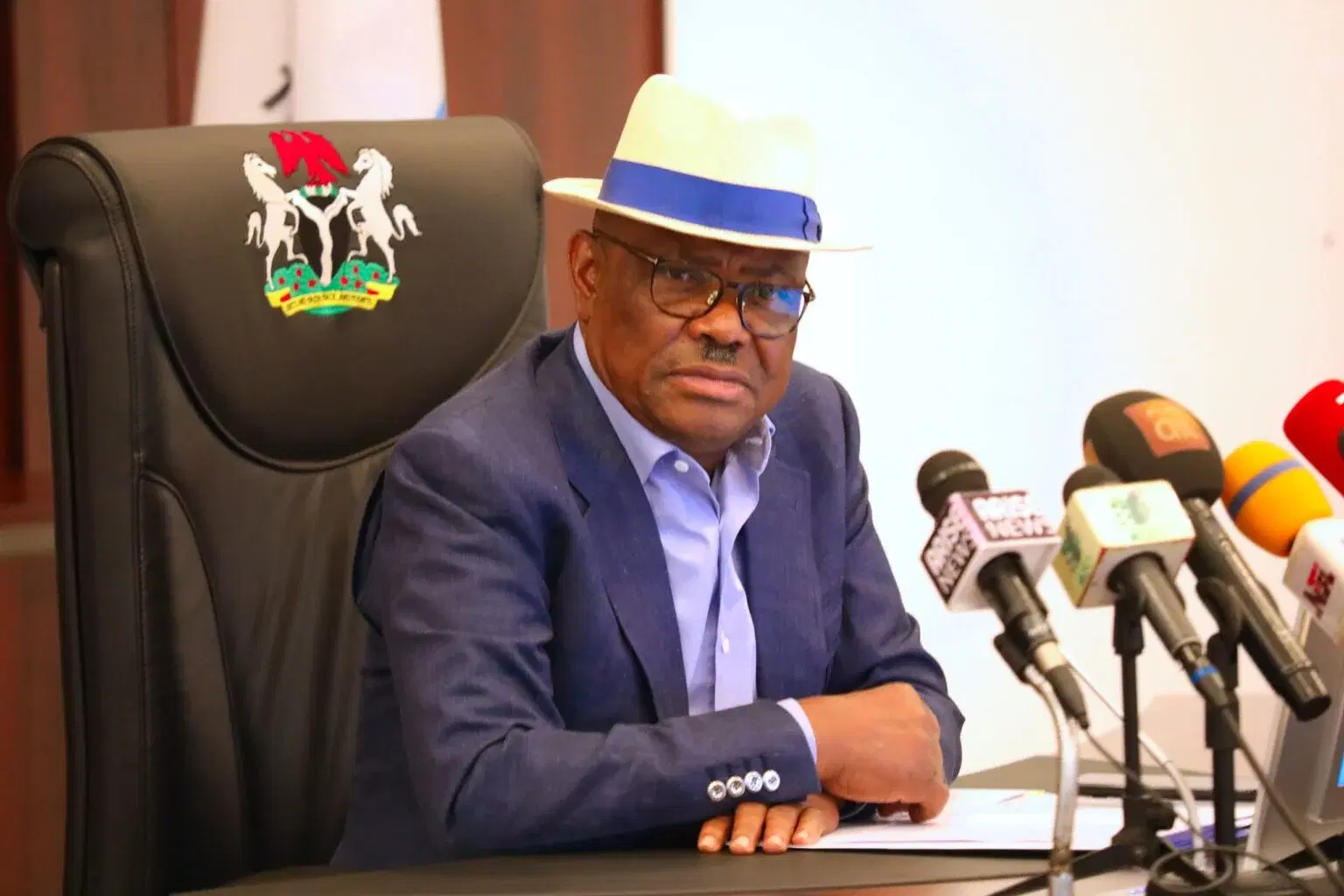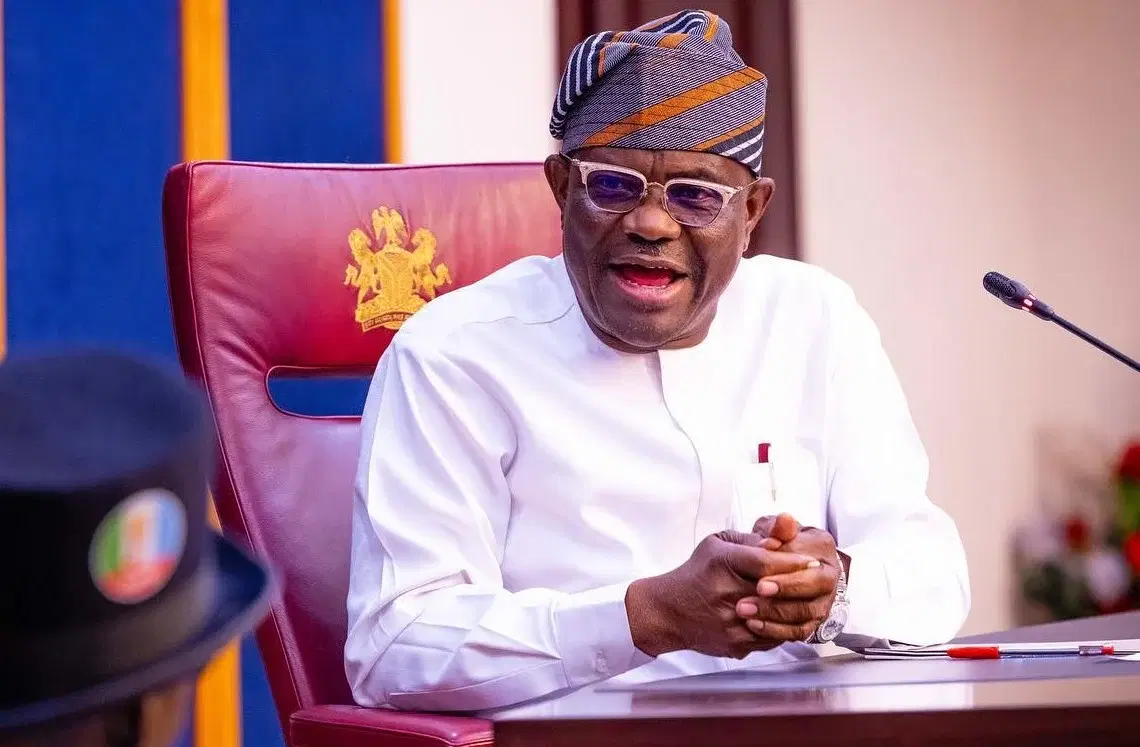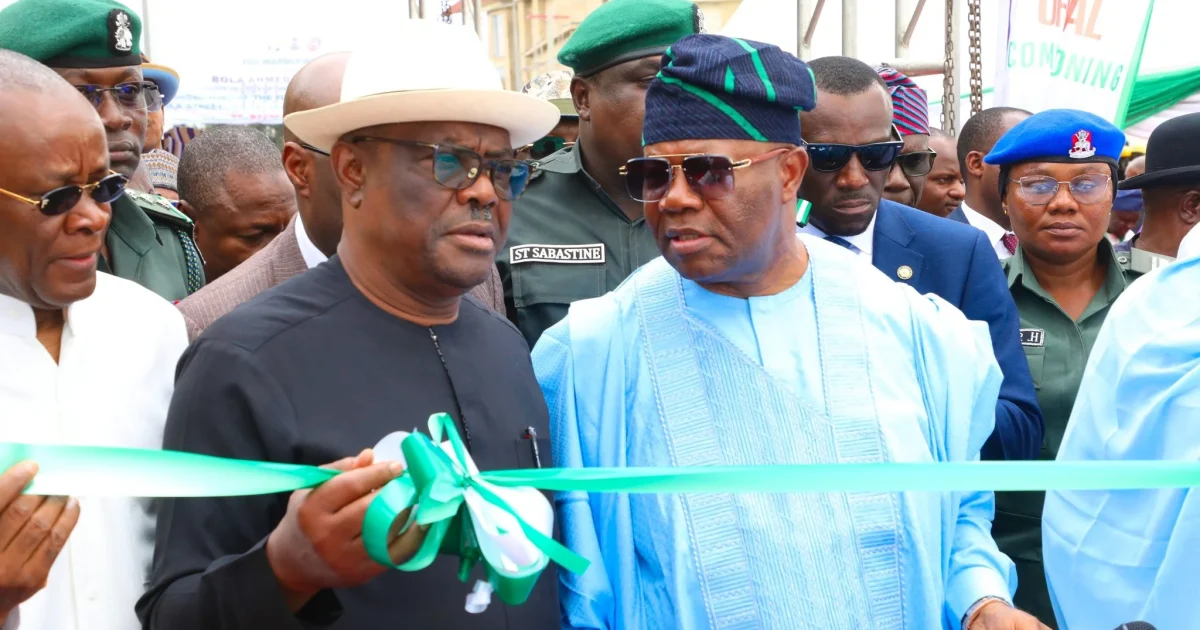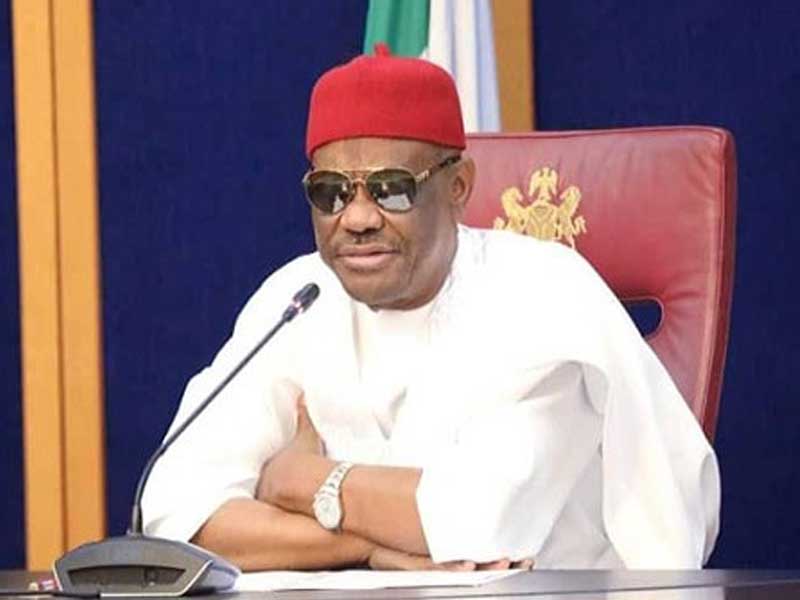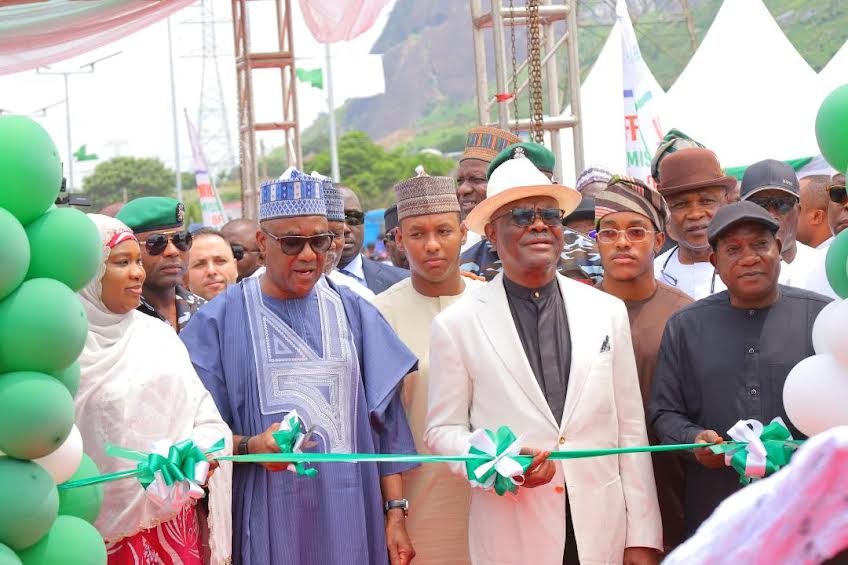
The 28-day project inauguration exercise by FCT Minister Nyesom Wike marked one of the most remarkable periods of infrastructure delivery in Abuja’s history. Yet, despite the visible progress, many neglected communities continue to appeal for rehabilitation of their deteriorating roads. Olawale Ajimotokan reports
When Hajia Farida Jalal leaves her home in Kubwa before sunrise to buy foodstuffs at Sokale Market in Dutse, her biggest challenge is not the early hour—it is the road.
Deep potholes along NEPA Road and adjoining streets have turned what should be a short commute into a daily ordeal. Transport fares have climbed as commercial tricycle operators and taxi drivers pass the cost of damaged vehicles on to passengers. At night, the poor roads become even more frightening, with residents fearing criminals who exploit the darkness and slow-moving traffic.
Yet, only a few kilometres away, newly completed highways and dual carriageways are transforming travel across the Federal Capital Territory (FCT), illustrating both the remarkable progress achieved under the current administration and the work that still lies ahead.
The ongoing expansion and rehabilitation of Abuja’s road network provide visible evidence of the capital city’s steady physical growth over the past five decades.