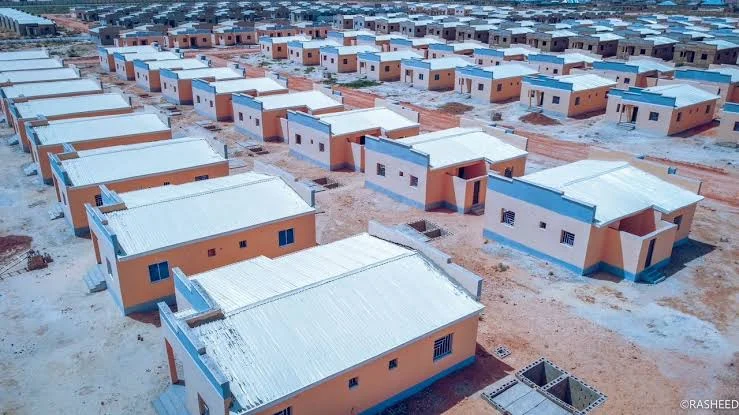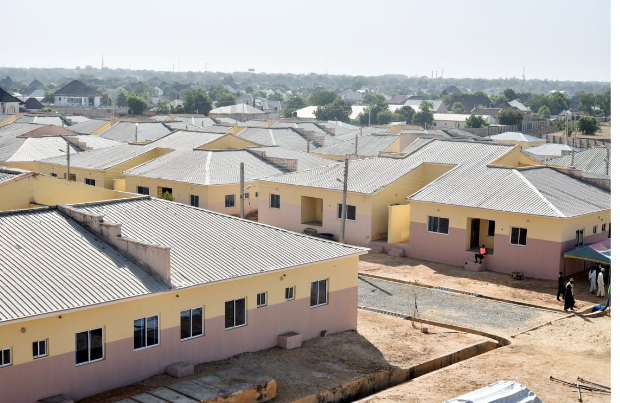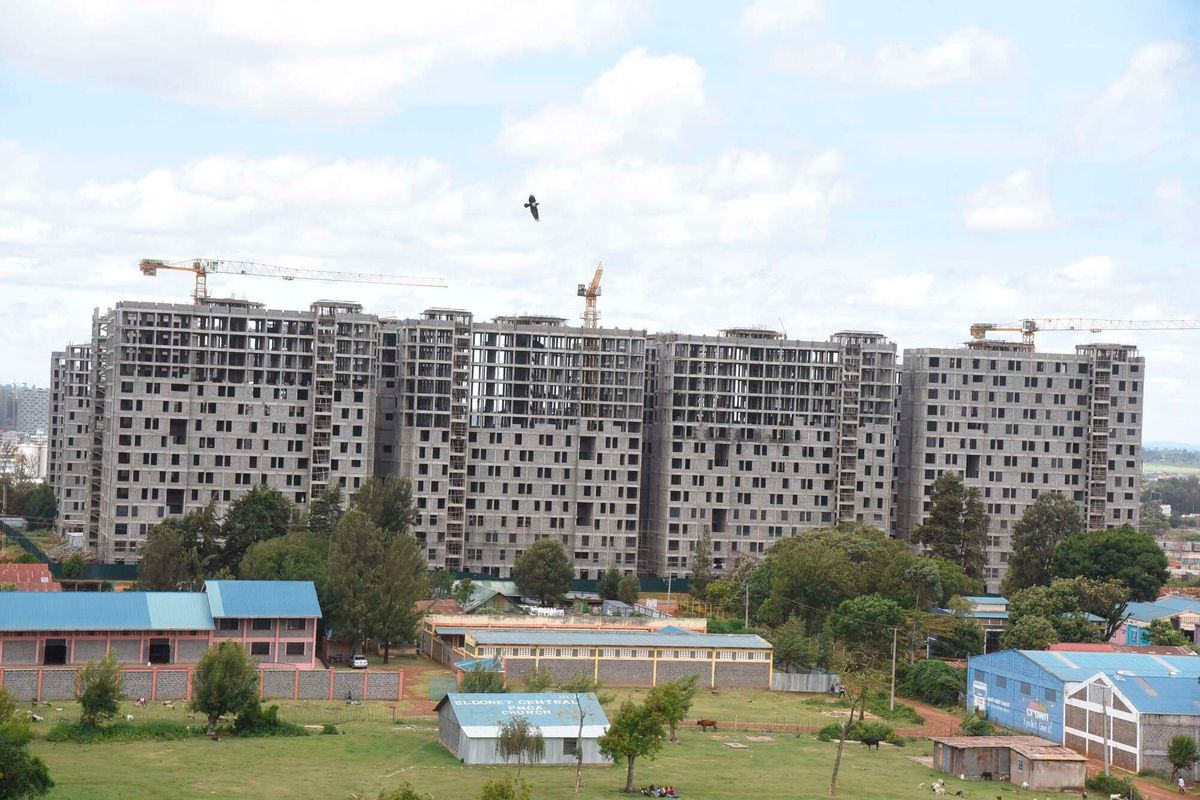
Nigeria needs approximately 20 million additional homes. Most discussions focus on how quickly those homes can be built. That is an incomplete question. The more important question is what building those homes can do for the Nigerian economy.
Countries that became economic powers did not treat housing merely as shelter. They used housing as an engine of industrialisation, job creation and wealth creation. Nigeria has an opportunity to do the same by using housing policy to create Homes, Industries and Wealth
The recent publication regarding a proposed Chinese intervention in Nigeria’s housing sector provides the immediate context for this opinion. It is important to state from the outset that there should be no objection to Chinese participation, or indeed to any credible foreign investor bringing capital, expertise and technology into Nigeria. On the contrary, Nigeria requires significant investment partnerships if it is to address its infrastructure and housing challenges at scale.
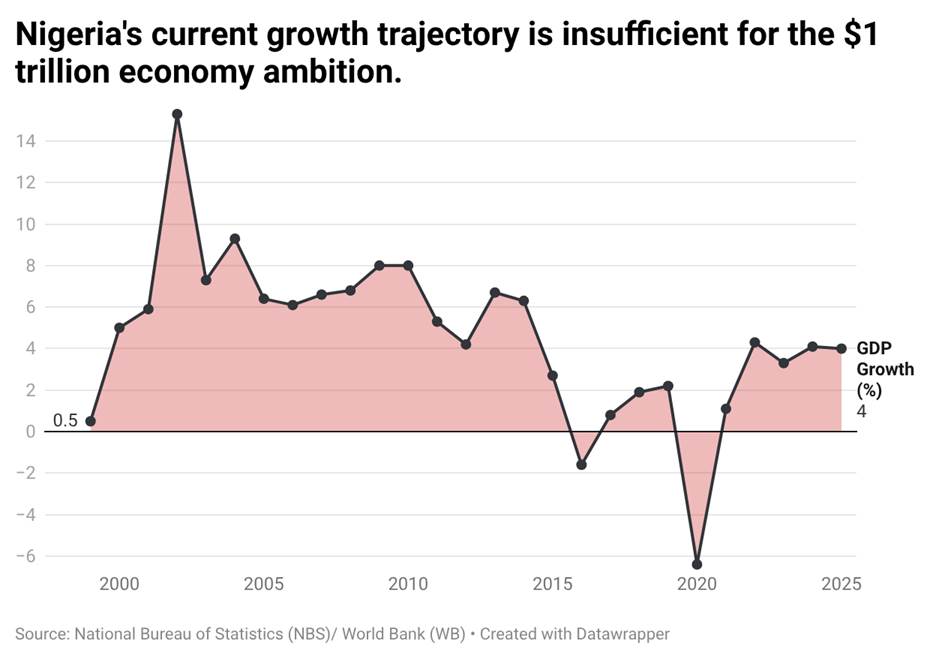
The issue, therefore, is not whether Chinese companies, or foreign companies generally, should participate. The more important question is whether the structure of such interventions maximises Nigeria’s long-term economic interests. Does the intervention simply deliver houses, or does it use the opportunity to build Nigerian industries, create jobs, transfer skills, strengthen domestic companies and expand productive capacity? That distinction matters because Nigeria’s housing challenge exists within a much broader national ambition: the goal of becoming a US$1 trillion economy.