Three sovereign upgrades, a return to the eurobond market and more than 2,700 km of federal roadworks mark the most ambitious African infrastructure push in a decade — but delivery risk, not ambition, will decide the outcome.
For most of the past decade, the phrase “Nigerian infrastructure project” functioned in financial circles as a synonym for stranded capital. Contracts awarded are abandoned; state-owned refineries absorb billions in turnaround costs without producing fuel at scale. Investors priced the country accordingly. By 2023, Nigeria carried a Caa1 rating from Moody’s – deep in distressed territory – and had been locked out of the international bond market.
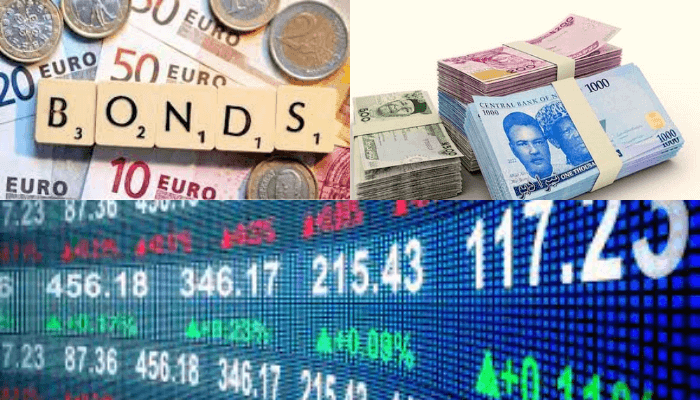
Thirty-eight months later, the picture demands reassessment. Between April 2025 and May 2026, all three major rating agencies upgraded the sovereign: Fitch to B from B⁻ in April 2025, Moody’s to B3 from Caa1 that May, and S&P Global to B from B⁻ in May 2026 — the country’s first S&P upgrade in fourteen years. Nigeria had already re-entered the Eurobond market in December 2024 with a $2.2 bn dual-tranche issuance, its first since 2022; yields on its existing bonds compressed by more than 130 basis points after the Moody’s action. Foreign reserves, below $34bn in early 2024, stood near $41bn by mid-2025.