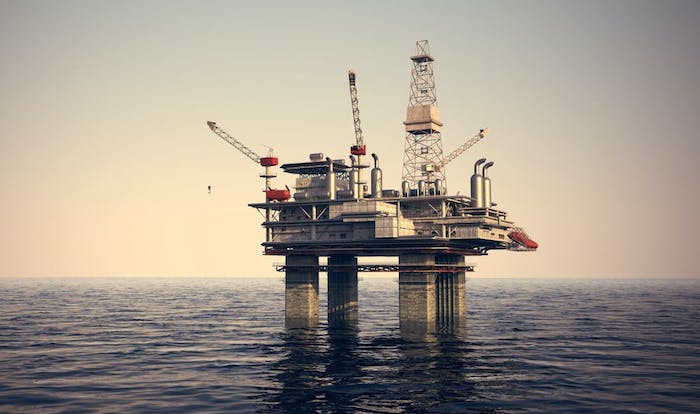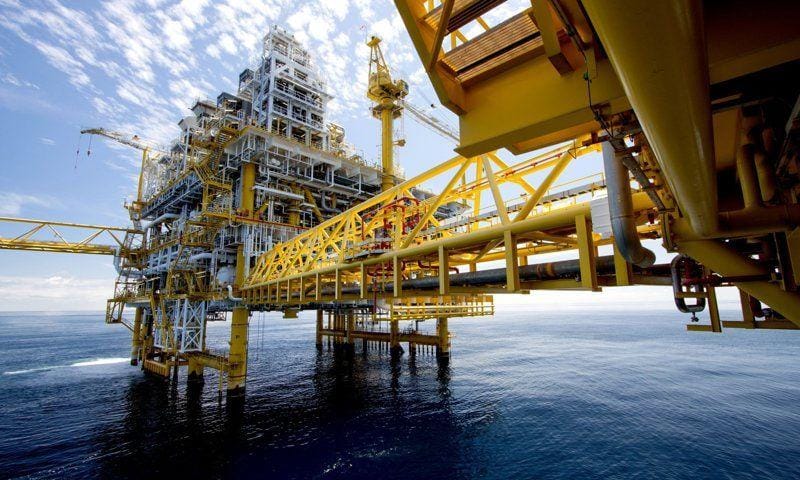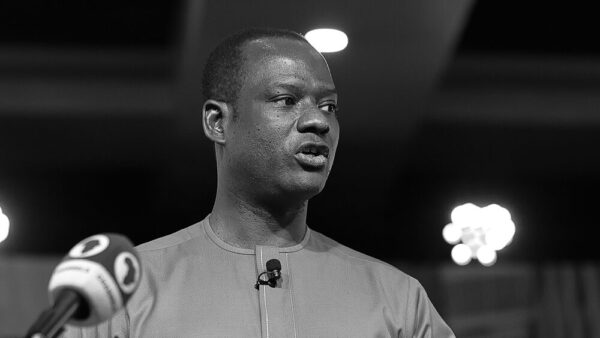
Nigeria is stepping up its pitch to international oil and gas investors, betting that two years of politically costly economic reforms and a fast-growing project pipeline can finally translate the country’s vast energy endowment into sustained capital inflows.
The push was on display in Nigeria’s commercial capital, where government officials, diplomats and energy executives gathered at the Nigerian-British Chamber of Commerce’s annual Energy Day to make the case that Africa’s largest crude producer has moved from promise to delivery.
The optimism is underpinned by the rollout of the Petroleum Industry Act, a long-delayed overhaul of the legal and fiscal framework governing the oil and gas industry, alongside a broader push to deepen domestic refining and revive investor confidence in gas and power projects.
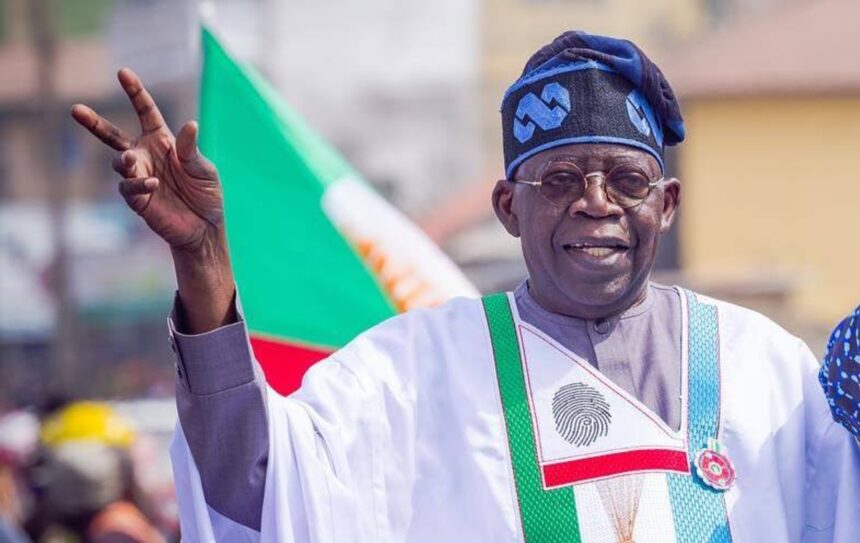
Olu Verheijen, special adviser to President Bola Tinubu on energy, told the gathering that Nigeria’s challenge has never been a shortage of resources but a failure to convert them into output.
The country has oil, gas, sunlight, water, arable land and a skilled workforce, she said, but has historically struggled to turn reserves into production, production into revenue, and gas into reliable power that can drive industrial growth.