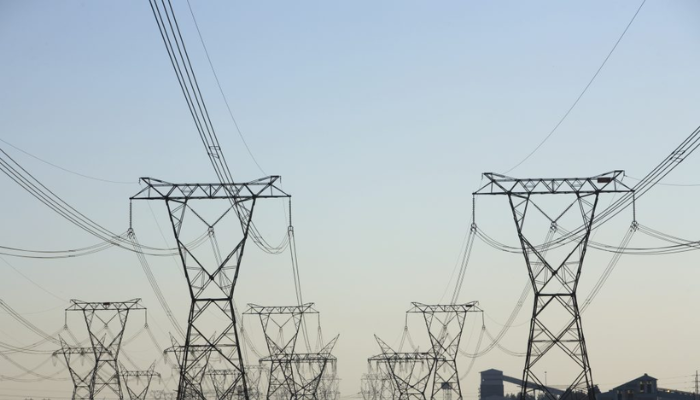
Nigeria’s greatest development structure is that many of the solutions to its most pressing challenges already exist. They are contained in national development plans, power sector reforms, agricultural policies, education roadmaps, healthcare strategies, industrial programmes and investment frameworks produced over several decades. On paper, Nigeria has rarely lacked ideas. However, millions of Nigerians continue to contend with unreliable electricity, failing infrastructure, overstretched hospitals, weak learning outcomes, food insecurity and a business environment weighed down by high operating costs.
The country’s problem is no longer what to do. It is why so little of what has already been agreed is ever fully delivered.
For decades, governments have responded to national challenges with new policies, reform agendas and committees. Many have been technically sound, informed by expert consultation and supported by development partners. Too often, they have failed to outlive the administrations that introduced them. Projects stall when political priorities change. Agencies pursue overlapping mandates with little coordination. Monitoring weakens after a programme launches, while evaluation becomes an afterthought. Before one reform is completed, another is announced to solve the same problem.