Nigeria’s development challenges are often discussed through the lens of economic growth, infrastructure, public finance, insecurity or unemployment. Each of these issues is important, yet beneath them lies a more fundamental question: whether we are investing sufficiently in the people who must sustain the nation, drive its economy and shape its future.
For many years, it has become customary to say that Nigeria’s greatest asset is its people. The statement is repeated so often that it risks becoming a cliché. Yet it remains profoundly true.
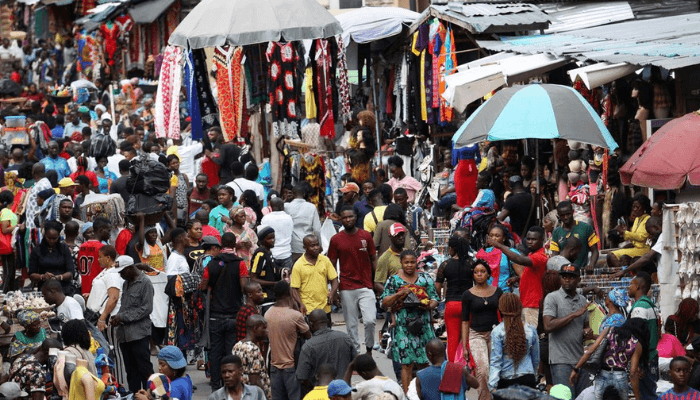
With a population exceeding 220 million and projected to grow substantially over the coming decades, Nigeria possesses one of the largest and youngest populations in the world. While many countries grapple with ageing populations and shrinking workforces, Nigeria’s challenge is not a shortage of people but whether we are making the investments necessary to enable them to live healthy, educated and productive lives.
A large population, by itself, does not create prosperity. It creates possibilities. Whether those possibilities translate into economic growth and social progress depends on the health, education, skills and capabilities of the population. The demographic dividend that transformed many societies did not emerge because their populations grew. It emerged because investments were made in people, allowing them to participate productively in economic and social life.