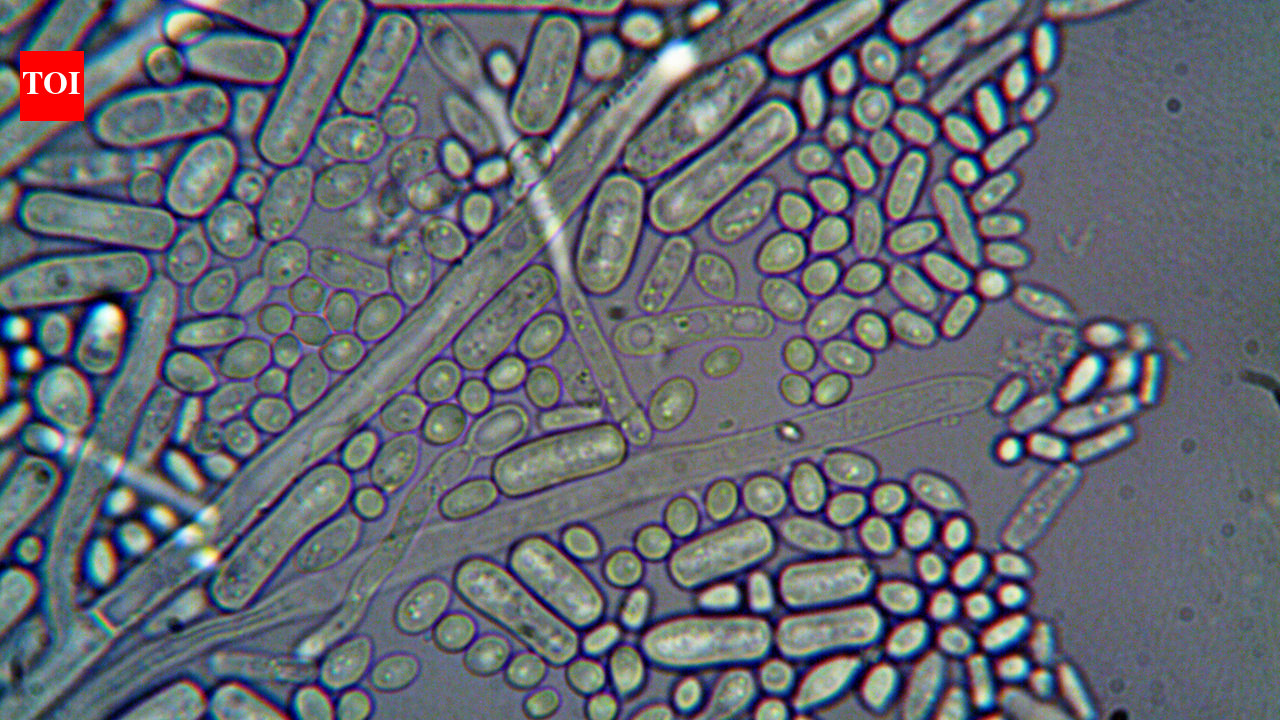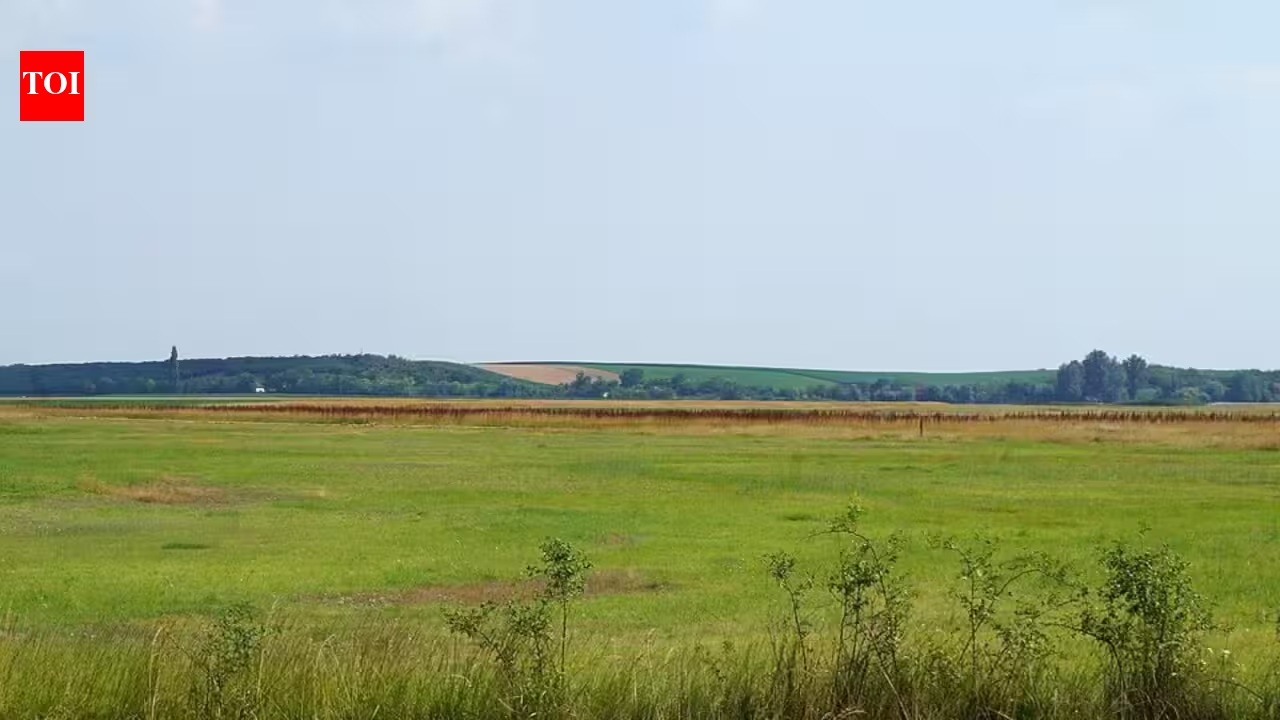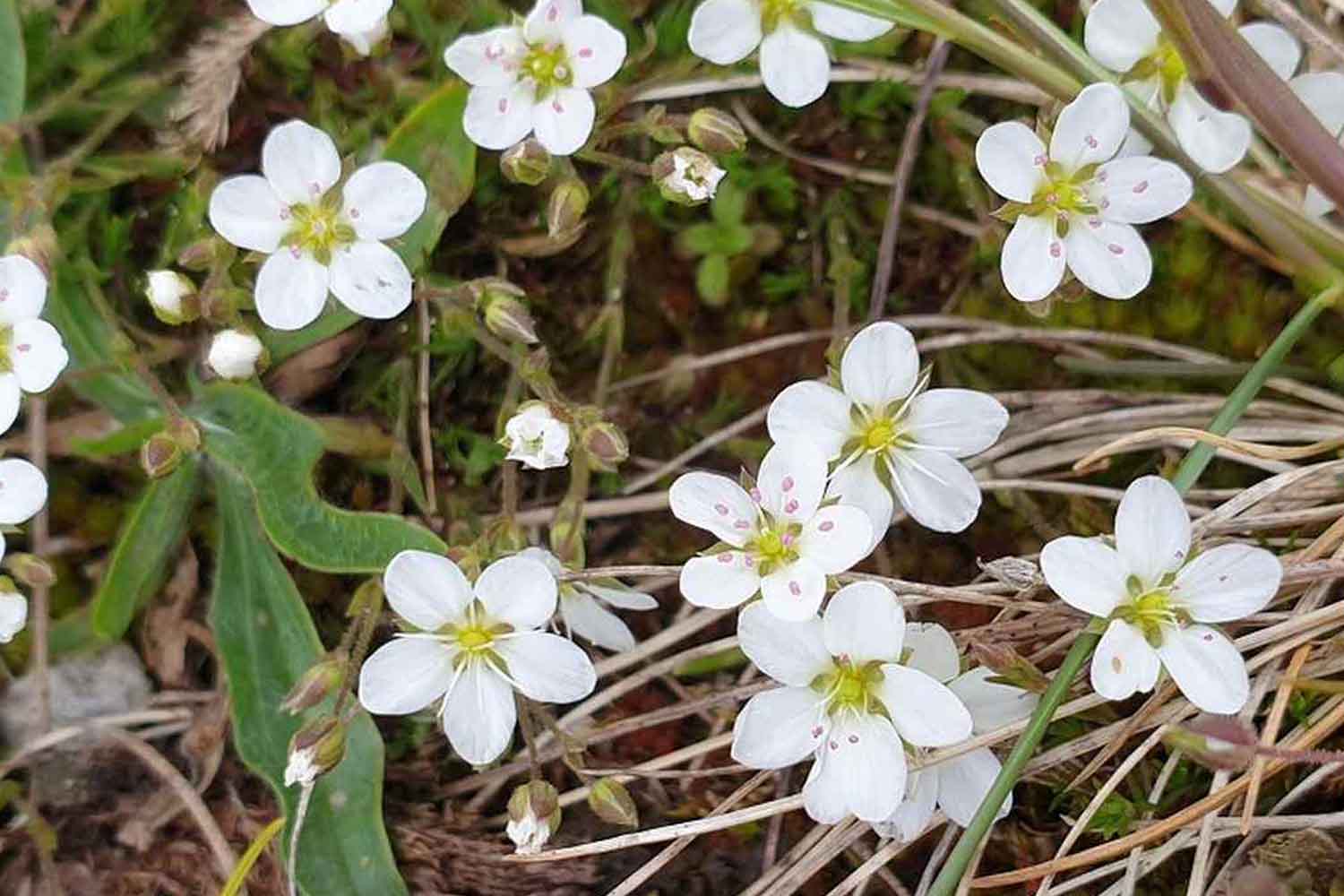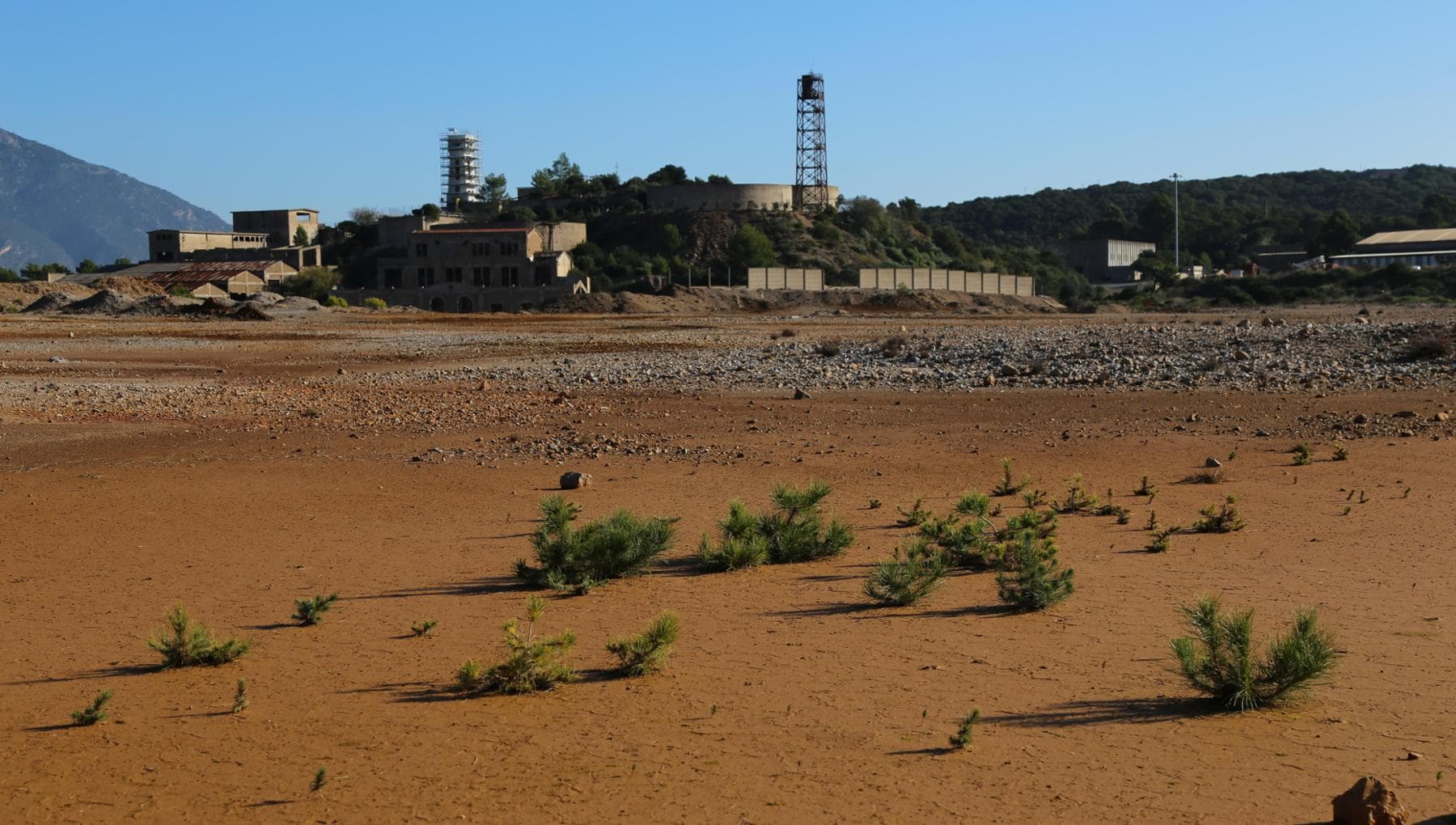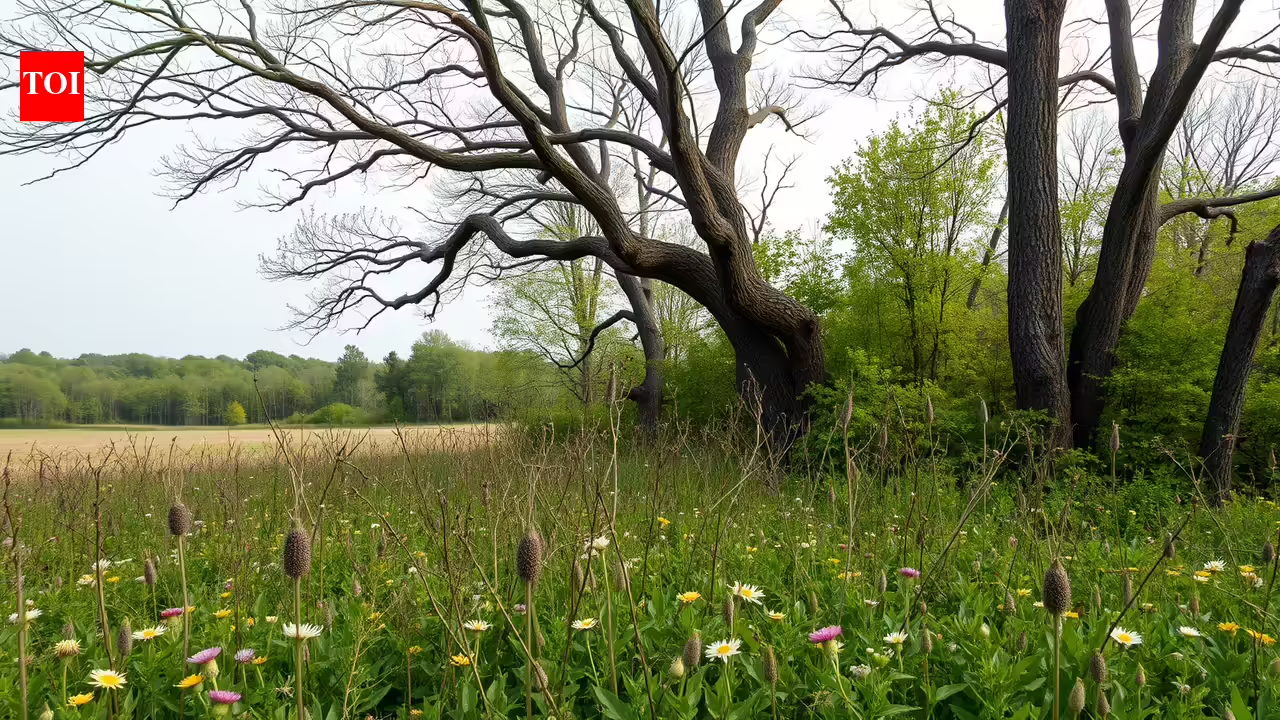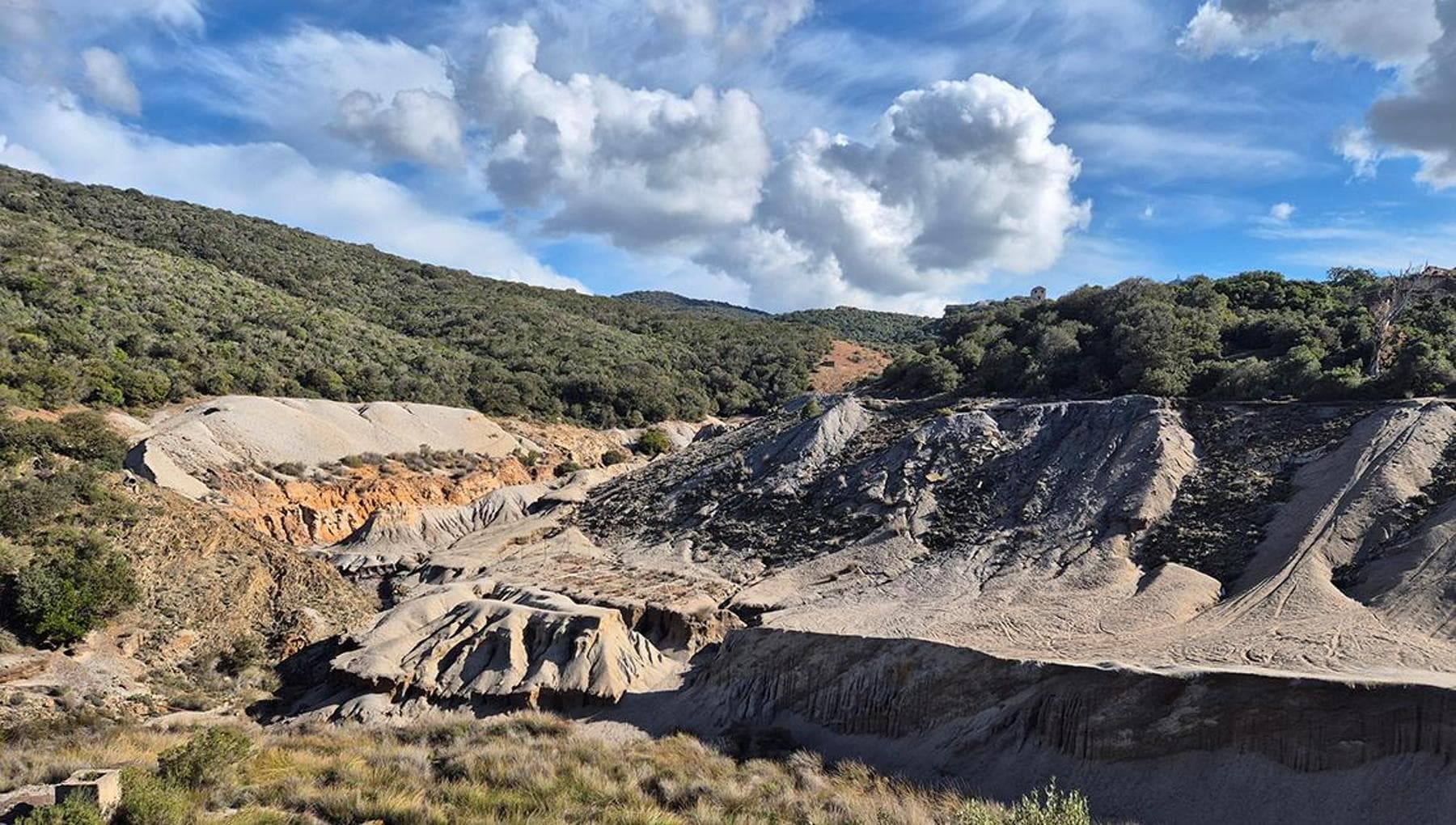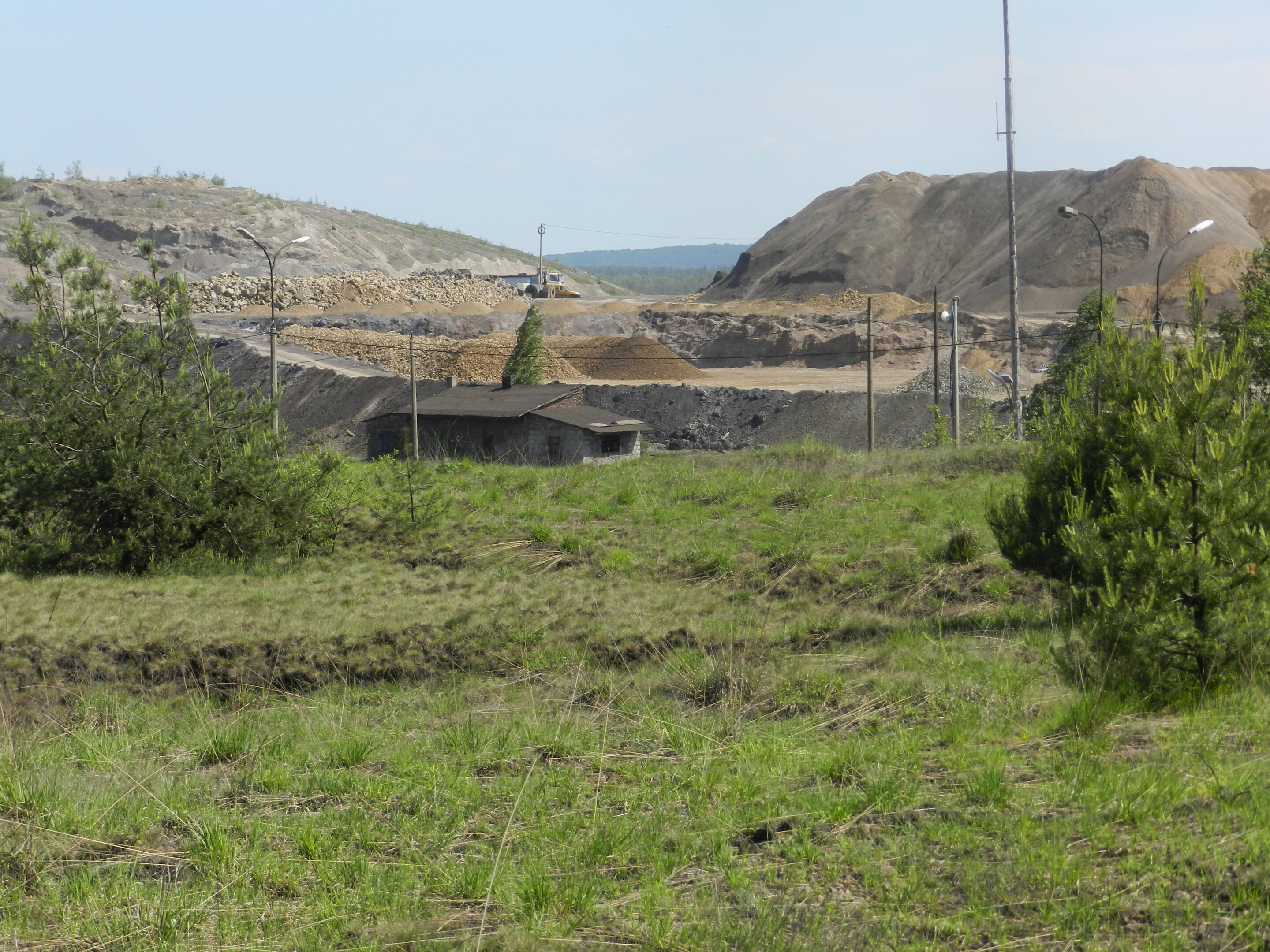
In southern Poland (Olkusz), forest trees have been spontaneously recolonizing former mining areas. Credit: Pierre Vollenweider
For centuries, artisanal and industrial activities have left many soils polluted with excessive levels of heavy metals such as zinc, cadmium, copper and lead, posing a threat to the environment and human health. Cleaning up polluted sites is often difficult and expensive, especially when larger areas are affected. As a result, many sites need to be managed in a way that prevents pollutants from washing away into groundwater or neighboring ecosystems.
One promising solution is phytostabilization—using plants to reduce the spread of pollutants into the environment. Trees are particularly well suited because of their long life spans and extensive root systems. To find out which tree species to select for this purpose, researchers from the Swiss Federal Research Institute WSL and ETH Zurich compared the stabilization potential of seven Central European tree species.
Experiment on contaminated soil
The researchers grew the trees for five years in soils containing heavy metal concentrations similar to those found at contaminated sites. They measured metal concentrations in the roots, stems and leaves and compared them with trees growing in uncontaminated soil. The results were published as the cover story in the journal Plants.