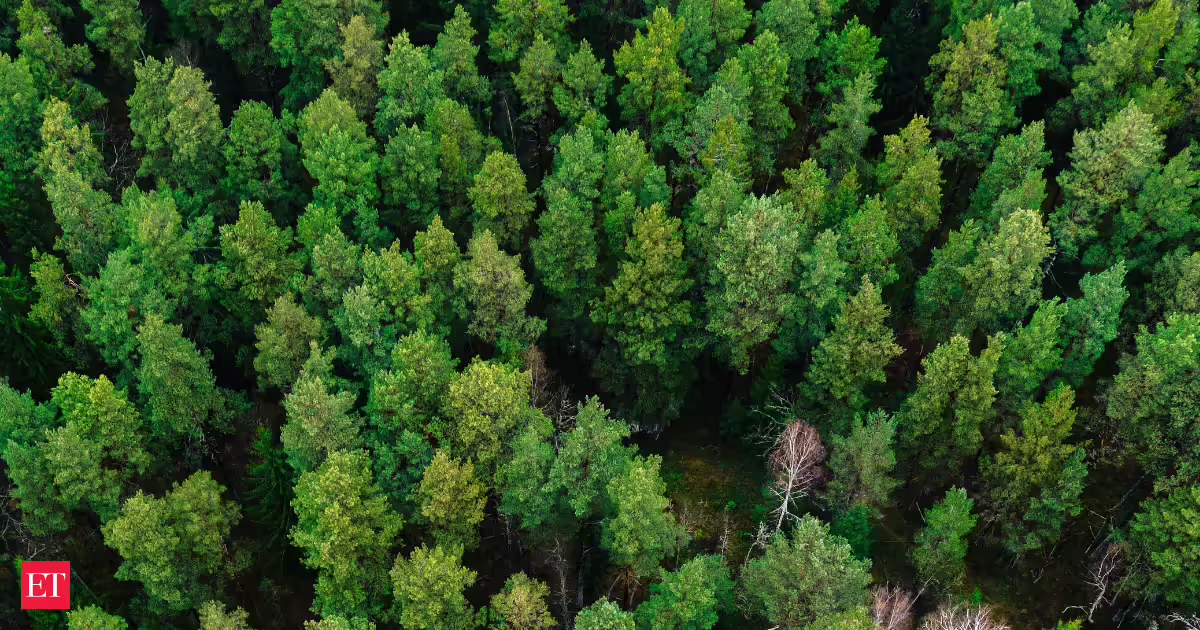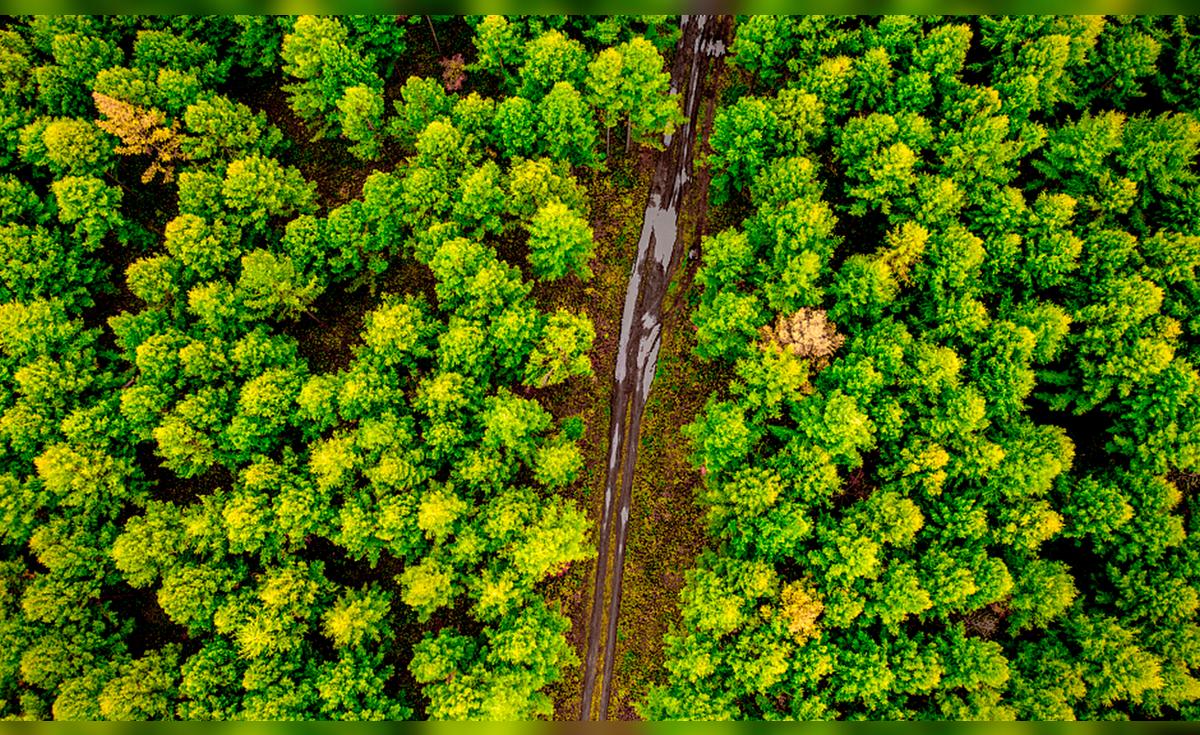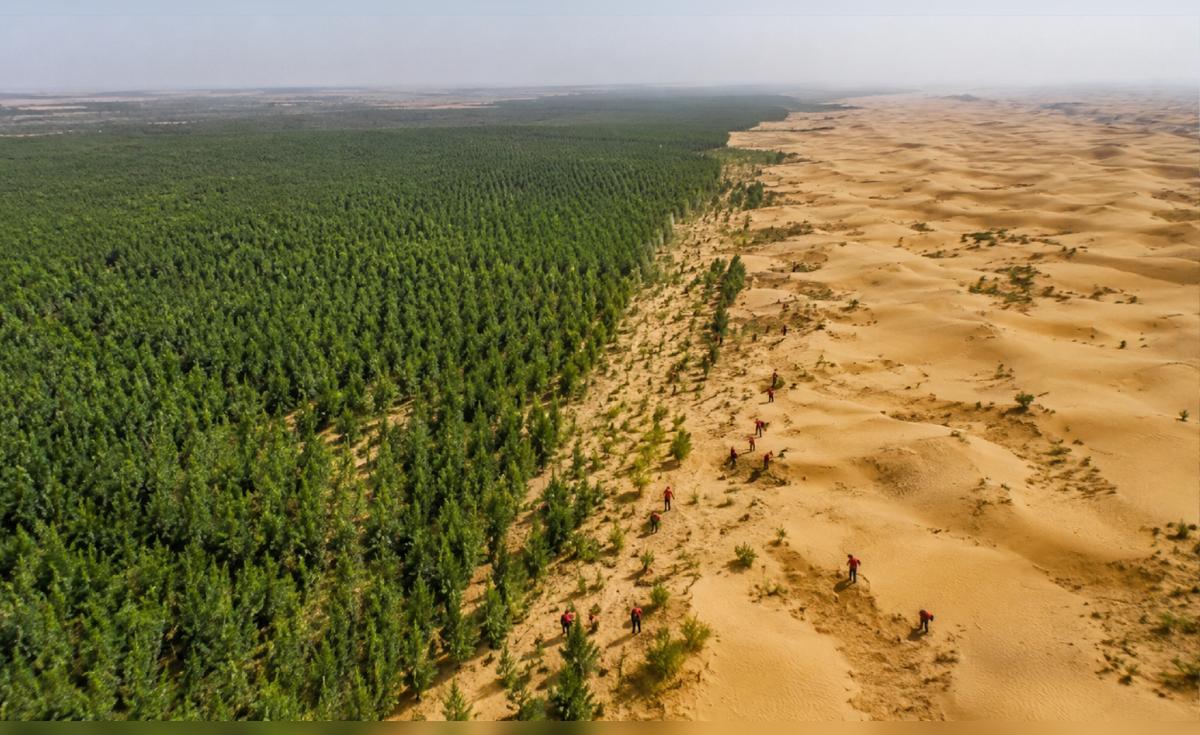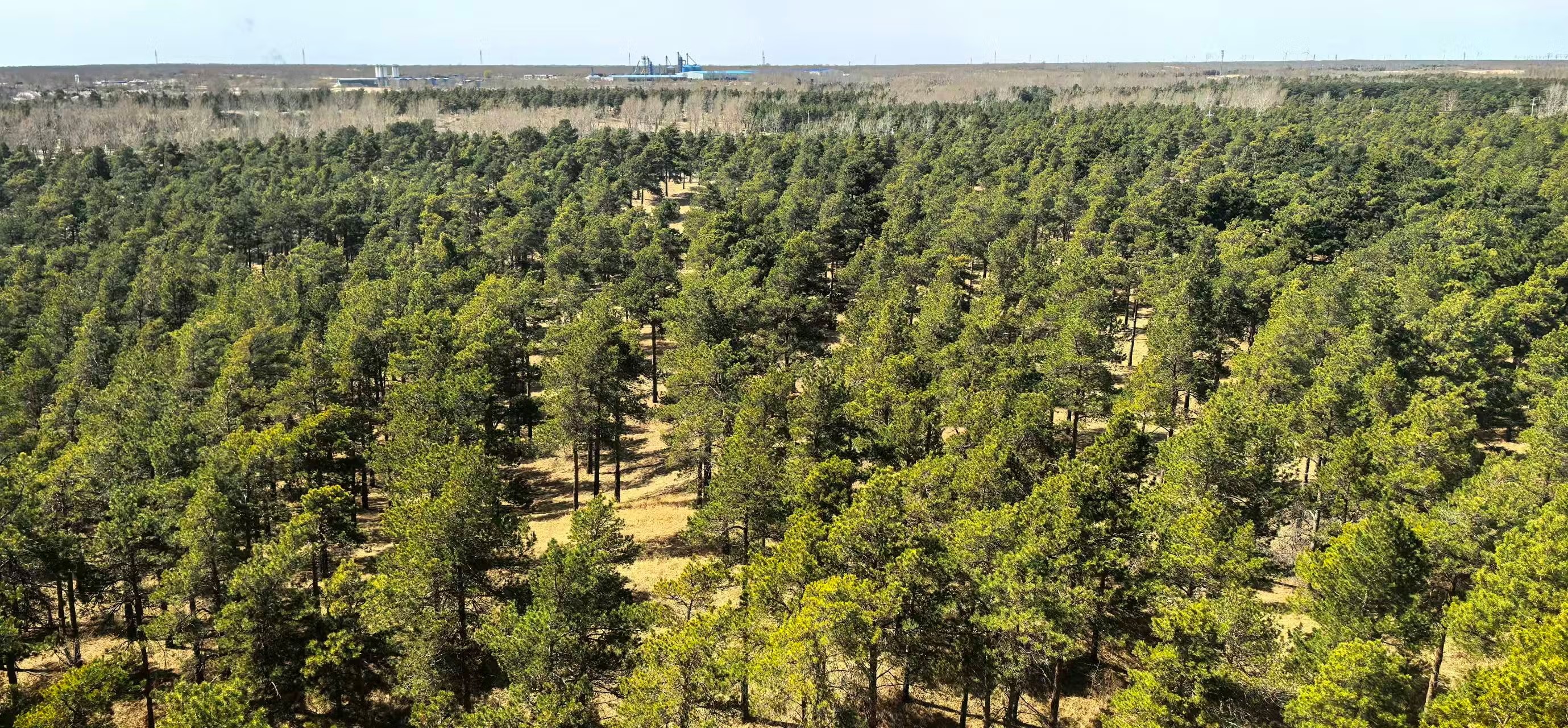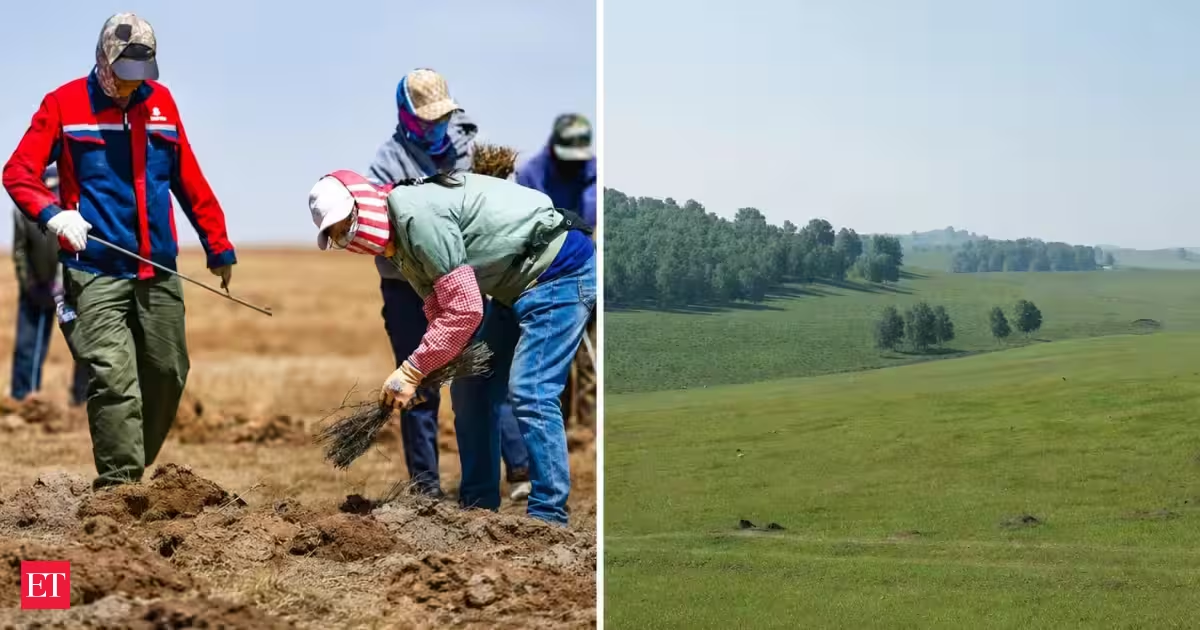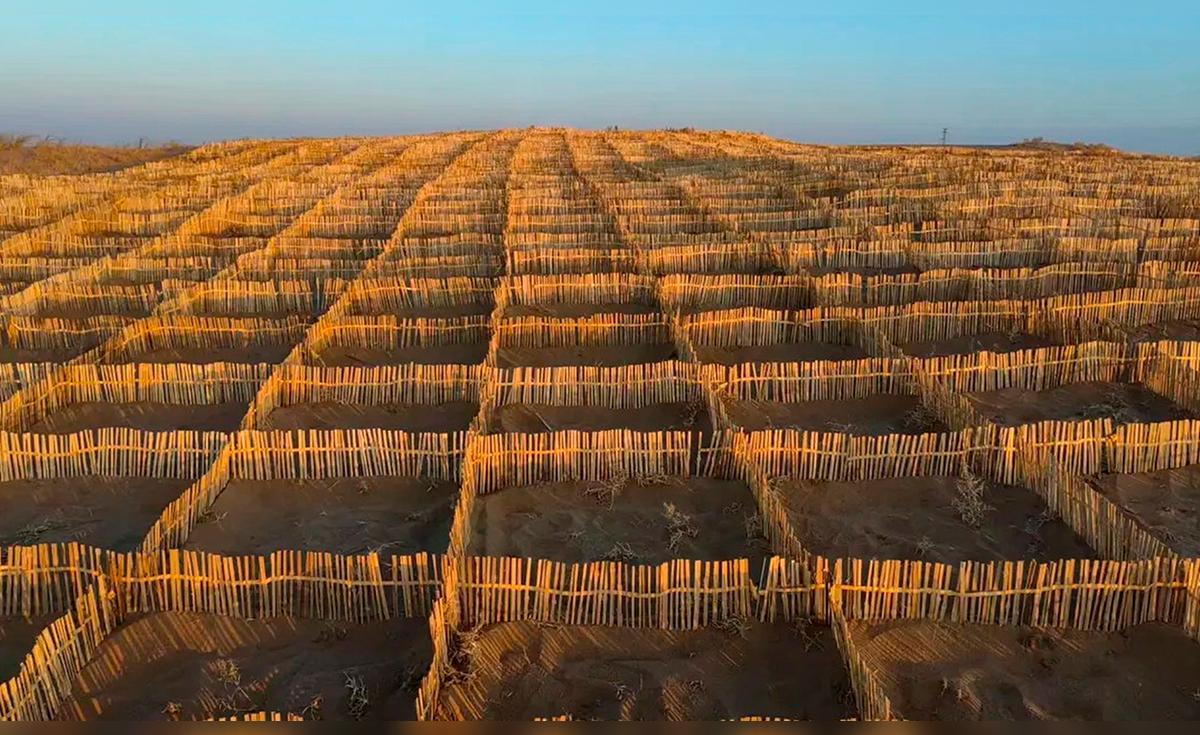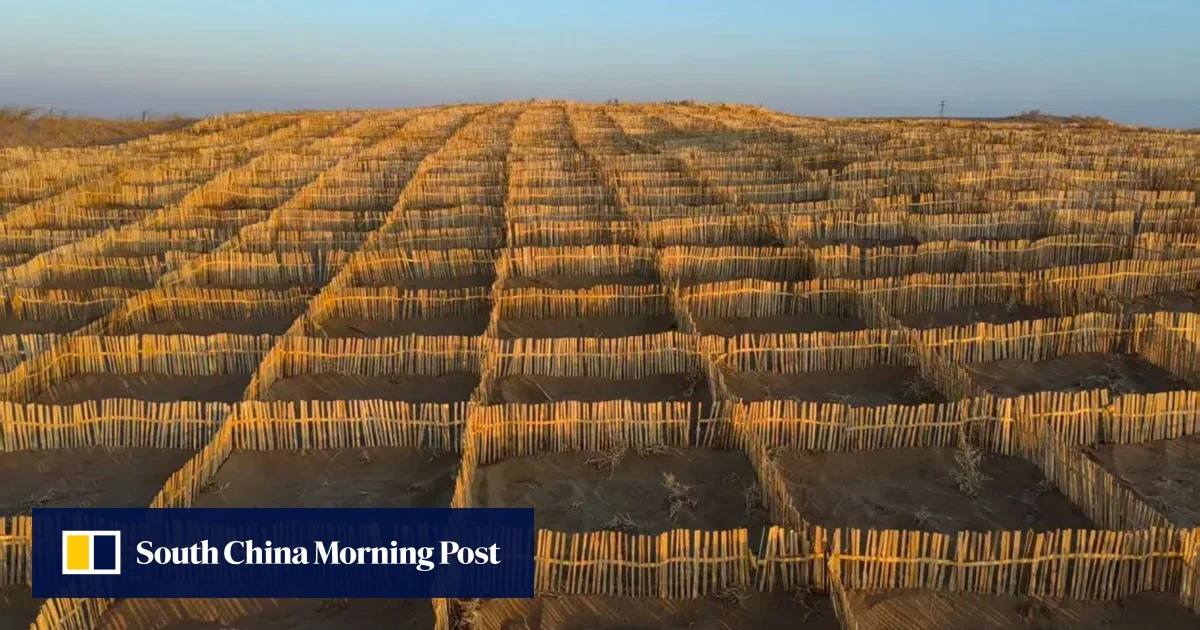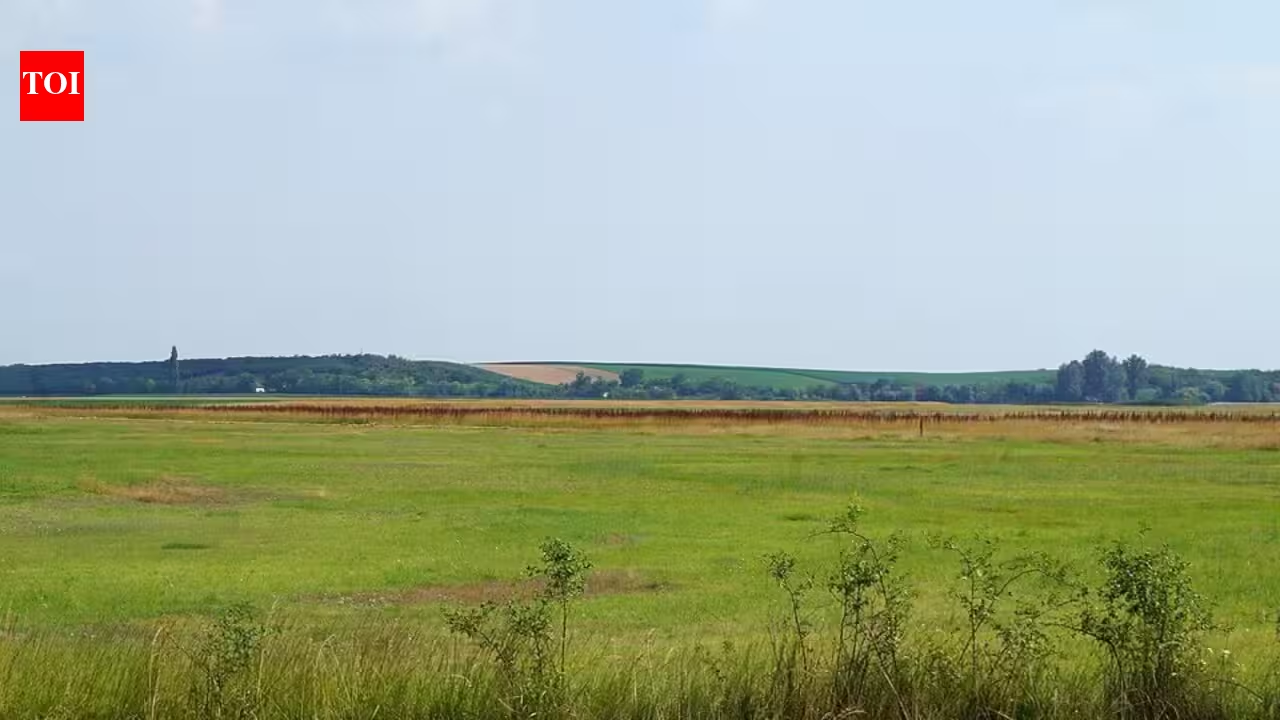
Since the 1950s, China has planted across the 640,000-sq-km Loess Plateau; some forested areas later lost up to 50% of their water yield. Image Credits: Wikimedia Commons.Planting trees is often presented as an environmental solution. On China's Loess Plateau, however, one of the world's largest landscape restoration efforts revealed a less straightforward consequence: in a semi-arid region, more vegetation can also mean less water flowing through streams and rivers.According to the Chinese Ministry of Ecology and Environment, centuries of cultivation, deforestation, overgrazing and population pressure contributed to severe soil erosion across the Loess Plateau. China later expanded vegetation restoration and erosion-control efforts, including the Grain-for-Green programme launched in 1999 to convert some cultivated land into forests and grasslands.The restoration brought important environmental benefits, particularly by reducing soil erosion. But researchers also found that the water impacts could be significant, especially in the plateau's drier areas.More trees also meant more water leaving the landIn addition to taking in carbon dioxide and stabilising soil, trees absorb water from the ground and release much of it into the atmosphere through transpiration. Transpiration, together with water evaporated from the soil surface, is referred to as evapotranspiration. In humid areas, extra vegetation is less likely to affect water availability because rainfall is higher. By contrast, the Loess Plateau is semi-arid, so water is a limiting factor for plant growth.According to the U.S. Department of Agriculture, researchers used a simplified hydrological model to estimate the potential effects of forestation across China. The study estimated that average water yield in the semi-arid Loess Plateau could decline by about 50 millimetres per year, or roughly 50%, following forestation. The researchers presented this as a potential average reduction rather than a uniform outcome across the entire region, noting that the hydrological effects could vary with local conditions.Water yield refers to the amount of water that remains available as runoff or streamflow after losses such as evaporation and plant water use. When forests become denser, more rainfall may be intercepted by leaves, while trees can also increase evapotranspiration. In a dry landscape, those changes can reduce the amount of water eventually reaching streams.The restoration changed the landscape, but the water response was unevenThe findings did not mean that restoring vegetation across the Loess Plateau was uniformly harmful to water resources. The region is enormous, and its climate, soils, vegetation and rainfall patterns vary considerably.The USDA study also found that the Grain-for-Green restoration programme between 1999 and 2007 reduced water yield in some parts of the plateau, while other areas saw increases. The researchers estimated that land-cover change alone could have reduced water yield across 38 per cent of the region, with the magnitude varying from place to place. Climate variability also influenced the outcome, sometimes masking or strengthening the effect of vegetation change. That variability matters. It means that the question is not simply whether trees use more water than the vegetation they replace. The answer can depend on what was planted, where it was planted, how much rainfall the area receives and how climate conditions change over time.A 2022 study published in Geophysical Research Letters reached a different conclusion from earlier research, finding that long-term surface water yield had increased across 82.3% of the Loess Plateau after large-scale revegetation began. The researchers attributed this primarily to increased precipitation that outweighed rising evapotranspiration, with vegetation-climate interactions contributing to enhanced local moisture recycling.A restored section of China’s Loess Plateau reflects the region’s dramatic transformation after decades of vegetation restoration. While reforestation and revegetation have helped reduce severe soil erosion, the expansion of vegetation has also raised concerns about water availability in the semi-arid landscape. Image Credits: Wikimedia Commons.The lesson is not that planting trees was a mistakeThe restoration effort was a response to a serious environmental problem. The loss of vegetation had left the Loess Plateau vulnerable to severe erosion, and restoring plant cover helped stabilise the soil and reduce its movement. The experience therefore cannot be judged solely by either its environmental benefits or its effects on water availability. The Loess Plateau shows that ecological restoration can involve trade-offs. Rebuilding vegetation may reduce erosion, improve habitat and help restore degraded land, while also changing how water is absorbed, used and transported through the landscape.
Since the 1950s, China has restored vegetation across the Loess Plateau; some studies have found that forestation could reduce water yield in drier areas
Planting trees is often presented as an environmental solution. On China's Loess Plateau, however, one of the world's largest landscape restoration efforts revealed a less straightforward consequence: in a semi-arid region, more vegetation can also mean less water flowing through streams and rivers.
704 words~3 min read