Academia
Concluding a South China Sea Code of Conduct simply to meet a deadline would be a serious mistake. A weak, vague agreement could be worse than no agreement at all.
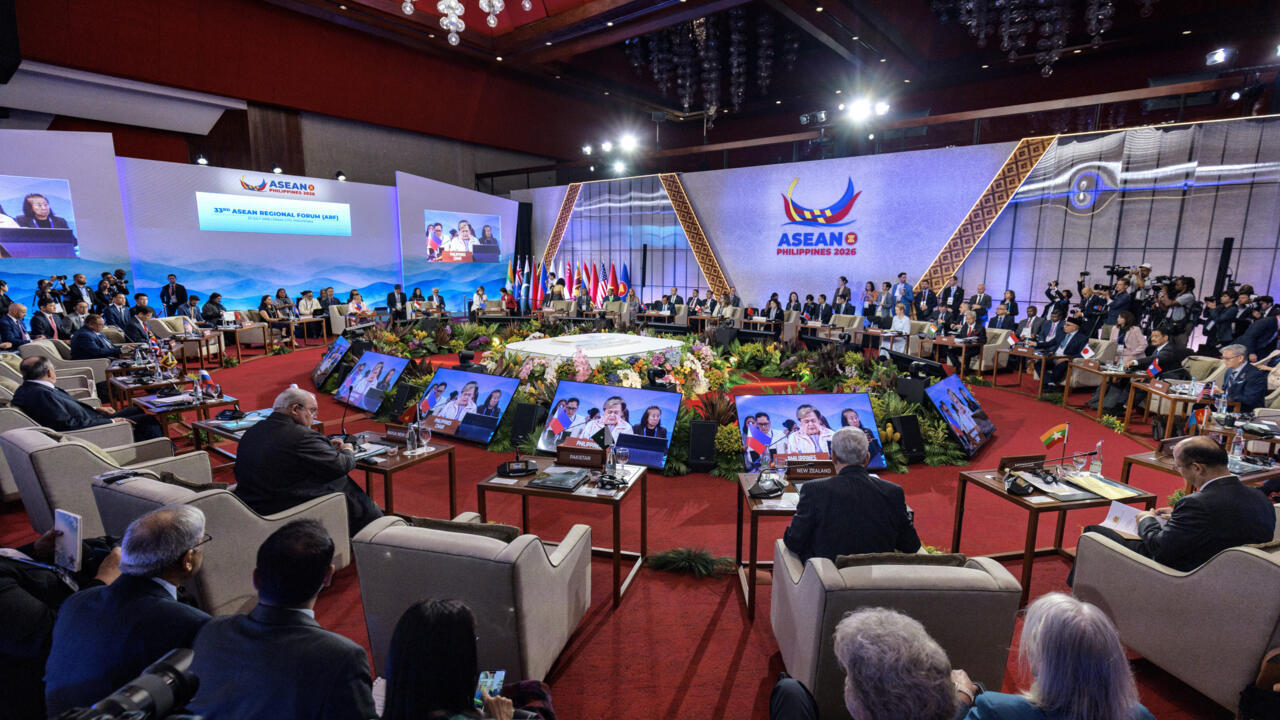
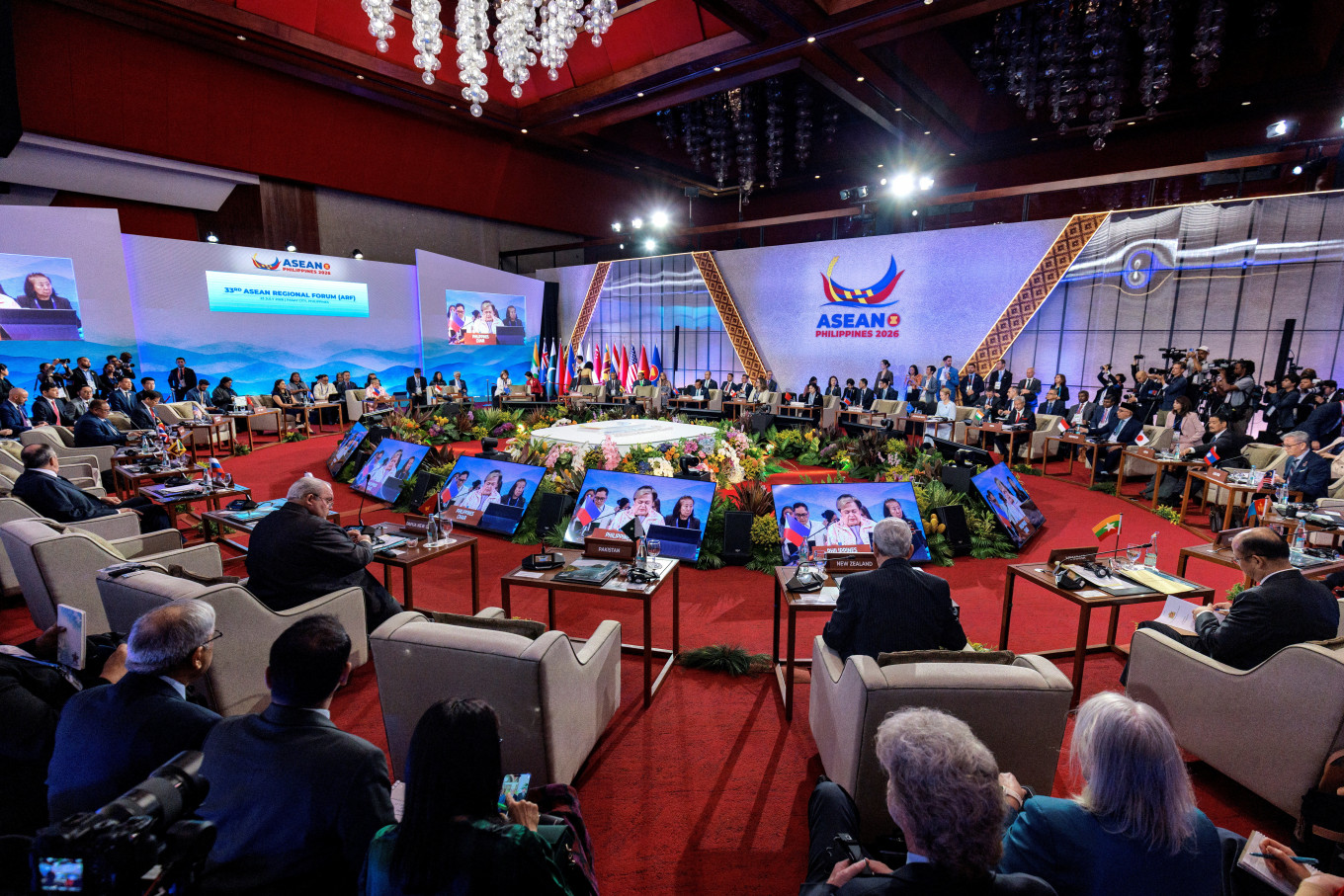
Foreign ministers attend the 33rd ASEAN Regional Forum (ARF), part of the ASEAN Foreign Ministers' Meeting, at the Philippine International Convention Center on July 23, 2026 in Pasay, Manila. (Reuters/Pool/Ezra Acayan)
As the clock ticks down on negotiations between ASEAN and China, the 11-nation bloc finds itself at a critical crossroads. It is tempting to rush a deal over the finish line, declare a diplomatic success and project an image of regional unity. But concluding a South China Sea Code of Conduct (CoC) simply to meet a deadline would be a serious mistake. A weak, vague agreement could be worse than no agreement at all.
Rather than preserving stability, a watered-down deal would leave smaller states more exposed and risk giving Beijing greater room to shape the rules in its favor.