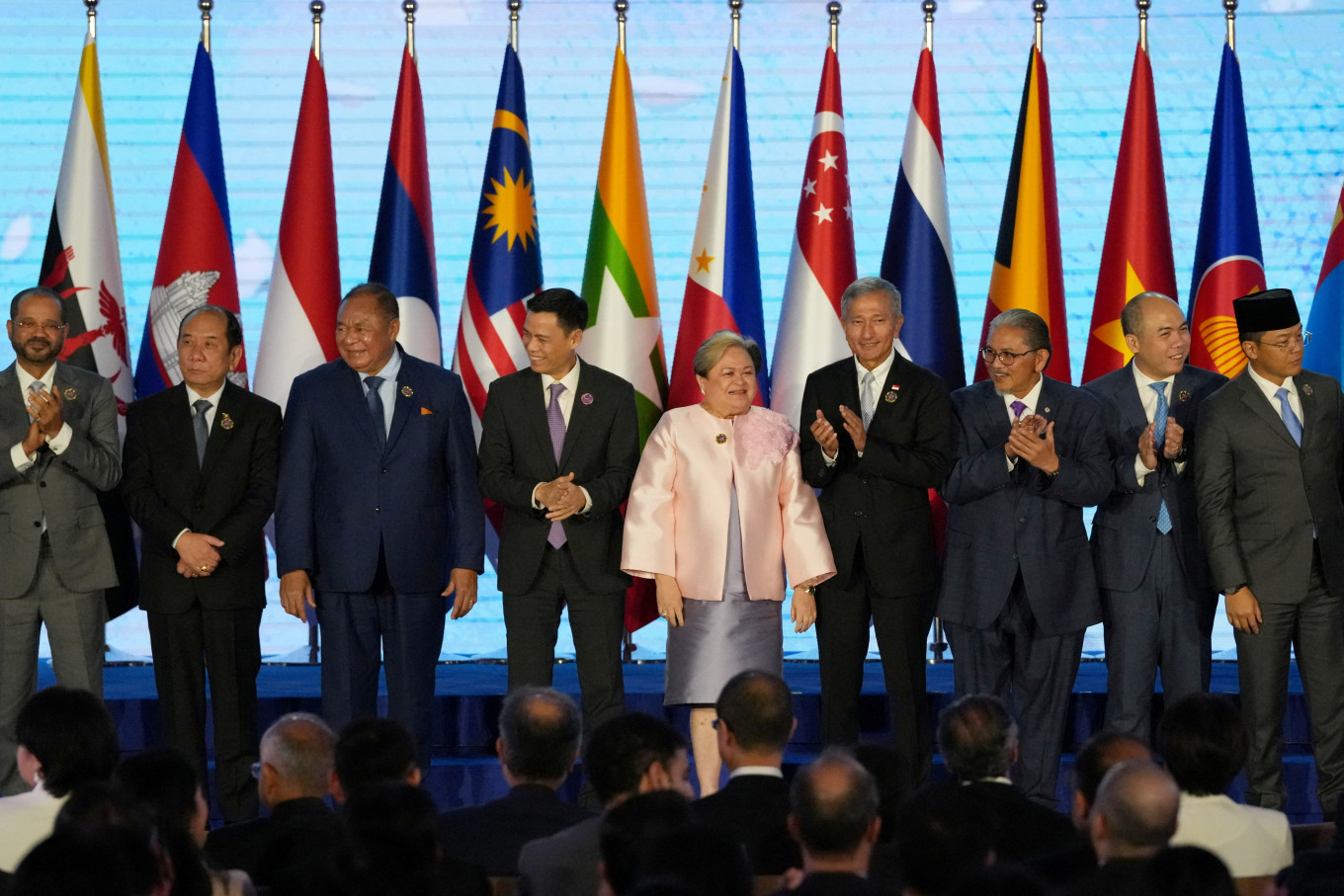
The East Asia Summit, a forum for strategic, political, and economic dialogue comprising 19 countries, convened its 16th Foreign Ministers’ Meeting in Manila on July 23. The summit, however, assumed significance because of events that occurred on its sidelines.
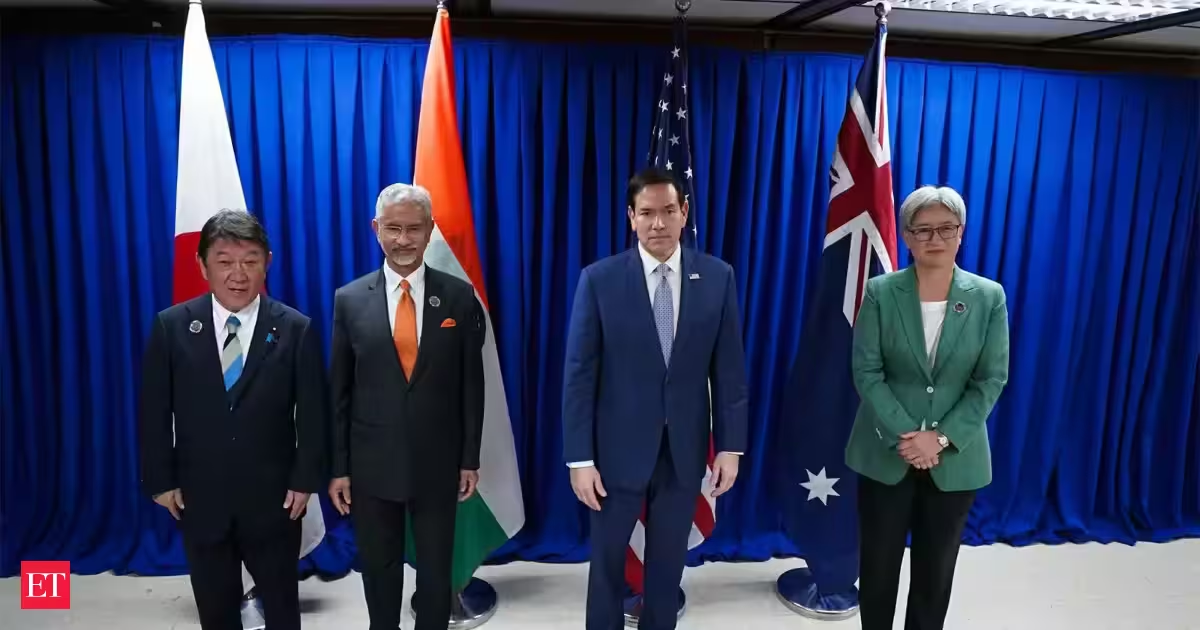
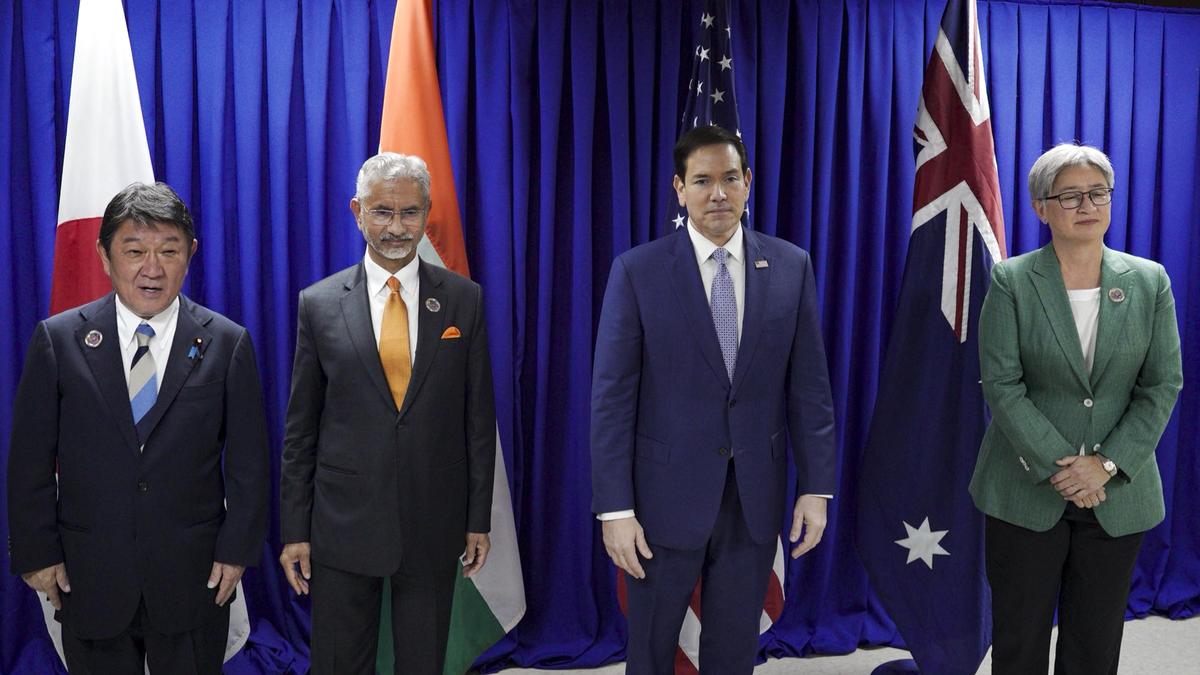
To begin with, the Quad Foreign Ministers met again and reiterated their commitments unveiled at the 11th Quad Foreign Ministers’ Meeting in Delhi two months ago. But it wasn’t their mere gathering that caught attention.
For the first time, the Quad issued a dedicated joint statement on cooperation with ASEAN, rather than just meeting alongside the regional grouping. The ministers framed themselves as “ASEAN Comprehensive Strategic Partners” and tied their agenda to “the practical implementation of the ASEAN Outlook on the Indo-Pacific.” The statement identified four broad areas of cooperation: “maritime and transnational security, economic prosperity and security, critical and emerging technologies, and humanitarian assistance and emergency response.”
Reconvening in the same city where the Quad was revived in 2017, this time to issue a joint statement directly highlighting cooperation with ASEAN, is a response to critics who question the Quad’s lack of engagement with regional countries.