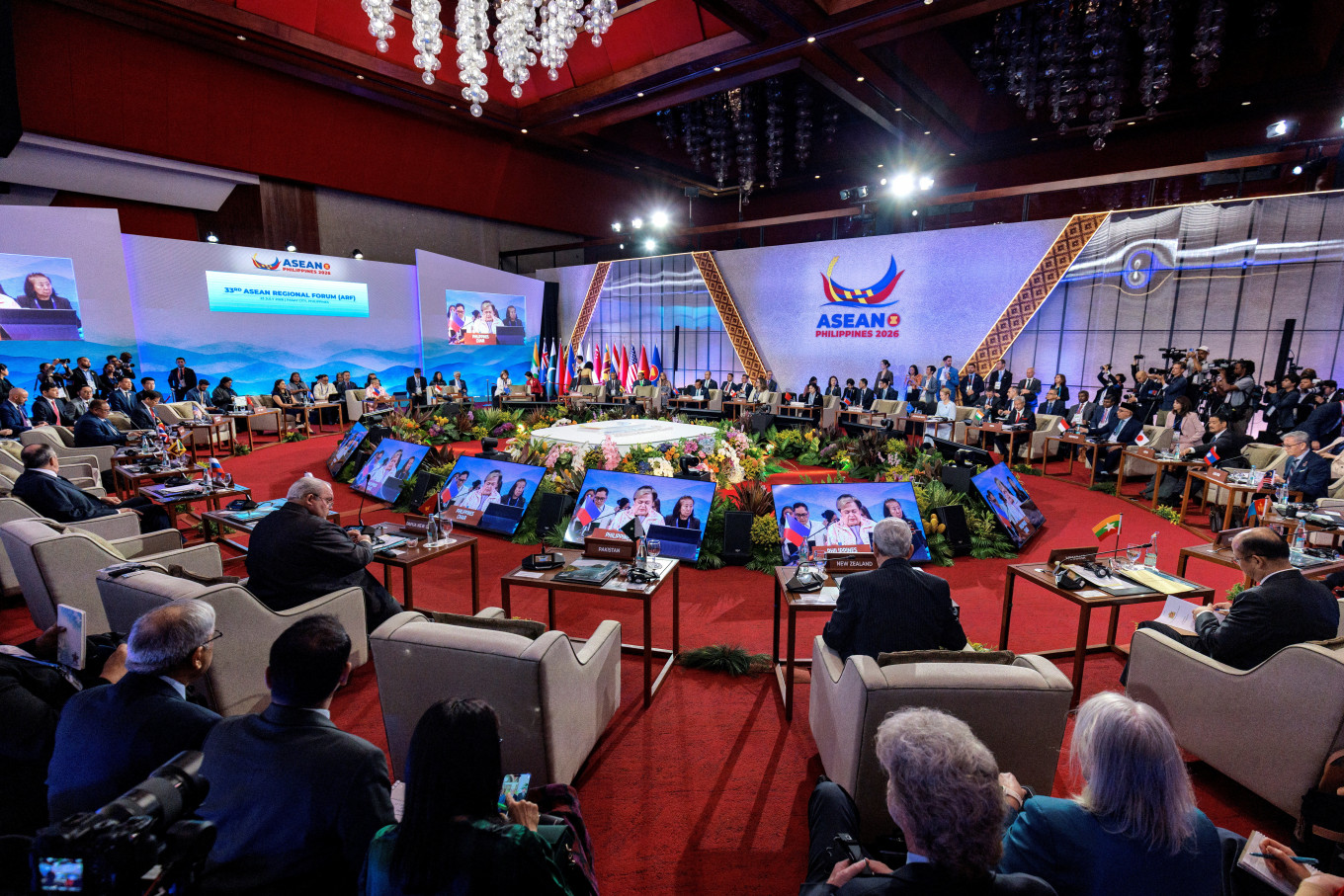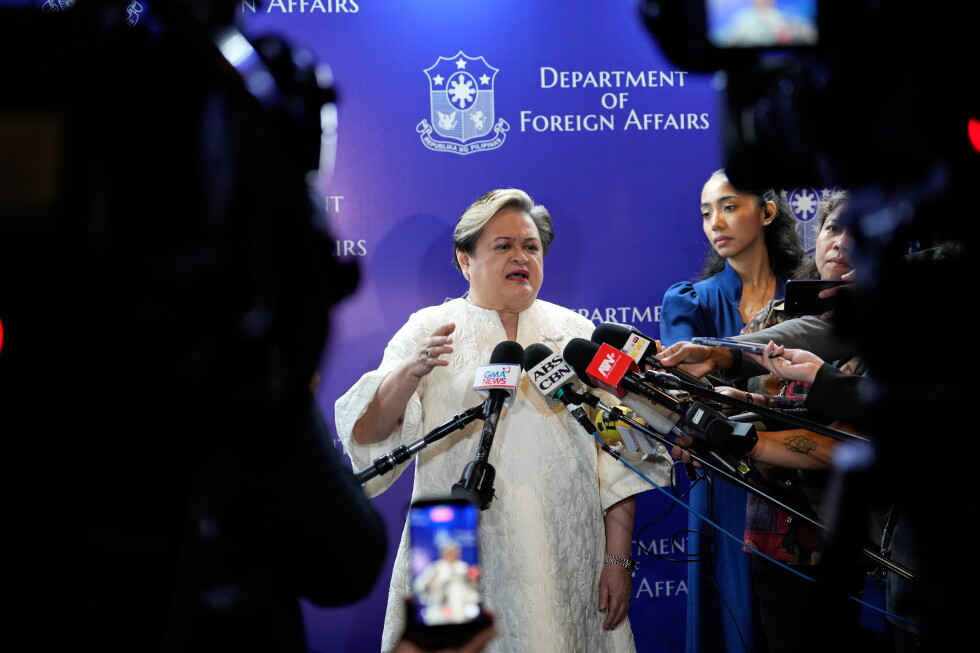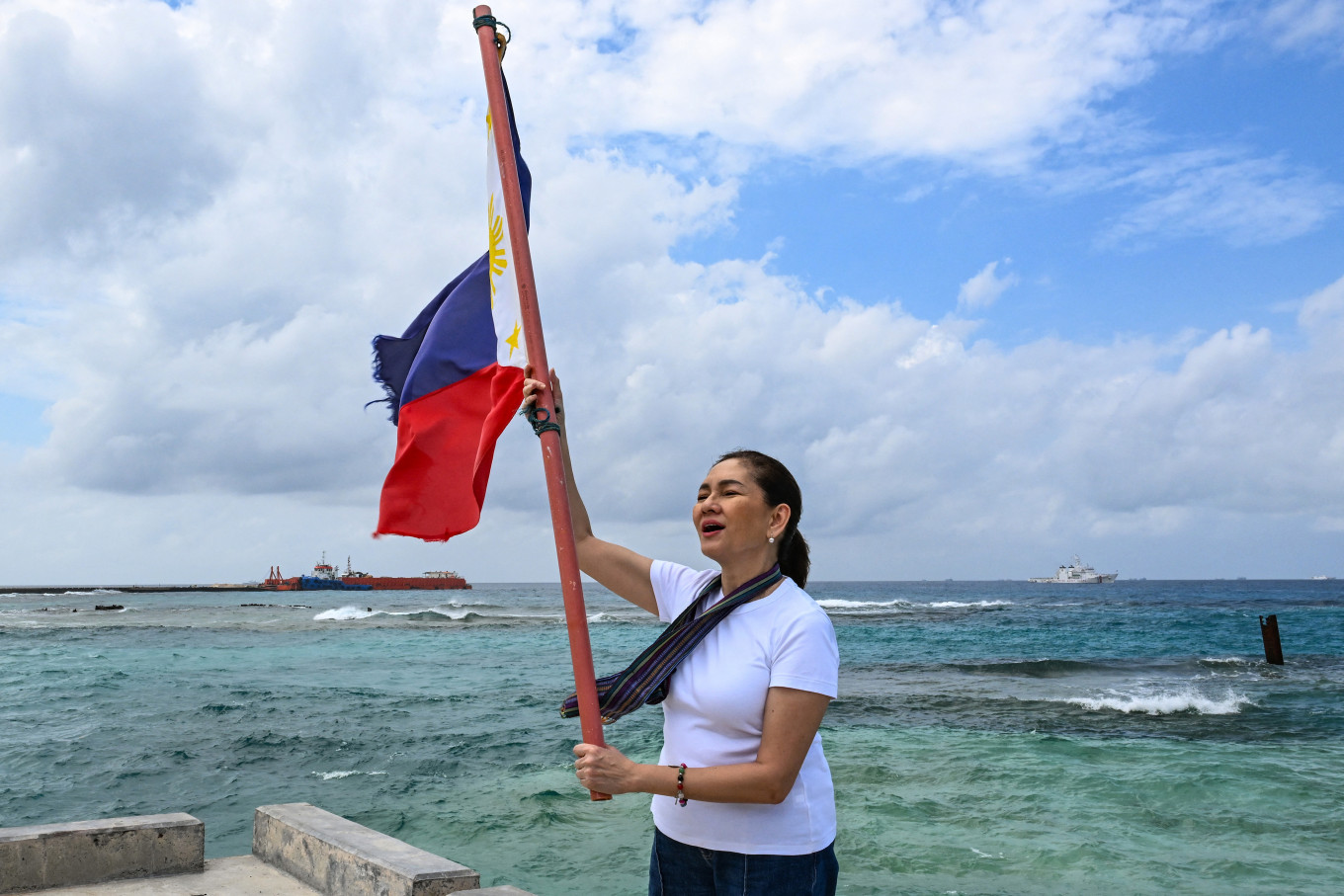
Ten years after the landmark South China Sea arbitration ruling, the landmark decision was finally commemorated outside the Philippines – and in a capital Beijing would rather have avoided. On 13–14 July, a Track 1.5 conference in Jakarta, co-hosted by Philippine and Indonesian institutions, marked the anniversary of the July 12, 2016 award.
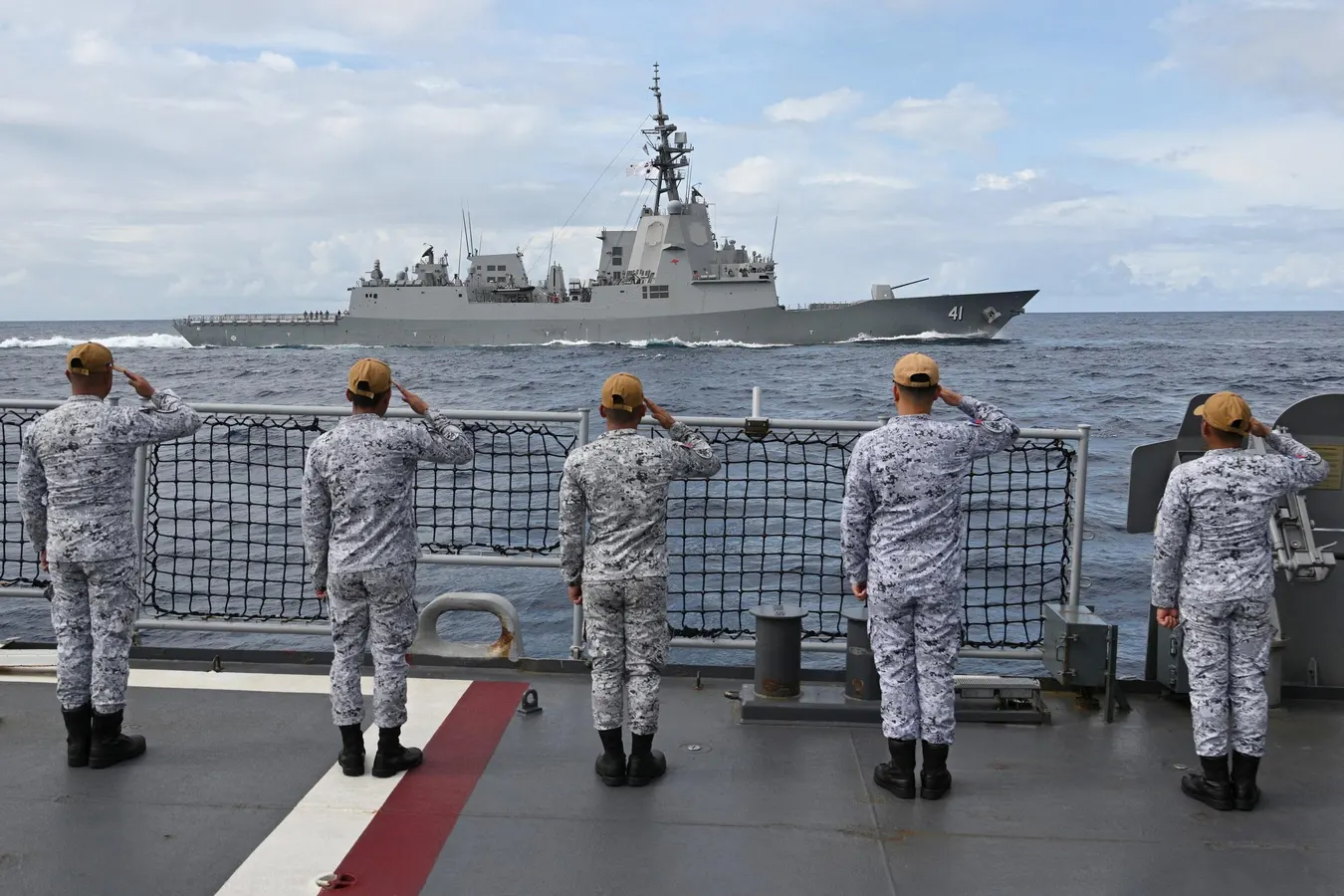
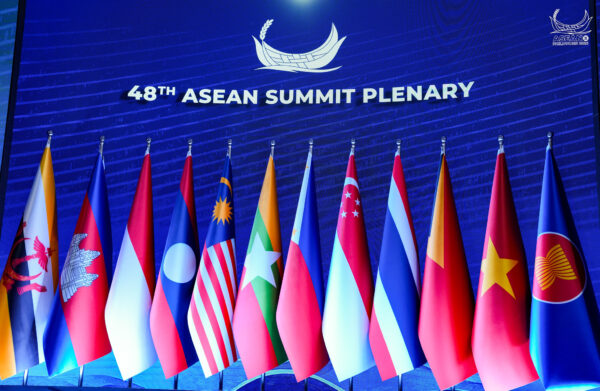
More than a conference, the event was a commemoration of the ruling – unprecedented outside the Philippines – that initially was scheduled to include Indonesian government speakers. Hosting the event in Jakarta, ASEAN’s primus inter pares, sent a signal of regional solidarity against China’s assertive actions in the South China Sea and underscored the willingness of two key maritime Southeast Asian states to shape norms governing behavior at sea.
The arbitral award had global implications. It clarified the legal status of maritime features, rejected China’s claim to historic rights within its “nine-dash line,” and confirmed that none of the Spratly Island features can generate a 200-nautical-mile exclusive economic zone under Article 121(3) of the U.N. Convention on the Law of the Sea (UNCLOS). It also found China in breach of environmental obligations for island-building and destructive harvesting. More broadly, it demonstrated that smaller states can shape international rules — even in the face of great power resistance.