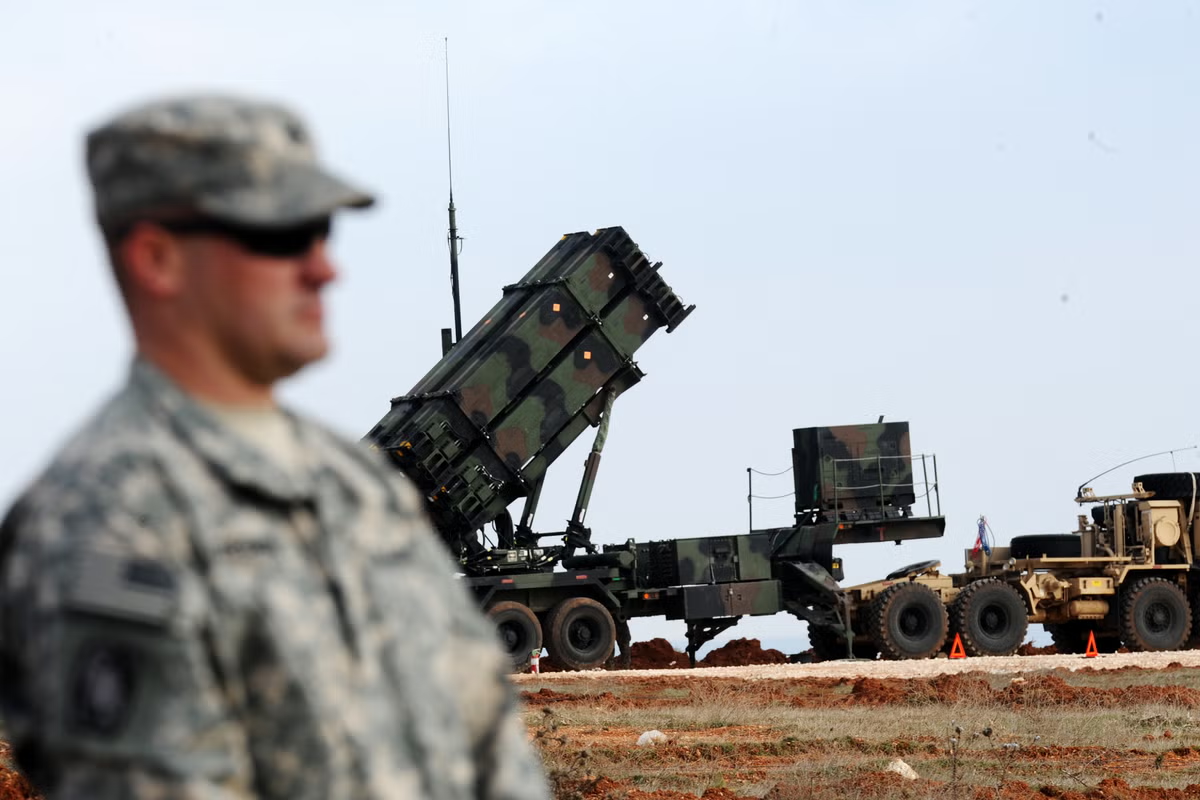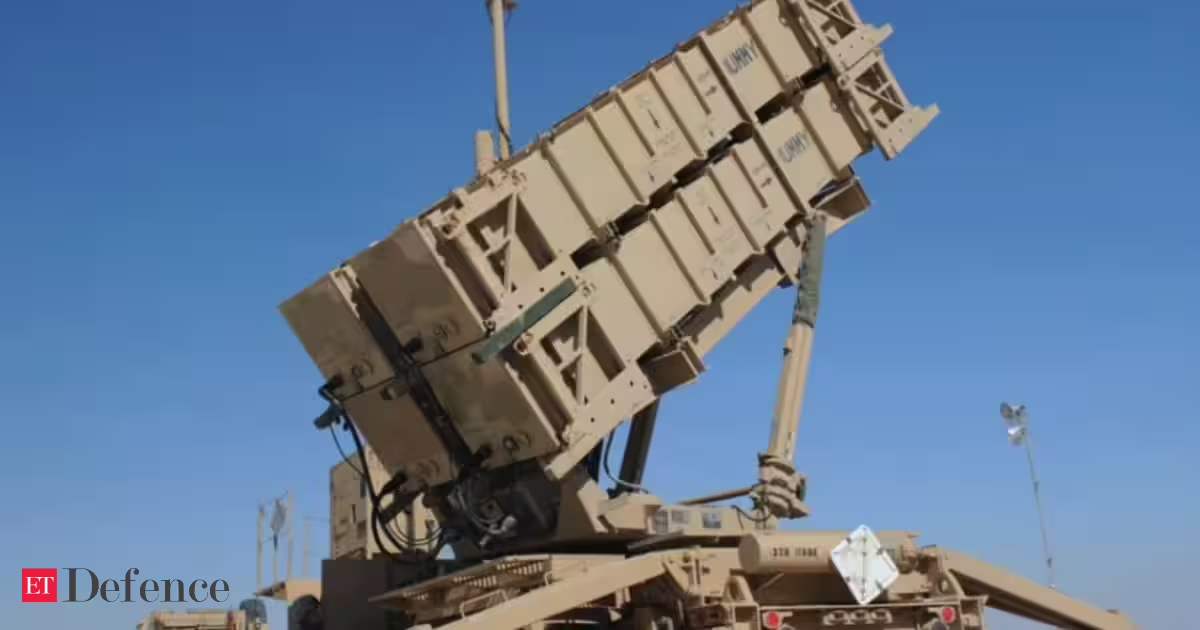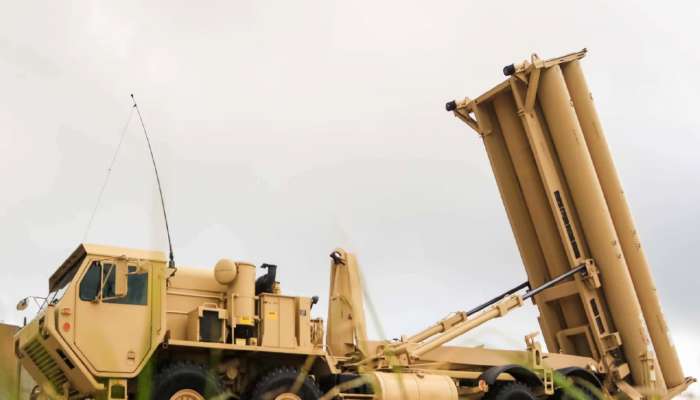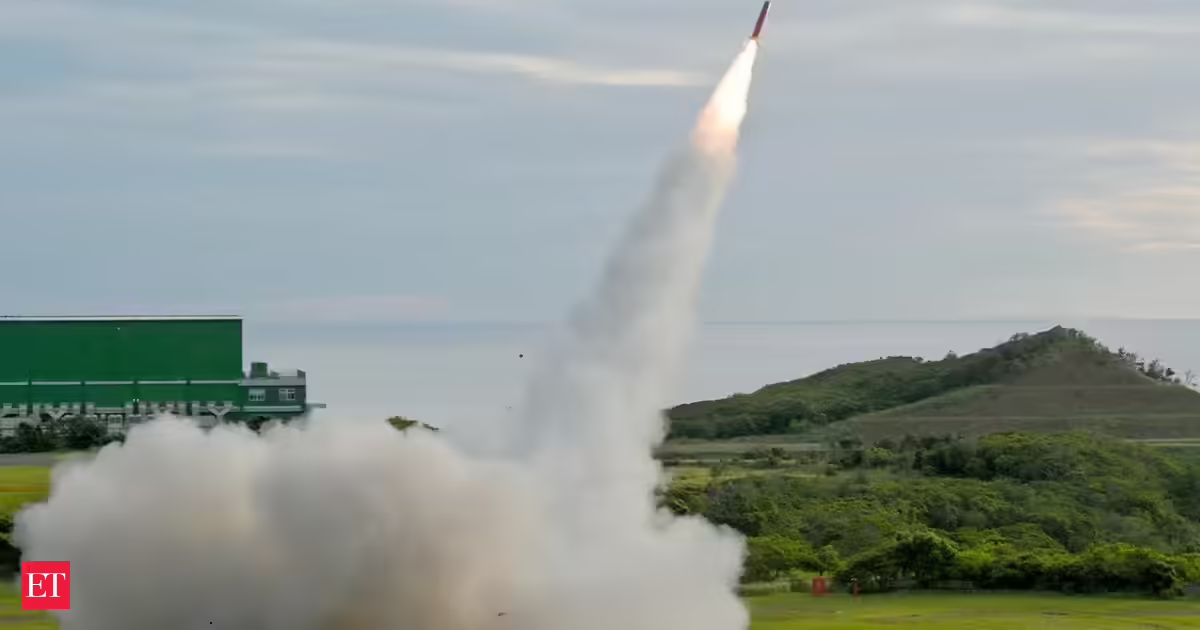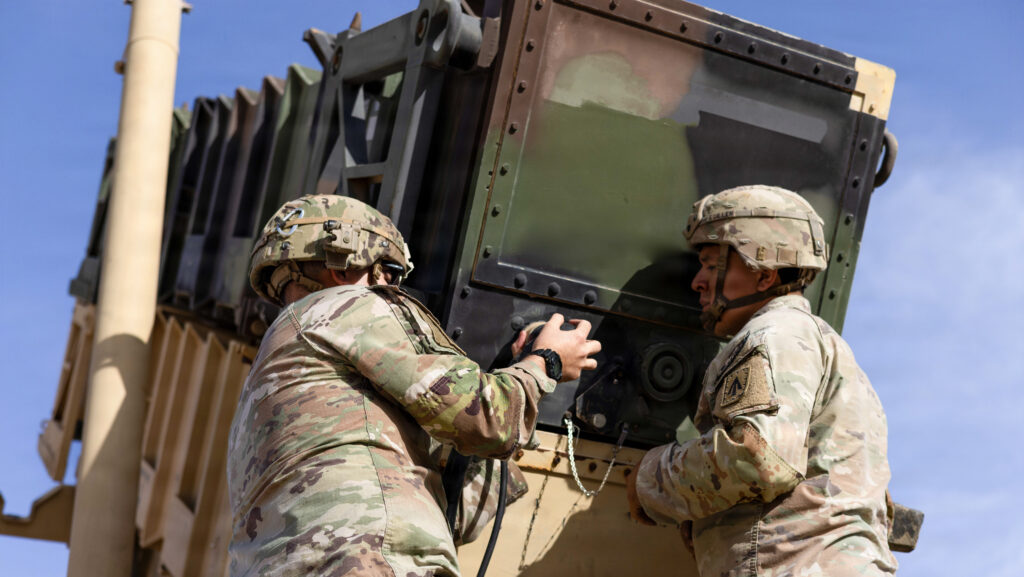
The conflict in Iran has revealed two truths about US air-and-missile-defense (AMD) systems: they are effective, but replenishing their munitions stockpiles is a critical challenge.
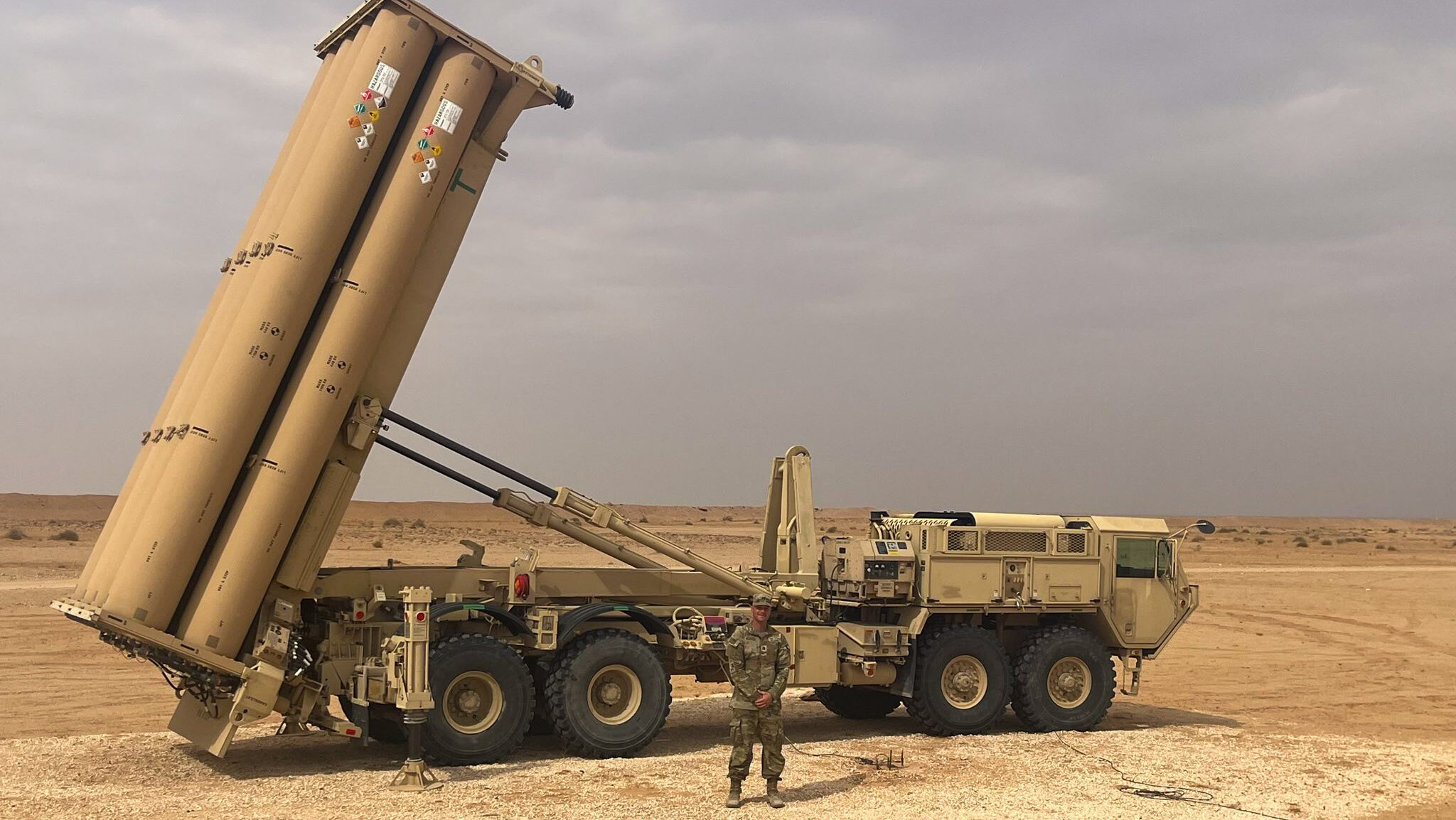
Their effectiveness has been proven repeatedly, as the damage done by missiles and drone swarms has been relatively minimal compared to the sheer number of attacks. Critically, however, multiple AN/TPY-2 radars – the backbone of AMD detection and tracking as part of the Terminal High Altitude Area Defense (THAAD) missile system – have been damaged or destroyed. The US has scrambled to relocate the costly, hard to replace radars from other regions such as the Indo-Pacific, potentially weakening AMD efforts in those regions.
“You can’t operate a THAAD battery without a TPY-2 radar,” said Tom Karako, director of the Missile Defense Project at the Center for Strategic and International Studies (CSIS). “Those are scarce strategic national assets and the country is already scrambling to piece together some replacements and we want to get them out there in the field.
“The broader strategic context here is that the United States has been pulling stuff out of the Pacific and out of Europe to go to the Middle East. That’s an undeniable reality. It’s hard to argue that is not going to have some potential detrimental impact to our deterrence quotient. Capability is a fundamental component of deterrence. It’s not lost on our adversaries either: the number of interceptors, the number of strike missiles, and yes, the number of radars that have been expended or adversely impacted here.”