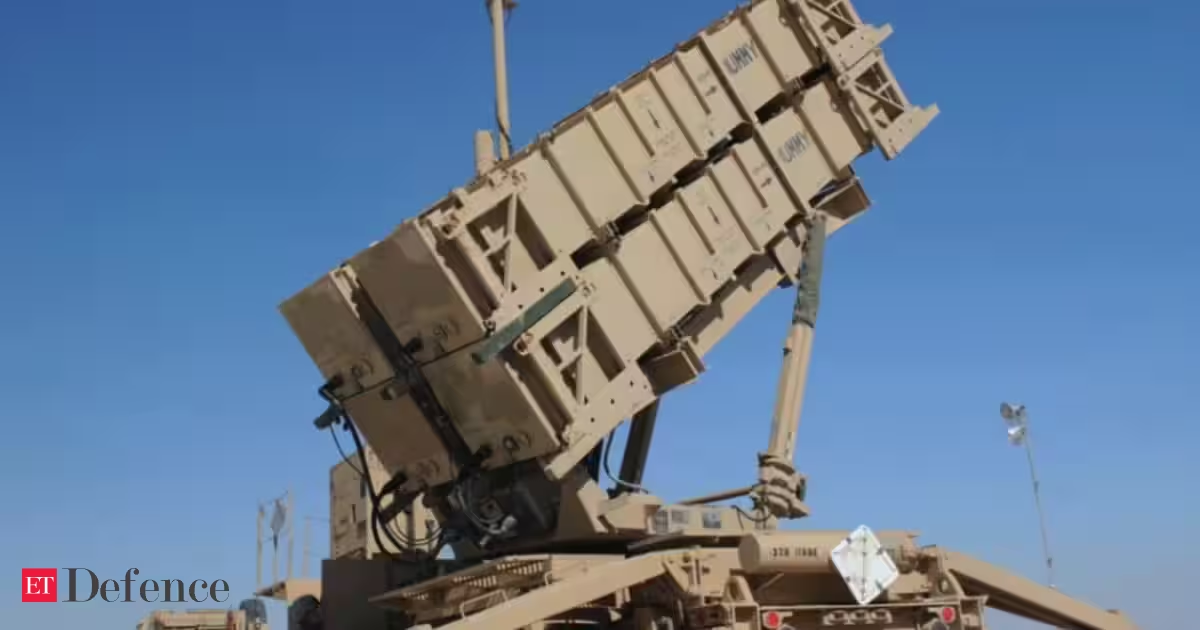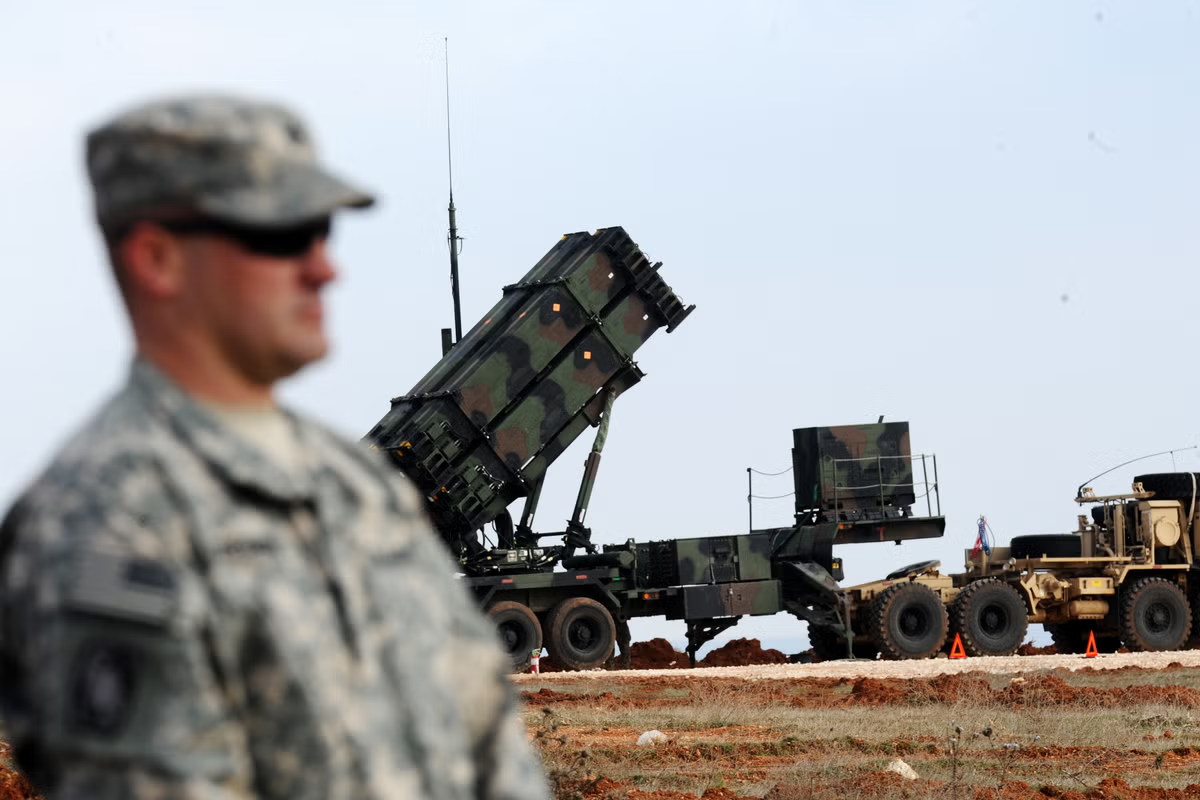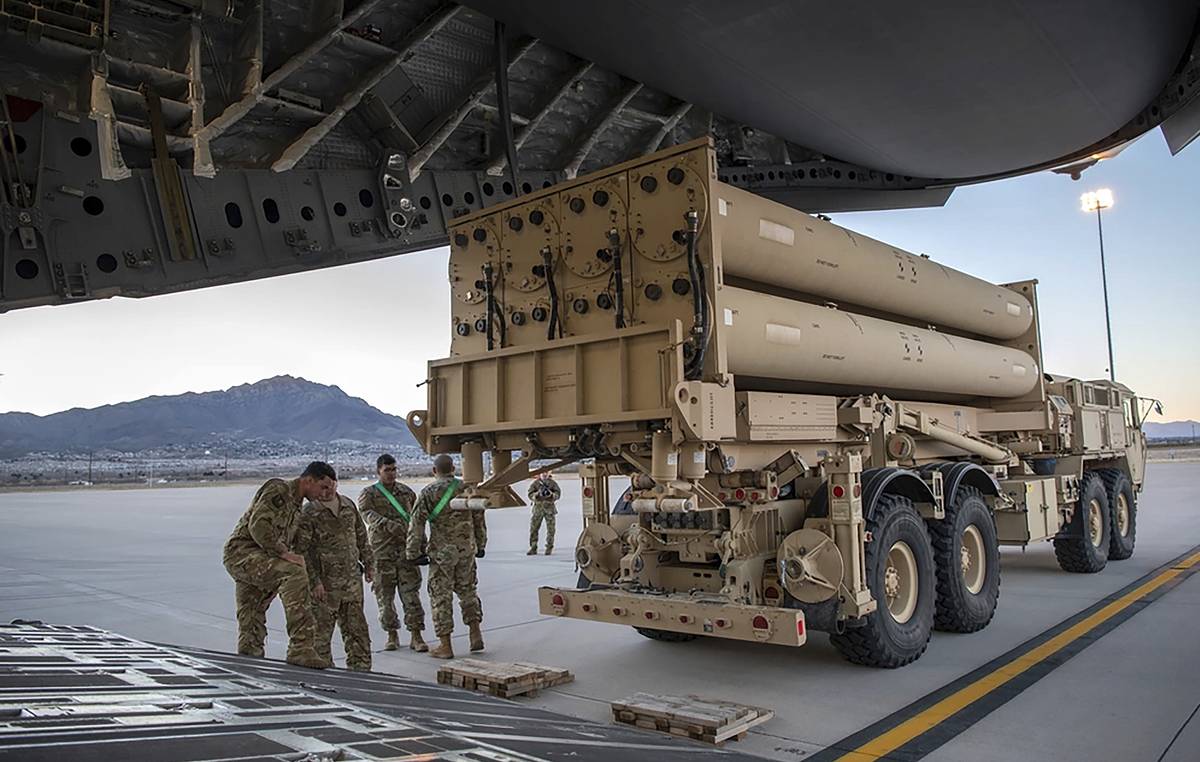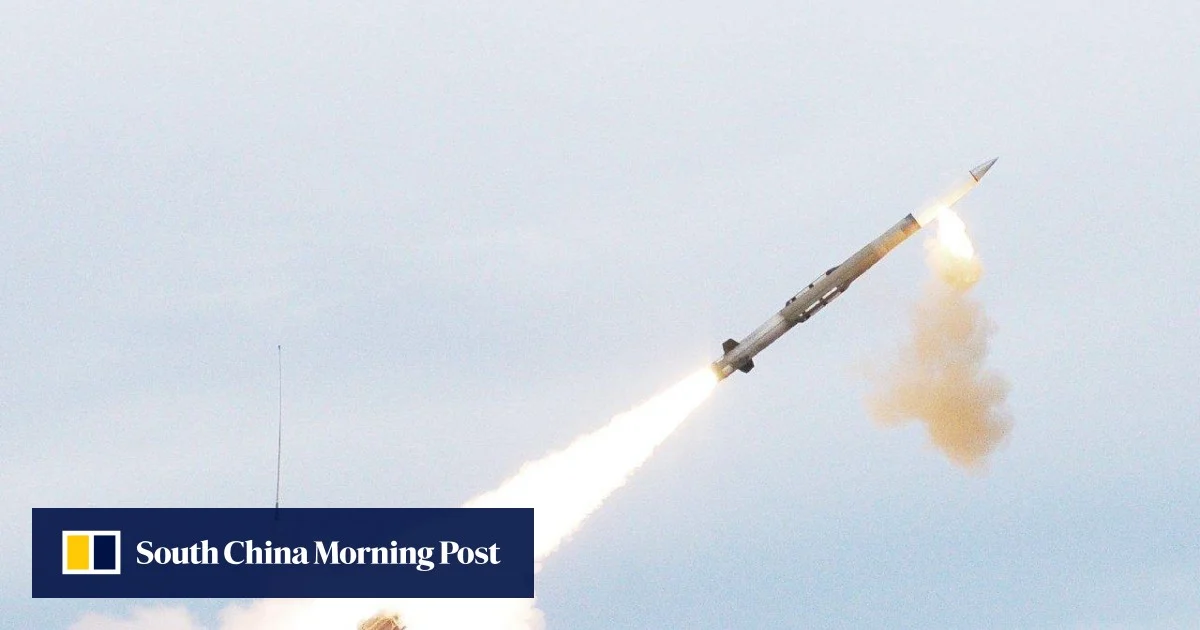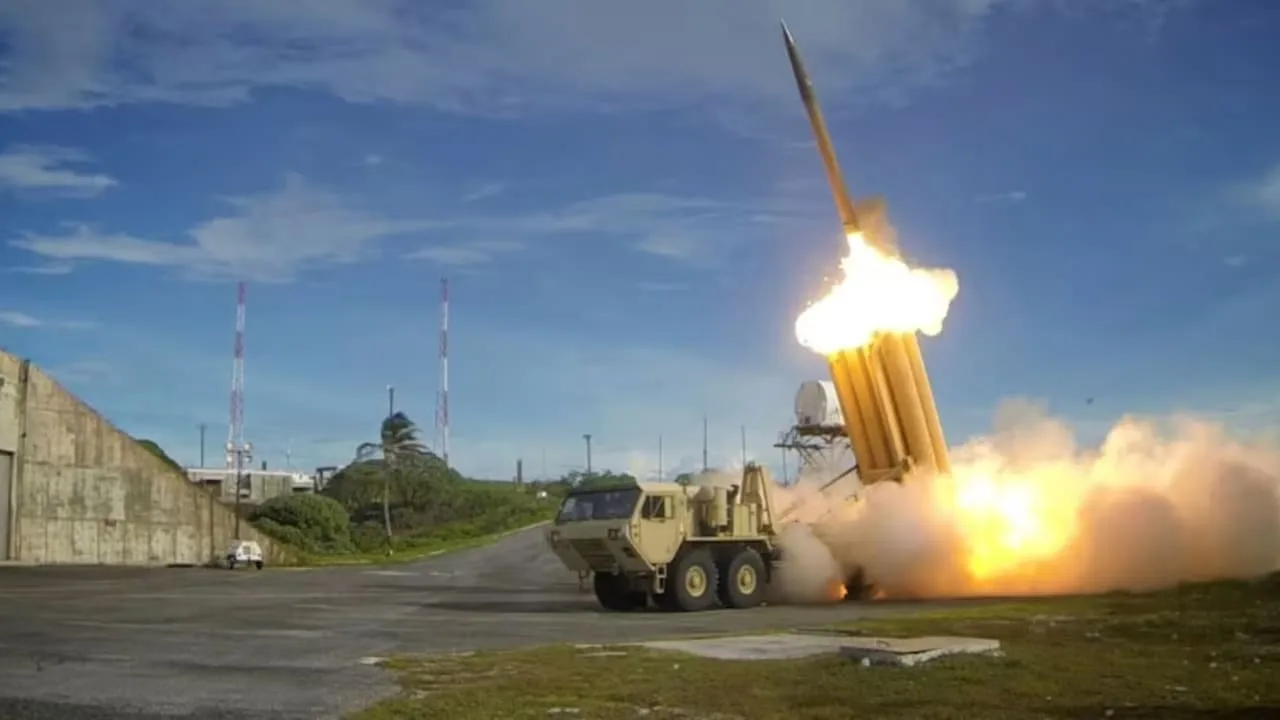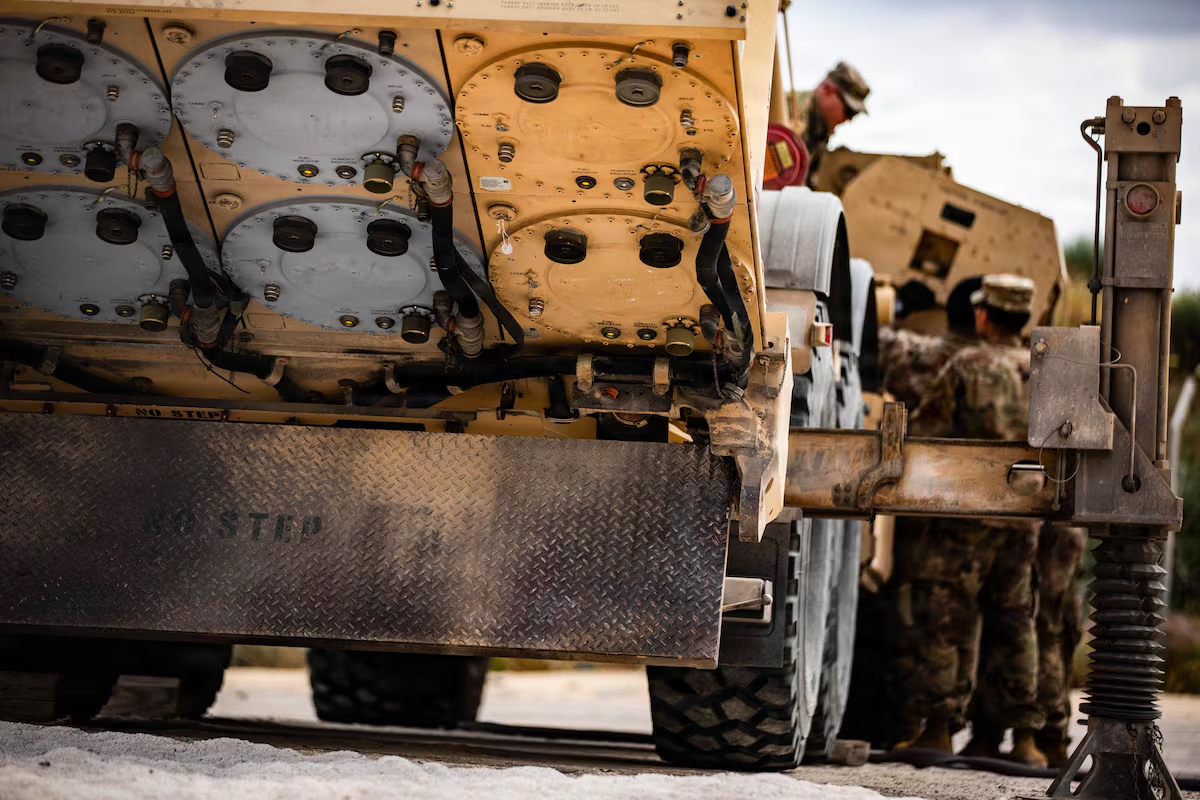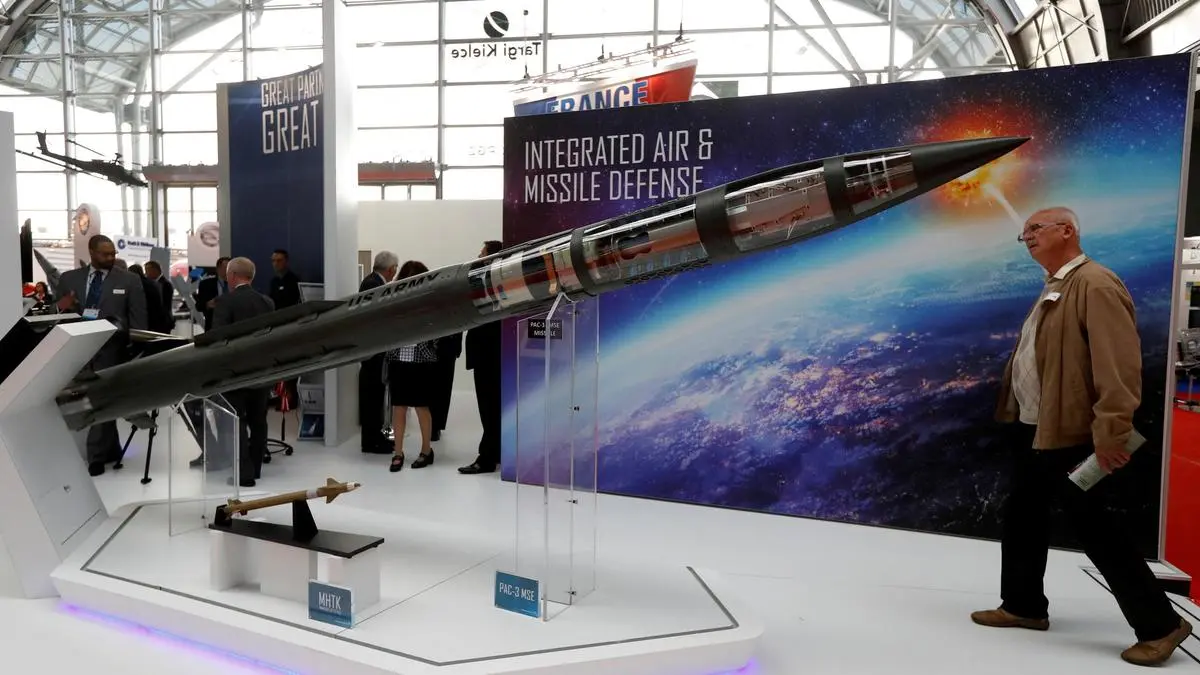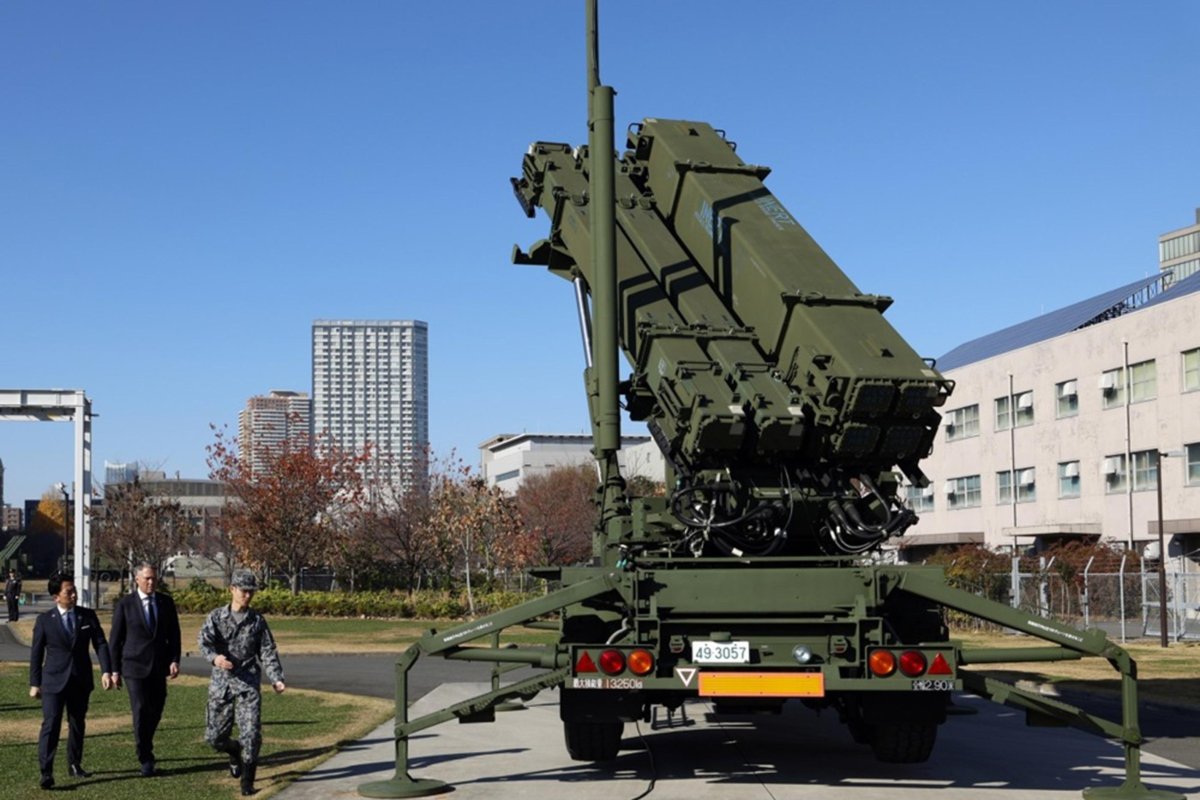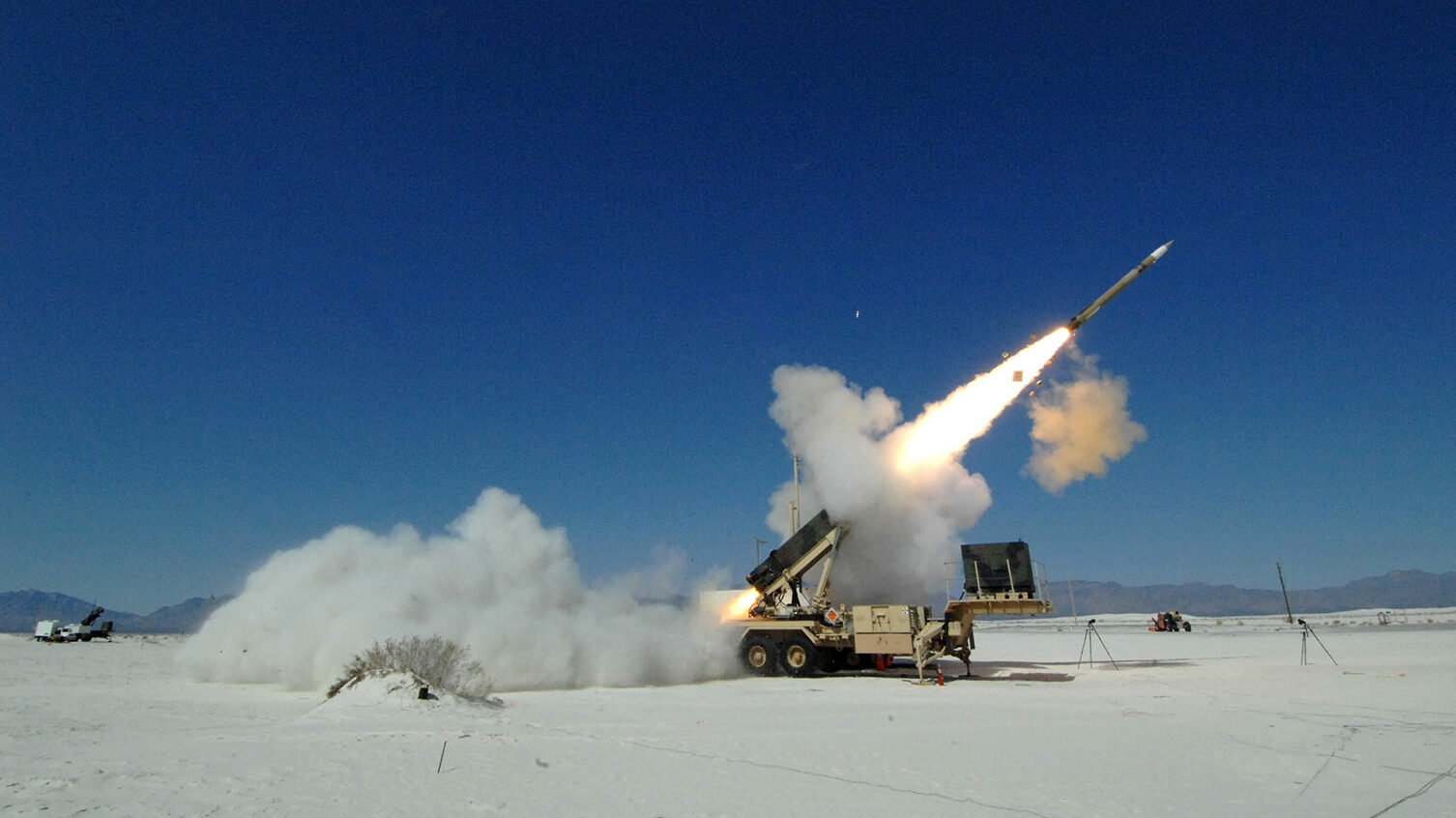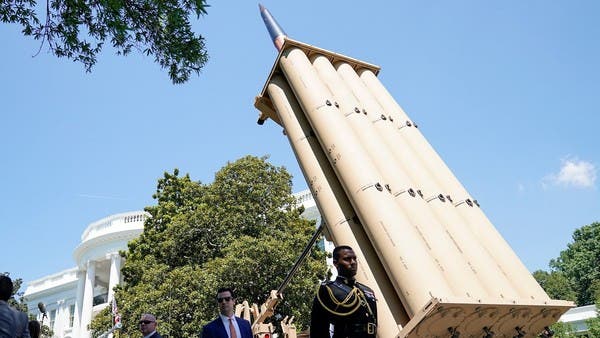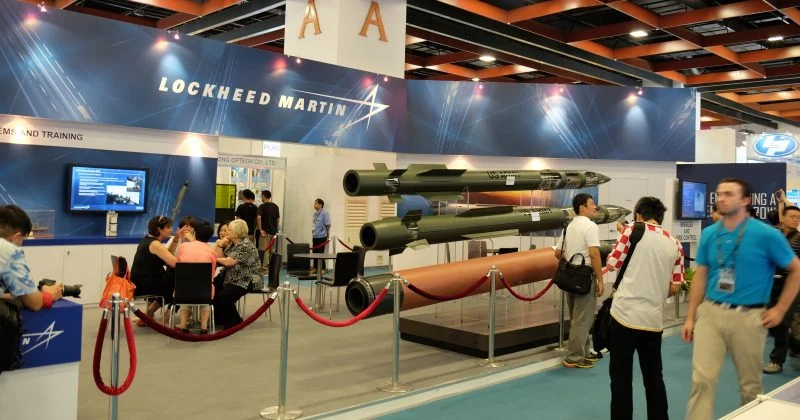
The US Department of War signed framework agreements with Lockheed Martin and Northrop Grumman to dramatically scale up missile interceptor production. The deals aim to triple annual output of PAC-3 Patriot interceptors and quadruple production of THAAD missile defense components.
More than $3 billion has been committed to Northrop Grumman alone for solid rocket motors and safety devices, establishing the company as a second source for PAC-3 components.
What the deals actually look like
These aren’t traditional procurement contracts where the government says “build us 500 missiles by Tuesday.” They’re framework agreements, which function more like long-term demand signals. The Pentagon is telling defense manufacturers “we’re going to need a lot of this stuff, so start investing in your facilities and workforce now.”
The agreements build on earlier commitments made in 2026 that were already substantial. Previous deals included up to $58.6 billion earmarked for Patriot interceptor production and $35 billion designated for THAAD systems. The new frameworks layer on top of those figures, focusing specifically on supply chain bottlenecks like solid rocket motors and structural components that have historically constrained production rates.