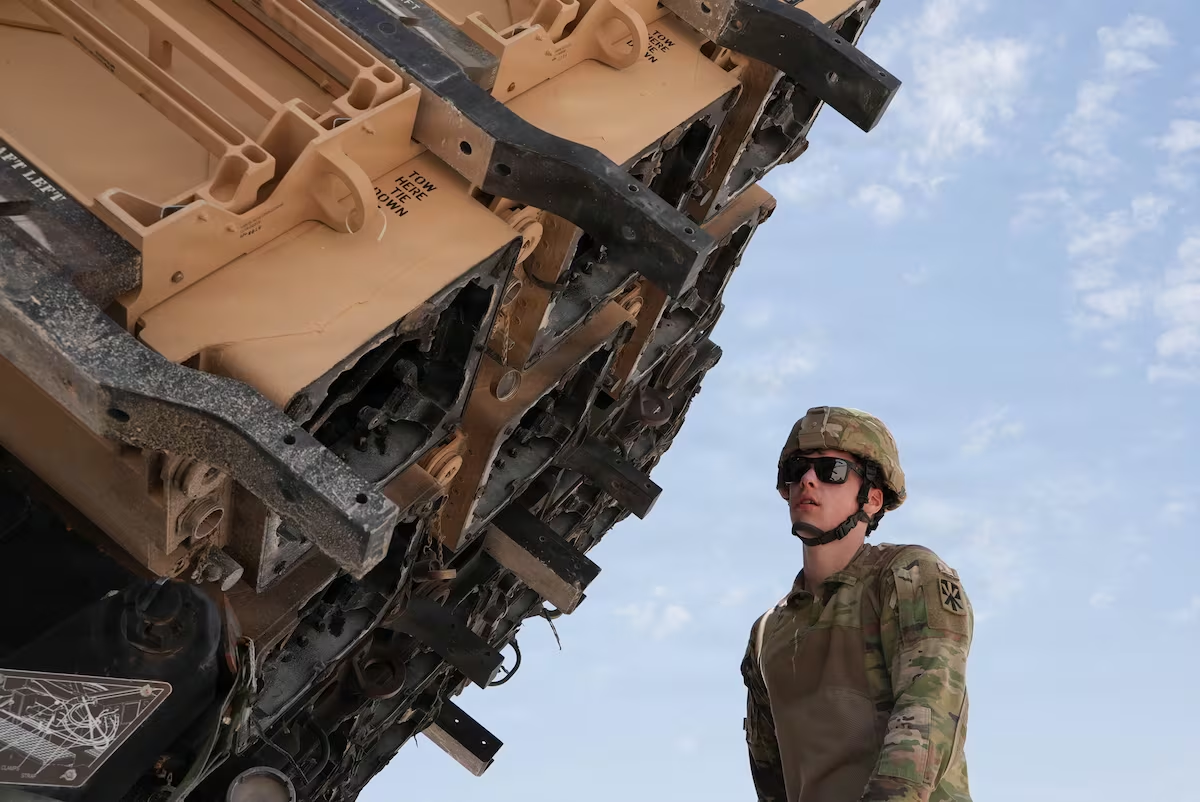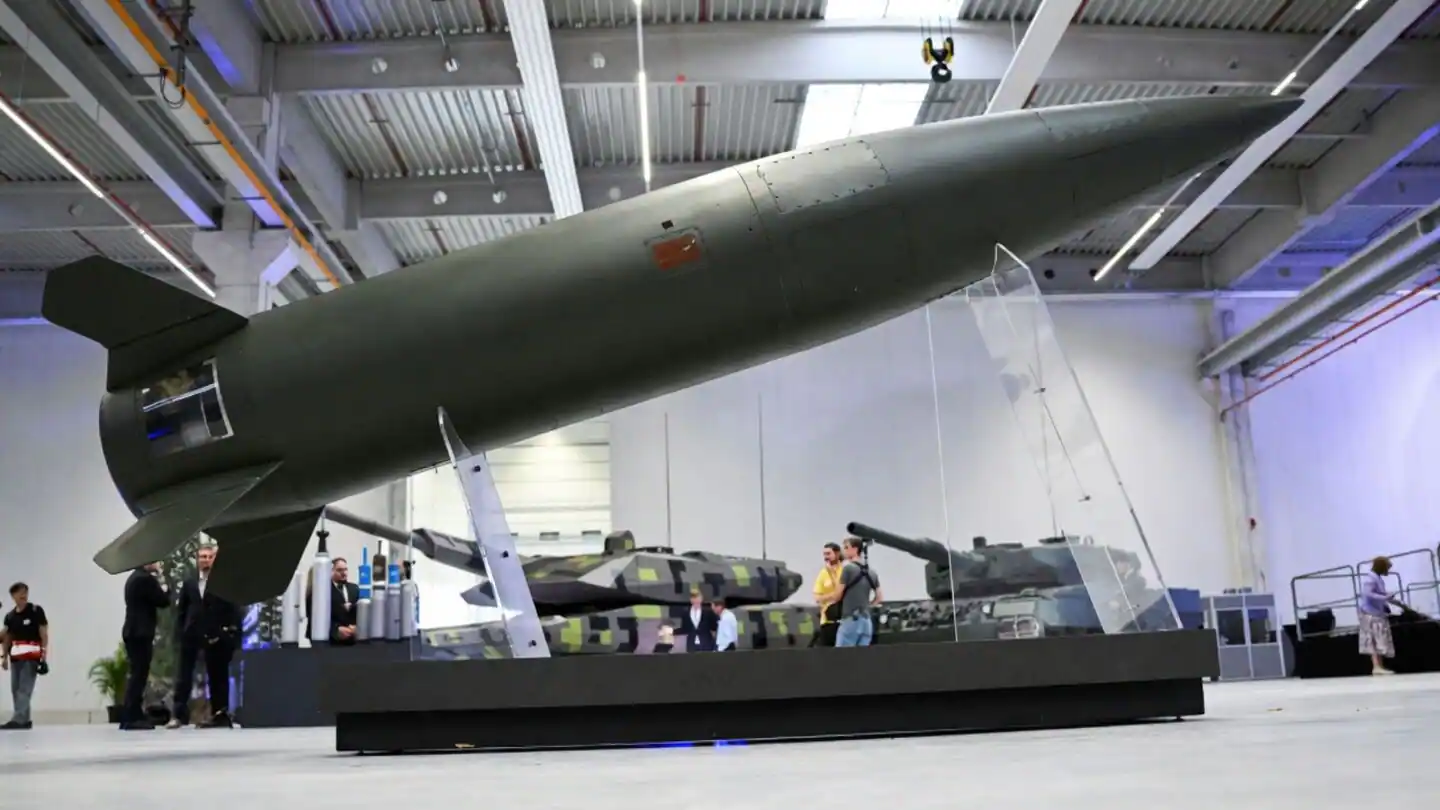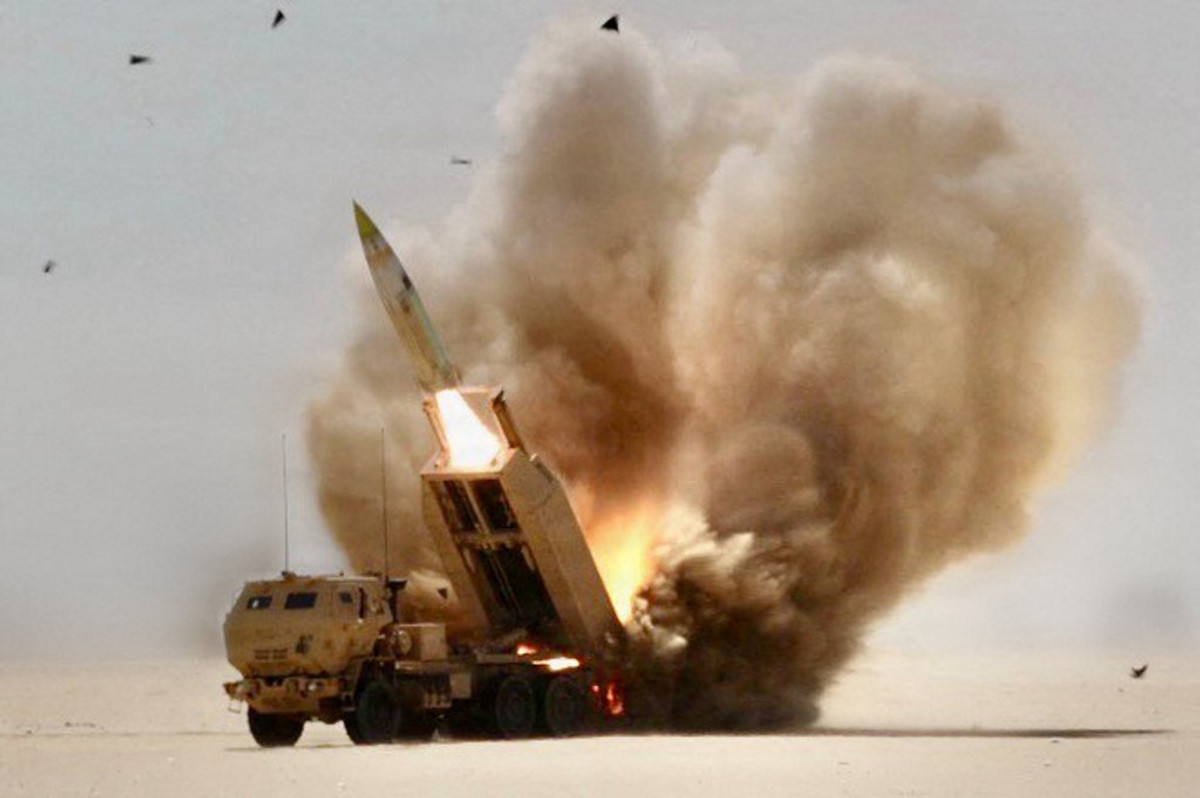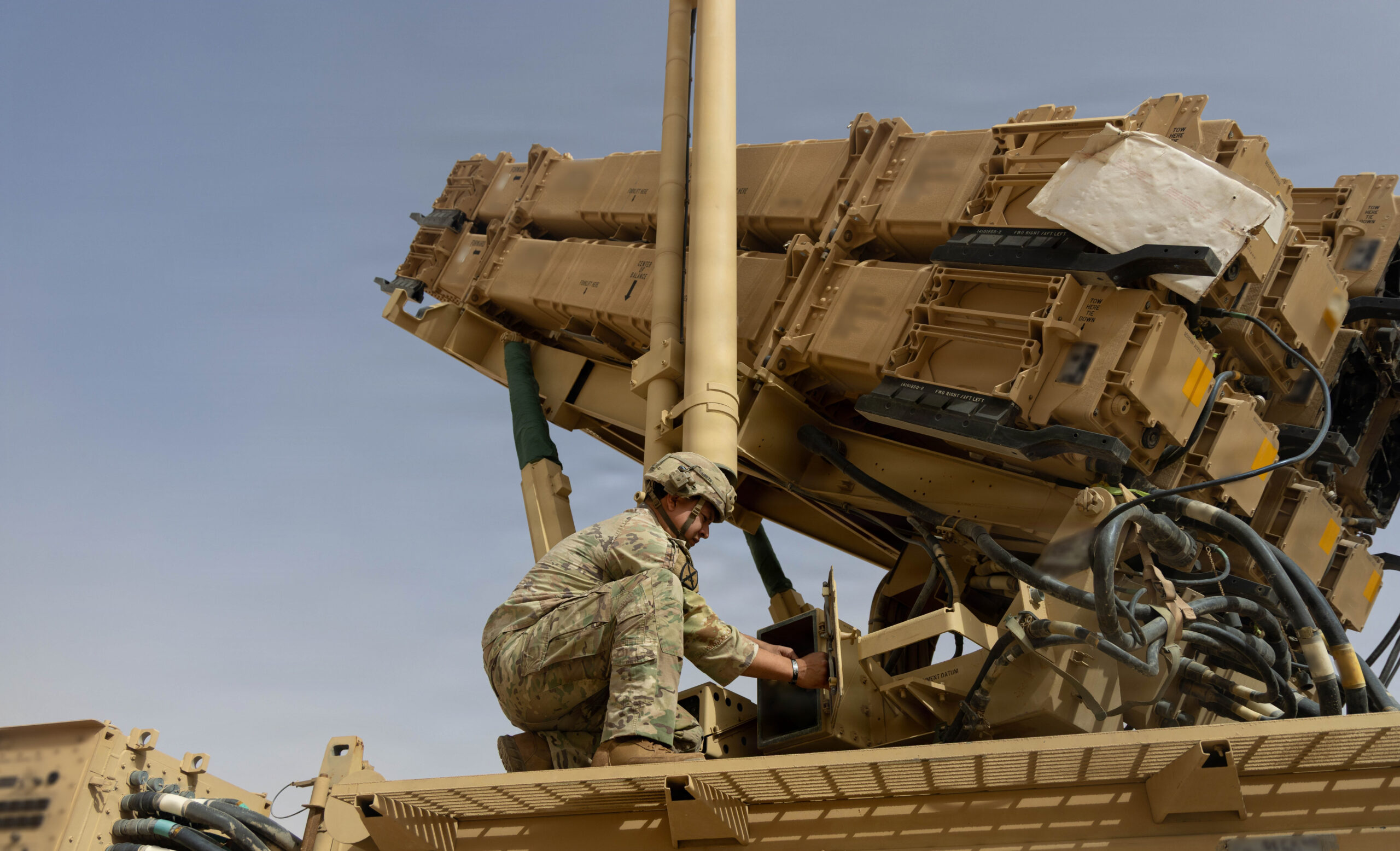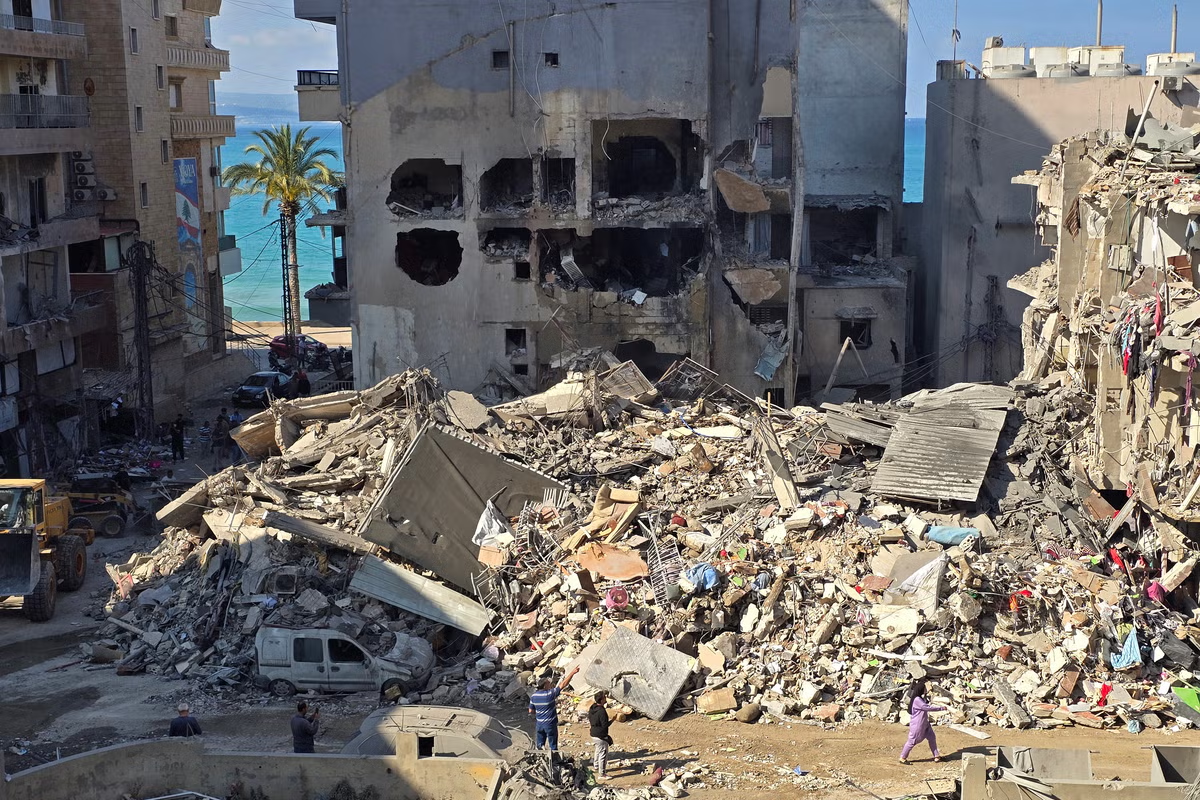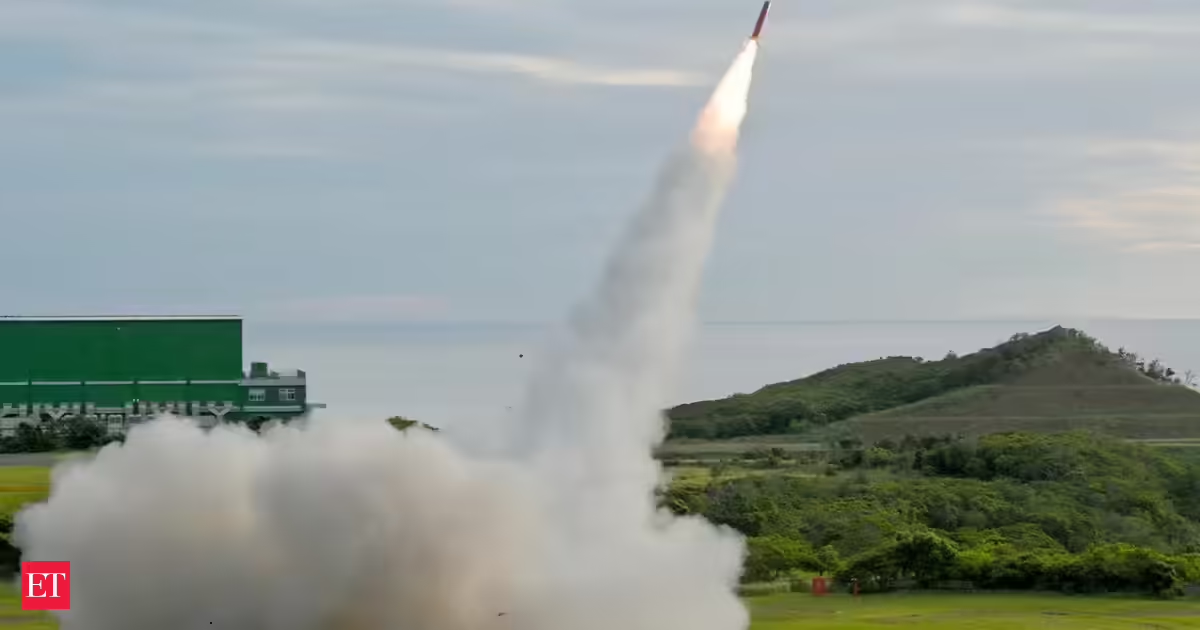
The U.S. missile stockpiles crisis is becoming a growing national security concern as American defense systems are being consumed faster than manufacturers can replace them. A new report from the Center for Strategic and International Studies revealed that the United States fired more than 1,000 Patriot interceptors during the war in Iran, while only 172 replacements have been manufactured so far. The widening gap between missile usage and production is raising alarm inside Washington because critical defense systems including Patriot and THAAD are now under extraordinary pressure.The missile stockpiles shortage is also affecting key U.S. allies that rely heavily on American defense technology for survival. Ukraine has urgently requested additional Patriot interceptors after Russia intensified missile attacks on Kyiv using cruise missiles, ballistic missiles, and hypersonic weapons. Ukrainian President Volodymyr Zelensky warned that Patriot systems remain one of the few reliable tools capable of intercepting advanced Russian ballistic strikes.U.S. Missile Inventory Draining Fast: After Firing 1,000 Missiles and Replacing Just 172, Is America Ready for the Next War?The scale of America's missile stockpile depletion is stark. The U.S. fired more than 1,000 Patriot interceptors during the war in Iran — yet has managed to replace only 172 of them, a replenishment rate of just 17%. The CSIS report projects that stockpiles of key interceptors from flagship missile defense systems like Patriot and THAAD will not be fully restored until 2029.That is a three-year gap during which America's missile defense arsenal remains critically undersized. This is not a minor logistics hiccup. It is a structural vulnerability in U.S. defense production capacity — one that adversaries are watching closely. The Iran war has consumed interceptors at a pace that peacetime manufacturing simply cannot match, exposing a long-known but long-ignored weakness in America's defense industrial base.Ukraine left exposed as Russia escalates missile barragesUkrainian President Volodymyr Zelensky has sent an urgent letter directly to President Donald Trump, pleading for interceptors to counter intensifying Russian missile strikes. Russia launched 54 cruise missiles, 30 ballistic missiles, and three hypersonic missiles in a single weekend assault on Kyiv — forcing warnings for all foreigners to evacuate the capital.He described the heartbreaking reality on the front lines — Patriot batteries with no missiles loaded, unable to engage incoming threats. This is what a missile stockpile crisis looks like in real time: batteries that exist, crews that are trained, but no interceptors to fire. Every Russian missile that goes unanswered reflects not just a battlefield failure, but a manufacturing failure thousands of miles away. Ukraine's survival is now partly a function of American factory output.Taiwan faces a $30 billion backlog ahead of potential chinese invasionTaiwan's situation is equally alarming. The island nation is managing a backlog of U.S.-supplied weaponry valued at approximately $30 billion — and Patriot interceptors sit at the top of its priority list. Taiwanese officials, speaking to Axios, confirmed the urgency. Deputy Foreign Affairs Minister Chen Ming-chi put it plainly: "It will be very difficult to resupply if China invades."Taiwan is preparing for a potential conflict with China as early as next year, making its current missile stockpile deficit a national survival issue. Chen stressed that clear communication with Washington is essential, acknowledging that U.S. replenishment needs compete with those of other partners.The Defense Department has acknowledged the missile stockpile gap and is pushing its defense contractors hard. The Pentagon signed a landmark deal with Lockheed Martin to increase annual THAAD interceptor production from 96 to 400 units — more than a fourfold increase. Patriot interceptor production is being scaled from 600 to 2,000 units per year. A separate agreement with Boeing triples its PAC-3 seeker output, addressing a critical component bottleneck.But defense manufacturing is not like ordering a pizza. Expanding factory capacity takes time — engineering, workforce training, supply chain realignment, and quality control. Even with these contracts in place, the CSIS timeline of 2029 for full missile stockpile restoration suggests the surge will take years to materialize in meaningful quantities. The Pentagon insists it maintains sufficient stocks for current operations.
America fired 1,000 Patriot missiles but replaced only 172: Is the US missile stockpile crisis leaving Ukraine, Taiwan, and America vulnerable until 2029?
The US missile stockpile crisis is now exposing a deeper global defense weakness as America fired more than 1,000 Patriot interceptors but replaced only 172 during the Iran war. Pentagon missile reserves are shrinking fast. Patriot missile shortages are now affecting Ukraine and Taiwan at the same time. Defense experts warn some US missile defense systems may not recover before 2029.
666 words~3 min read