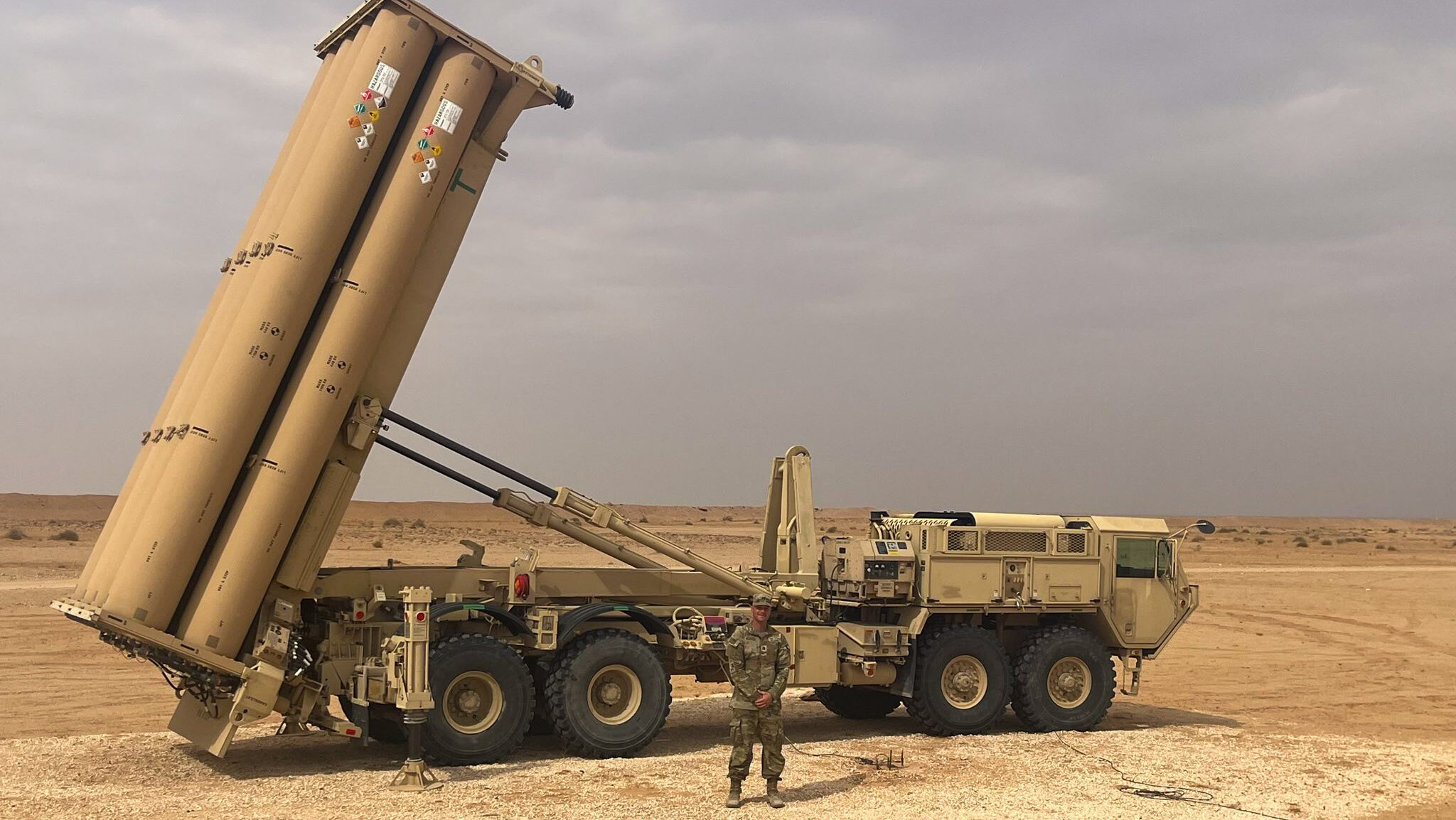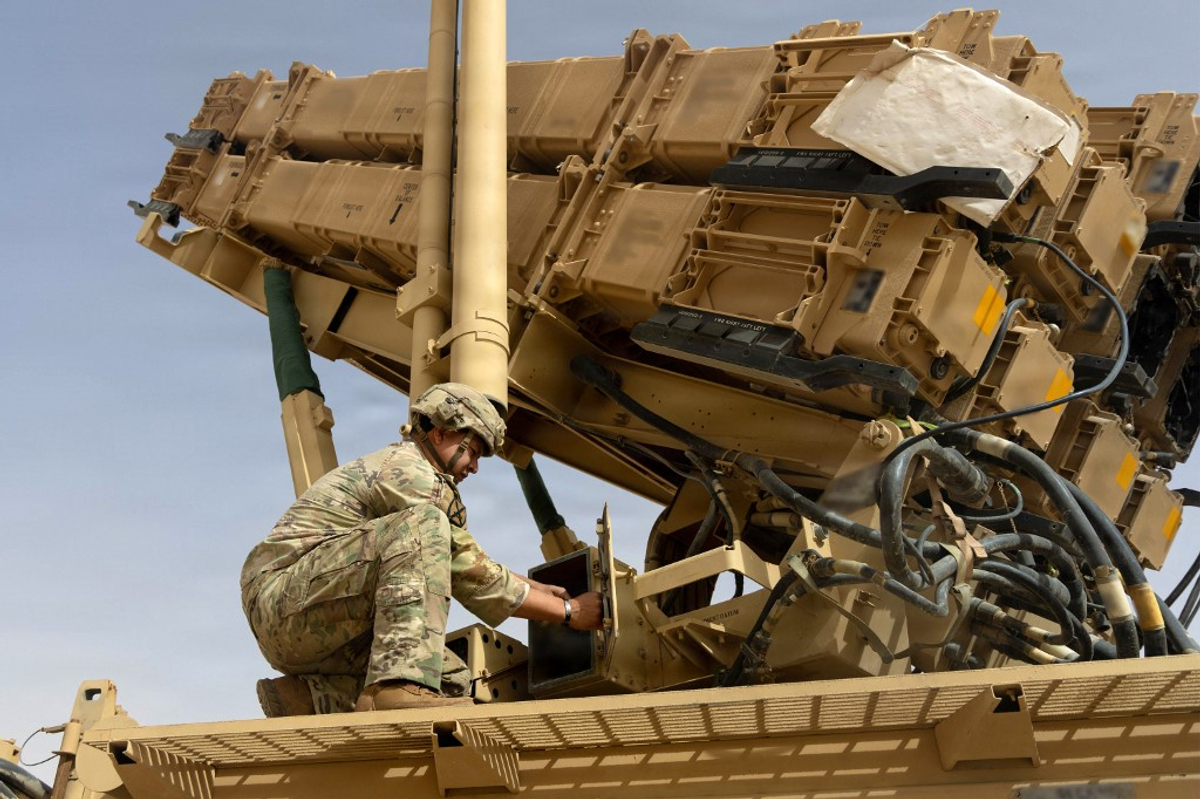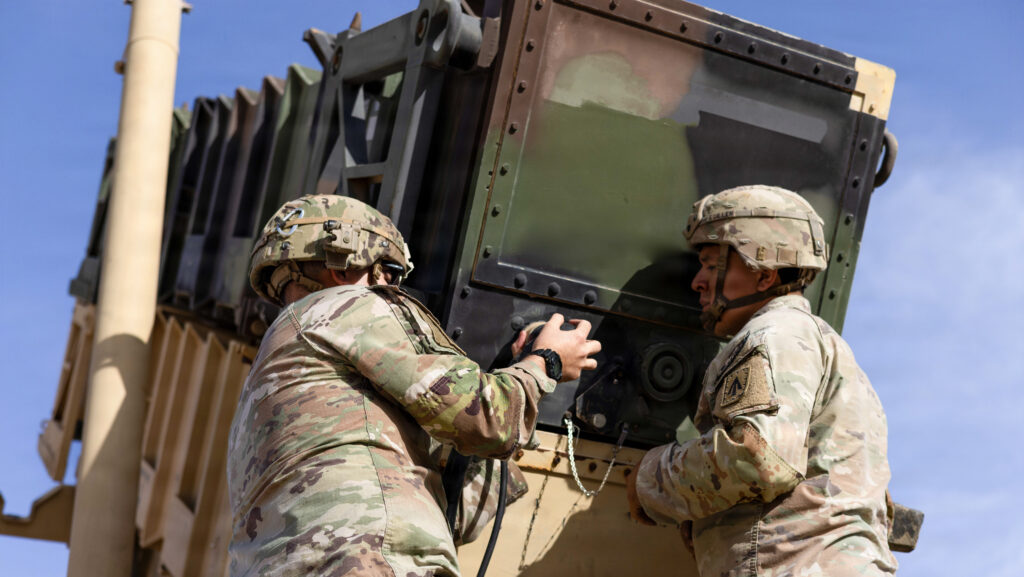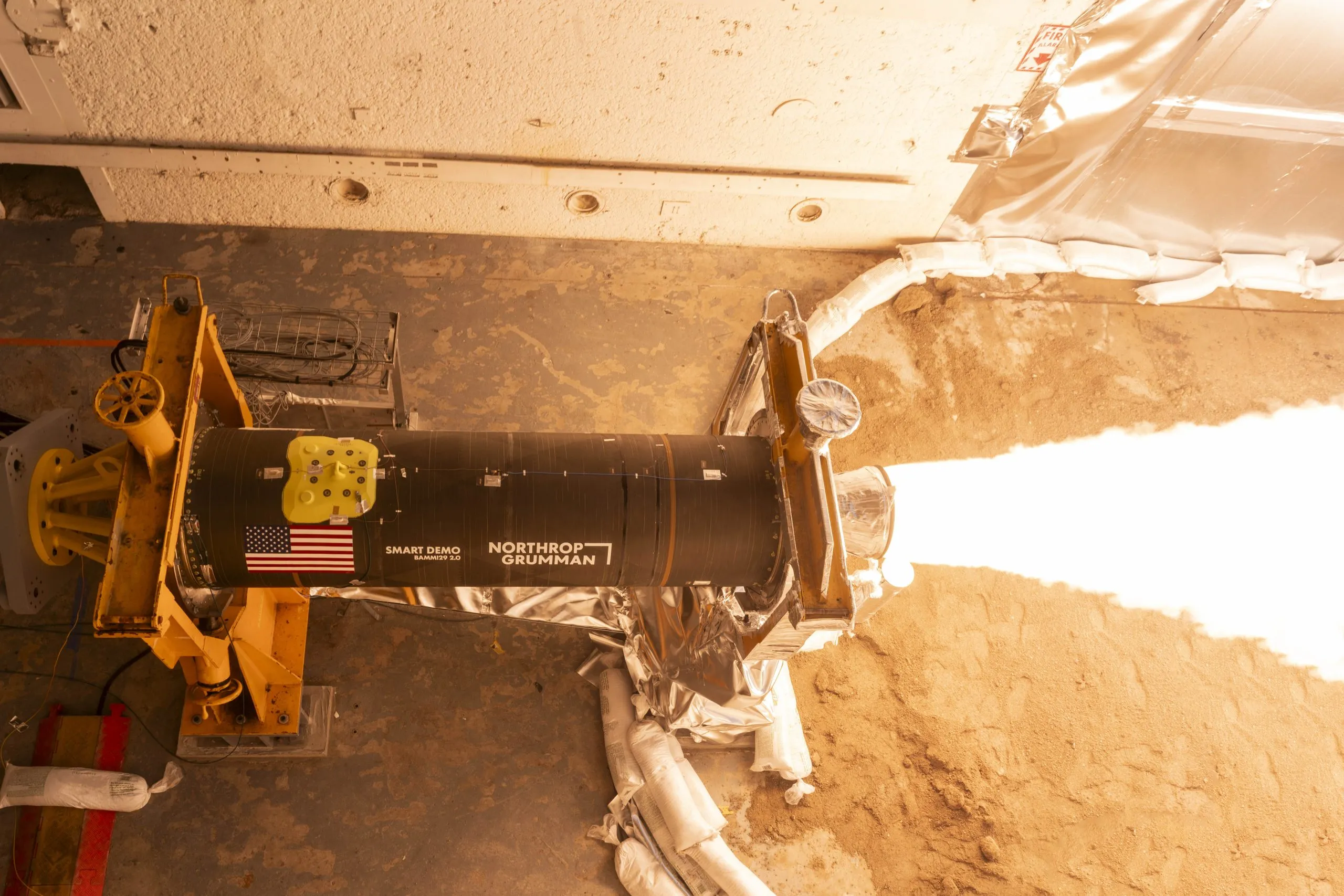
WASHINGTON — U.S. production of solid rocket motors is rising, but not fast enough to meet the Pentagon’s missile-defense program demands, according to a new report from the Center for Strategic and International Studies.
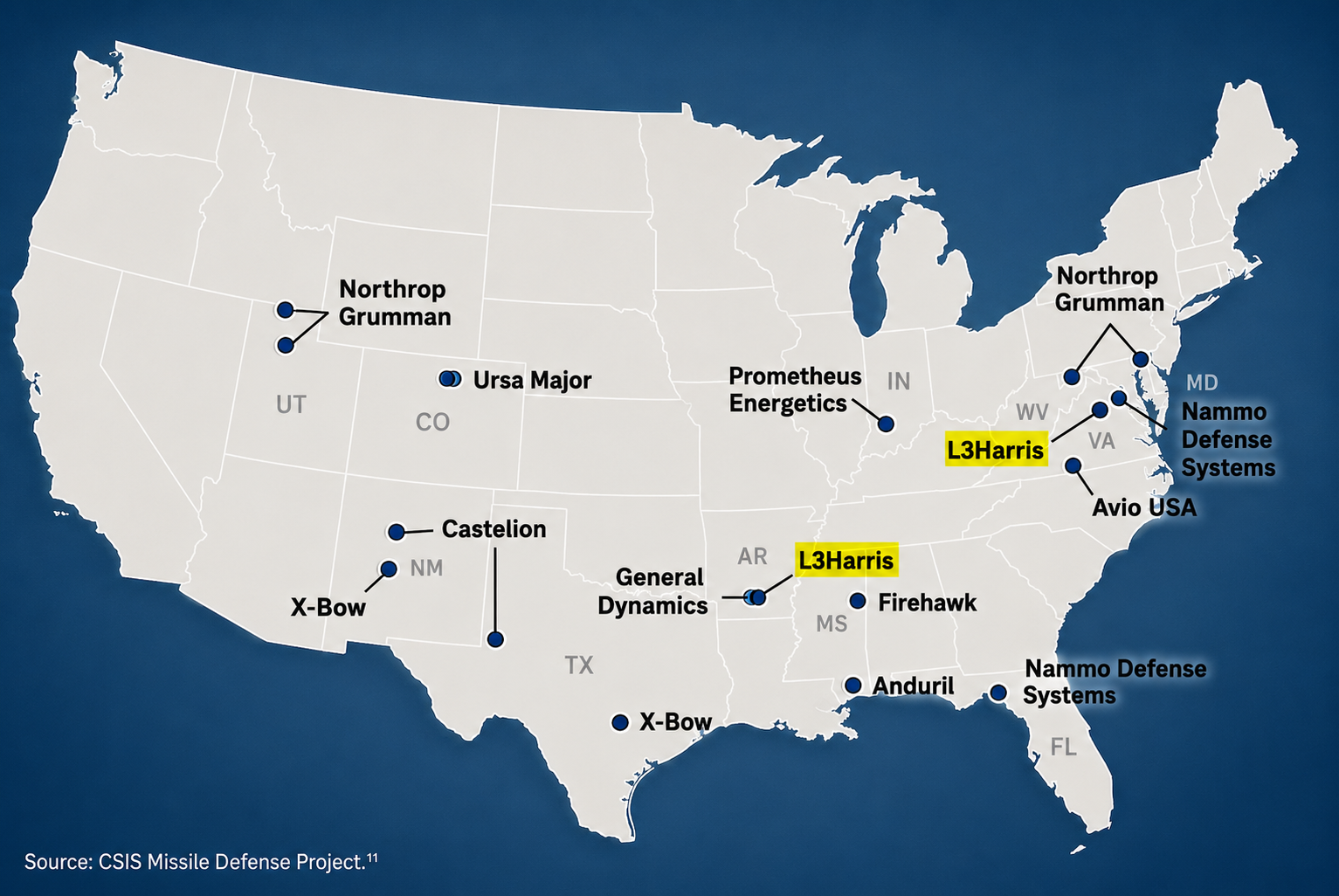
The report says solid rocket motors remain a bottleneck across the U.S. missile industrial base, even as the Pentagon prepares for a sharp increase in interceptor production. The Defense Department’s 2027 budget request includes more than $73 billion for missile programs across mandatory and discretionary funding, up from a prior peak of $29 billion in 2024, according to CSIS.
The Pentagon expects deliveries of more than 2,100 air and missile defense interceptors in calendar year 2027, a roughly 70% increase from nearly 1,300 in 2021. But CSIS says that level remains well below the department’s stated production goals of roughly 5,000 interceptors a year across Army, Navy and Air Force programs.
“Achieving these goals will require dealing with myriad challenges to increasing interceptor production,” the report says. It adds that the targets were set before Operation Epic Fury, which could increase pressure to replenish interceptors used in early 2026.
The study, sponsored by Raytheon Technologies, Ursa Major and X-Bow Systems, argues that the air and missile defense interceptor industrial base isn’t configured for a long conflict with high missile-expenditure rates. A central concern is that solid rocket motors sit beneath nearly every major U.S. missile program. Problems in motor production, propellant ingredients, nozzles, inspection capacity or the specialized workforce can ripple across multiple weapon lines.