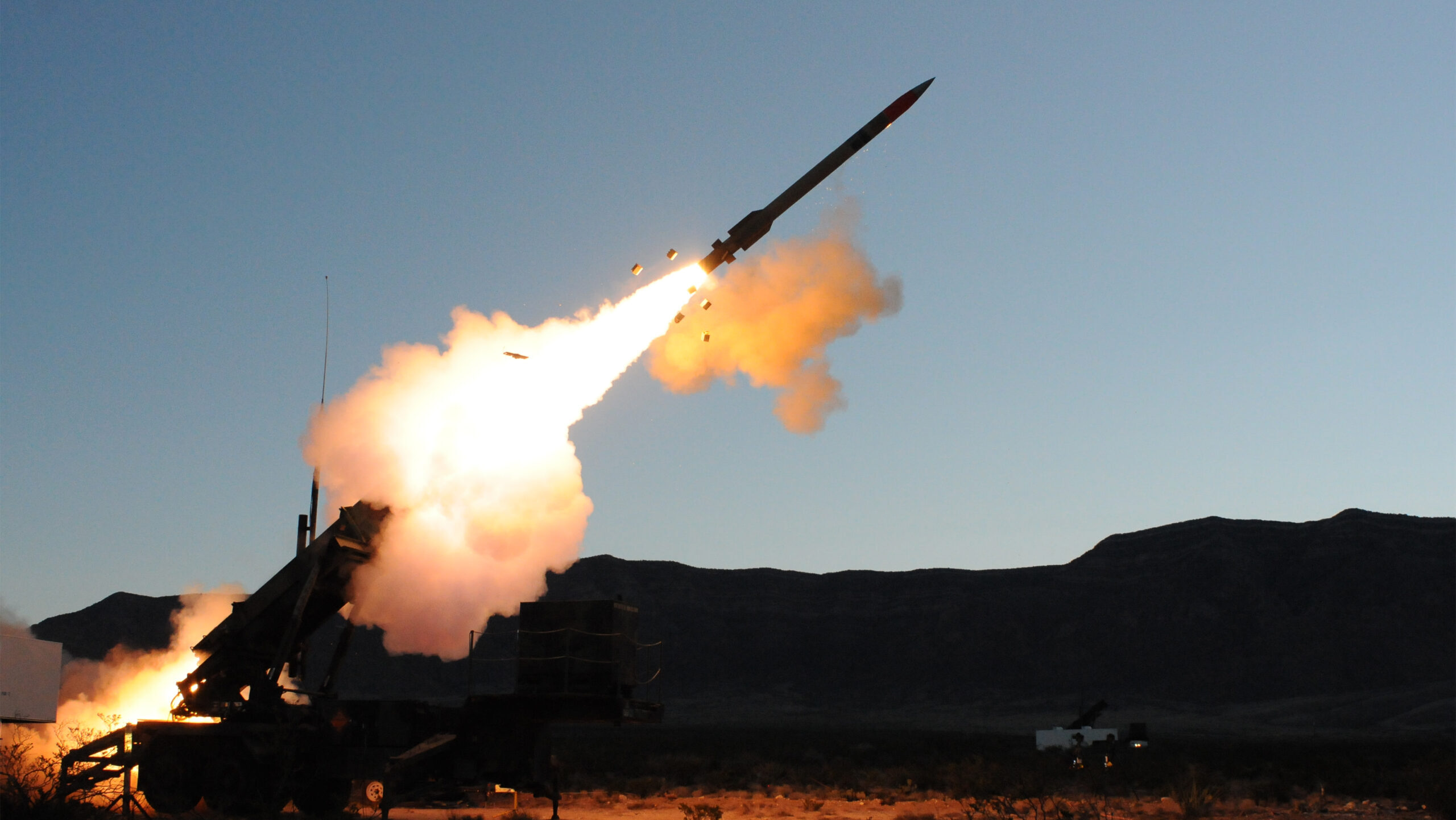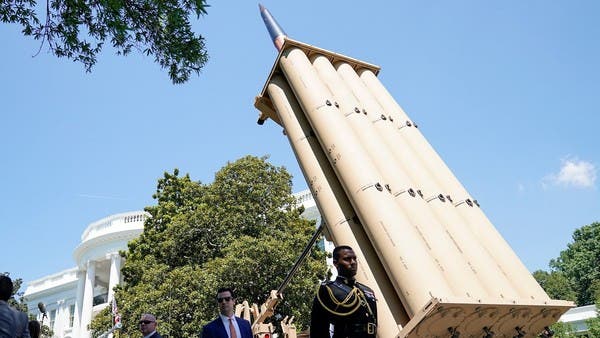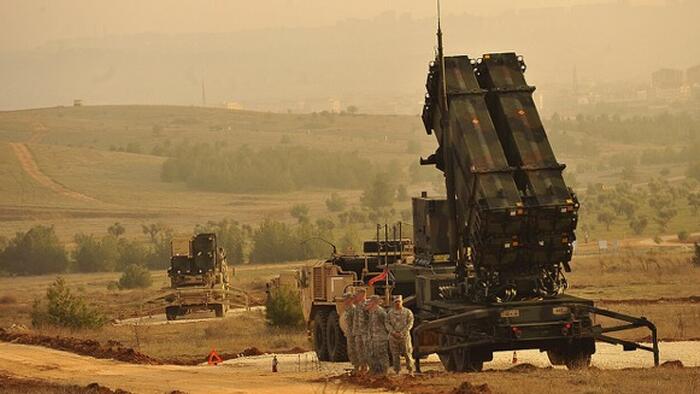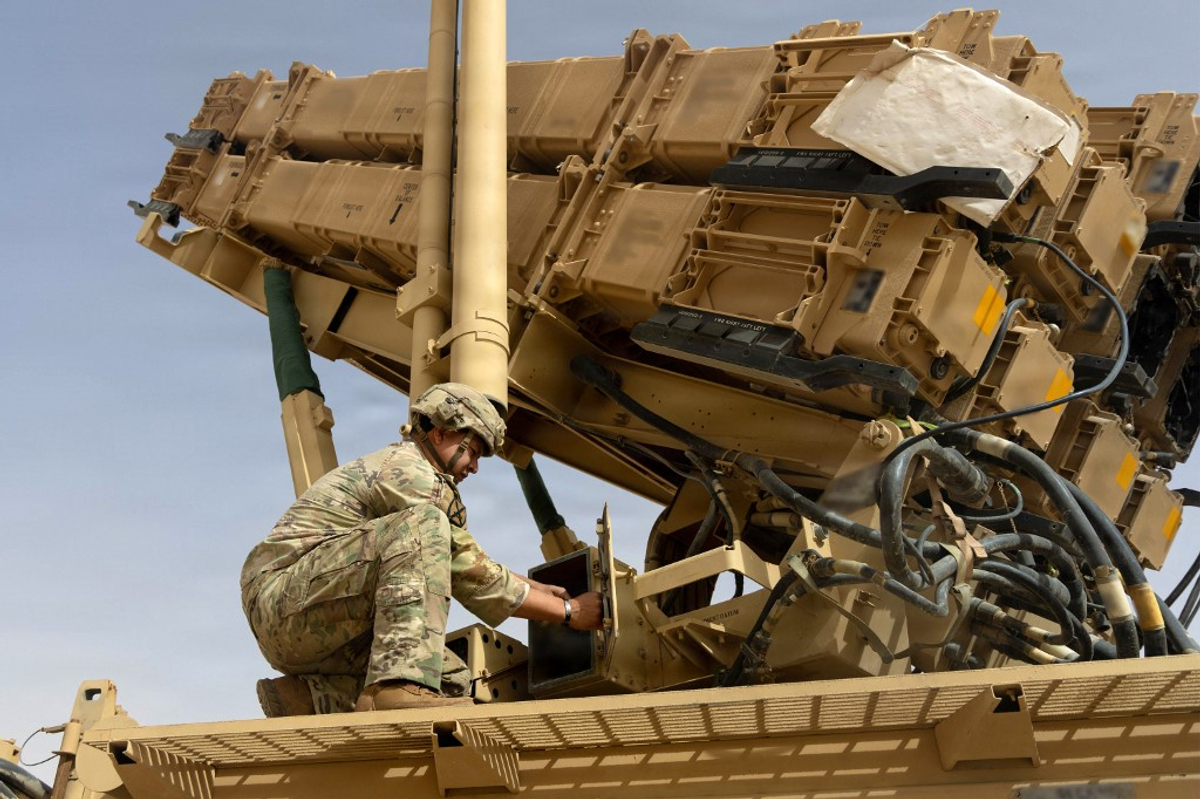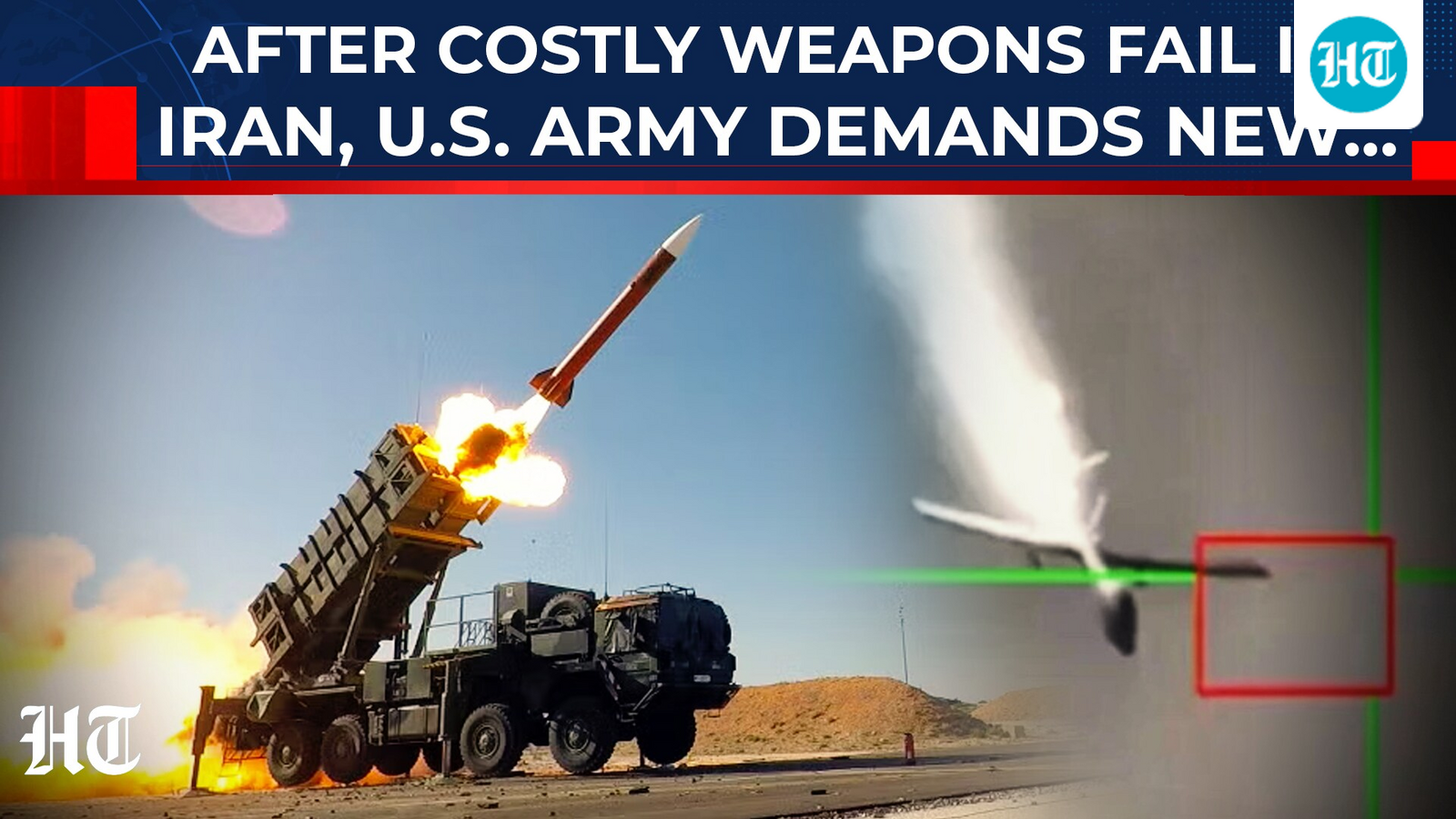
The Pentagon announced an agreement with L3Harris on Monday morning to rapidly expand production of key components found within Patriot missile interceptors, as the administration disputed that reduced U.S. stockpiles are playing a role in the Iran war.Under the new seven-year framework, which is still being finalized, L3Harris will nearly triple production of its two-pulse solid rocket motor and the Lethality Enhancer, which are components of the Patriot Advanced Capability-3 Missile Segment Enhancement, or PAC-3 MSE.“This critical, long-term agreement will allow us to continue to move at unprecedented speed and produce PAC-3 propulsion at rates never before seen,” said Ken Bedingfield, the president of missile solutions at L3Harris. “We are actively preparing our facilities and our suppliers to meet the required ramp as well as introducing additional capacity to support future needs of the [War Department] and our allies and strengthen the Arsenal of Freedom.”
The PAC-3 MSE can cost upward of $4 million a piece. Last week, Lockheed Martin announced a plan to produce a new, cheaper variant called the PAC-3 ACE interceptor, which is expected to cost less than half what the PAC-3 MSE costs. The Pentagon, L3Harris, and Lockheed Martin also agreed to a deal, which was announced Monday, of the same length to expand manufacturing of two critical components, the solid rocket boost motor that launches the interceptor and the Liquid Divert and Attitude Control System.Administration officials have maintained in recent months that stockpiles are not at critical levels and that the U.S. military still has everything needed to carry out any mission approved by the president, even as the military has expended critical munitions during the war in Iran.President Donald Trump publicly discussed possible military escalation last week, but he ultimately decided not to and instead opted to stop the daily U.S. strikes that were mostly targeting Iran’s ability to target commercial shipping in and near the Strait of Hormuz, which lasted for nearly two weeks straight. Gen. Dan Caine, the chairman of the Joint Chiefs of Staff, reportedly warned the president that resuming major combat operations could lead to dangerous depletion of U.S. missile interceptor stockpiles, according to the New York Times.The U.S. carried out 13 consecutive days of bombings that ended Friday. During that time, U.S. Central Command said it was targeting Iran’s capabilities to launch attacks in the Strait of Hormuz. Iran responded with attacks on several U.S. Gulf allies, including one attack in Jordan that resulted in the deaths of three American service members. A fourth service member died during a controlled detonation of a downed Iranian drone on Sunday at Erbil Air Base in Iraq.War Secretary Pete Hegseth testifies at a Senate appropriations committee hearing on Tuesday, July 21, 2026, on Capitol Hill in Washington. (AP Photo/Jacquelyn Martin)