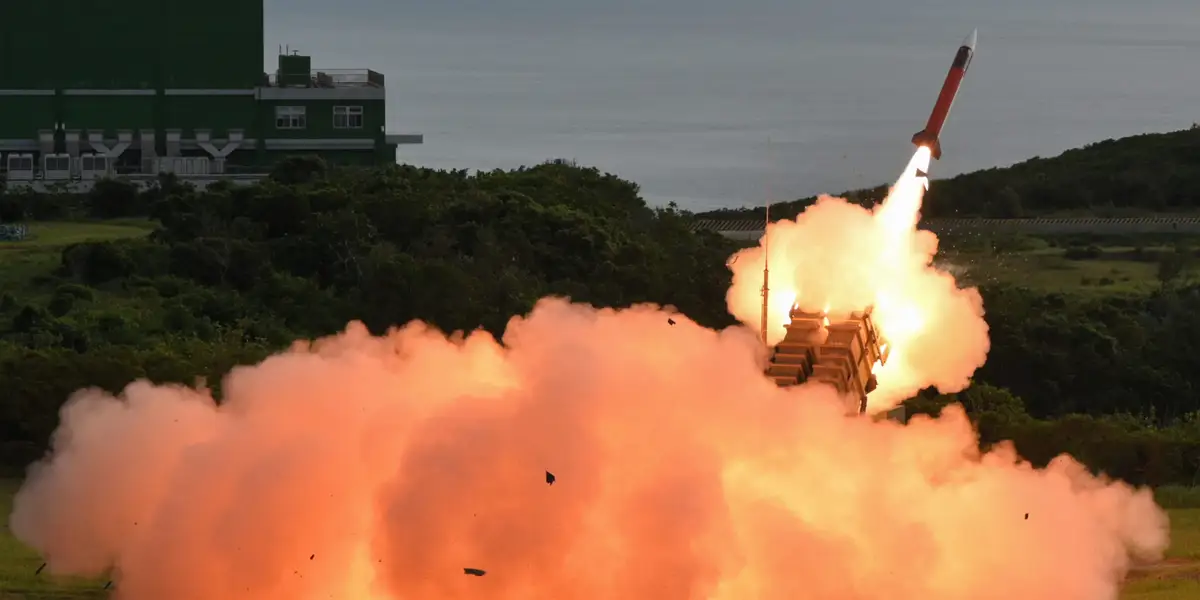
The U.S. Army has launched an urgent push for a low cost Patriot interceptor priced under $1 million as rising regional conflicts and heavy system use strain missile stockpiles. Current PAC 3 MSE interceptors run about $5.3 million each, prompting Army leaders to seek affordable alternatives to handle swarms of drones, cruise missiles and short range ballistic threats without bankrupting inventories. The capability program has split the design into four major components — rocket motor, seeker, fire control and flight guidance — each with a roughly $250,000 target price, and officials hope multiple companies will compete in a rapid industry event in Washington. Maj. Gen. Frank Lozano called the competition aggressive, emphasizing speed, producibility and cost per intercept. The push follows intense demand on Patriot systems during recent fighting in the Middle East and worries that future high intensity conflicts could exhaust U.S. missile reserves. Pentagon planners say lower priced interceptors would improve shot economics and ease supply chain pressures, though some experts question whether industry can meet the ambitious cost and performance goals.
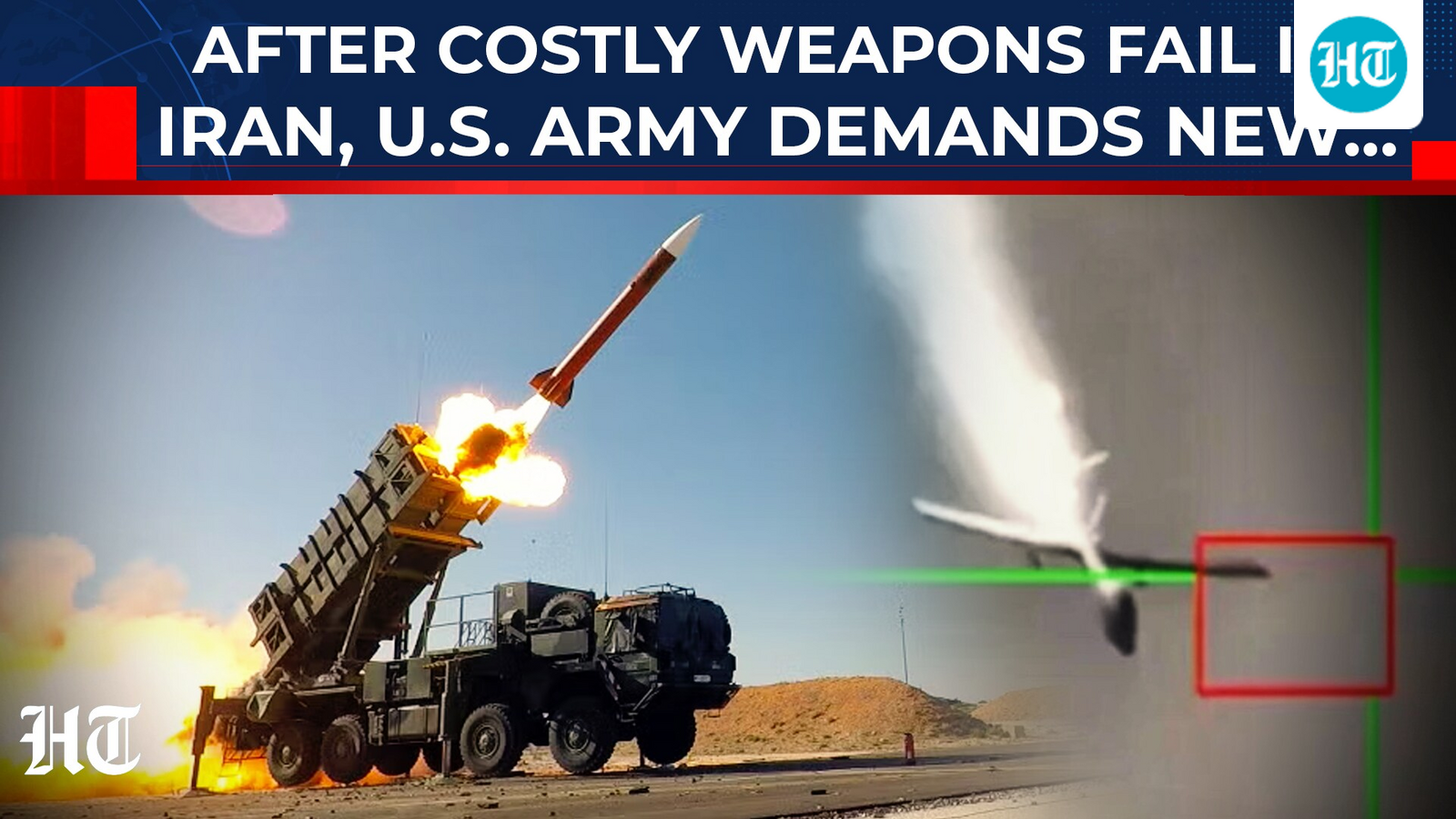
After costly weapons fail in Iran, desperate US military demands new type of missile| Patriot,Hormuz
The U.S. Army has launched an urgent push for a low cost Patriot interceptor priced under $1 million as rising regional conflicts and heavy system use strain missile stockpiles. Current PAC 3 MSE interceptors run about $5.3 million each, prompting Army leaders to seek affordable alternatives to handle swarms of drones, cruise missiles and short range ballistic threats without bankrupting inventories. The capability program has split the design into four major components — rocket motor, seeker, fire control and flight guidance — each with a roughly $250,000 target price, and officials hope multiple companies will compete in a rapid industry event in Washington. Maj. Gen. Frank Lozano called the competition aggressive, emphasizing speed, producibility and cost per intercept. The push follows intense demand on Patriot systems during recent fighting in the Middle East and worries that future high intensity conflicts could exhaust U.S. missile reserves. Pentagon planners say lower priced interceptors would improve shot economics and ease supply chain pressures, though some experts question whether industry can meet the ambitious cost and performance goals.