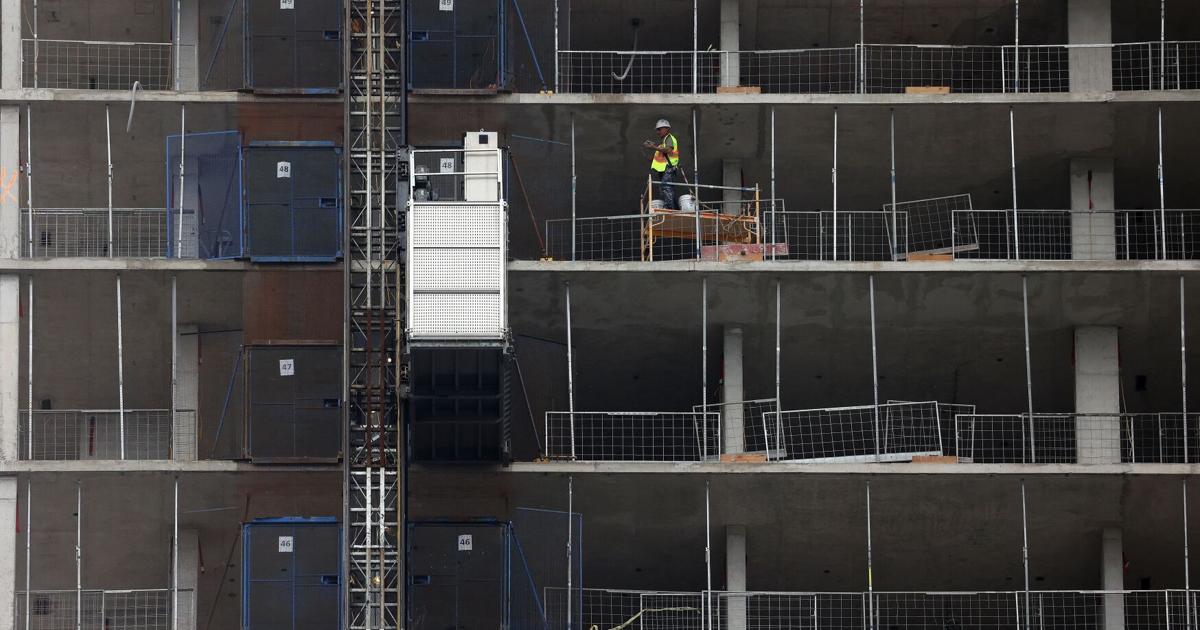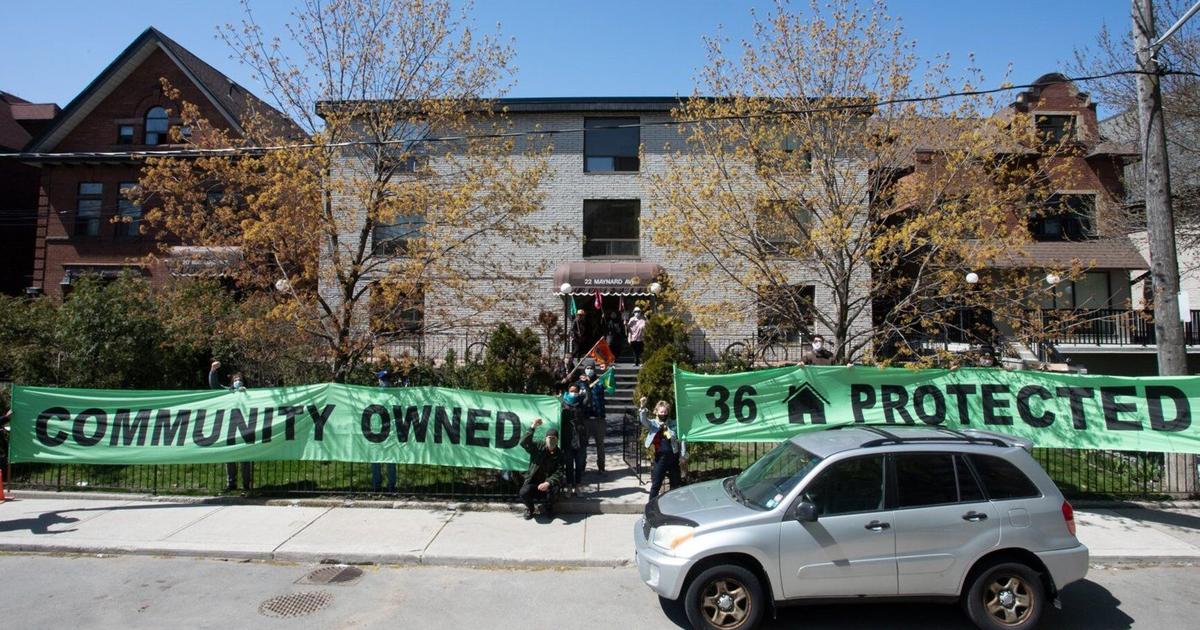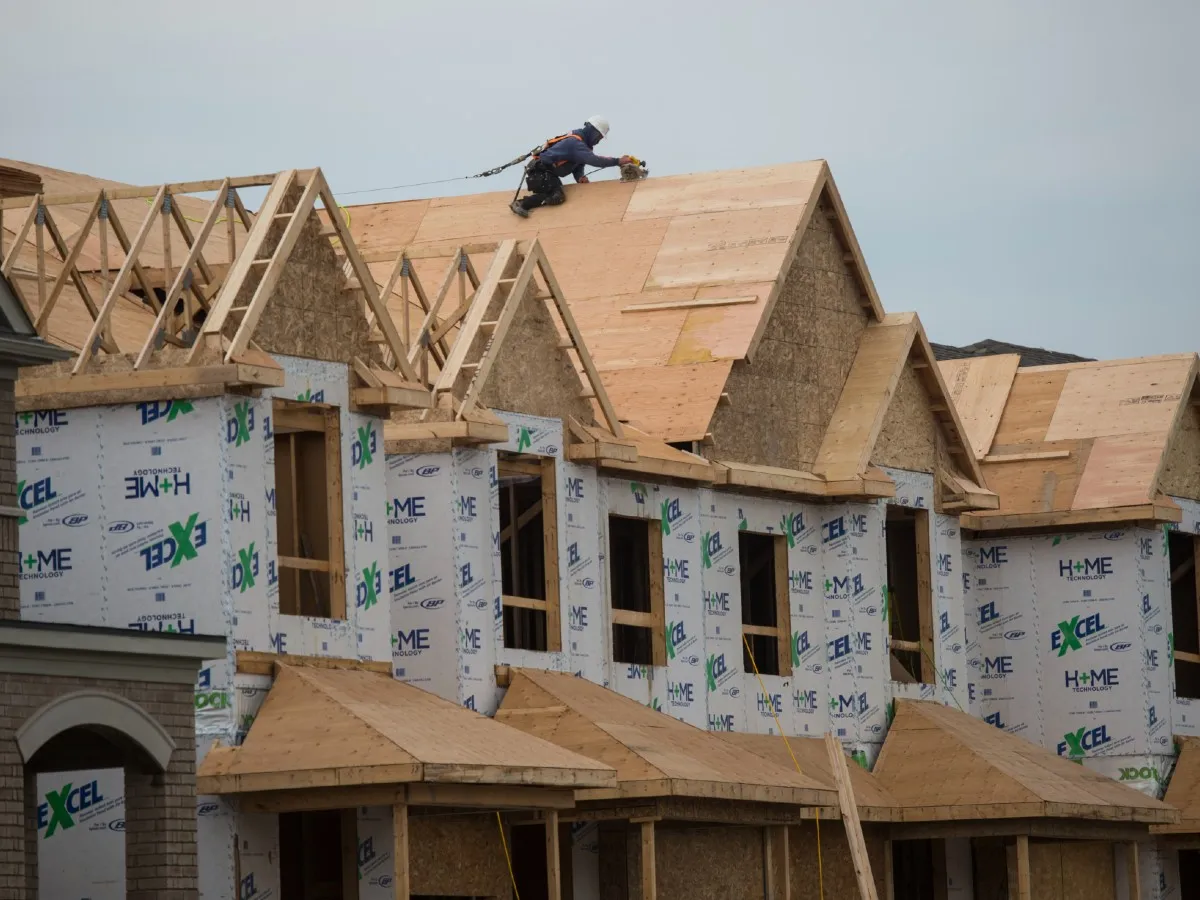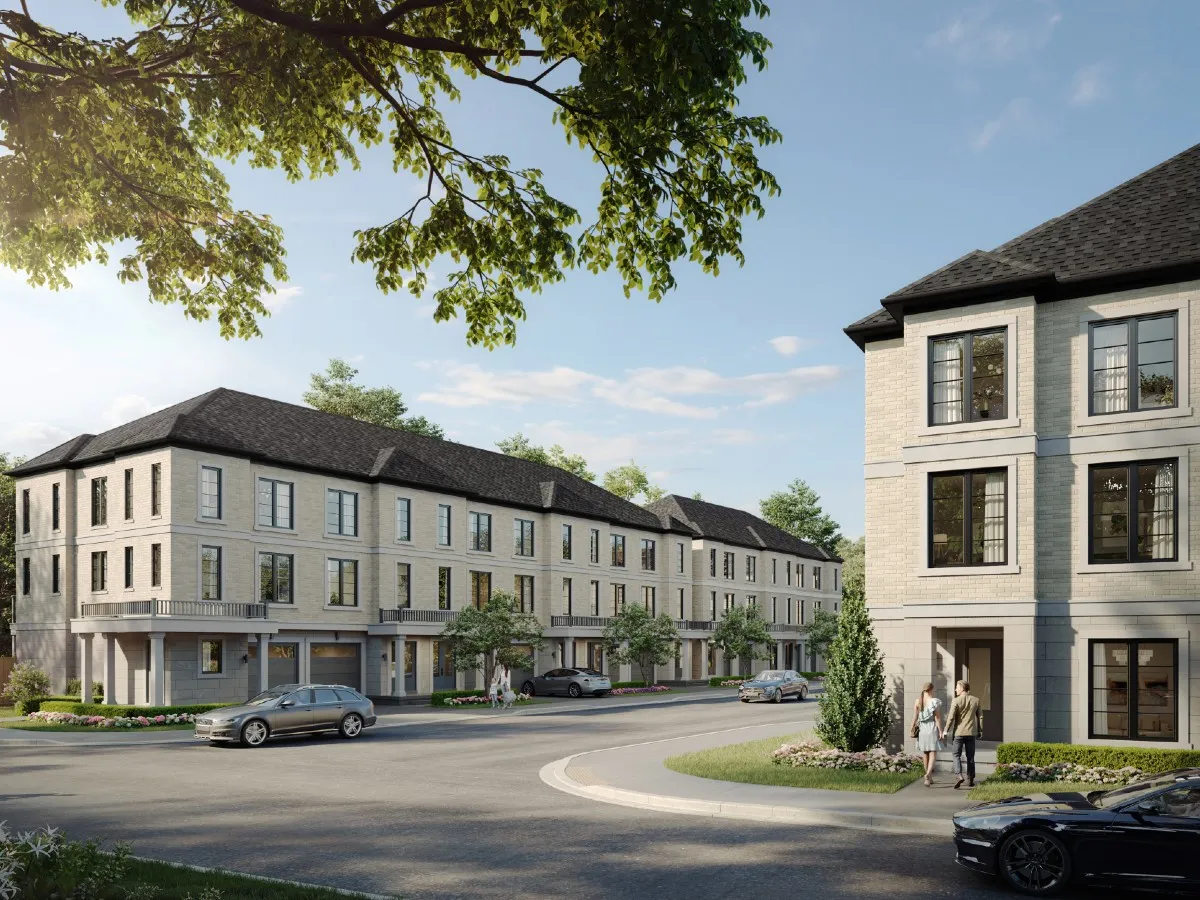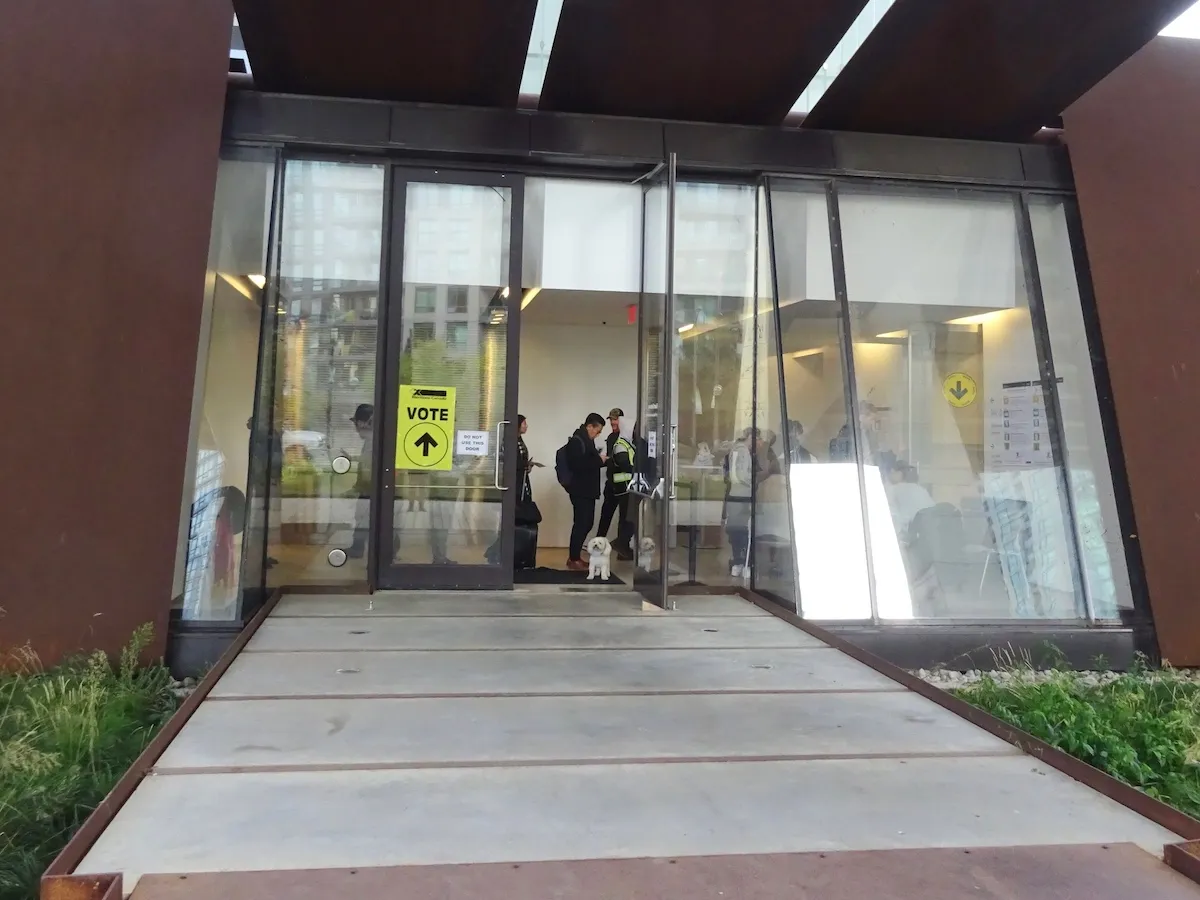
Skip to Content Subscribe Our Offers My Account Manage My Subscriptions FAQ Newsletters Canada Canadian True Crime Canadian Politics Health World Israel & Middle East Financial Post NP Comment Longreads Puzzmo Diversions Comics NP News Quiz New York Times Crossword Horoscopes Life Eating & Drinking Style Sponsored Play for Ontario Travel Travel Canada Travel USA Travel International Cruises Travel Essentials Culture Books Celebrity Movies Music Theatre Television Business Essentials Advice Lives Told Tails Told Shopping Buy Canadian Home Living Outdoor Living Kitchen & Dining Tech Style & Beauty Personal Care Entertainment & Hobbies Gift Guide Travel Guide Amazon Prime Day Deals Savings National Post Store More Sports Hockey Baseball Basketball Football Soccer Golf Tennis Driving Vehicle Research Reviews News Gear Guide Obituaries Place an Obituary Place an In Memoriam Classifieds Place an Ad Celebrations Working Business Ads Archives Healthing Epaper Manage Print Subscription Profile Settings My Subscriptions Saved Articles My Offers Newsletters Customer Service FAQ Newsletters Canada World Financial Post NP Comment Longreads Puzzmo Diversions Life Shopping Epaper Manage Print Subscription HomeHomesOPINION: Ontario’s municipal elections will have far-reaching consequences for housing – here are the right questions to be asking candidates Housing will again be a priority issue for many voters across the GTALast updated 0 minutes ago You can save this article by registering for free here. Or sign-in if you have an account.Housing will again be a priority issue for many voters across the GTA in the Oct. 26 municipal elections. Photo by SuppliedWe independently select everything we recommend. Buying through us may earn us a commission, which supports our work.On Oct. 26, residents of the Greater Toronto Area (GTA) will go to the polls to elect the mayor and councillors of the cities and towns of this region. Like in 2018, and in 2022, housing will again be a priority issue for many voters across the GTA this year. Enjoy the latest local, national and international news.Exclusive articles by Conrad Black, Barbara Kay and others. Plus, special edition NP Platformed and First Reading newsletters and virtual events.Unlimited online access to National Post.National Post ePaper, an electronic replica of the print edition to view on any device, share and comment on.Daily puzzles including the New York Times Crossword.Support local journalism.Enjoy the latest local, national and international news.Exclusive articles by Conrad Black, Barbara Kay and others. Plus, special edition NP Platformed and First Reading newsletters and virtual events.Unlimited online access to National Post.National Post ePaper, an electronic replica of the print edition to view on any device, share and comment on.Daily puzzles including the New York Times Crossword.Support local journalism.Create an account or sign in to continue with your reading experience.Access articles from across Canada with one account.Share your thoughts and join the conversation in the comments.Enjoy additional articles per month.Get email updates from your favourite authors.Create an account or sign in to continue with your reading experience.Access articles from across Canada with one accountShare your thoughts and join the conversation in the commentsEnjoy additional articles per monthGet email updates from your favourite authorsSign In or Create an AccountorConsequently, it can be expected that the majority of candidates will dedicate portions of their platforms to issues related to housing supply and affordability. As is customary, I will devote my upcoming columns to highlight some of the key issues that voters should keep in mind as they consider who they want to lead their cities and towns. No other level of government has more impact on housing than the municipal level of government as their choices most directly impacts the new home buyer. They decide what gets built, in what quantities and in what locations. Their decisions and investment choices related to housing-supportive infrastructure like roads, water and wastewater systems, transit, and community infrastructure also shape the speed and amount of housing that gets added. Their planning departments determine and oversee approval processes and timelines, and they decide the level of fees and charges that get added to the cost of new homes. It is safe to say that the recent downturn in the housing market has been driven by a myriad of factors, one of which being the significant escalation in construction costs, including those imposed by municipal governments, which has eroded or eliminated new housing project viability. We are only now starting to see the green shoots of recovery. Over the last three months, sales of new homes have been up across the GTA in a trend that is hoped to continue through the fall. There is growing evidence that most municipalities and their councils are undergoing a change and are increasingly recognizing the need for greater collaboration and partnership in order to ensure that the housing the region needs gets built. To that end, we are seeing cultural and process changes in the City of Toronto with their new Development Review Division. We have seen temporary development charges (DCs) reductions, deferrals or adjustments by many GTA municipalities, following the leadership examples provided by Mayor Parrish in Mississauga and Mayor Del Duca in Vaughan. We have seen programs to incentivize more construction of purpose-built rentals and there has been a growing recognition for the need of more gentle density and increasing permissibility for fourplexes, secondary suites, and accessory dwelling units. We have also seen application policies such as “Three Strikes and You’re In” – a policy where a maximum of three reviews is permitted for a site plan and then deemed approved – as a mechanism to shorten approval timelines and reduce red tape in Vaughan and Mississauga. To add to this shift in culture, we have also seen the growing collaboration of the Canadian and Ontario governments on historic agreements to eliminate the HST for one year and work with municipalities to lower DCs by as much as 60 per cent for three-years. These are all important things to consider because what is at stake from the housing perspective for the GTA in the next four years are decisions that will either lead to more housing supply and increased affordability or the opposite. Put simply, will the candidates you support choose to make temporary relief measures permanent? Will they lower costs and continue to increase project viability for new homes? Will the candidate you support champion cultural change and continue to encourage pro-housing culture in their communities and bureaucracies, or will they try to limit urban renewal and gentle density? How will these candidates prioritize infrastructure, particularly housing-supportive infrastructure to ensure their municipalities are able to support new growth? Will this candidate aid in closing the housing deficits in our cities to create a sustainable and viable future for its current and future residents? And finally, how will the candidate you support find innovative ways to make it easier, cheaper and faster to build new homes? Will they simply accept the status quo that it takes on average 10-years to complete a high-rise project and 11-years to complete a low-rise project in the GTA (amongst the slowest in North America)? Or will they find ways to ensure new housing is built quicker for your community? As we move closer to Oct. 26 and voting day, it’s important to remember that the answers to these questions will have far-reaching consequences. They will not only impact your own housing decision making over the next four years, but will impact the environment in which the next generation is able to base their housing choices on. Over the coming weeks, I look forward to offering our perspective on these questions and I strongly encourage all GTA residents to ask the hard questions and listen closely to the answers. Dave Wilkes is President and CEO, Building Industry and Land Development Association Join the Conversation This website uses cookies to personalize your content (including ads), and allows us to analyze our traffic. Read more about cookies here. By continuing to use our site, you agree to our Terms of Use and Privacy Policy.
OPINION: Ontario’s municipal elections will have far-reaching consequences for housing – here are the right questions to be asking candidates
Housing will again be a priority issue for many voters across the GTA
1,320 words~6 min read