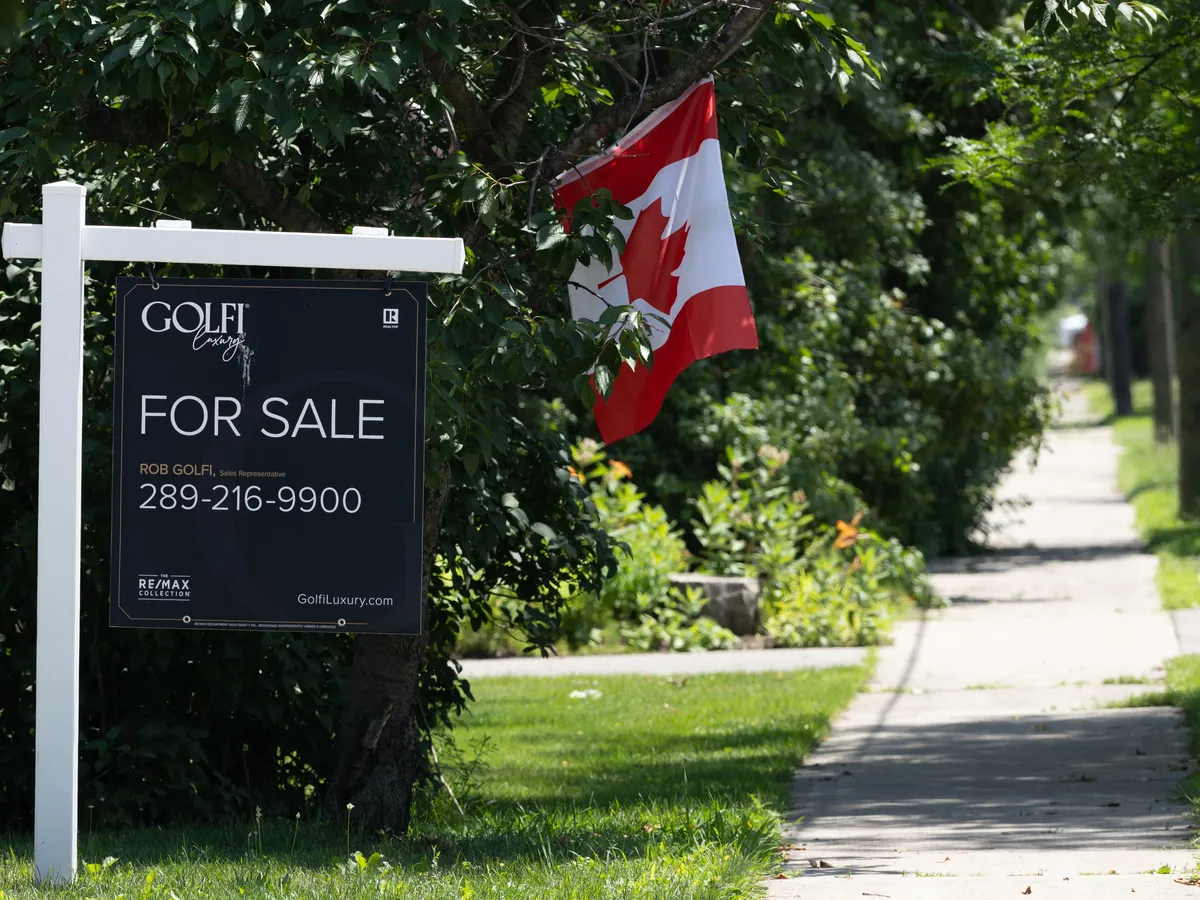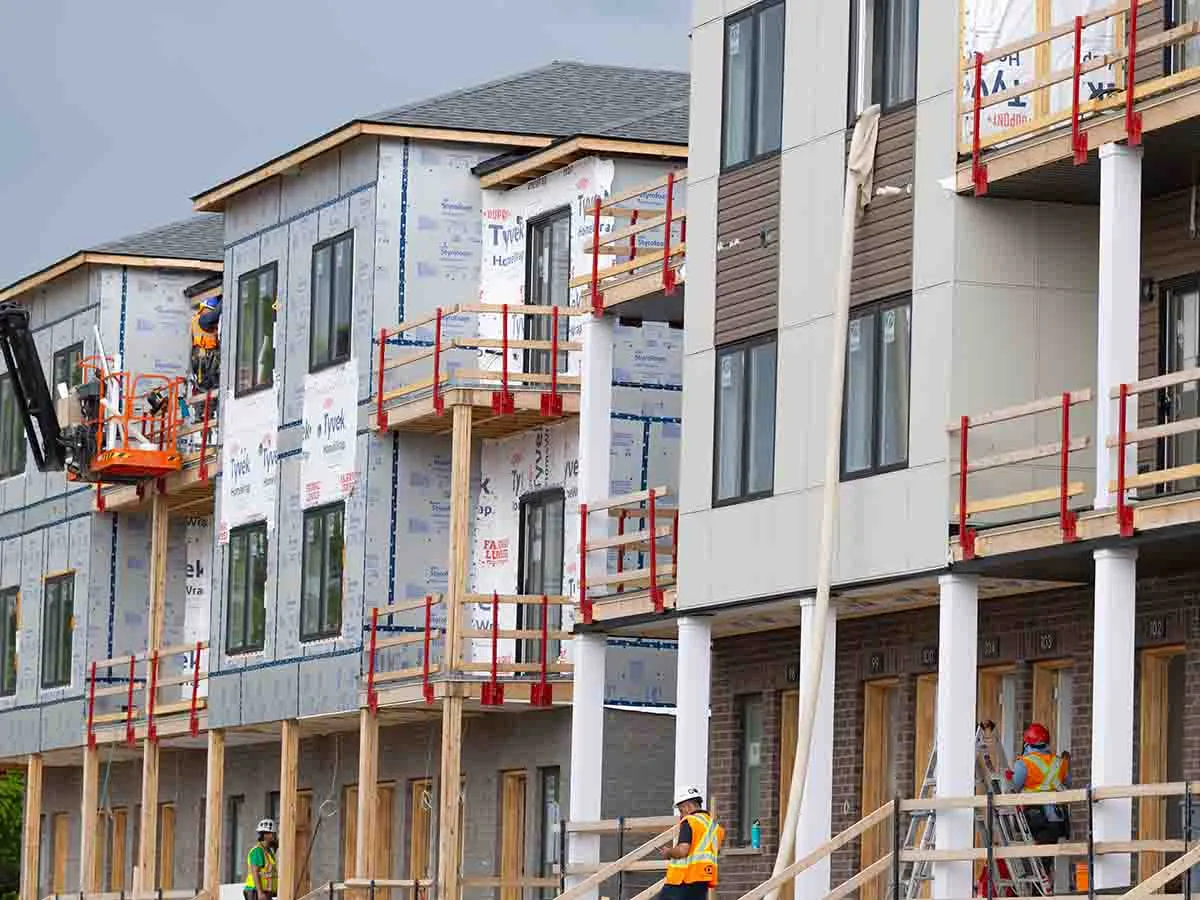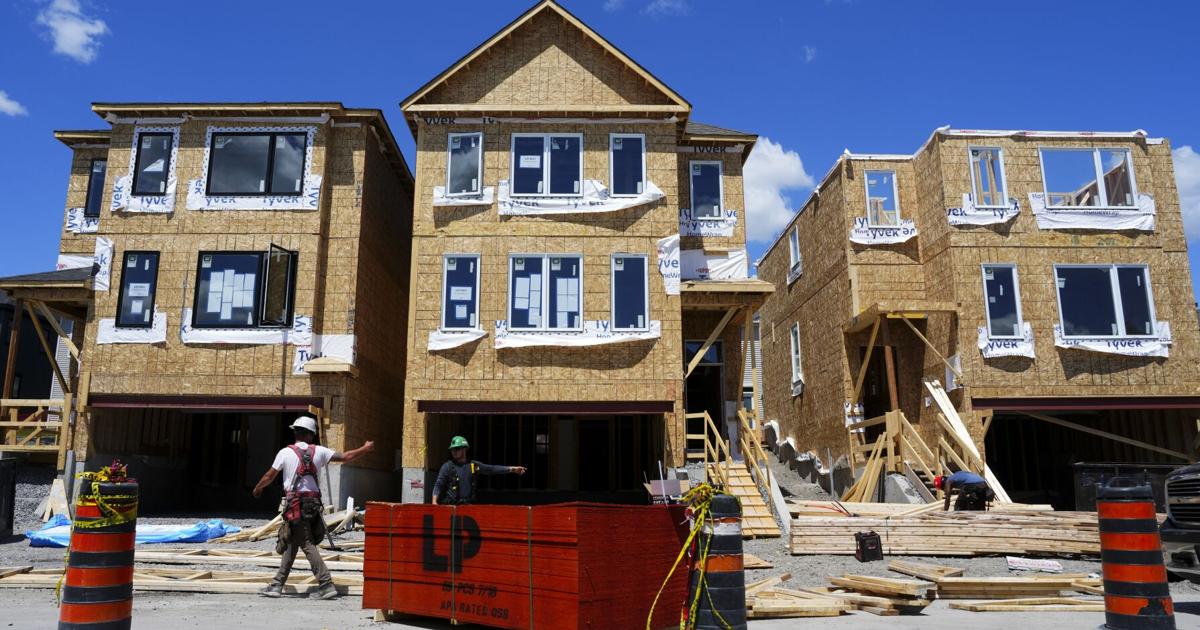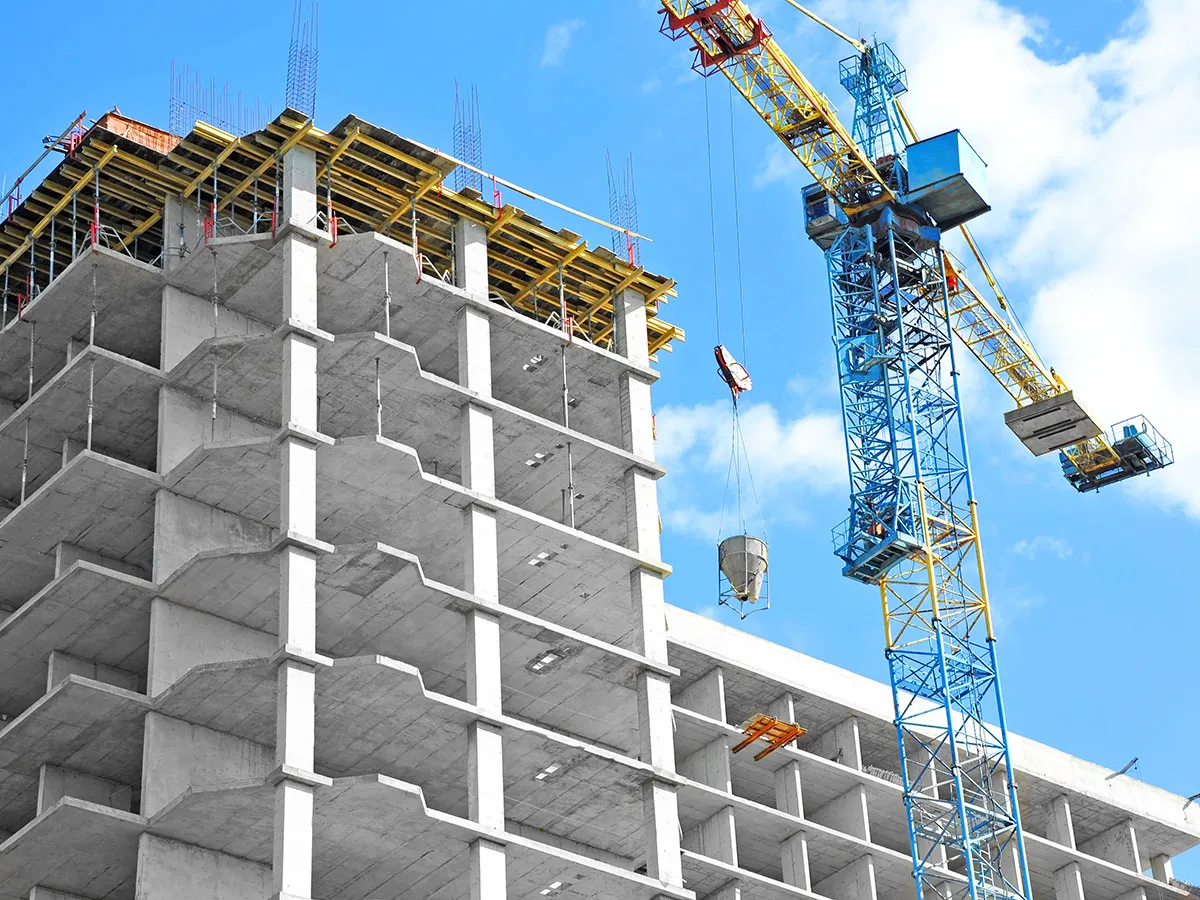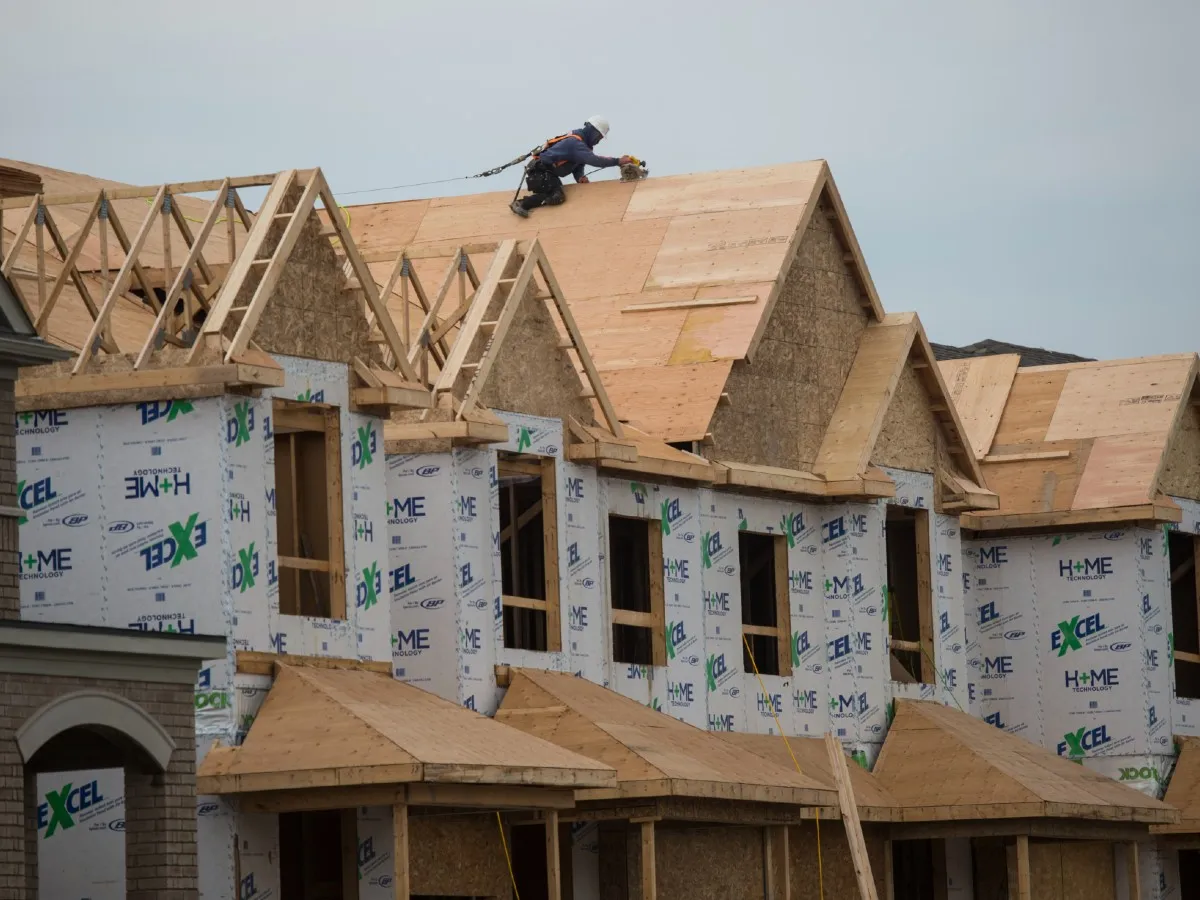
Skip to Content Subscribe Our Offers My Account Manage My Subscriptions FAQ Newsletters Canada Canadian True Crime Canadian Politics Health World Israel & Middle East Financial Post NP Comment Longreads Puzzmo Diversions Comics NP News Quiz New York Times Crossword Horoscopes Life Eating & Drinking Style Sponsored Play for Ontario Travel Travel Canada Travel USA Travel International Cruises Travel Essentials Culture Books Celebrity Movies Music Theatre Television Business Essentials Advice Lives Told Tails Told Shopping Buy Canadian Home Living Outdoor Living Kitchen & Dining Tech Style & Beauty Personal Care Entertainment & Hobbies Gift Guide Travel Guide Amazon Prime Day Deals Savings National Post Store More Sports Hockey Baseball Basketball Football Soccer Golf Tennis Driving Vehicle Research Reviews News Gear Guide Obituaries Place an Obituary Place an In Memoriam Classifieds Place an Ad Celebrations Working Business Ads Archives Healthing Epaper Manage Print Subscription Profile Settings My Subscriptions Saved Articles My Offers Newsletters Customer Service FAQ Newsletters Canada World Financial Post NP Comment Longreads Puzzmo Diversions Life Shopping Epaper Manage Print Subscription HomeHomesMarket Watch: How Ontario’s enhanced HST rebate is reshaping new-home demand Rebate helps some move closer to homeownershipLast updated 33 minutes ago You can save this article by registering for free here. Or sign-in if you have an account.After two weak years for new-home sales in the GTA, Ontario’s enhanced HST rebate is having a positive influence. Photo by Tyler Anderson/National PostWe independently select everything we recommend. Buying through us may earn us a commission, which supports our work.With 2024 and 2025 being the two worst years on record for new-home sales in the GTA, Ontario’s enhanced HST rebate appears to be giving at least one segment of the market a jolt. Enjoy the latest local, national and international news.Exclusive articles by Conrad Black, Barbara Kay and others. Plus, special edition NP Platformed and First Reading newsletters and virtual events.Unlimited online access to National Post.National Post ePaper, an electronic replica of the print edition to view on any device, share and comment on.Daily puzzles including the New York Times Crossword.Support local journalism.Enjoy the latest local, national and international news.Exclusive articles by Conrad Black, Barbara Kay and others. Plus, special edition NP Platformed and First Reading newsletters and virtual events.Unlimited online access to National Post.National Post ePaper, an electronic replica of the print edition to view on any device, share and comment on.Daily puzzles including the New York Times Crossword.Support local journalism.Create an account or sign in to continue with your reading experience.Access articles from across Canada with one account.Share your thoughts and join the conversation in the comments.Enjoy additional articles per month.Get email updates from your favourite authors.Create an account or sign in to continue with your reading experience.Access articles from across Canada with one accountShare your thoughts and join the conversation in the commentsEnjoy additional articles per monthGet email updates from your favourite authorsSign In or Create an AccountorAccording to a recent report from the Building Industry and Land Development Association (BILD), the rebate “positively impacted” low-rise new-home sales in April, when they surpassed their 10-year average for the first time in three years. However, the broader new-home market remains sluggish. Total new-home sales reached 1,100 units in April, still 55 per cent below the 10-year average, while condo sales were 88 per cent below that benchmark. Introduced on April 1, the rebate program temporarily lowers the tax cost of qualifying new homes bought before April 1, 2027. Eligible buyers can receive up to $130,000 in combined HST relief, with the full benefit applying to homes up to $1.5 million and phased down above that. Here, Justin Sherwood, BILD’s chief operating officer, discusses why the rebate is moving buyers off the sidelines, why its early impact is stronger in low-rise than high-rise, and what the program could mean for future GTA housing starts. This interview has been edited for length and clarity. Q How meaningful is the HST rebate in practical terms to someone looking at a new home in the GTA? Sherwood It does a number of different things for different people. For some, it puts a home that was out of reach into reach and allows them to potentially move from renting into home ownership. For others, it increases their purchasing power and means they can get more for their money. For others, it improves mortgage qualification and outcomes. We’ve said this a number of times: It’s the most significant change in how homes are taxed since the GST was introduced. It’s the first time tax has actually gone down on homes since the GST was introduced in 1992. It’s a game-changer. Q What does the rebate’s impact say about pent-up demand? Sherwood It confirms that there is demand sitting on the sidelines, and if affordability measures are there, even if they’re time-bound and limited, they get people off the sidelines to buy. It also tells you that new-home buyers have become very price sensitive. They’ve seen declines in new-home prices since the peak of 2022, and some people are wondering whether we are at the bottom. We are at the bottom, and we’ve been at a price floor for quite some time now. Introduced on April 1, the rebate program temporarily lowers the tax cost of qualifying new homes bought before April 1, 2027. Photo by Peter J Thompson/National PostQ Beyond the HST rebate, what other policy tools could help improve affordability and supply? Sherwood You saw another one announced recently, which is the details on how municipalities can qualify for a new $8.8 billion fund to help fund infrastructure in exchange for lowering development charges. Traditionally, we used to say that 25 per cent of the price of a new home was composed of fees, taxes and charges. If you’re pulling the HST off and lowering development charges by 30 to 50 per cent, you’re making a meaningful impact in terms of supply and affordability. The two go hand in hand. Lowering the price is one way, but you have to continually add supply. If you don’t add supply, that lower price is not going to stay lower for long because competition for the existing product will drive the price up. There also needs to be a continued focus on accelerating the approval of new homes and adopting a philosophy that you’re going to make it easier to build new homes. At the end of the day, that lowers the cost to bring that product to market. Q Why does the rebate appear to be having a stronger early impact on low-rise homes than condos? Sherwood The challenge with this program is that there are very specific start and completion dates included within it. Unless those dates change, that makes it very difficult to pre-sell a condo project on paper and then successfully complete it within the time frame where the rebates would be eligible. It can take six or seven years, or even 10 years, to get a high-rise project completed in the GTA. In order to qualify, the project must be started by 2028 and must be completed by 2031. That’s not necessarily realistic or feasible, given the scale of some of the projects you typically see in the GTA. The rebate has moved some consumers closer to homeownership. Photo by Peter J Thompson/National PostQ The enhanced rebate is temporary. Do you expect its impact to build as the window starts to close? Sherwood Absolutely. The first thing to remember is that the housing market is seasonal, with the spring housing market and the fall housing market traditionally being the strongest. I would expect that we’re going to continue to see a strong May and June. Then, as is traditional, I think it will slow down for the summer months. But I think buyers, or potential buyers, will be using that time to get their ducks in a row, and we’re going to see a very strong fall market as well. Q Looking ahead, what would success look like for the program? Sherwood We had been on a trajectory where we were going to be heading into a period of very low starts in 2027, 2028 and 2029. That is basically the future housing supply of the GTA. With the population still growing, albeit at a slower pace, that would have set up conditions for rapid price escalation. Our hope is that by increasing sales, we’re going to increase starts, expand supply and avoid the same contraction in starts that the future previously held for the GTA. And in doing so, we hope it will prevent meaningful price-appreciation spikes. Join the Conversation This website uses cookies to personalize your content (including ads), and allows us to analyze our traffic. Read more about cookies here. By continuing to use our site, you agree to our Terms of Use and Privacy Policy.
Market Watch: How Ontario’s enhanced HST rebate is reshaping new-home demand
Rebate helps some move closer to homeownership
1,468 words~7 min read