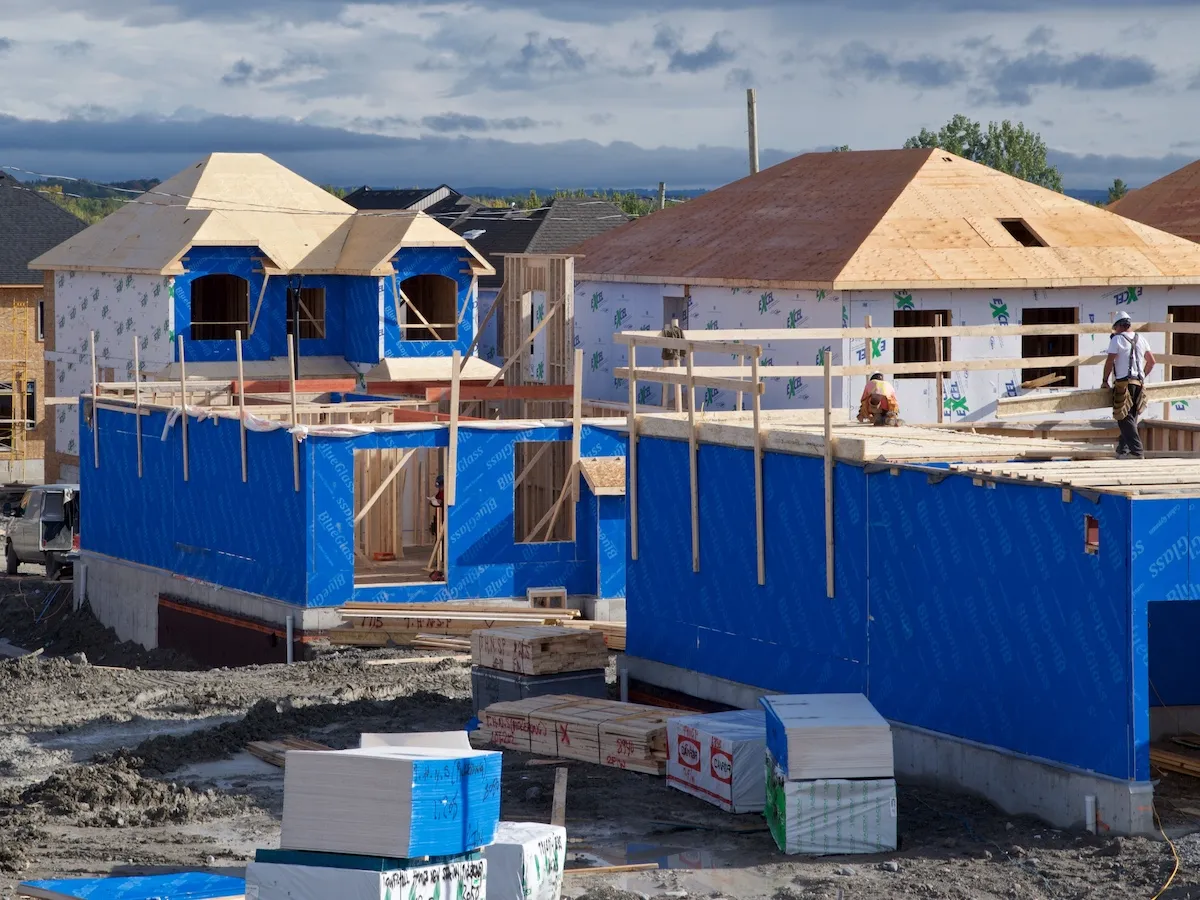
Skip to Content Subscribe Our Offers My Account Manage My Subscriptions FAQ Newsletters Canada Canadian True Crime Canadian Politics Health World Israel & Middle East Financial Post NP Comment Longreads Puzzmo Diversions Comics NP News Quiz New York Times Crossword Horoscopes Life Eating & Drinking Style Sponsored Play for Ontario Travel Travel Canada Travel USA Travel International Cruises Travel Essentials Culture Books Celebrity Movies Music Theatre Television Business Essentials Advice Lives Told Tails Told Shopping Buy Canadian Home Living Outdoor Living Kitchen & Dining Tech Style & Beauty Personal Care Entertainment & Hobbies Gift Guide Travel Guide Amazon Prime Day Deals Savings National Post Store More Sports Hockey Baseball Basketball Football Soccer Golf Tennis Driving Vehicle Research Reviews News Gear Guide Obituaries Place an Obituary Place an In Memoriam Classifieds Place an Ad Celebrations Working Business Ads Archives Healthing Epaper Manage Print Subscription Profile Settings My Subscriptions Saved Articles My Offers Newsletters Customer Service FAQ Newsletters Canada World Financial Post NP Comment Longreads Puzzmo Diversions Life Shopping Epaper Manage Print Subscription HomeHomesOPINION: The federal-provincial Development Charge Reduction Program provides multiple benefits to municipalities Program aims to jumpstart housing projects, increase starts and protect employment in the sectorLast updated 26 minutes ago You can save this article by registering for free here. Or sign-in if you have an account.The newly announced Development Charge Reduction Program aims to jump start housing projects, increase starts and protect employment in the homes sector by helping to reduce municipal development charges. Photo by SuppliedWe independently select everything we recommend. Buying through us may earn us a commission, which supports our work.For years, the building industry called upon every level of government to collaborate and take meaningful steps to reduce development charges in Ontario to lower the cost of building new homes. This would make housing projects more economically viable and, as a result, secure more jobs and economic activity. Enjoy the latest local, national and international news.Exclusive articles by Conrad Black, Barbara Kay and others. Plus, special edition NP Platformed and First Reading newsletters and virtual events.Unlimited online access to National Post.National Post ePaper, an electronic replica of the print edition to view on any device, share and comment on.Daily puzzles including the New York Times Crossword.Support local journalism.Enjoy the latest local, national and international news.Exclusive articles by Conrad Black, Barbara Kay and others. Plus, special edition NP Platformed and First Reading newsletters and virtual events.Unlimited online access to National Post.National Post ePaper, an electronic replica of the print edition to view on any device, share and comment on.Daily puzzles including the New York Times Crossword.Support local journalism.Create an account or sign in to continue with your reading experience.Access articles from across Canada with one account.Share your thoughts and join the conversation in the comments.Enjoy additional articles per month.Get email updates from your favourite authors.Create an account or sign in to continue with your reading experience.Access articles from across Canada with one accountShare your thoughts and join the conversation in the commentsEnjoy additional articles per monthGet email updates from your favourite authorsSign In or Create an AccountorWith declining housing starts in Ontario and many housing projects stalled due to the high cost to build eroding economic viability, in March the provincial and federal government jointly announced the Development Charge Reduction Program (DCRP). This program aims to jumpstart housing projects, increase starts and protect employment in the sector by using one of the most logical levers available – reducing municipal development charges. Development charges, or DCs, are one-time fees developers and builders pay to municipalities to fund housing-supportive infrastructure and services – this includes things like roads, sewage, transit and parks. As is customary with all housing-related government costs across our economy, these fees are then included in the price tag of a new home and paid for by the new homebuyer. The DCRP works like this. Municipalities had until June 19, 2026 to apply for federal/provincial funding through the program. Municipalities had to submit a list of infrastructure projects that normally would be majority funded by DCs, and for which they would like funding from higher orders of government. To be eligible, municipalities had to commit to lower their DCs by 30 to 50 per cent for three years. The municipalities are also required to fund a minimum of 10 per cent of the submitted projects. If their DCRP submission was approved, the federal and provincial government would pay the balance. On June 23, the City of Toronto was the first municipality in Ontario to announce funding granted under the provincial-federal governments’ DCRP. The city will receive $1.5 billion to lower DCs for a period of three-years. In return, the City has committed to lowering its DCs by 40 to 60 percent – taking them from one of the highest cost jurisdictions in North America from a DC perspective to something significantly less than that and turning the DC rate clock back to sometime in the mid-2010s. The benefits for municipalities to participate in the DCRP are numerous. First – it will dramatically increase housing project economic viability in participating municipalities. This will result in increased housing starts, increased housing supply and more choice for consumers. It is tempting for readers to judge this outcome based on current market conditions with elevated inventory and lower sales. Readers must remember that the development of new housing is a pipeline that takes years to deliver. So, what we are really talking about is supporting new projects now to deliver post-2029 which will protect against a lack of supply shock down the road. Second – municipalities will benefit from the employment and economic activity that comes from increased housing starts. For every 1,000 housing units (single-family and multi-family units combined) built in the Greater Toronto Area (GTA), there are 2,500 person years of employment created, $800 million in economic activity, and almost $400 million in GDP created. In a city like Toronto, multiply that over tens of thousands of units that will start over the next three years and the benefits are significant. Third – the municipality benefits from a win-win. They get to stimulate much needed housing for their city or town’s residents and they are still kept whole financially to deliver the infrastructure required to support their residents and business’ needs. Fourth – the municipalities who applied to the DCRP and are taking part have the additional benefit of revenue certainty for infrastructure projects over the next three years, independent of flow of development charges that would have previously funded them. This means income certainty despite housing market conditions. This type of collaboration is what the building industry has long been advocating for. Through the alignment and joint effort of all three levels of governments, reductions of DCs have been able to take place, starting in Toronto and soon to many more municipalities. The leadership shown between municipal, provincial and federal officials is what will continue to help make homes easier to build and more attainable for any new homebuyer. Permanent and long-term change will come from this type of cooperation and coordination and we hope to see a continuation of these efforts in order to achieve everyone’s ultimate goal – building communities everyone can access. Dave Wilkes is President and CEO, Building Industry and Land Development Association Join the Conversation This website uses cookies to personalize your content (including ads), and allows us to analyze our traffic. Read more about cookies here. By continuing to use our site, you agree to our Terms of Use and Privacy Policy.
OPINION: The federal-provincial Development Charge Reduction Program provides multiple benefits to municipalities
Program aims to jumpstart housing projects, increase starts and protect employment in the sector
1,253 words~6 min read