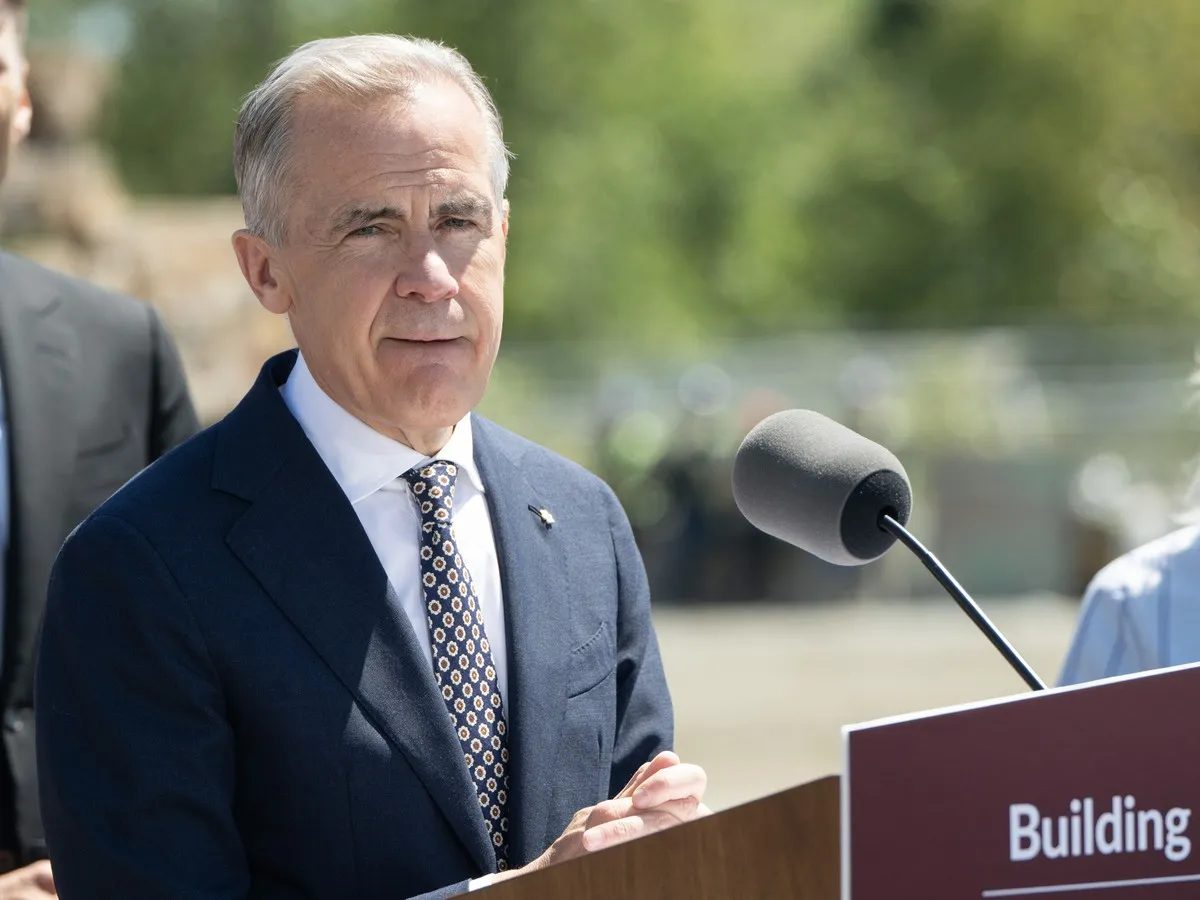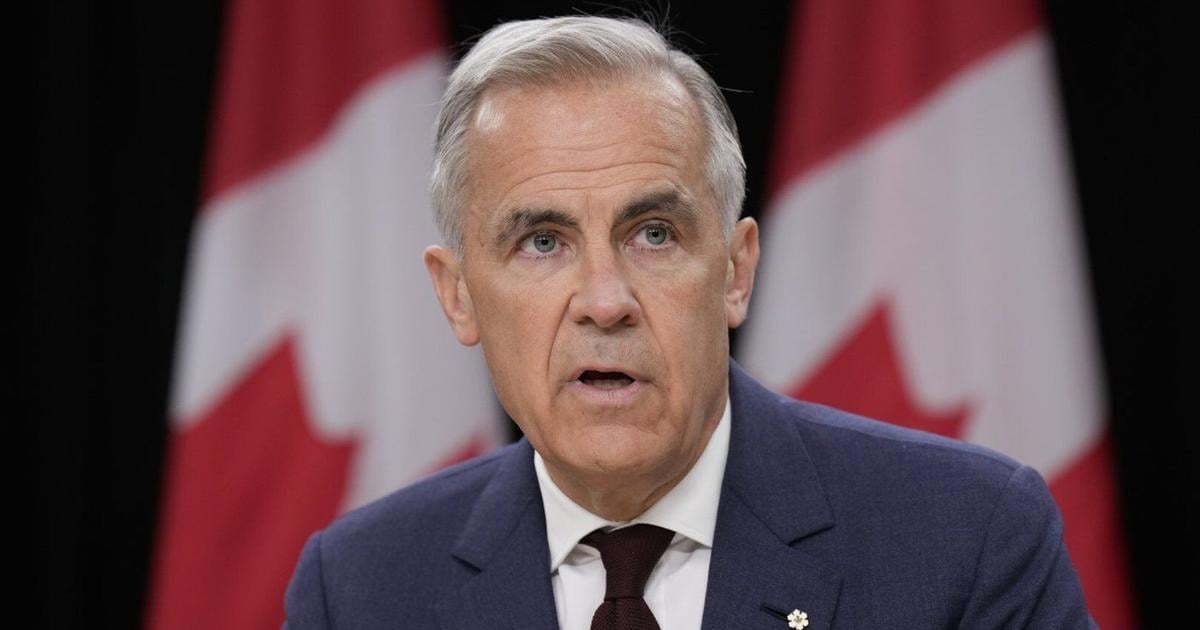
Skip to Content Subscribe Our Offers My Account Manage My Subscriptions FAQ Newsletters Canada Canadian True Crime Canadian Politics Health World Israel & Middle East Financial Post NP Comment Longreads Puzzmo Diversions Comics NP News Quiz New York Times Crossword Horoscopes Life Eating & Drinking Style Sponsored Play for Ontario Travel Travel Canada Travel USA Travel International Cruises Travel Essentials Culture Books Celebrity Movies Music Theatre Television Business Essentials Advice Lives Told Tails Told Shopping Buy Canadian Home Living Outdoor Living Kitchen & Dining Tech Style & Beauty Personal Care Entertainment & Hobbies Gift Guide Travel Guide Amazon Prime Day Deals Savings National Post Store More Sports Hockey Baseball Basketball Football Soccer Golf Tennis Driving Vehicle Research Reviews News Gear Guide Obituaries Place an Obituary Place an In Memoriam Classifieds Place an Ad Celebrations Working Business Ads Archives Healthing Epaper Manage Print Subscription Profile Settings My Subscriptions Saved Articles My Offers Newsletters Customer Service FAQ Newsletters Canada World Financial Post NP Comment Longreads Puzzmo Diversions Life Shopping Epaper Manage Print Subscription HomeNewsCanadaCanadian Politics'Socializing losses': Critics pan federal plan to acquire unsold condos from developers in B.C.Carney said developers 'can’t sell at a loss' and weaker investment demand has made them 'stuck'Last updated 24 minutes ago You can save this article by registering for free here. Or sign-in if you have an account.Prime Minister Mark Carney announces "Building Canada Strong" in the River District in Vancouver, BC on Thursday, June 18, 2026. Photo by Phillip Chin /PostmediaOTTAWA — Criticism is mounting for a proposed federal-provincial program that would acquire unsold condo units in British Columbia and convert them into affordable housing.Enjoy the latest local, national and international news.Exclusive articles by Conrad Black, Barbara Kay and others. Plus, special edition NP Platformed and First Reading newsletters and virtual events.Unlimited online access to National Post.National Post ePaper, an electronic replica of the print edition to view on any device, share and comment on.Daily puzzles including the New York Times Crossword.Support local journalism.Enjoy the latest local, national and international news.Exclusive articles by Conrad Black, Barbara Kay and others. Plus, special edition NP Platformed and First Reading newsletters and virtual events.Unlimited online access to National Post.National Post ePaper, an electronic replica of the print edition to view on any device, share and comment on.Daily puzzles including the New York Times Crossword.Support local journalism.Create an account or sign in to continue with your reading experience.Access articles from across Canada with one account.Share your thoughts and join the conversation in the comments.Enjoy additional articles per month.Get email updates from your favourite authors.Create an account or sign in to continue with your reading experience.Access articles from across Canada with one accountShare your thoughts and join the conversation in the commentsEnjoy additional articles per monthGet email updates from your favourite authorsSign In or Create an Accountor“It’s moral hazard, it’s socializing losses while the profits flow to developers, so developers can only win, the government will come and bail them out, which is crazy,” said Ron Butler, principal broker at Butler Mortgage Inc. and host of the Angry Mortgage Podcast.Last week, Prime Minister Mark Carney along with B.C. Premier David Eby announced a suite of measures valued at $3.2 billion to help the province’s housing sector, including lowering development charges and supporting infrastructure projects.One of the measures also included what’s called the “Canada-British Columbia Partnership on Condo Conversion” which would see Build Canada Homes and BC Housing partner up to “convert” 2,200 unsold condo units into affordable housing.Carney said developers “can’t sell at a loss” and weaker investment demand has made them “stuck.”The announcement lacked any detail on whether these condos would be acquired at market price or discounted rate and what the total cost of the measure would be. There was also no clarity on what “innovative financing tools” would be used in the endeavour.National Post reached out to the Department of Housing, Infrastructure and Communities Canada and, in a statement, the department said more details about the program will be shared when they are finalized.Mike Moffat, an economist and founding director of the Missing Middle Initiative at the University of Ottawa, said the lack of detail makes it hard to evaluate the merits of the initiative.“I do think it makes sense that if governments can acquire good units at a steep discount and turn them into social housing, I do think there can be benefits to that,” he said.“I can certainly understand where people are coming from in their skepticism or seeing this as a bailout, and you know, I think if we have more details, we can kind of assess how much of a bailout it is,” he added.The Greater Vancouver Area condo market is currently experiencing a correction. A report by the Toronto-Dominion Bank published earlier this month, forecasts roughly 15 per cent peak-to-trough decline from the 2023 high by mid-2027, marking the deepest correction on record since 2005.There are currently over 4,000 unsold condo units in Vancouver.During a press conference in Toronto on Tuesday, Housing Minister Gregor Robertson was asked why taxpayer funds should be used to bail out condo developers.Robertson’s said the measure was one of many tools the federal government is using to drive housing supply.“In a time like this, when we have record levels of homelessness, we have people that can’t access affordable rental apartments, and we have empty homes in Vancouver and Toronto, we need to take action on this and make the most responsible decisions with it,” said the minister.“There will be more details on what that program is, in the near-term,” he added.Jill Atkey, CEO of the BC Non-Profit Housing Association, views the B.C. government’s latest move as disingenuous, given the provincial government this year cut funding for affordable housing.“We’ve just been through a budget in February that actually…deferred funding on nonprofit and co-op projects, that was committed funding,” she said. “Projects were in development and have now been pulled back, so it’s a clear shift for us in terms of government priorities in British Columbia.”Atkey said housing need is only growing in the province, with 125,000 affordable units needed over the next 10 years for households that are earning less than $50,000 a year. Atkey noted even under the previous provincial commitments, she said they were able to deliver 4,500 a year.“When it comes to the condo conversion program, developers seem to be fine with making market returns when the market is doing well, and then to turn around and require a bailout when the market is not doing well,” said Atkey.“I think that’s not where most British Columbians and Canadians are at in terms of tax dollar expenditures going into effectively bailing out the private sector when the market shifts,” she said, adding that developers had a good market for 30 years and this will only add to Canadians’ cynicism.Butler said the program will likely target leftover condo units that remain unsold in buildings and it’s a misconception on the government’s part that these units will sit empty forever.“When some of these guys go into receivership, the receiver will auction off the units,” he said. “There will be new, lower price discovery, and someone will buy them, and someone will live in them.”Carolyn Whitzman, senior housing researcher and professor at the University of Toronto’s School of Cities, said there have been examples of this type of program working in Canada and other jurisdictions, but the issue remains complex.“There’s nothing wrong with acquiring unsold condos in the abstract,” she said. “In the concrete, one, you’d want the whole building, two, you’d want to know what’s the price per square foot, and does that translate into anything close to cost-based rent for the kind of people, the kind of income groups you’re serving, like moderate income.”Whitzman said Canada has fallen behind in non-market housing, which represents just three per cent of the market. She said Canada should look to France as an example of a jurisdiction doing it right, which had been in the same situation at Canada back in 2000.“France decided that every municipality would have a 20 per cent non-market target, and that non-market target would be made up of new build and acquisitions, and also they’d support renovations,” she said, noting the government’s consistent goal has been widely successful.National PostOur website is the place for the latest breaking news, exclusive scoops, longreads and provocative commentary. Please bookmark nationalpost.com and sign up for our newsletters here. Join the Conversation This website uses cookies to personalize your content (including ads), and allows us to analyze our traffic. Read more about cookies here. By continuing to use our site, you agree to our Terms of Use and Privacy Policy.
'Socializing losses': Critics pan federal plan to acquire unsold condos from developers in B.C.
Federal plan to buy 2,200 condo units for affordable housing has received criticism for lack of transparency
1,440 words~7 min read