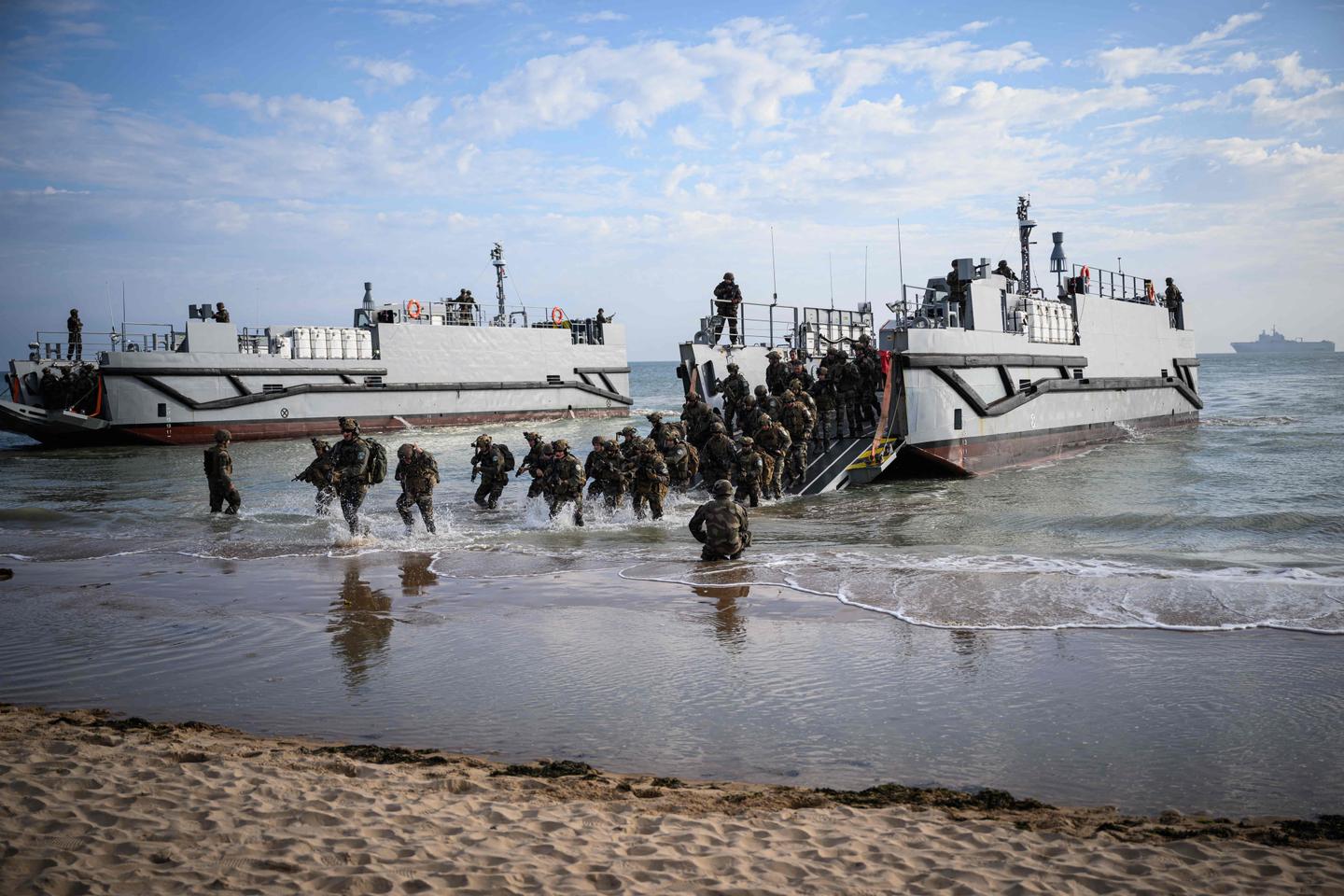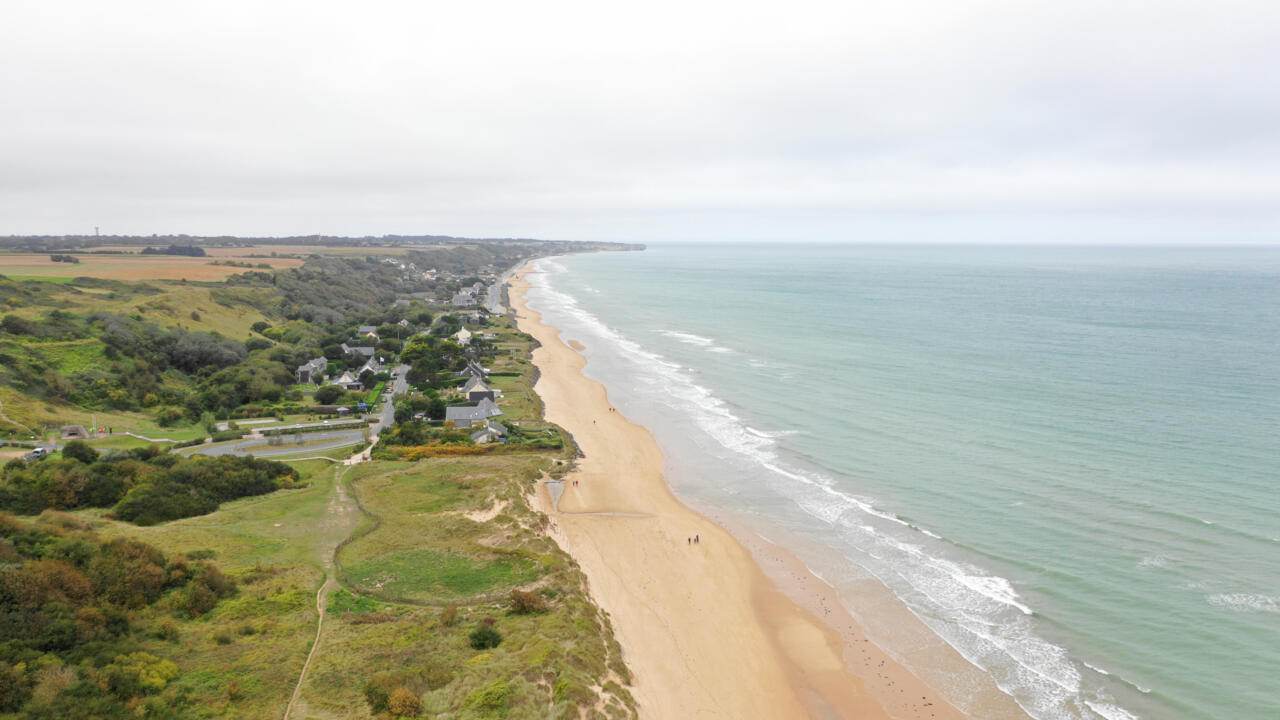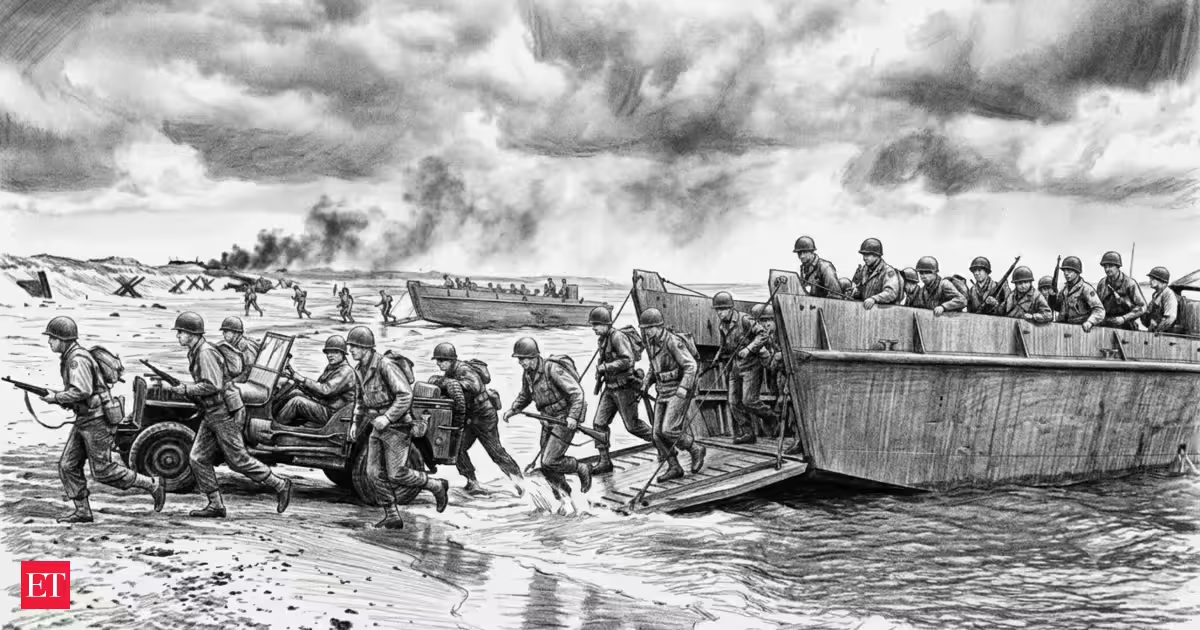
Higgins boat: On December 8, 1941, just one day after the attack on Pearl Harbor, American boat designer Andrew Higgins filed a patent for a landing craft that would later become known as the Higgins Boat. The design featured a retractable bow ramp that allowed troops, vehicles and supplies to drive straight onto enemy beaches instead of climbing over the sides of a boat under fire, as per a report.The invention became the Landing Craft, Vehicle, Personnel (LCVP), better known as the Higgins Boat, and was used to land Allied troops in North Africa, Italy, Normandy, islands across the Pacific and along the Rhine River, as per a United States Patent and Trademark Office (USPTO) report.A boat builder who started in the swampsLong before his designs reached the battlefield, Higgins was building boats for a very different purpose.After leaving Nebraska to work in the lumber industry along the Gulf Coast, he began designing shallow-water boats that could move heavy logs through swamps and bayous filled with debris. He later bought a small boatyard in New Orleans, founded Higgins Industries and introduced the "Eureka," a boat that would eventually become the foundation for his military landing craft, as per the USPTO report.Throughout the 1930s, Higgins tried to convince the US military that his boats were better suited for amphibious landings than the designs already being considered.You Might Also Like:A simple change solved a major battlefield problemOne of Higgins' early military boats could already land directly on beaches without getting its propeller stuck in the sand, thanks to a hull design protected by a 1939 patent.But there was still one major drawback. Soldiers had to climb over the sides of the boat to reach shore, leaving them exposed to enemy fire.After hearing US Marine Lieutenant Victor Krulak describe a Japanese landing craft with a retractable bow ramp used during Japan's 1937 invasion of China, Higgins adapted the idea for his own design, as per the USPTO report.He filed the patent for the improved landing craft on December 8, 1941. The retractable ramp made it possible to unload troops, vehicles and equipment much more quickly during amphibious assaults.You Might Also Like:The Higgins Boat became a wartime workhorseThe LCVP could carry 36 fully equipped soldiers, a jeep and 12 troops, or up to 8,100 pounds of cargo while operating in just three feet of water.As military demand surged, Higgins Industries expanded rapidly, growing from a single boatyard with 50 employees to seven plants employing more than 20,000 workers.Using assembly-line production, the company built more than 20,000 boats during the war. By 1943, nine out of every 10 vessels used by the US Navy had been designed by Higgins Industries.The whole strategy of the war would have been differentThe importance of Higgins' invention was later summed up by General Dwight D. Eisenhower, saying, "If Higgins had not designed and built those LCVPs, we never could have landed over an open beach. The whole strategy of the war would have been different," as quoted by USPTO.Andrew Higgins died in 1952, and Higgins Industries closed seven years later. His patented landing craft continues to be remembered for its role in Allied amphibious landings during World War II.
The landing boat that became a D-Day legend: In 1941, the day after Pearl Harbor, a patent was filed that helped defeat Nazi Germany
Higgins boat: Discover the story of the Higgins Boat, a revolutionary landing craft designed by Andrew Higgins that played a pivotal role in the Allied victory during World War II. Learn how its innovative design transformed amphibious warfare.
530 words~2 min read