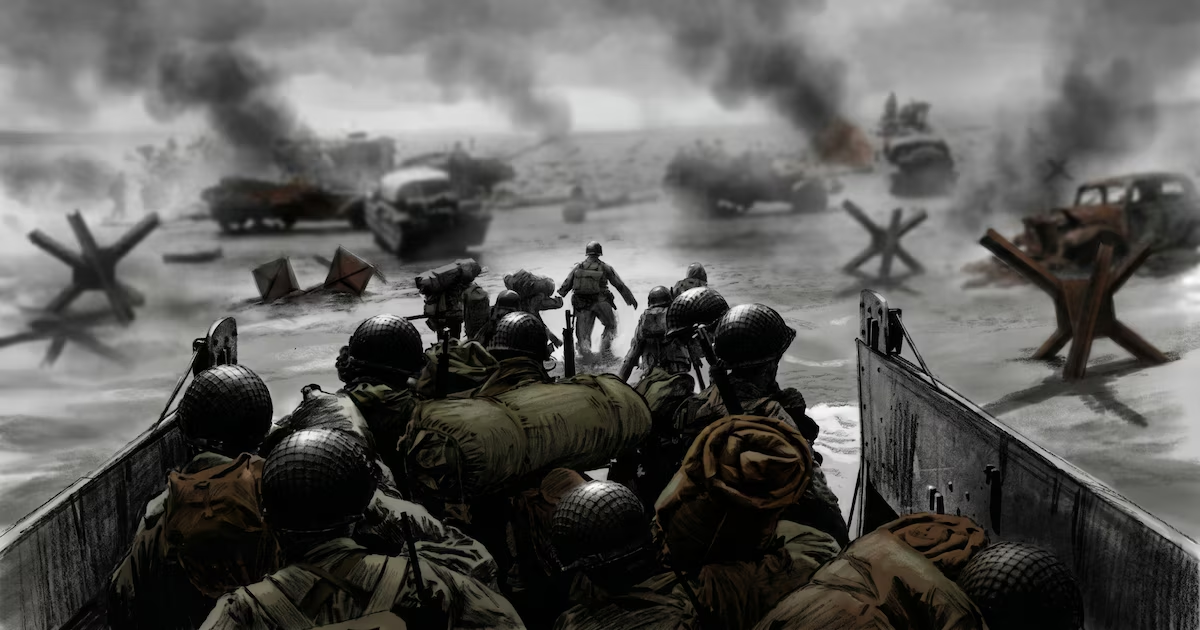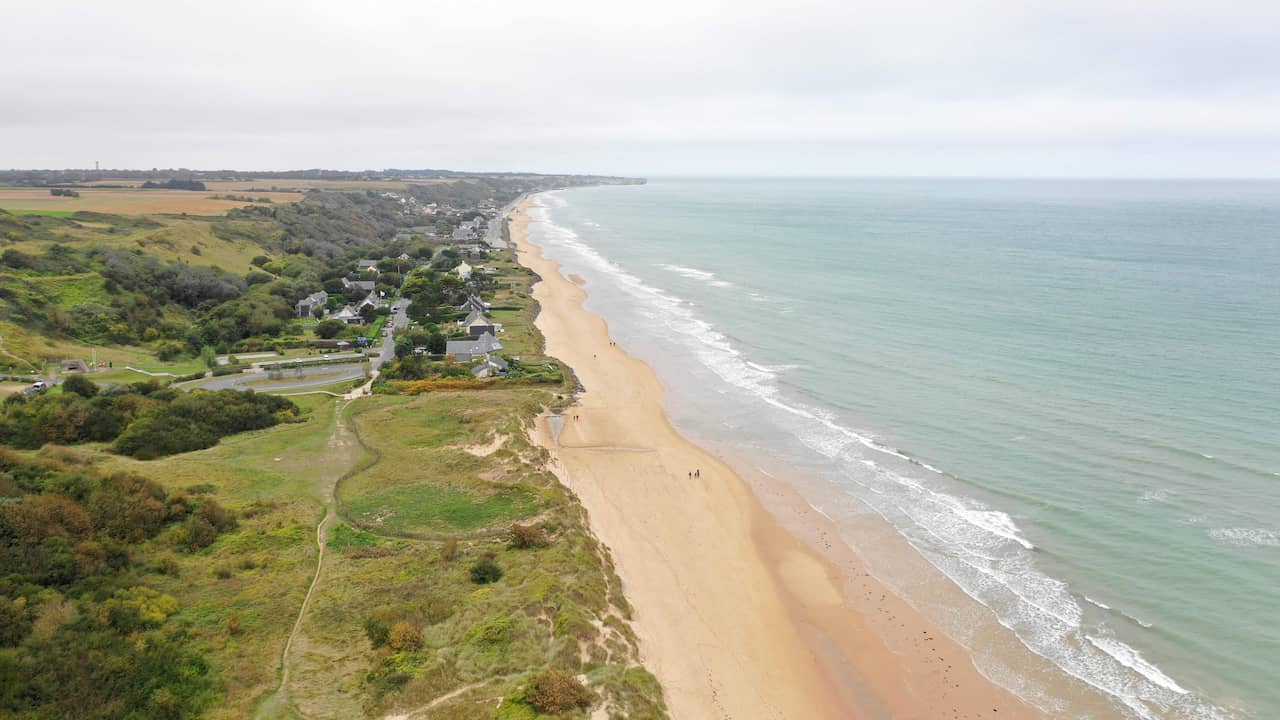
In the largest amphibious invasion in military history, 156,000 Allied troops crossed the English Channel on June 6, 1944. They landed on five beaches along a 50-mile stretch of Normandy coastline in the predawn darkness, under fire, into surf and sand and wire and a German army that knew they were coming and had prepared accordingly. More than 4,400 Allied soldiers, sailors, airmen and coast guardsmen died that day. Thousands more were wounded. The ones who survived walked off those beaches and into the rest of the war.
Landing Craft Vehicles, Personnel (LCVPs), or Higgins Boats, head for Omaha Beach. Landing began at 6:30 a.m. Men can be seen wading ashore; their initial objective, the bluffs above the beach. (Courtesy of the National World War II Museum)
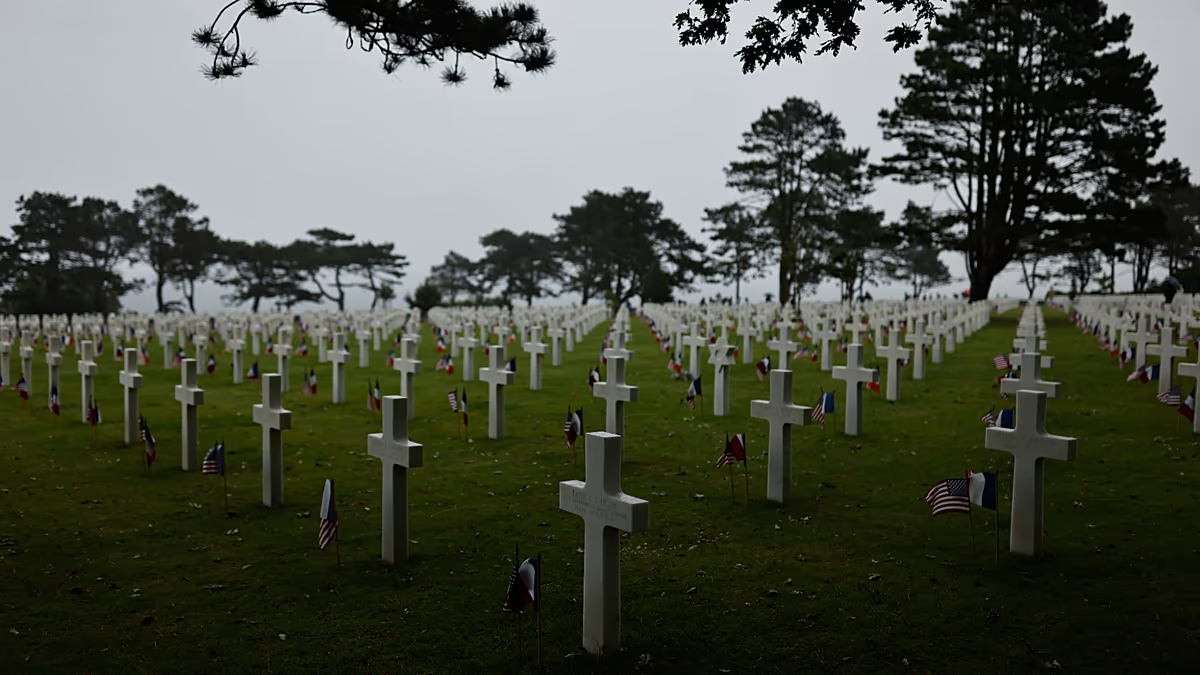
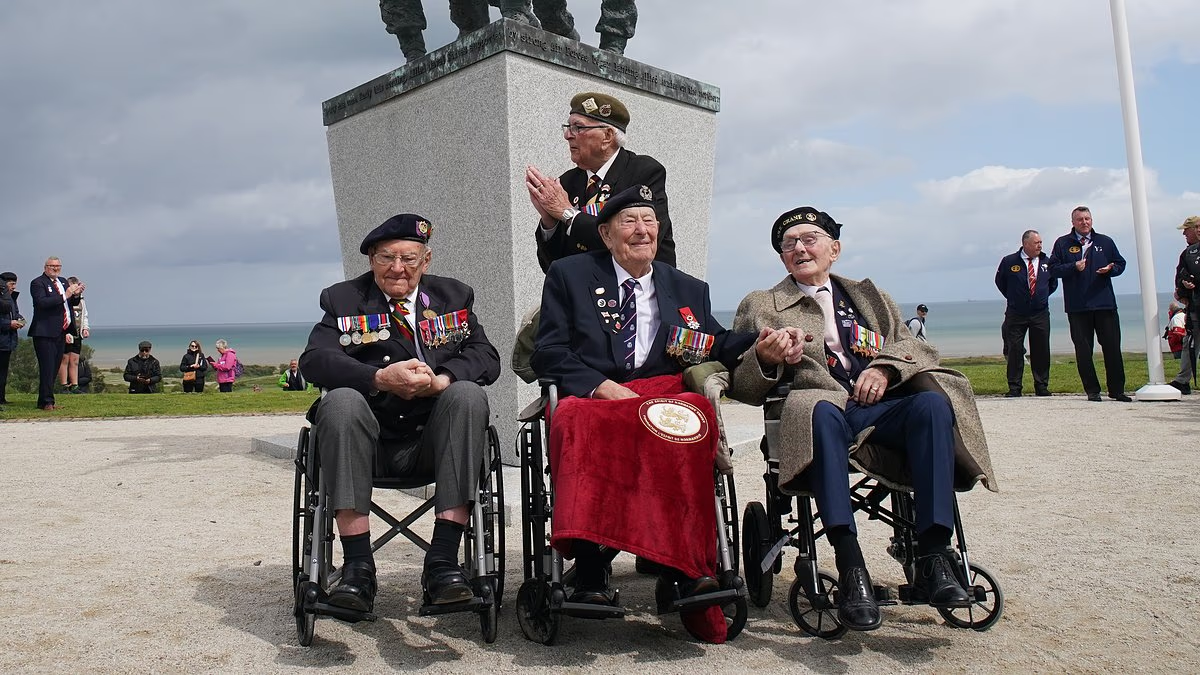
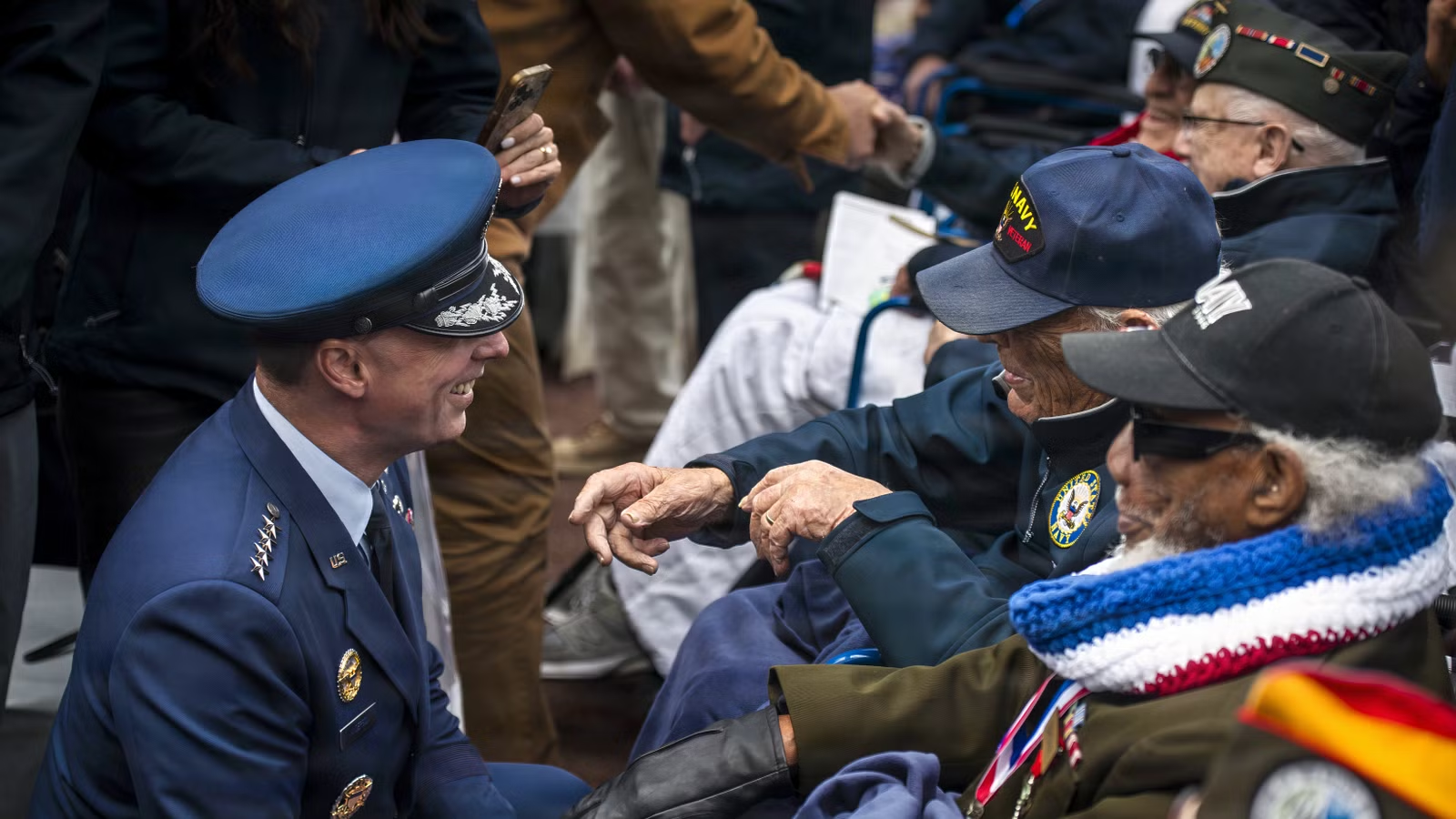
On June 6, 2026 — the 82nd anniversary of D-Day — ceremonies took place across Normandy, from the American cemetery at Colleville-sur-Mer to the British and Canadian beaches stretching east toward Sword Beach. The men who were there are in their late 90s now, approaching 100 and beyond. The VA estimates that approximately 45,000 American WWII veterans remained alive as of 2025. Among them, the number who landed on the beaches of Normandy, or dropped in by parachute, the night before is a fraction of that figure, and it grows smaller every year.