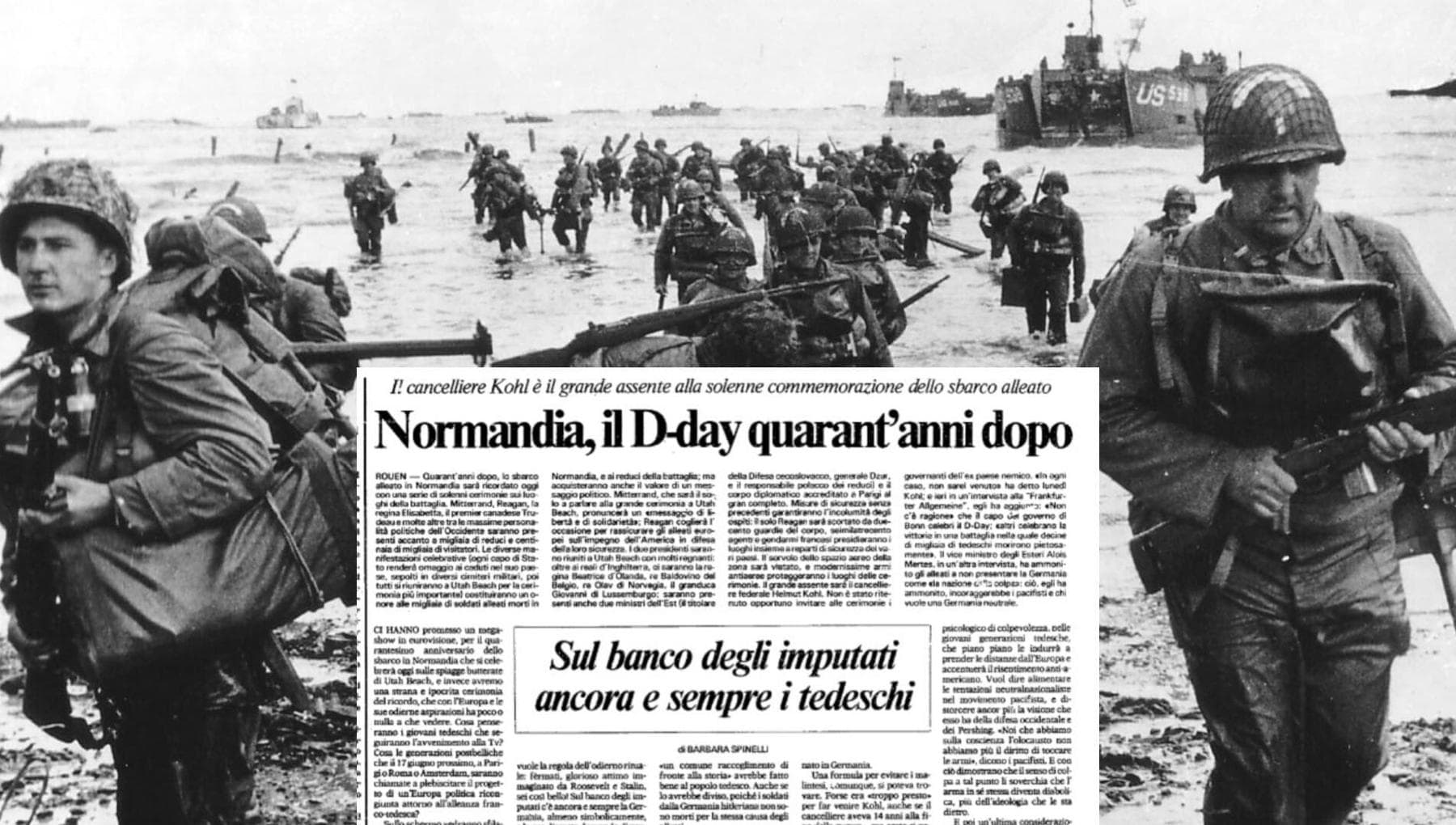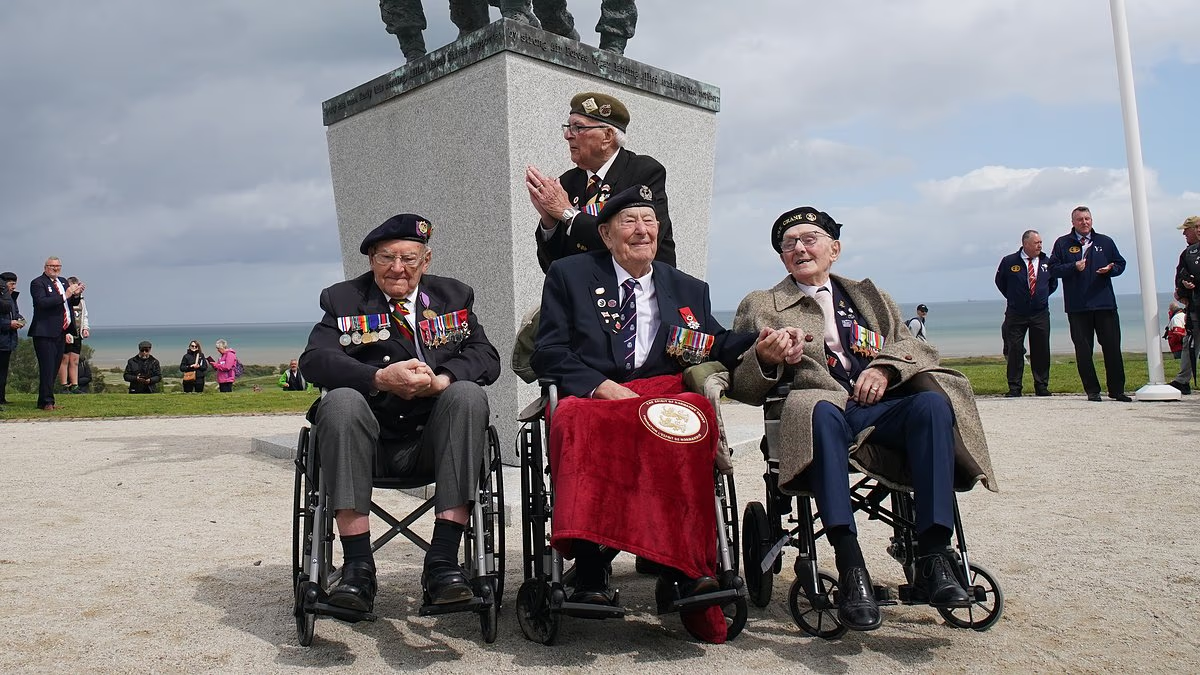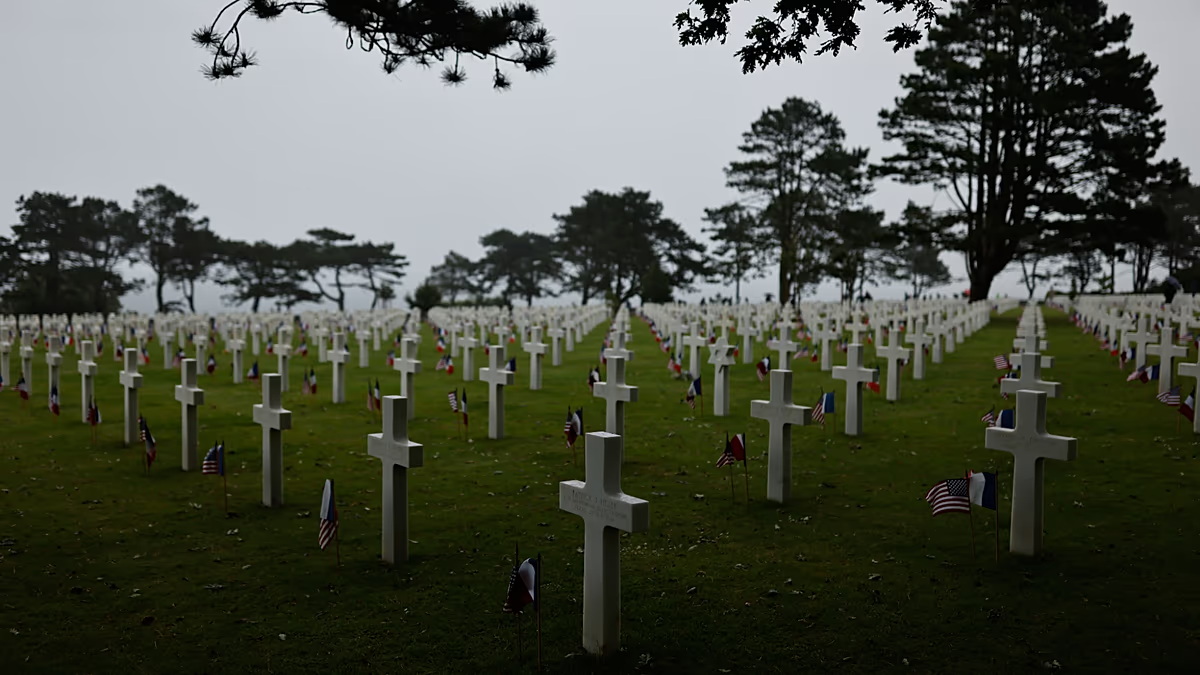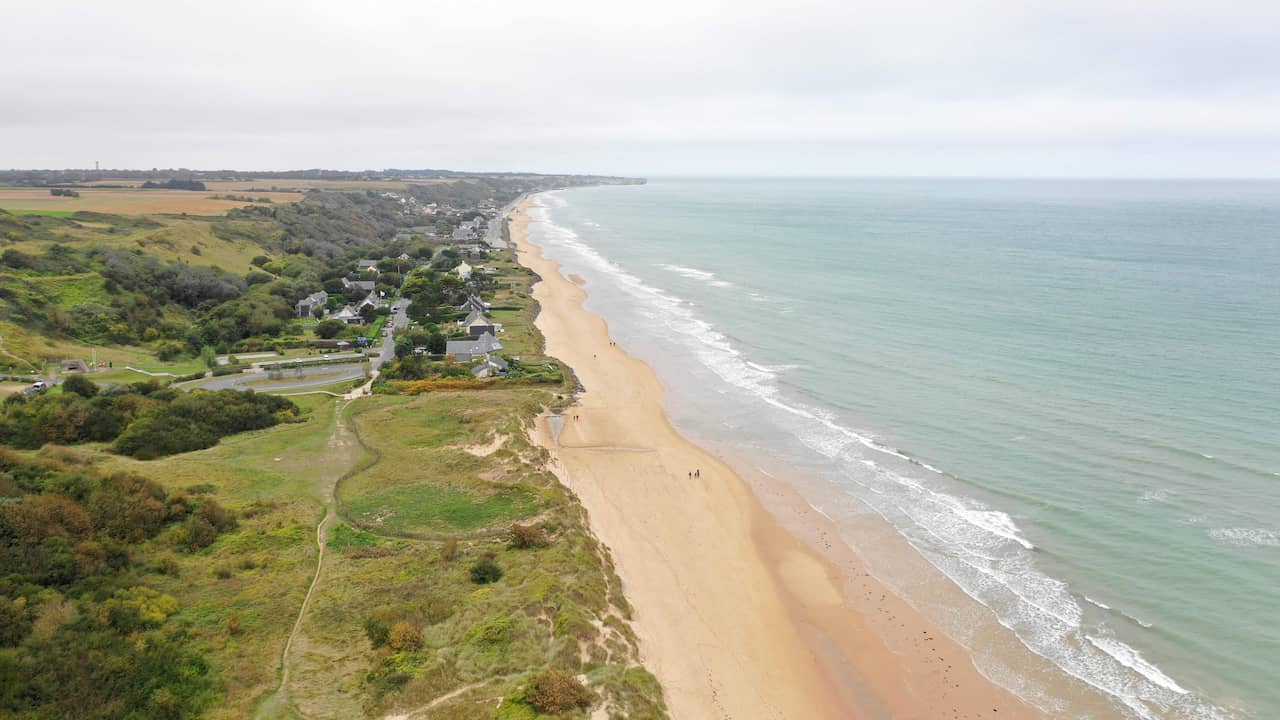
The numbers are staggering: 160,000 Allied troops. Five thousand ships and 13,000 aircraft. All to take a heavily fortified 50-mile stretch of French shoreline, a herculean effort to reclaim a critical part of Europe from the Nazis and turn the tide of the most horrific war the world had ever seen.
On June 6, 1944 − D-Day − World War II's invasion of Normandy, codenamed Operation Overlord, got underway. Gen. Dwight D. Eisenhower, supreme commander of the Allied Expeditionary Force, told the men as they mobilized for battle: "The eyes of the world are upon you. ... The hopes and prayers of liberty-loving people everywhere march with you."
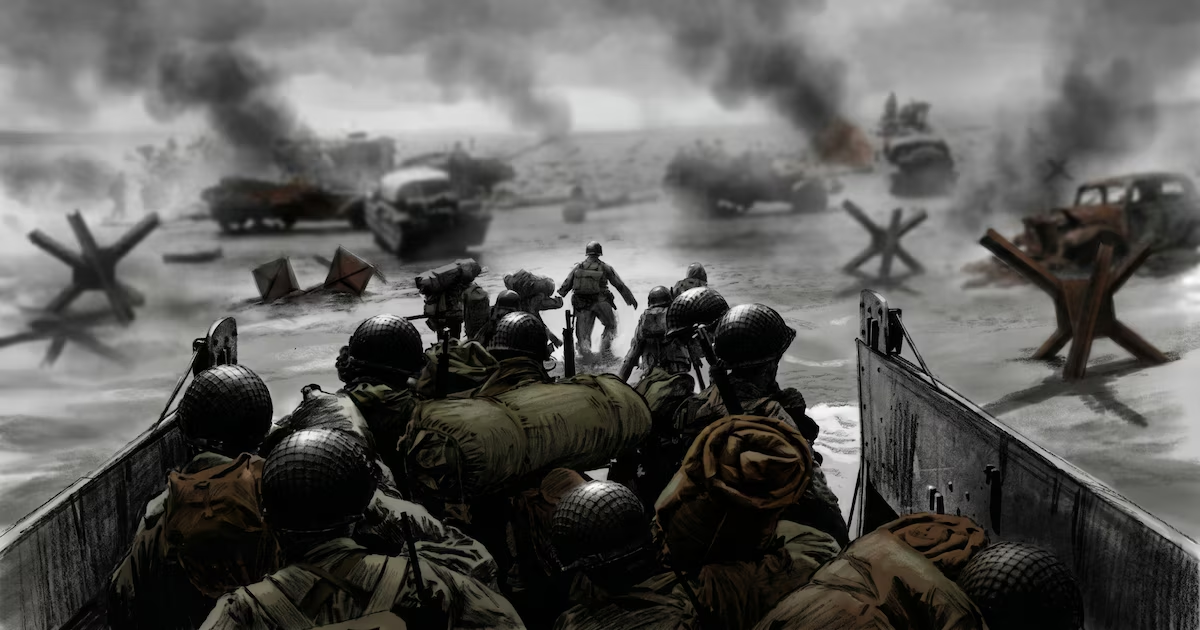
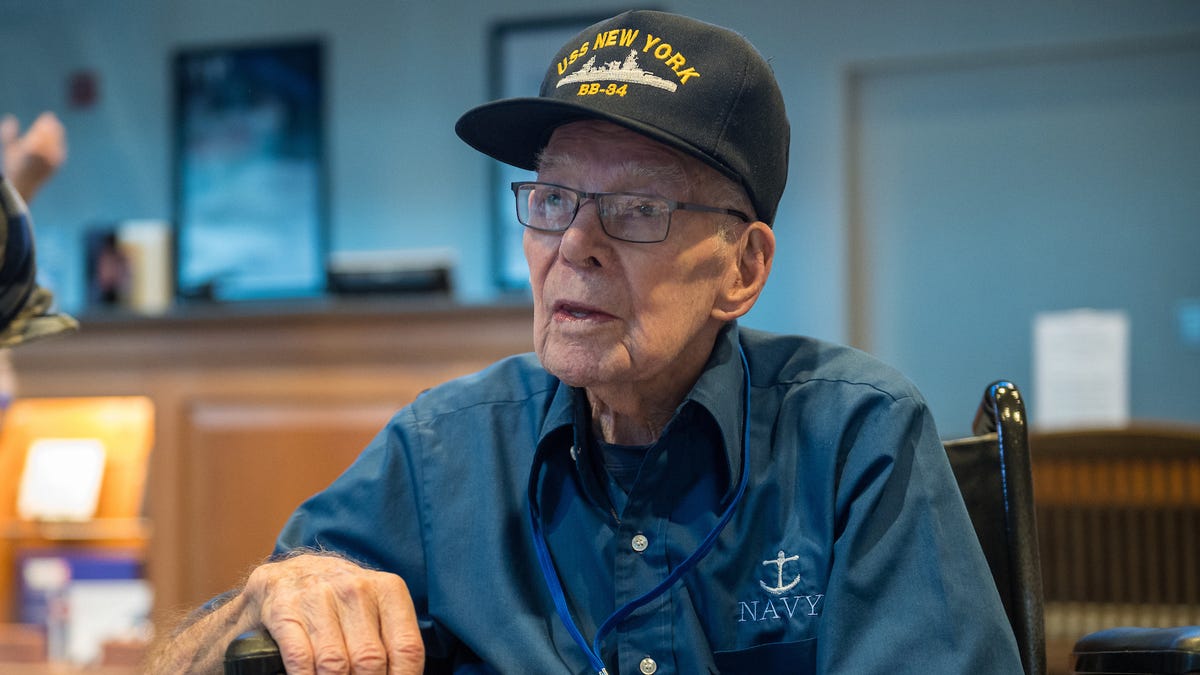
Tolley Fletcher, at the time a 19-year-old Navy gunner's mate, remembered the rough seas and the treacherous landing troops at Utah Beach had to make in 3- to 4-foot waves, each carrying about 60 pounds of gear on their backs and descending on rope ladders from larger ships onto smaller landing crafts.
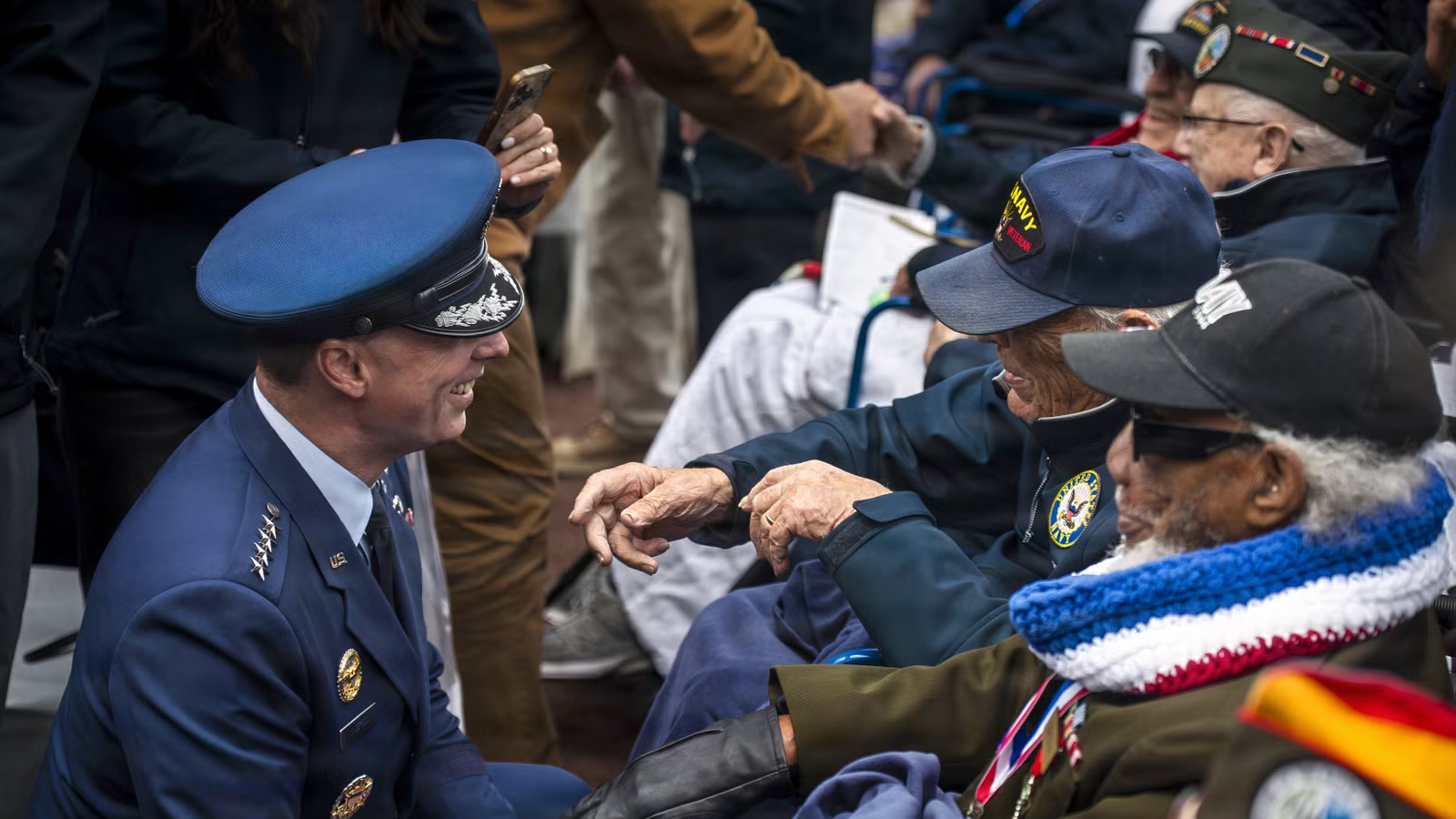
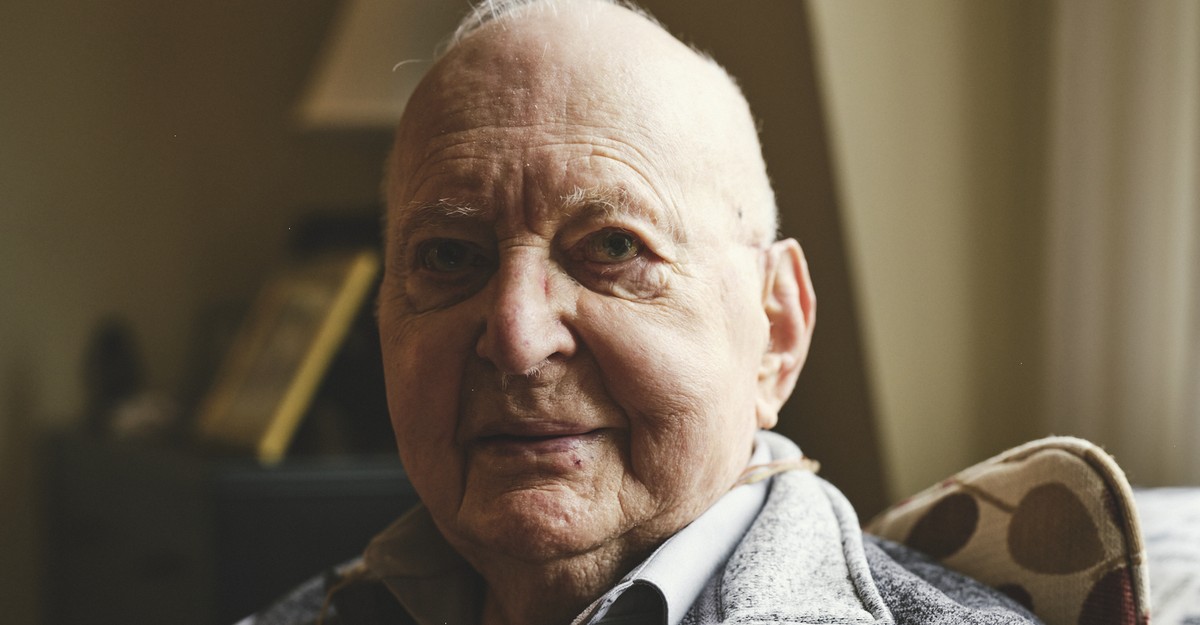
"I felt for those soldiers," Fletcher, now 100 years old, told USA TODAY. "In my mind, that was the worst part, other than people getting hurt."
Fletcher, who joined the Navy at 17 in late December 1941, said he and his shipmates were fortunate to be mostly out of the line of fire. "There was some shelling, not really a lot, and luckily we didn't get hit.