Researchers in Brazil developed a low-cost method combining UAV photogrammetry, GIS analysis, and an open-source Python tool to estimate rooftop solar PV potential in informal settlements with good accuracy. Applied in two Brazilian communities, the approach identified 338 kW of installable PV capacity—capable of generating about 437,000 kWh annually and meeting roughly 61% of local household electricity demand.
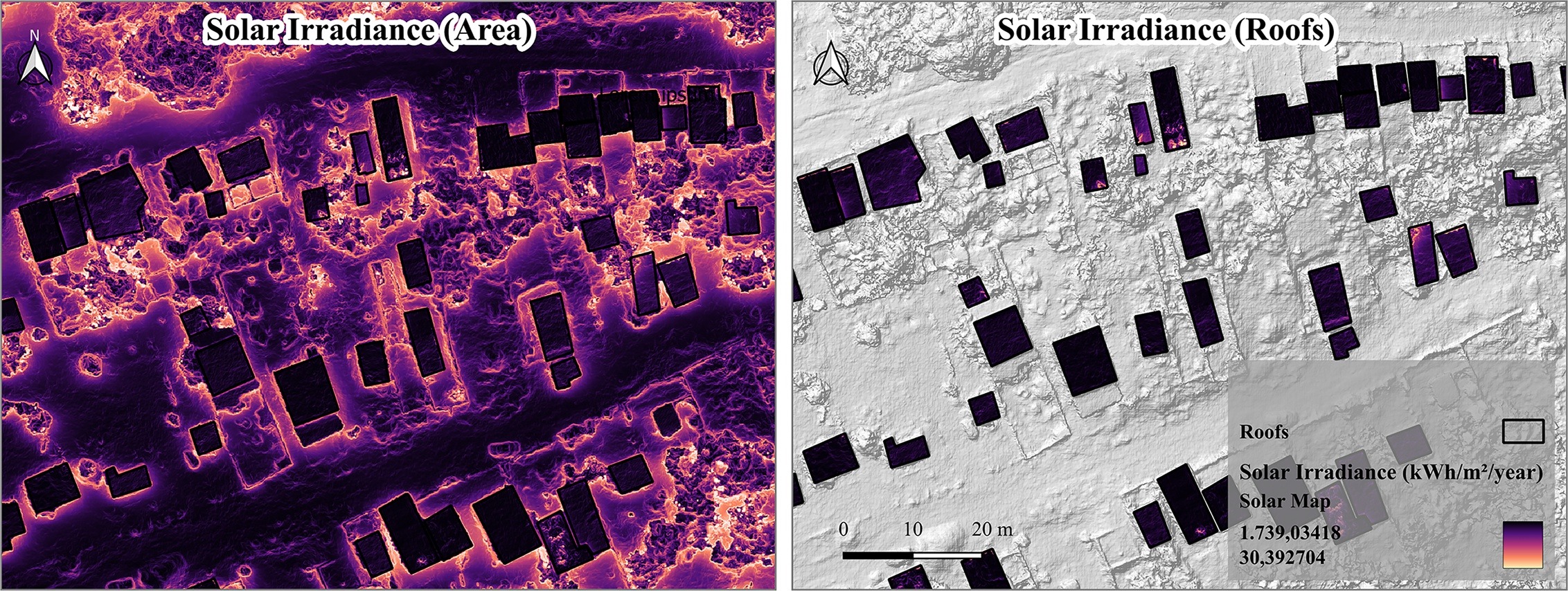
Researchers from Spain and Brazil have developed a novel, low-cost methodology for assessing rooftop PV potential in informal settlements. It integrates uncrewed aerial vehicle (UAV) photogrammetry, GIS-based irradiance analysis, and an open-access Python tool to automatically estimate module allocation and PV capacity at the rooftop scale.
“Energy transition is not only a technical challenge but also a social and territorial issue, directly related to the principles of energy inclusion and socio-environmental justice,” noted the researchers. “In this context, it becomes important to advance spatial methods and analytical tools capable of revealing the energy potential of historically excluded territories and informing fairer and more territorially sensitive public policies.”